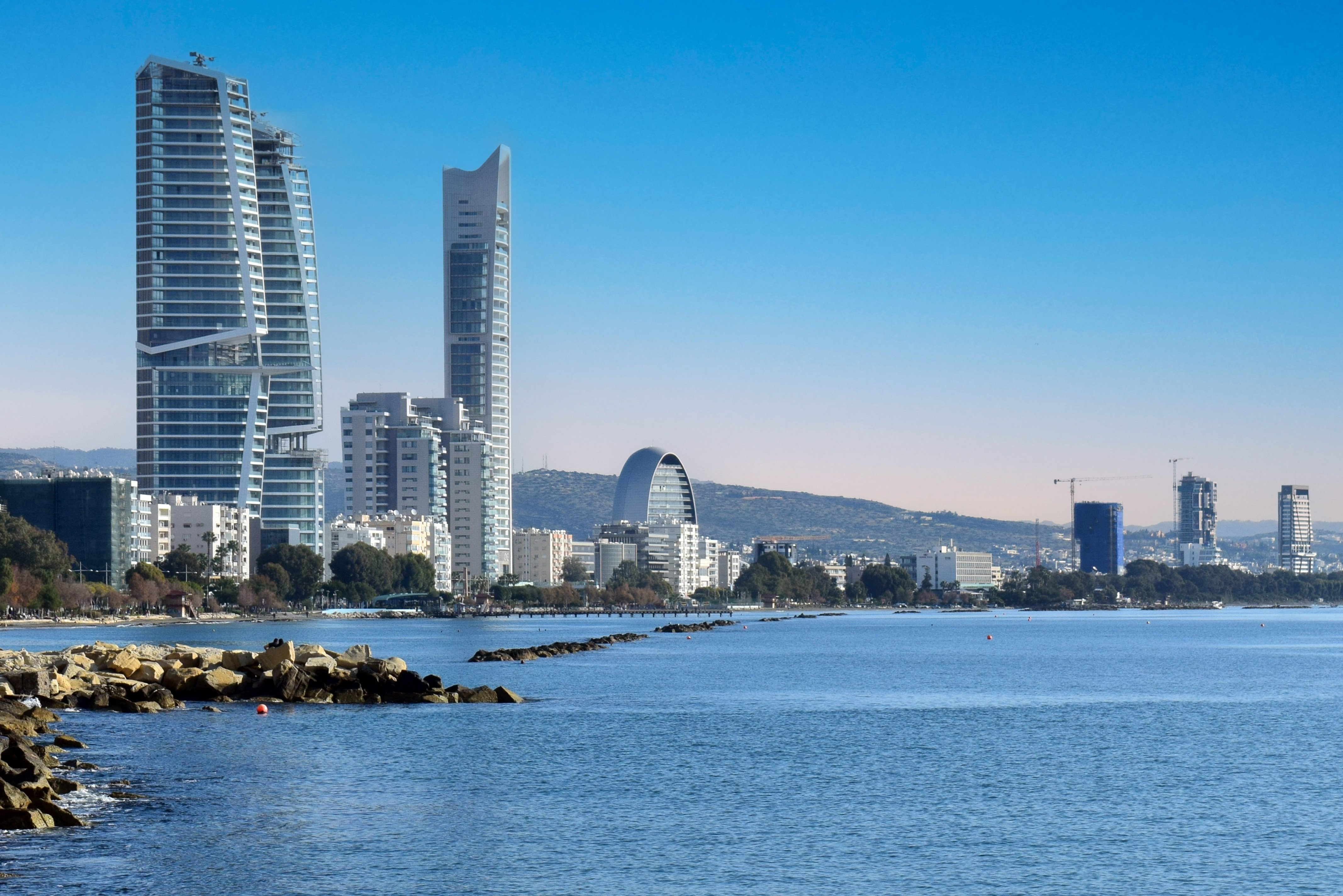
The Cyprus real estate market has long outgrown the old story of a “house by the sea” for lazy vacations. Today, it is a tough and dynamic arena where, throughout 2025–2026, the volume of transactions surpassed the €6.5 billion mark. While buyers once measured success by proximity to the shoreline, modern professionals and investors now view property as a productive asset. In a world where the home has become a headquarters, choosing an apartment requires not only taste, but also almost surgical precision in calculations.
For those relocating to the island not only with suitcases but also with their business processes, property is no longer simply “housing.” It becomes a strategic case where profitability, energy efficiency, and legal nuances intertwine with personal comfort.
The Mediterranean Work Ethic in Numbers
The myth of the relaxed “siga-siga” (“slowly, slowly”) lifestyle is completely shattered by Eurostat statistics. Cyprus confidently maintains its status as one of the hardest-working regions in Europe: the average working week here exceeds 40 hours. The mass relocation of fintech giants and IT clusters has created a new standard of demand. Now, an “extra” room is no longer a guest bedroom, but rather an investment in a home office, which in Limassol or Paphos appreciates 7–9% faster than standard layouts. The island has transformed into a gigantic high-tech hub where every square meter is expected to work. Wasn’t this exactly what everyone dreamed about 5–10 years ago?
The Legal Labyrinth: Aesthetics Versus Bureaucracy
The main trap for those planning not just to type away on a keyboard, but to receive clients — from psychological practice to the beauty industry — lies in zoning regulations. In Cyprus, the line between a “home office” and “commercial premises” is monitored by the urban planning department with particular strictness.
The case of a separate entrance: the price of legality. There is a common misconception that you can organize anything in your apartment, whether it is an art gallery or a manicure studio. However, the Sanitary Service and the 2026 construction regulations dictate otherwise. To license activities related to the beauty industry or medical consultations, a property must have so-called architectural autonomy.
The key marker here is a separate entrance. If clients are forced to pass through your personal hallway or cross paths with neighbors in a shared entrance, obtaining official permission for business activity (Change of Use) becomes practically impossible. This is why the market is currently seeing high demand for Ground Floor properties and apartments in mixed-use buildings. Such a street-level entrance is not just convenience — it is your pass into legal business operations.

The Capitalization of Flexibility: Why “Mixed Status” Costs More
Properties that legally allow the transformation of residential space into commercial use are now trading at a noticeable premium. The market logic is simple: within five years, an apartment where it is officially permitted to open an office or studio will be worth 15–20% more than purely residential equivalents.
Strategic investors understand that having an independent entrance group and the correct status in the title deed acts as insurance against future market shifts. Rental yields from commercial use on the island are consistently 2–3% higher than from residential rentals, making such properties the “gold reserve” of any portfolio.

Technological Luxury: When Class “A” Saves Your Budget
In 2026, the technical equipment of a building has become just as much a status symbol as a marina view. Working from home during a Cypriot midday can be expensive if the building does not meet modern standards.
- Energy Independence. Photovoltaic panels are no longer an option in the premium segment — they are a must-have. In Class “A” buildings, the cost of cooling a workspace during summer is almost half that of older properties. For self-employed professionals, this directly reduces operating expenses.
- Digital Reliability. Checking for fiber optic internet has become a mandatory step before closing a deal. In the business districts of Larnaca and Limassol, this is already standard, but in picturesque foothill areas, internet connectivity can still present unpleasant surprises that are unacceptable for high-demand businesses.

The Geography of Purpose: Where Should You Buy?
Today, location in Cyprus is chosen according to the nature of one’s business activity.
- Limassol is the undisputed center of power. It has the highest concentration of “money” and clients willing to pay for quality service. Ideal for those who need a prestigious address and 24/7 networking opportunities.
- Nicosia is chosen for its institutional solidity. It is a city for lawyers, consultants, and those who appreciate classic European scale and spacious layouts in districts such as Engomi.
- Larnaca is the biggest favorite of recent years. With its renovated port and marina, it has become the ideal platform for new projects with open-plan layouts that can easily adapt to any scenario — from a stylish studio to a functional office.

A Summary for the Thoughtful
Buying property in Cyprus as a professional is not only about interior design and location. It is about understanding the rules of the game. A property with commercial-use potential, a separate entrance, and advanced technological specifications is an asset that not only preserves money but also creates the conditions for multiplying it. In a world where the home has become the main place of power, it is important for that place to be impeccable both aesthetically and legally.

Read also:
- The Cost of Living in Cyprus in 2026
- Cyprus — The Island That Gave the World Copper
- Kyperounda Sanatorium: A Forgotten Gem of Cyprus’ Colonial Architecture
- Giving Birth in Cyprus: Costs and Citizenship Procedures in 2026
- A Cyprus Summer Without Surprises: How to Rent the Perfect Home and Avoid Ruining Your Vacation