Snorkeling along Cyprus’s beaches and rocky shores is a pleasure in its own right. Turquoise water sparkling with clarity under the gentle sun, and a unique natural environment you won’t find anywhere else. The island generously reveals underwater caves, sandy-bottom beaches, protected sea turtles, and even man-made sunken objects. It’s amazing how much wonder this small yet incredibly rich island holds.
Top Snorkeling Spots in Cyprus: From Beginners to Pros
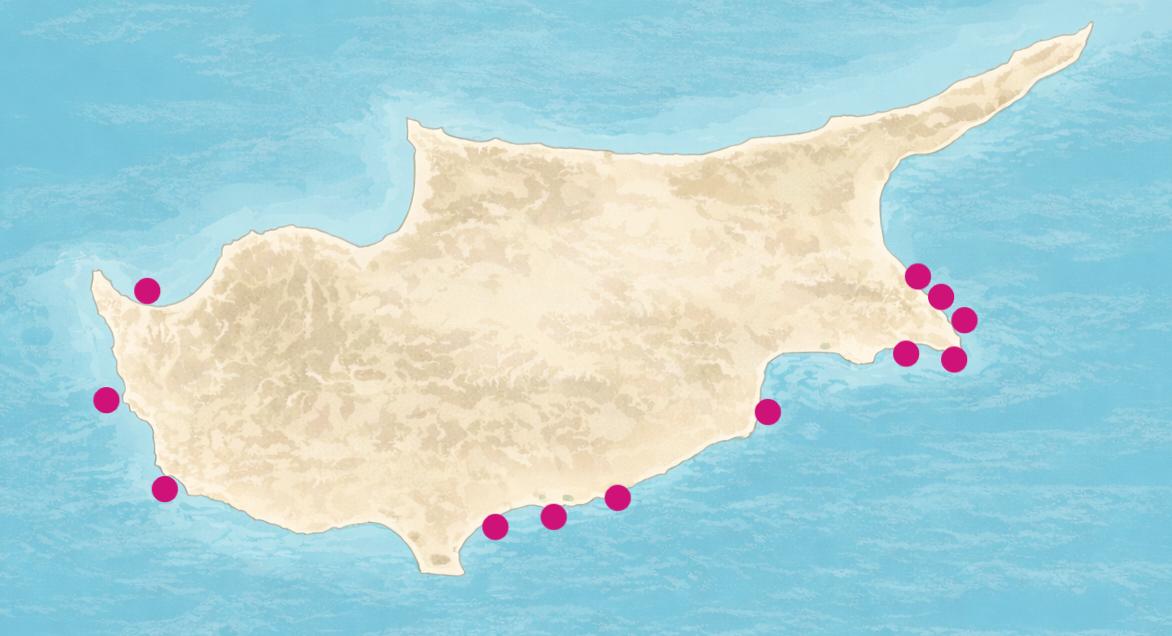
Cyprus offers excellent coastline options for everyone—from casual swimmers to experienced divers. Most snorkeling spots are accessible by car or public transport, while a few require a short walk.
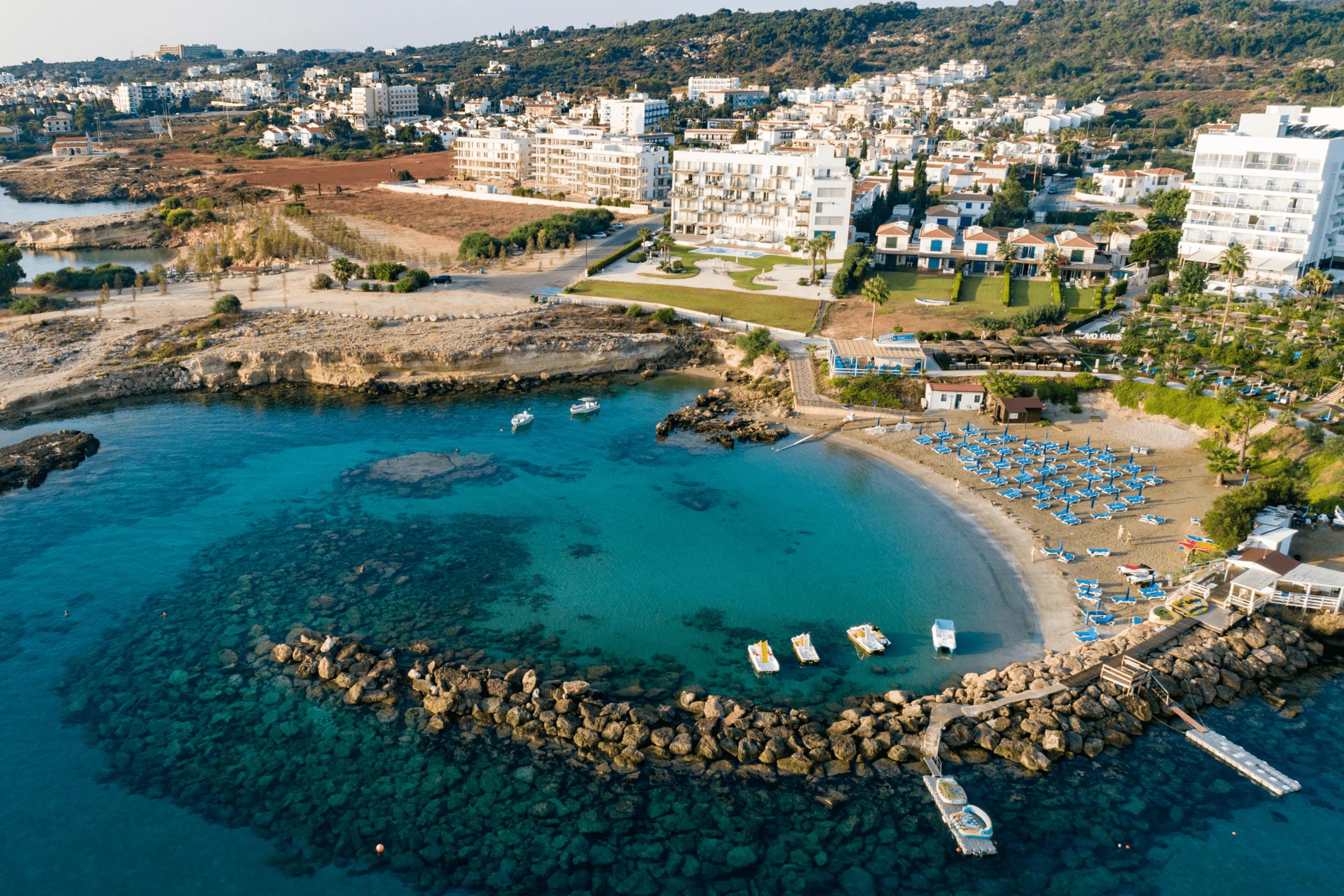
1. Green Bay (Protaras) — A Guaranteed Turtle Encounter
Experienced divers often call Green Bay the best place to get acquainted with the underwater world—because this is where you are most likely to meet green sea turtles. What’s even better: beginners and children can see them too, even without advanced snorkeling skills.
Marine Life Highlights
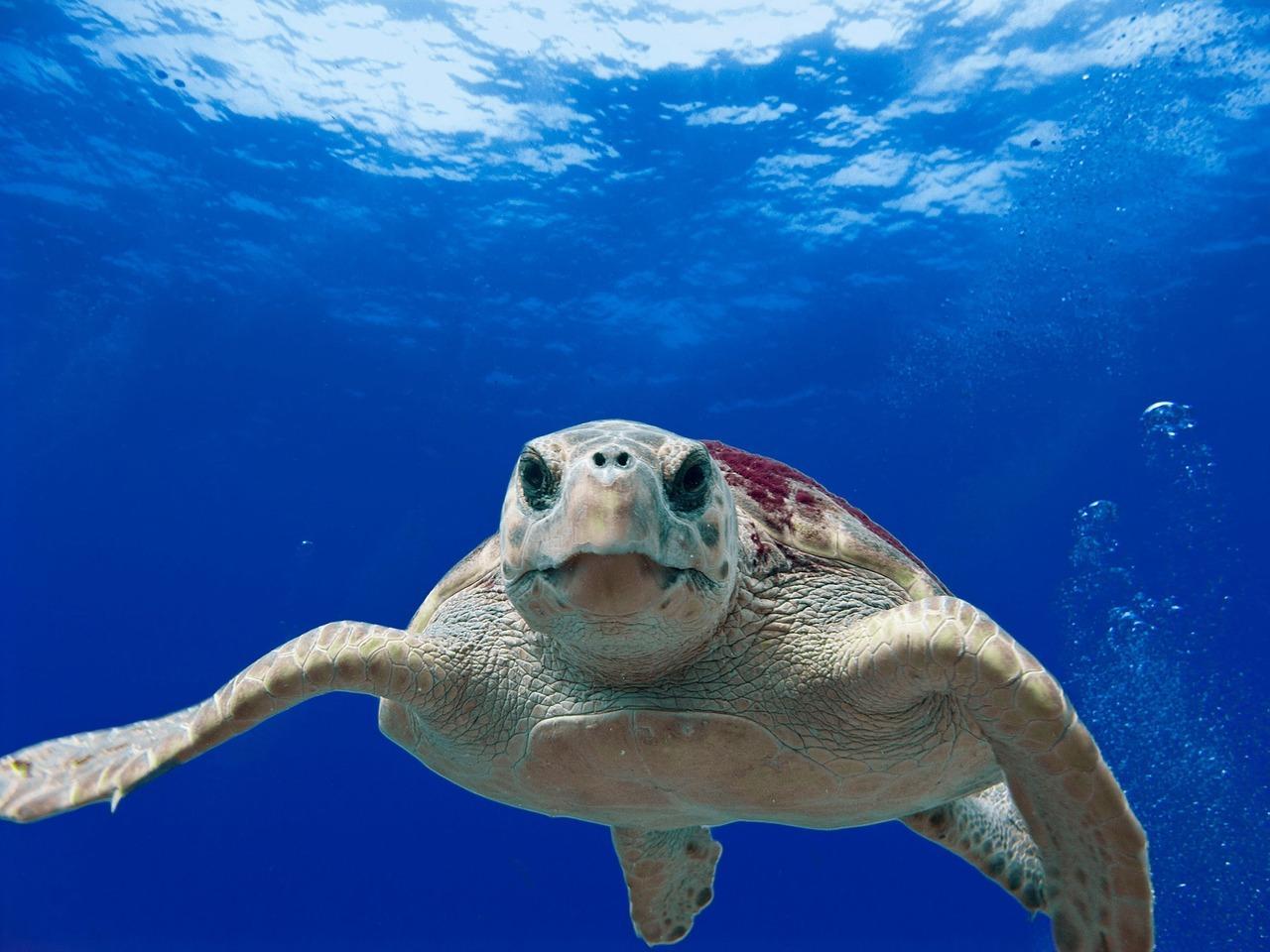
Green sea turtles are rare in the wild and listed in the Red Book. Snorkeling in Cyprus offers a rare chance to observe these remarkable creatures up close. Some individuals are especially large, with shells reaching up to 120 cm in diameter!
Green Bay also delights visitors with parrotfish, small colorful marine life, and underwater sculptures resting on the sandy bottom. Divers can descend to them and capture stunning photos—the underwater scenery is truly beyond words.
Tip: Green Bay has a gently sloping sandy entrance into the water, making it ideal even for families with small children who simply want to swim.
How to Get There & Practical Advice
Green Bay is tucked into a cozy bay near Protaras. If you’re staying nearby, you can walk; otherwise, taxis or a rental car are convenient. Parking is located close to the beach. There is also a bus service—check schedules locally.
In summer, it’s best to arrive early, just after sunrise. After 8–9 a.m., the beach becomes crowded, which can affect both relaxation and the presence of marine life. Snorkeling gear can be rented on site—the water sports club is right by the shore.
2. Blue Lagoon (Akamas Peninsula) — Unreal Water Color
Akamas is a protected natural area where the island’s wild beauty is best preserved. It boasts some of the finest untouched beaches in Cyprus, and the sea here shines with an unreal turquoise hue—so clear it rivals crystal.
Marine Life Highlights
Blue Lagoon impresses at first glance with its cinematic transparency. Visibility is excellent, allowing snorkelers to clearly see local marine life—mostly bright small fish, with occasional larger species. The luckiest may spot wrasse or even grouper.
The rocky seabed adds texture, and combined with the pristine water creates a deep sense of immersion in Cyprus’s raw natural beauty—quite literally.
How to Get There & Practical Advice
When entering “Blue Lagoon” in your navigator, don’t confuse it with the beach near Ayia Napa. This Blue Lagoon is near Paphos, at the very edge of the Akamas Peninsula. As part of a national reserve, it is not accessible by regular vehicles. Options include:
- Buggy or quad rentals from Polis and nearby villages
- Boat excursions from Latchi
- Renting a boat directly in Latchi
- Hiking along a pedestrian trail (long and demanding—requires good fitness and carrying supplies)
Book excursions in advance to avoid surprises and save money. Longer 6–8 hour tours usually include yacht cruising, snorkeling equipment, guide commentary, scenic stops, and snacks on board (snacks often paid separately). Bring towels, swimwear, and plenty of drinking water.
Tip: You’ll likely need to change clothes on the beach—it’s completely unorganized, so plan accordingly.
3. Cape Greco and the Sea Caves (Ayia Napa) — Exploring Grottoes
Experienced swimmers looking for new snorkeling sensations in Cyprus head first to Cape Greco. This area offers the greatest number of spots for those who enjoy unusual underwater terrain. Sea caves (including underwater ones), whimsical rock arches, and rugged cliffs leave a lasting impression.
Marine Life Highlights
Cape Greco is home to species that “nest” among rocks and reefs. You may encounter:
- Anthias — a small black fish with white spots;
- Groupers (again a frequent sight here);
- Lionfish — beautiful but dangerous;
- Sea dragon (weever fish) — its fin can be highly venomous;
- With some luck, octopuses and moray eels may appear; they live in crevices and hide well, but patient divers sometimes spot them.
Important! Some attractive marine species can be dangerous. Always exercise caution while snorkeling.
The water around Cape Greco is exceptionally clear, with stunning turquoise hues. You can snorkel here or simply relax on sandy stretches—some of Cyprus’s best beaches are undoubtedly found at Cape Greco.
How to Get There & Practical Advice
Snorkeling around Cape Greco requires good preparation and confident swimming skills. Key recommendations:
- Never snorkel alone—at least have someone accompanying you on shore;
- Use a swim buoy;
- Follow safety rules when encountering marine life;
- Bring a well-stocked first-aid kit;
- Be extremely careful when entering the water from rocks to avoid slipping.
Getting to Cape Greco is easy: take a taxi from Ayia Napa or Protaras (depending on which side you plan to visit), or drive a rental car. Since much of the cape is a protected nature reserve, vehicles must be left at designated parking areas, and you’ll continue on foot. If walking in the heat isn’t appealing, buggy or quad rentals are available.
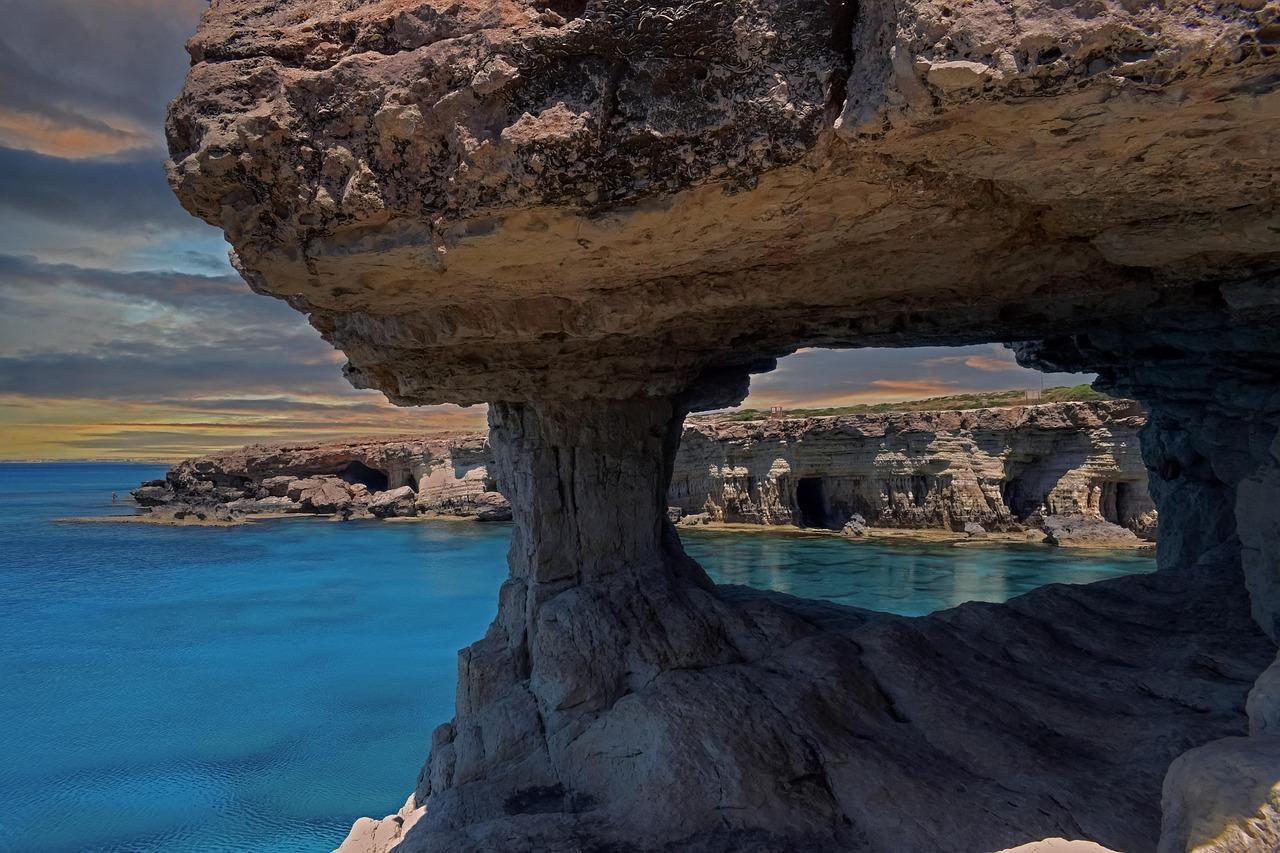
4. Konnos Beach (Cape Greco) — A Beginner-Friendly Spot
Konnos Beach is famous not only for its cleanliness, scenic beauty, and Blue Flag status. It’s also ideal for beginners with little or no snorkeling experience. Staying close to shore, you can still spot beautiful fish and enjoy crystal-clear water. More experienced swimmers can reach nearby sea grottos—but in that case, refer to the Cape Greco safety notes above.
Marine Life Highlights
Green sea turtles inhabit this beautiful area. During the nesting season—from early May to late August—they are relatively fearless and often approach closer to shore. You’ll also see wrasse and salema, along with schools of small but colorful fish. Dangerous marine species are rarely encountered here.
How to Get There & Practical Advice
You can reach Konnos Beach by car, taxi, or bus. Bus routes 101/102 run between Protaras and Ayia Napa. Note that the bus stop and parking are above the beach; from there, you’ll walk down a protected trail. The breathtaking views along the way more than make up for the short descent.
Konnos Beach is fully equipped, so you can arrive with minimal gear. However, rental points usually open around 8–9 a.m., while many snorkelers prefer starting earlier (around 6 a.m.) to avoid crowds — keep this in mind when planning.
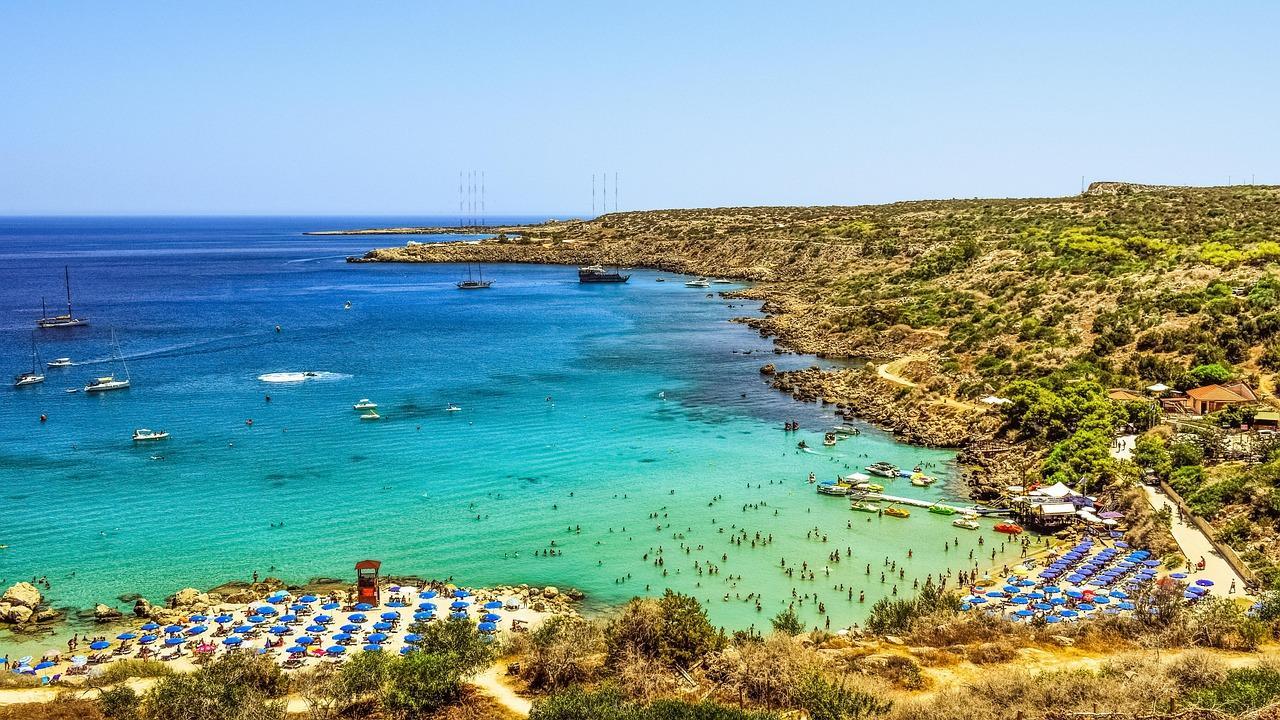
5. Coral Bay Beach (Peyia) — Snorkeling and Sunsets
Coral Bay is a well-known spot on the western coast of Cyprus. It’s hard to say what stands out most here: the clean water and sandy seabed (a rarity for the Paphos area), the scenic surroundings, solid infrastructure, high safety standards, or its suitability for beginner snorkelers. A perfect day at Coral Bay looks like this: snorkeling in the morning, relaxing on a sunbed during the day, and enjoying a spectacular sunset in the evening.
Marine Life Highlights
Wrasse and seabream are frequent visitors here; less often, but still possible, are moray eels and even turtles. Although the beach can be busy, the snorkeling area is slightly removed from the main crowds, allowing you to enjoy clear water and underwater beauty at almost any time.
How to Get There & Practical Advice
Buses stop right by the beach at the Coral Bay stop. In summer, public transport runs roughly every 20 minutes, making it easy to reach from Peyia or Paphos.
If you’re driving, the trip from central Paphos takes about 15–20 minutes (around 12 km). Parking is located directly next to the beach, so no long walks are required.
On-site you’ll find Coral Beach Watersports, where you can rent snorkeling gear or even go scuba diving. Nearby there is also a small marina offering boat trips into open waters.
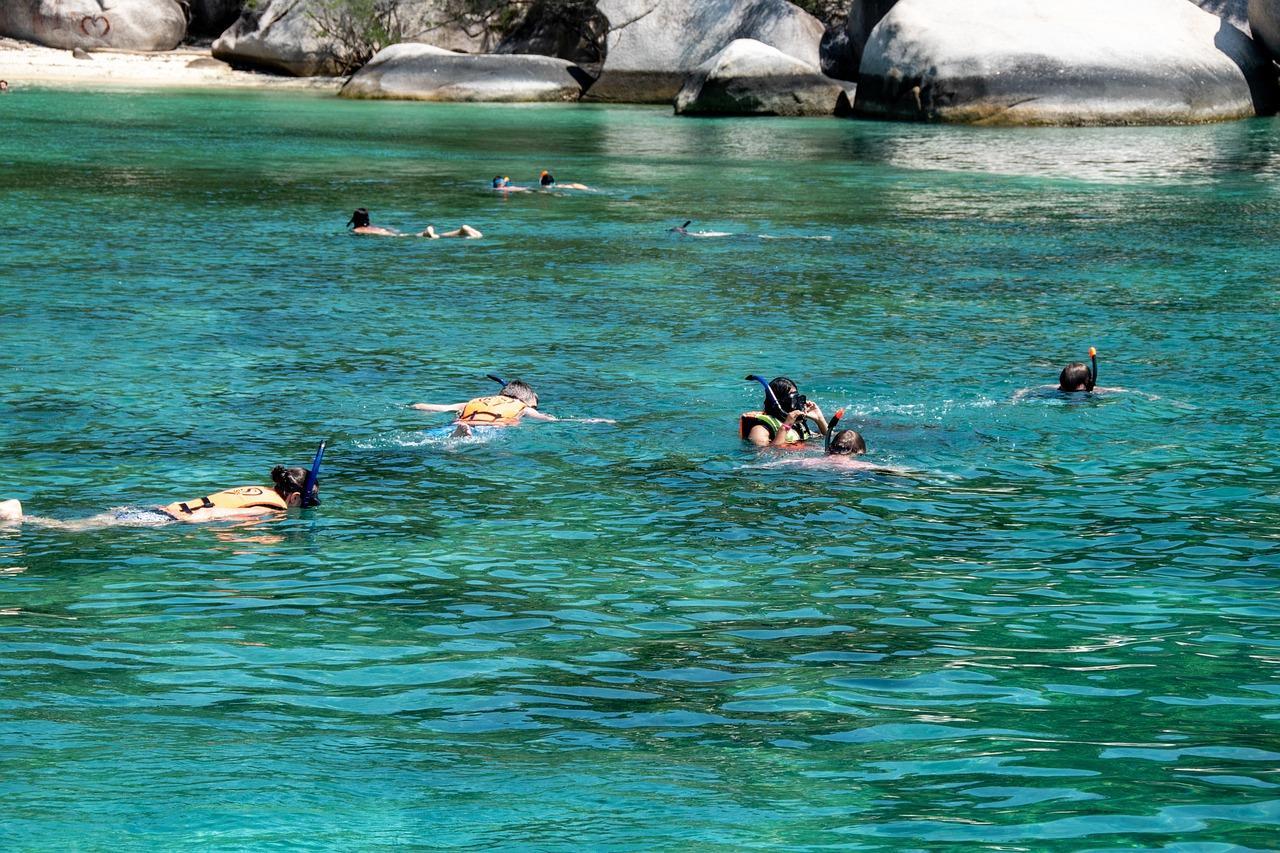
6. Fig Tree Bay (Protaras) — Snorkeling in One of the Safest Spots in Cyprus
Snorkeling here is so calm that even children can enjoy it — of course, under adult supervision. Fig Tree Bay is famous for its gently sloping sandy entry, almost complete absence of waves, and exceptionally clear water. Dangerous marine life is extremely rare, and Green Bay is nearby, making it easy to combine two snorkeling spots in one trip.
Marine Life Highlights
Among the more interesting residents are sea urchins hiding in reef formations and trumpetfish. The seabed itself is quite intricate and visually engaging. Overall, this is a compact, beginner-friendly location where you can spend several peaceful and safe hours.
How to Get There & Practical Advice
You can walk down to the beach from Protaras. If arriving from farther away, there are three parking areas nearby. Buses 101/102 run here from Ayia Napa.
The beach is ideal for families with young children and anyone seeking a relaxed atmosphere. Despite its popularity, Fig Tree Bay is known for its calm and respectful crowd. For snorkeling, there are small adjacent coves—less convenient for swimming, but perfect for observing marine life.
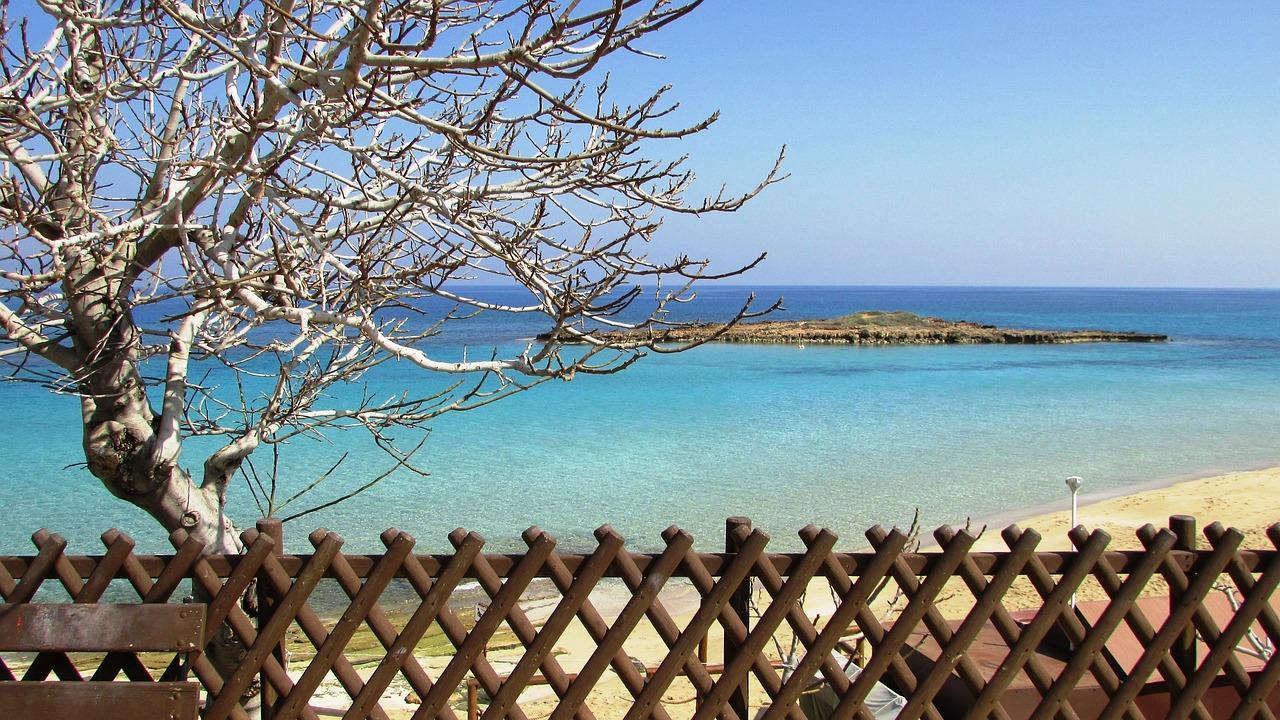
7. White Rocks (Limassol) — Spectacular Underwater Terrain
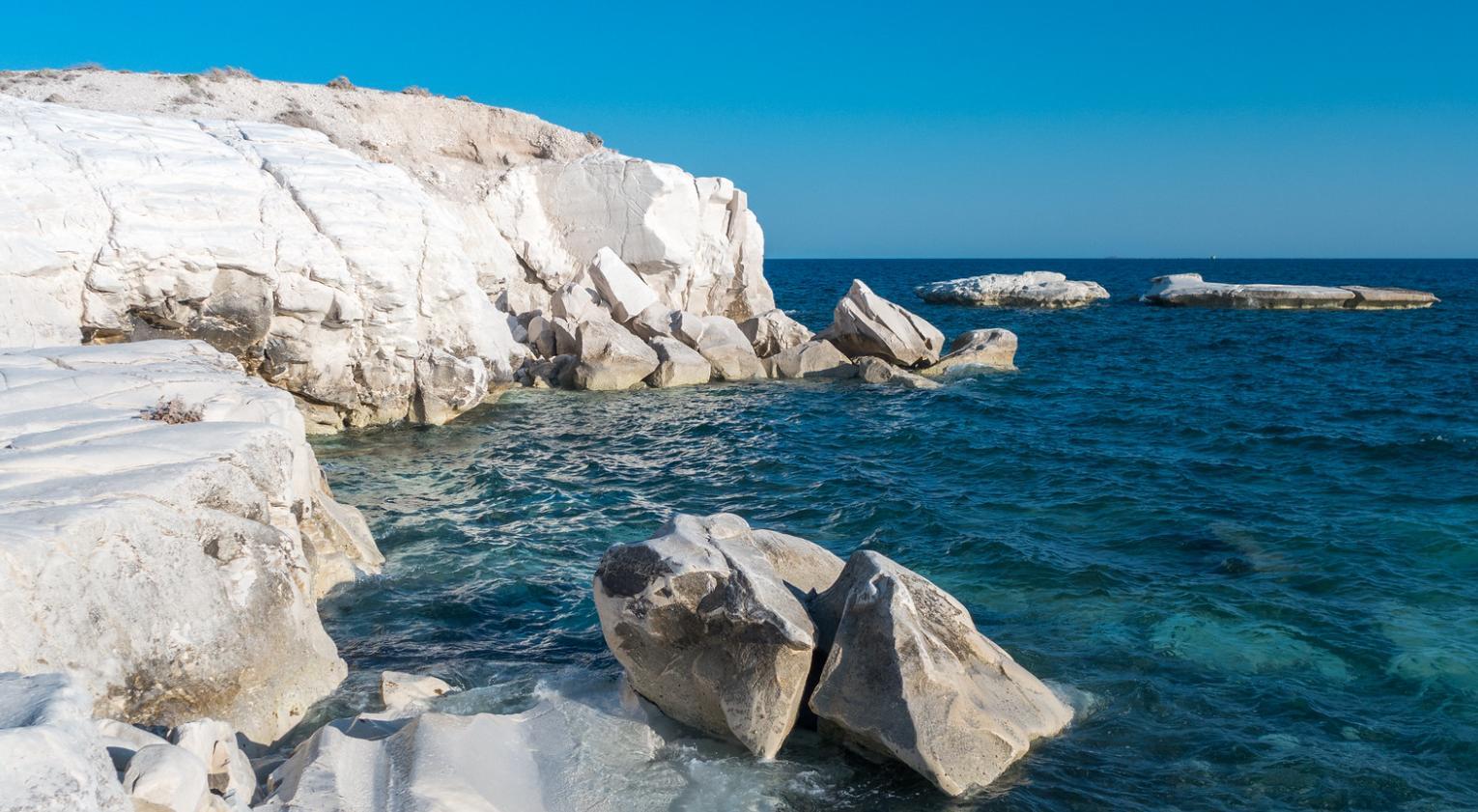
One of the most unusual snorkeling spots in Cyprus is the White Rocks area—chalk-white cliffs found nowhere else on the island. This alone attracts divers from all over the world. The dramatic landscape and abundance of fish living among rocky ledges impress even experienced snorkelers.
Marine Life Highlights
In addition to seabream, wrasse, and trumpetfish, you may encounter—surprisingly—octopuses and sea urchins. Regular visitors also claim to occasionally see seabass and gilt-head bream, allegedly escaping from nearby fish farms. Whether true or not, discovering it for yourself is part of the fun.
Interesting fact: With some luck, you may find gammarus—tiny shrimp-like creatures that provide a natural foot “peeling.”
The chalk cliffs are visually striking. Against the dark, almost black sand, they create an almost alien landscape. More confident swimmers can explore small grottos and rock formations protruding from the sea farther from shore.
How to Get There & Practical Advice
This is a wild beach, so come prepared: bring towels, snacks, water, and proper footwear—walking barefoot here is not recommended. Because of sea urchins, carrying a small first-aid kit is also wise.
The White Rocks are located near Governor’s Beach, which is fully equipped (even with a camping area). However, there is no public transport to the White Rocks themselves. You’ll need to drive or take a taxi from Limassol (closer) or Larnaca (farther). It’s best to park directly at the White Rocks, as walking from Governor’s Beach is quite a long distance.
8. Ruins of Amathus (Limassol) — Real Antiquities Underwater
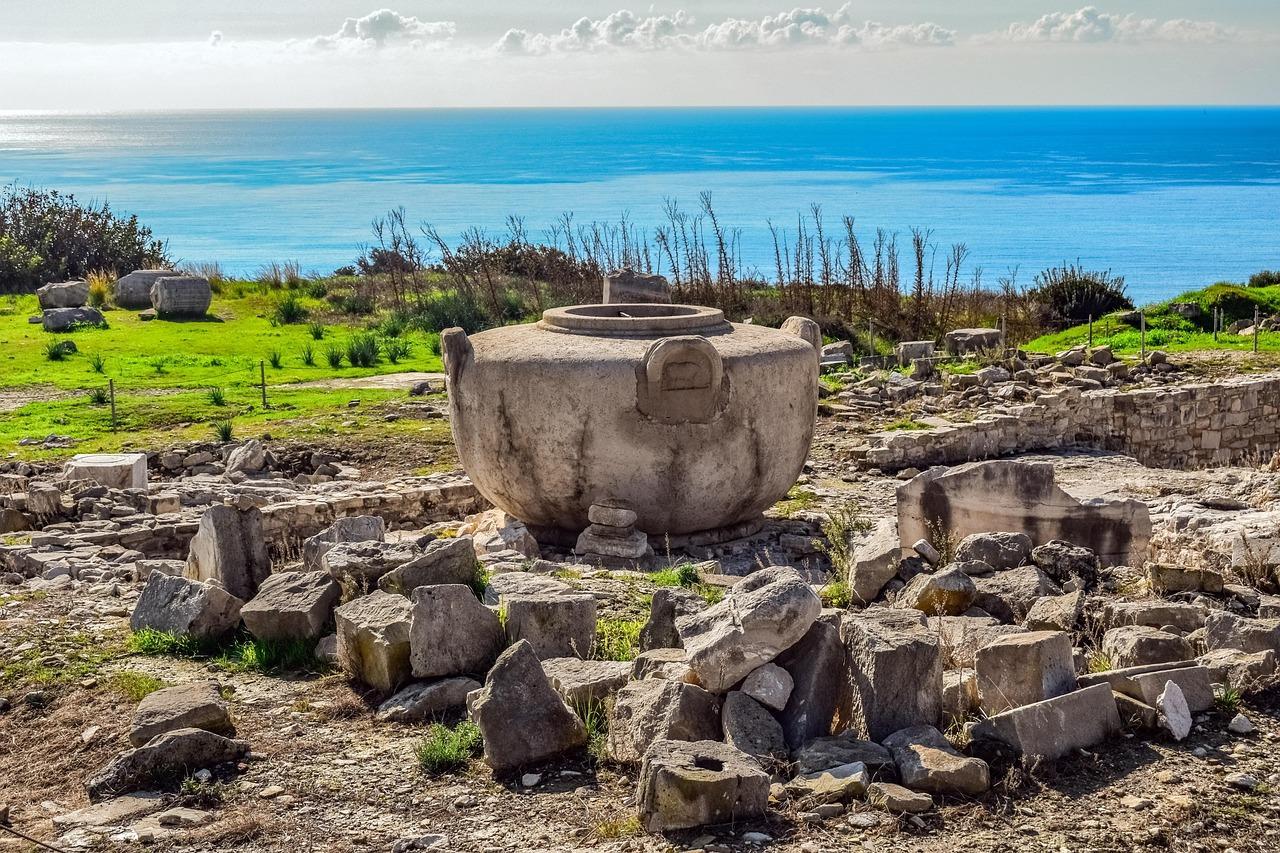
While most “underwater museums” in Cyprus are man-made, everything in Amathus (Amathounta) is authentic. What lies beneath the water is simply a continuation of what stands above it—the ruins of an ancient city. Pottery fragments and the remains of a 9th-century harbor have become home to many marine species, so biodiversity here is impressive. Another big plus: the water is shallow, making Amathus suitable for snorkeling with a standard mask even for beginners.
Marine Life Highlights
Scattered across the seabed are pottery shards and fragments of structures (mainly those that once protected the harbor). Between them dart fish of all sizes. You’ll commonly see:
- parrotfish;
- trumpetfish;
- rabbitfish;
- chrysiptera (damselfish);
- white seabream;
- seabass.
Tip: Don’t be put off by the abundance of seaweed. The underwater vegetation here is endemic—you can proudly say you’ve seen it.
How to Get There & Practical Advice
If you’re staying in Agios Tychonas, you can walk to the beach. Otherwise:
- take a bus from Limassol to the Amathus Hotel stop;
- take a taxi from Limassol;
- drive—parking is available near the hotels.
Before going, check the wind conditions. Amathus is not sheltered by a bay, and strong waves can make snorkeling impossible. While you’re there, visit the ancient ruins on land—they’re well worth it. Entry costs €2.50. The beach itself is municipal and free.
9. Turtle Reef (Paphos) — The Best Way to Meet Sea Turtles
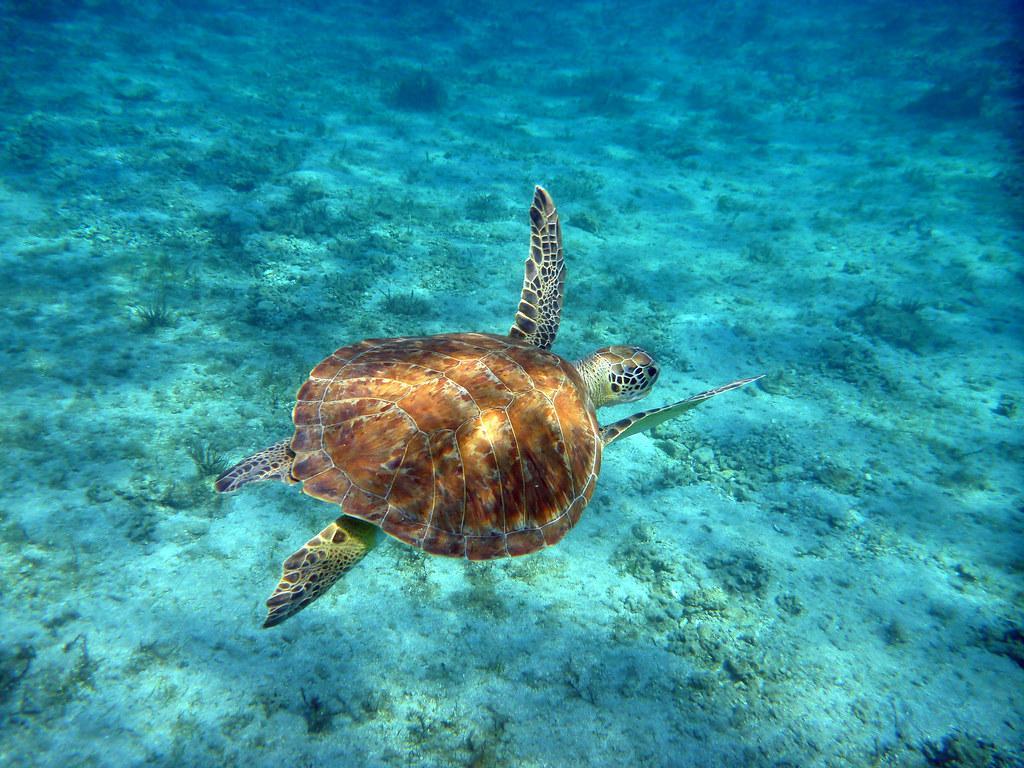
The reef truly lives up to its name: it’s home to many protected turtles—both loggerhead (Caretta caretta) and green sea turtles. This is an ideal place to spend a few hours with these remarkable Mediterranean creatures, far from shore and civilization, in a calm natural setting.
Marine Life Highlights
In open sea you’ll often see larger marine life. Besides turtles, the reef hosts octopuses, cuttlefish, and especially large, beautiful jellyfish. Wrasse and schools of small fish are plentiful too.
How to Get There & Practical Advice
The reef can only be reached by boat as part of an organized excursion—it’s offshore. Tours are easiest to find by searching online in English.
Trips depart from the port of Paphos and last about 4–5 hours. Bring towels and swimwear. Snorkeling equipment is usually included, but confirm this when booking.
Important: People who cannot swim well and unaccompanied children are not allowed on these excursions.
10. Agios Georgios Alamanou Beach (Limassol) — Where You Meet Octopuses
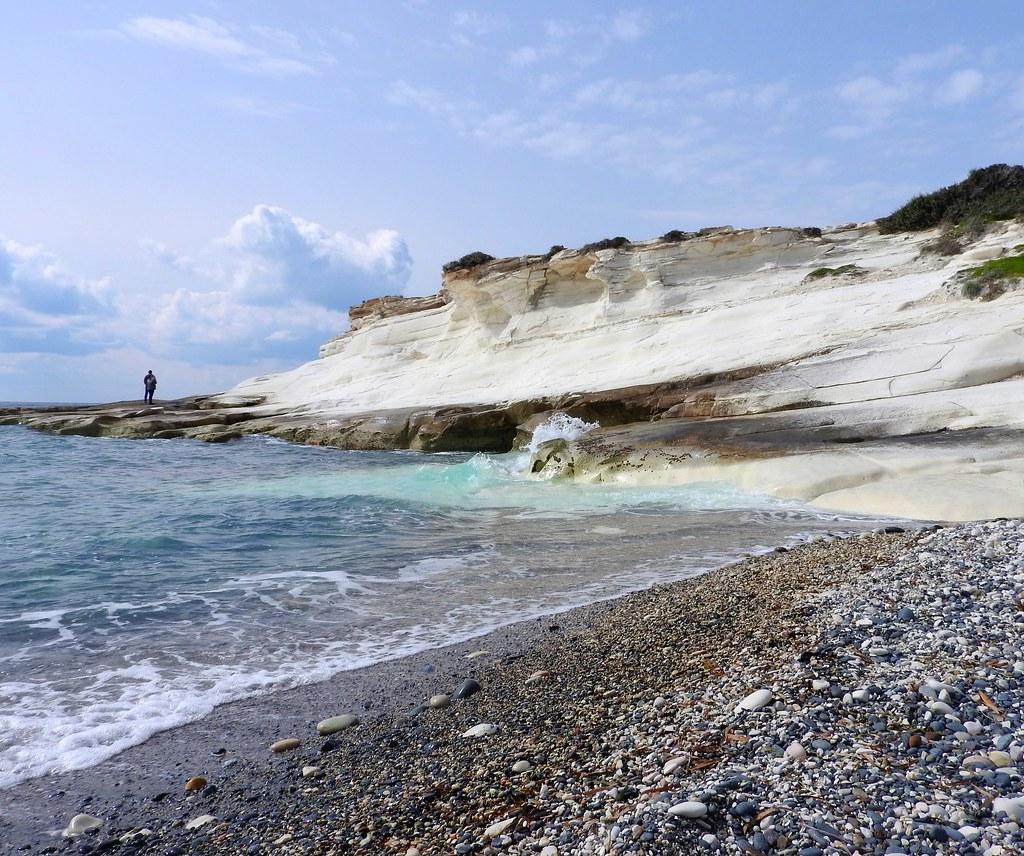
This spot is definitely for advanced snorkelers; beginners may find it challenging. The effort is fully rewarded by crystal-clear water, striking white (almost lunar) cliffs, and unusual marine life. There are no equipped beaches here, so it’s always quiet and uncrowded.
Marine Life Highlights
Many visitors come specifically to see octopuses. Touching them is not recommended, but observing them can be mesmerizing. Sea urchins hide among the white rocks, while schools of silvery fish move constantly through the area.
How to Get There & Practical Advice
Octopuses and sea urchins don’t attack, but caution is essential. Bring a first-aid kit and never visit this wild beach alone.
The entry into the water is tricky—move slowly, hold onto the rocks, and don’t rush. Underwater photography is highly recommended: the scenery is spectacular, and even experienced divers admire the local flora and fauna.
The best way to reach the beach is by car; free parking is available nearby. There is no public transport—which is probably why the place remains so peaceful and secluded.
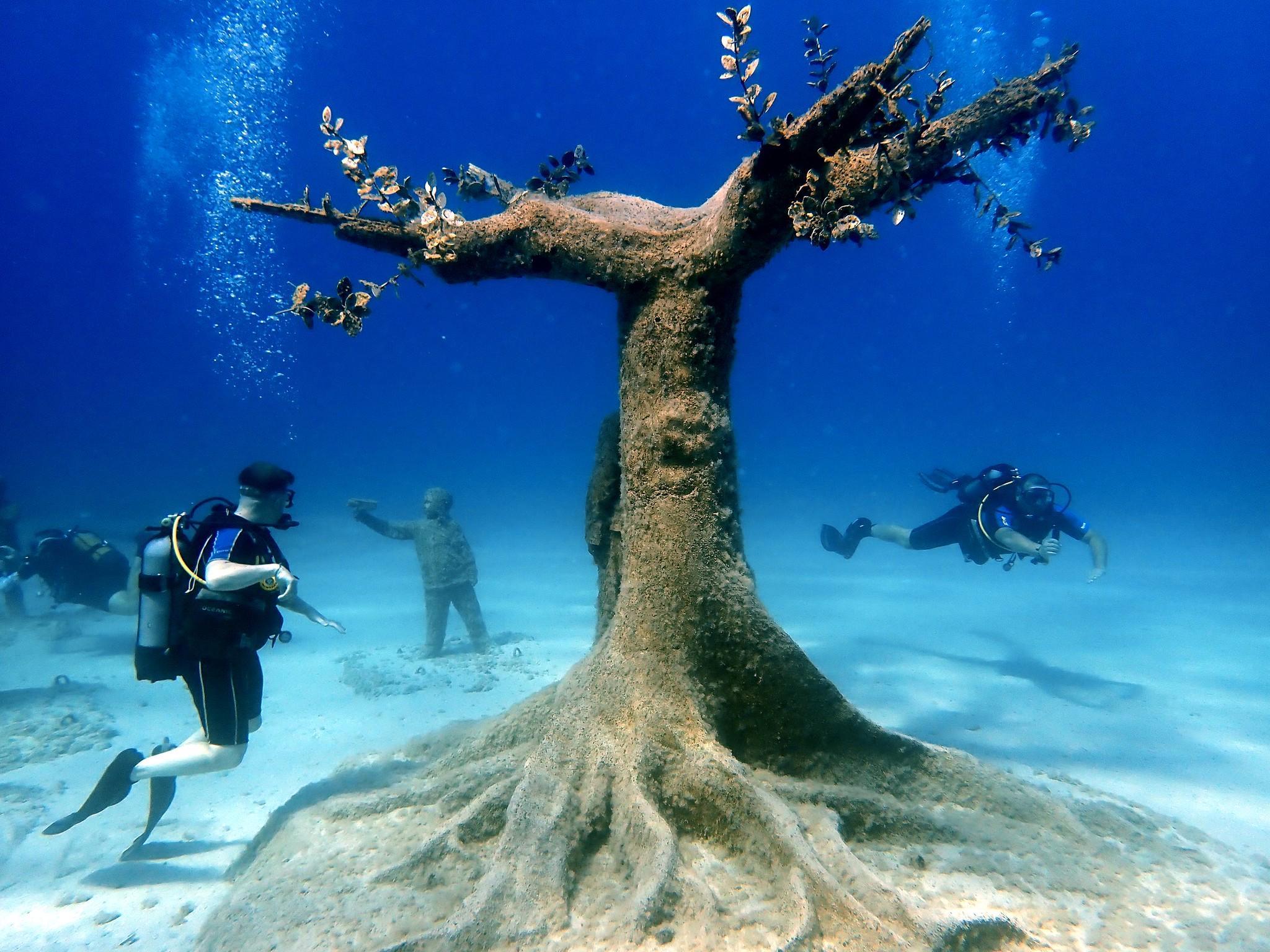
11. MUSAN (Ayia Napa) — A Sunken Museum of Stunning Sculptures
MUSAN stands for Museum of Underwater Sculpture Ayia Napa — which already says it all. The sculptures were created by a renowned artist, and at depth they look especially impressive. The site is suitable for both divers and snorkelers. Some basic preparation is required, but the difficulty level at shallow depth is low.
Underwater Experience
The fairy-tale world of MUSAN is man-made, yet no less magical for it. You’ll need to swim about 200 meters from shore; at a depth of around 7 meters you begin to encounter sculptures of stylized cypress trees and children. As the depth increases, adult figures appear, and at the more advanced (“hard”) level you’ll find magnificent, spreading trees. In total, the museum features 93 sculptures.
You can familiarize yourself in advance with what you’ll see along the route via the museum’s official guide.
How to Get There & Practical Advice
The museum is located in Ayia Napa, so those staying locally can easily walk there. From nearby Protaras or Paralimni, you can arrive by bus or car. From other cities (Limassol, Nicosia, Larnaca), scheduled buses run infrequently, so renting a car is the most convenient option.
12. The Sunken Ferry “Zenobia” (Larnaca) — For Experienced Divers Only
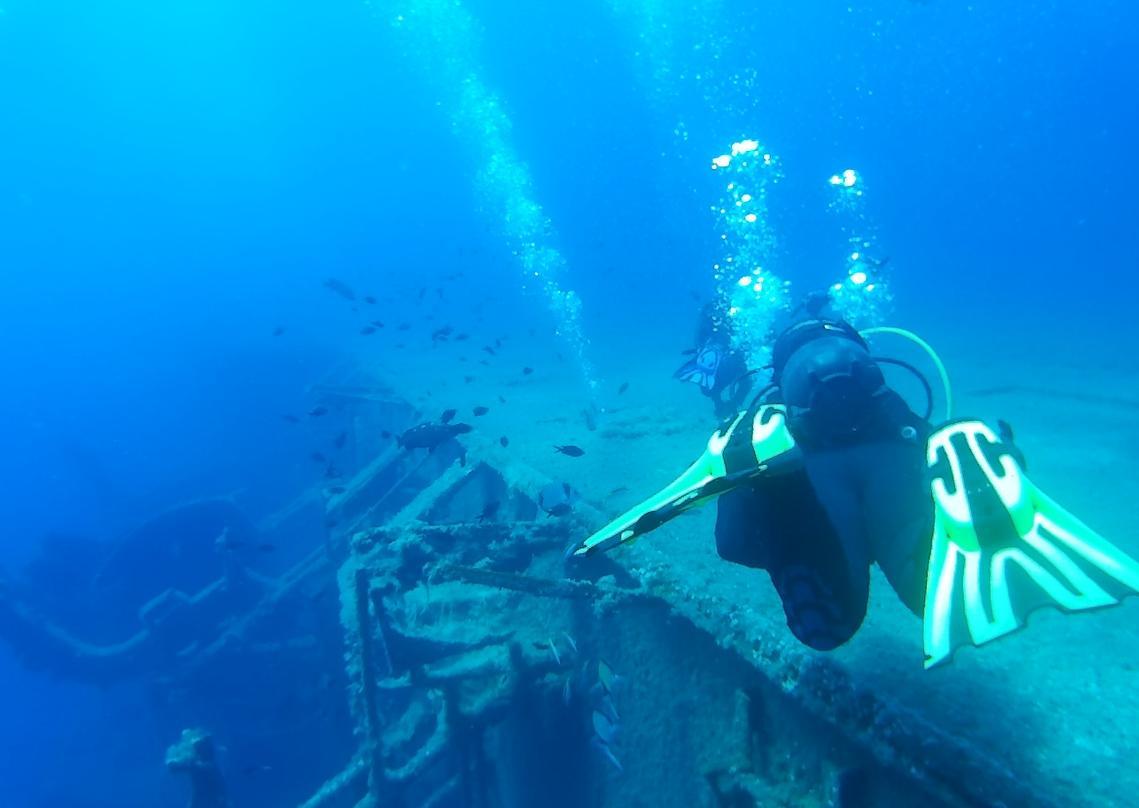
The ferry sank in 1980 — fortunately without casualties—and within a few years became one of the Mediterranean’s most famous and fascinating dive sites for highly experienced divers. The maximum dive depth is 42 meters, and the ferry itself is 170 meters long, so exploring it fully in a single dive is impossible.
Underwater Experience
The most intriguing part is not only swimming around the ferry, but also venturing inside. Divers can explore:
- multiple cargo holds, the captain’s bridge, cafeteria, medical room, engine room, and more;
- an air pocket and routes through ventilation shafts;
- sunken trucks, a forklift, and even a classic Lada “kopeyka” (the ferry was transporting vehicles);
- rich flora and fauna that have turned the wreck into a thriving artificial reef.
Interesting fact: With good visibility and calm seas, the wreck can sometimes be seen from an airplane approaching Larnaca Airport.
How to Get There & Practical Advice
Dives are conducted from a boat as part of an organized group. Only experienced divers are accepted, as the minimum depth is 16.5 m and the maximum 42 m. In addition, moving through the ferry often involves narrow, dark, and confined spaces, which can trigger claustrophobia. For this reason, diving the Zenobia is recommended only for those fully confident in their skills and properly trained.
The Complete Guide to Snorkeling in Cyprus
Diving and snorkeling in Cyprus are about much more than colorful fish. Artificially and naturally submerged sites, historical artifacts, and unusual natural locations all attract those eager to explore the underwater world. Still, there are a few important things to keep in mind.
Best Time and Season for Snorkeling
The snorkeling season in Cyprus runs from late May through October. During this period, strong winds and high waves are rare, and the sea is at its warmest, clearest, and calmest.
It’s also important to consider water temperature. The warmest months are July, August, and September.
Month | Min temp (°C) | Max temp (°C) |
Late May | 21°C | 23°C |
June | 23°C | 25°C |
July | 26°C | 28°C |
August | 28°C | 29°C |
September | 26°C | 28°C |
First half of October | 24°C | 26°C |
Gear Checklist: What to Bring
Equipment can be rented on site, although more experienced snorkelers often prefer their own gear. What you’ll need at any spot:
- Mask and snorkel
- Fins — optional for easy locations
- Water shoes (if not using fins) — to protect against sharp rocks and sea urchins
- Sun protection: SPF 50+ sunscreen or a lycra/rash-guard suit — the sun in Cyprus is very strong, especially in May–June
You can rent equipment locally if the spot is equipped and has a water sports center. Another often more convenient option—with wider choice—is renting through online platforms.
Safety Comes First
Snorkeling in Cyprus is considered one of the safest in the Mediterranean, but the sea does not forgive carelessness. Following basic rules will help you enjoy the experience and avoid trouble:
- Never snorkel alone, even at easy and popular spots
- Assess weather conditions carefully—wind, waves, and currents matter more than any plans
- Use a swim buoy, especially in areas with boat traffic
- Do not touch marine life or try to get too close
- Enter and exit the water wearing water shoes, even on sandy beaches—this helps avoid sea urchins
- Don’t swim too far from shore if you’re unsure of your abilities
- Always carry water and sun protection
Most dangerous situations arise from overestimating one’s own abilities. If you’re a beginner, choose equipped beaches and calm bays, leaving more challenging locations for another visit. When in doubt, consult local instructors or staff at water sports centers.
Snorkeling in Cyprus is pure enjoyment. The variety of underwater landscapes makes every swim a real adventure, with companions ranging from colorful fish to octopuses and protected sea turtles. The island offers spots for complete beginners as well as for true pros.
Read also:
- Liquid Apartments in Cyprus — Selection Criteria, Areas, and Tips for Investors
- Taxis in Cyprus: Apps, Prices, and How to Book
- 15 of the Largest Projects in Cyprus in 2025
- Old Bridges of Cyprus: The Most Atmospheric and Photogenic Places
- Spending the Winter in Cyprus — The Best Cities for Living and Working