
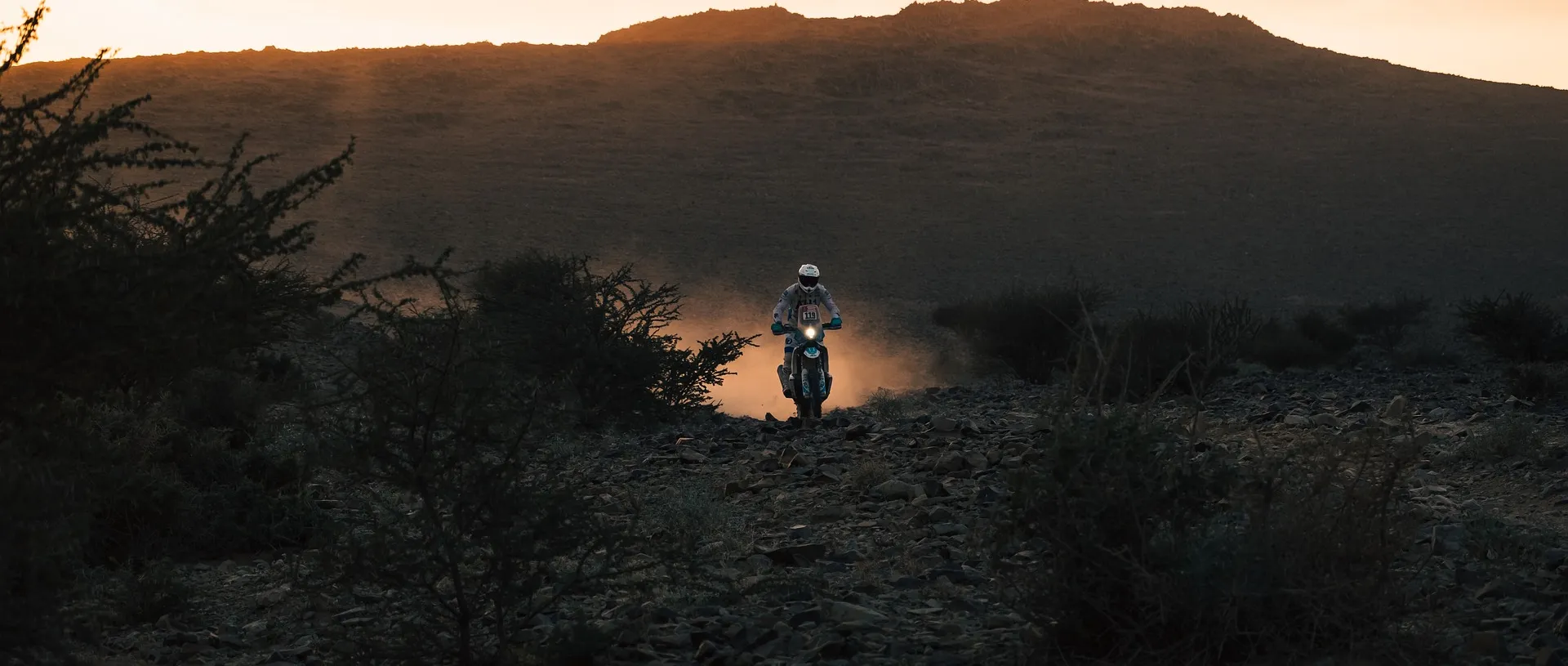
Cyprus doesn’t have snowy winters—which means it’s suitable for motorcycle trips year-round. That’s the first thought that comes to mind when you first learn about the island. And for the most part, it’s true—with the exception of a few important details. Cyprus’s climate can be both an asset and a hindrance when it comes to riding a motorcycle year-round.
In this article, we’ve compiled reviews and recommendations from experienced motorcyclists on the DOM team. Their comments will be highlighted in the text.
Motorcycles in Cyprus: What You Need to Know
Motorcycles offer a whole range of advantages that a regular car simply can’t match. And in Cyprus, these advantages are particularly noticeable:
Mobility. A motorcycle takes up less space, which makes parking and long-term parking easier.
Maneuverability. You can bypass traffic jams in major cities (Nicosia, Limassol) instead of getting stuck in them. Outside the city, you can navigate narrow or rough roads.
Lower fuel consumption. Cyprus has the cheapest gasoline in the EU (as of 2026); nevertheless, the savings are still significant.
Cost-effectiveness. Motorcycles are not only cheaper to refuel but also to maintain. Overall, two-wheeled vehicles themselves cost less, especially when considering mid-range models and used vehicles.
In addition to obvious drawbacks—such as “you can’t take the whole family on a motorcycle”—there are factors specific to Cyprus as a southern island:
Summer heat. Unlike a car, a motorcycle isn’t equipped with air conditioning. And you won’t be able to go for a ride in shorts and a T-shirt: protective gear is always mandatory, even if it’s 40°C outside. Also, you can’t leave your motorcycle in direct sunlight—not all parking lots in Cyprus are properly shaded.
Dust. During dust storms (which are rare but do occur), riding on a motorcycle can be not just unpleasant but hazardous to your health.
Traffic intensity. On city roads, there’s always the risk of encountering a distracted driver. And in general, Cyprus can’t boast of orderly and super-safe traffic conditions.
Snow in the mountains. It snows in the Troodos Mountains in winter, which means not every vehicle will be able to make the trip. You need to keep a close eye on the weather and avoid traveling in adverse conditions.
Left-hand traffic. Finally, driving on the left side of the road can be challenging at first. It takes time to feel confident on the road.
In most cases, a motorcycle in Cyprus is a secondary mode of transportation, not the primary one. Every Cypriot owns a regular car to meet the family’s needs, while a motorcycle serves as a hobby for free-spirited, scenic, and convenient solo rides.
What all experienced motorcyclists in Cyprus agree on: it’s important to pay close attention to other road users in the city. Cypriot drivers often forget to use their turn signals and may change lanes abruptly.
Features of Riding a Motorcycle in Different Cities of Cyprus
Limassol
Roundabouts are a hallmark of Limassol’s roads. At first glance, they may seem intimidating, especially with the unfamiliar left-hand traffic. But once you get used to them, it becomes clear: roundabouts are convenient and significantly ease traffic congestion.
Tip! At a roundabout, the right of way belongs to those already on the roundabout.
Traffic in Limassol is a key feature. Rush hour in the city center and at the city entrance is truly intense. Traffic is less heavy during other hours, but motorcyclists need to understand that they’ll have to pay extra close attention to the road.
Kirill, who has been riding motorcycles since childhood, has many years of experience riding specifically in Limassol: Drivers in Limassol are generally courteous and willing to yield the right of way. There are no parking problems. Traffic jams have become more common in recent years—but they’re easier to navigate on a motorcycle.
Nicosia
Nicosia is very similar to Limassol in terms of its bustle: the same rush hours, the same traffic jams, and the same intensity of traffic. There are roundabouts as well.
Notable features of the capital include:
A large number of paid parking lots.
Traffic jams are most noticeable in the city center and between neighborhoods, as well as when leaving the suburbs in the morning and leaving the city in the afternoon.
A fair number of one-way streets.
Vitaly uses his motorcycle for both everyday trips and mountain rides: It’s comfortable to ride around Nicosia; the roads here are good. It’s easier to navigate traffic and find parking on a motorcycle.
Larnaca and the East Coast
This is perhaps one of the most comfortable cities for getting around on two wheels. The suburbs are also a pleasure: the slight elevation doesn’t pose any problems when going up or down hills, and you can feel very free and safe.
Ayia Napa and Protaras are small towns with low population densities, so they don’t have problems with heavy traffic either. The terrain here is flat, and you can easily get around on a motorcycle anywhere.
Especially since there’s no shortage of beautiful and interesting places (but more on that in the section below).
Florin, who’s been riding for 27 years, repairs his bike himself and “unwinds” from everyday life on his motorcycle: The driving style is similar in all of Cyprus’s towns. It’s calmest in Ayia Napa, and the routes here are fairly straightforward.
Paphos and Western Cyprus
The western coast of Cyprus is a narrow strip of flat land that gives way to a mountainous landscape if you head slightly eastward. Any road outside of Paphos or Peyia itself is winding and requires special concentration and driving skills. But the initial challenges are well worth it for the magnificent views.
Paphos itself is pleasant because there isn’t too much traffic. You can feel rush hour, but it’s nothing like in Limassol or the capital: there are fewer traffic jams, and you can easily navigate around them without breaking any rules.
Our motorcyclists’ opinion: one of the most beautiful routes for a motorcycle trip is the west coast from Limassol to Paphos.
The Troodos Mountains
The mountains of Cyprus are a very picturesque place. Coniferous forests, beautiful roads, numerous viewpoints, waterfalls, and authentic villages with taverns… You can truly ride here endlessly and discover something new every time.
But the mountains are a high-risk area due to the terrain and sudden changes in weather. Here’s what you absolutely need to know:
the season in the highlands runs from March through December, and snow falls on the roads in winter;
During heavy rains, some roads get washed out, and landslides sometimes occur—at such times, the roads are closed to all vehicles except those with four-wheel drive;
Some routes are closed to small-displacement motorcycles;
it’s better to tackle many routes on an enduro motorcycle rather than a standard one.
Fog can occur on mountain roads, reducing visibility to nearly zero. This, too, is a serious hazard. Overall, everything depends on the weather, which is unpredictable in the Troodos Mountains. If you have even the slightest doubt about the weather forecast, it’s best to postpone your trip until conditions improve.
Tip! It’s always cooler in the mountains than on the coast, especially in winter. Keep this in mind when choosing gear for your trip.
Routes Worth Taking by Motorcycle
Our motorcyclists have chosen fairly popular and straightforward routes, some of which are even suitable for beginners. We asked our respondents to share what they consider to be the best options:
Kurion to Paphos via the old road (chosen by Kirill and Florin). It’s worth heading from Kurion toward Paphos along the old road; the best time to do this is closer to sunset. It’s at this very moment that the sea and sky take on a special beauty. The route is very well-suited for beginners, as it has good road surface and doesn’t require advanced driving skills.
From Paphos Airport to Pano Panayi (Florina’s choice). A very beautiful and peaceful road; the ideal time for this trip is early morning, when the roads are quiet and free of traffic, and the heat hasn’t yet set in.
Limassol to Agros (Kirill and Florina’s choice). If you’d like to swap the coast for mountain roads, a trip to Agros is worth considering. It’s an easy route that will delight you with picturesque mountain views. And the village of Agros itself will reward you with delicious food and a unique sense of coziness. For this trip, be sure to check the weather and plan an early departure.
Off-road riding is a topic all its own. We have an extensive article dedicated to enduro riding in Cyprus, which details routes for both beginners and pros.
Practical Tips: Gear and Maintenance
It’s best to start with gear, because that’s exactly what you might be tempted to skip in the intense Mediterranean heat. But that’s exactly what you shouldn’t do—and it’s not just about safety, but also about comfort.
A good choice for summer:
thick linen pants or lightweight jeans;
a special top with breathable mesh panels, made of high-quality knit fabric, with long sleeves to protect against sunburn under the Cypriot sun;
high-quality, breathable shoes;
a summer helmet with large air vents;
perforated leather or suede gloves.
In winter, it’s always a good idea to carry a raincoat. Rain in Cyprus isn’t particularly heavy, but it can come on suddenly.
Our motorcyclists’ opinion: a helmet and gloves are essential protective gear. Specialized gear is required for off-road riding and extreme riding (enduro).
You don’t need to “store away” your motorcycle for the winter in the usual sense: it will be in constant use. You’ll need to find a good cover for it that serves two purposes at once: reflecting the sun’s rays and protecting against overheating—and shielding it from the rain.
Tip! Even in good, cool, and dry weather, you shouldn’t leave your motorcycle uncovered. A dusty wind could pick up, which won’t do your bike any favors. There’s also a risk that stray animals could damage the leather parts.
Motorcycle maintenance in Cyprus isn’t all that expensive. The average annual cost of maintenance is 3,000–5,000 euros. This amount may be higher or lower depending on:
the age of the motorcycle and, accordingly, the condition of its individual parts;
how often you ride;
terrain—wear and tear is much less in the city than off-road;
the intensity of riding and the level of extreme riding: for example, tires on an enduro bike will need to be replaced much more often than on a city bike.
According to reviews, the biggest expense is replacing major parts, which must be ordered from off the island.
Alexander, a fan of enduro and hard enduro, rides year-round in various parts of Cyprus: Some parts are easy to find, while others have to be shipped from the mainland. Delivery can take up to two months.
Sometimes motorcycle enthusiasts prefer to do their own repairs—at least the minor ones. For vehicle inspections and major repairs, it’s best to go to official dealers. Trusted mechanics are worth their weight in gold.
Martin, who gets his bike serviced at an authorized dealer: Finding a good mechanic is like finding the right doctor: a lot of things have to click for trust to develop.
Advice for Beginners from Experienced Motorcyclists
Seasoned motorcycle enthusiasts from the DOM agency have shared their recommendations with those who are just about to get on a bike:
Be sure to take a training course: when riding a motorcycle, you’re putting your health at risk if you ride carelessly, and these risks need to be minimized.
Before buying a motorcycle, it’s worth talking to an experienced rider and a mechanic.
Don’t start with a large motorcycle. An engine displacement of around 400 cm³ is a good starting point; you can move up to a larger displacement later if necessary.
Buy all the necessary gear—without it, the risks increase.
Choose a motorcycle that suits your preferences and riding conditions: paved roads or off-road.
Enjoy every ride: take in the scenery and sights.
Speed isn’t always the top priority. It’s better to focus on comfort and your own experience.
A motorcycle ride isn’t a race—it’s a way to experience excitement. Motorcycle tours are a real revelation for those who want to see Cyprus from a different perspective… and learn something new about themselves along the way.
Conclusion
Cyprus offers motorcyclists a wealth of opportunities: in the cities, good roads allow you to use a motorcycle as your primary mode of transportation, while out in nature, every route delights with its scenic beauty and ease of travel. Owning a “two-wheeled steed” is practically hassle-free: parking is available everywhere, there’s no need to store it for the winter, and maintenance and repairs are reasonably priced.
We hope you found this article helpful and inspiring! If you have any questions, feel free to ask them in the comments or on our social media pages.