Some travelers believe that Greece and Cyprus are quite similar. Two Mediterranean countries with a warm climate and an interesting blend of European and Balkan cultures. Even the language seems almost the same!
In reality, choosing just one (Greece or Cyprus) is not so easy for two reasons. First, the countries differ significantly when you look more closely. Second, both destinations are extremely diverse in terms of nature, mentality, and historical and cultural heritage. Ideally, it’s worth visiting both Cyprus and Greece (the islands and the mainland), as one does not exclude the other.
Climate
Both Cyprus and Greece have a Mediterranean climate, which means a long swimming season and warm, almost snowless winters. However, it’s important to note that the weather differs between mainland Greece and its islands. On the mainland, the beach season starts earlier — around May–June — while on Crete, Rhodes, and other islands, the sea warms up sufficiently only by July.
Compared to Greece, Cyprus has a hotter and sunnier climate:
- the island lies further south, so warmth arrives as early as April;
- the beach season begins in May;
- there is less rainfall and more sunny days in winter;
- there are fewer cold winds throughout the year.
However, Cyprus also has one notable downside in terms of weather: July and especially August can be excessively hot for many people. For this reason, travelers with certain health conditions may prefer to visit Cyprus in other months.
People
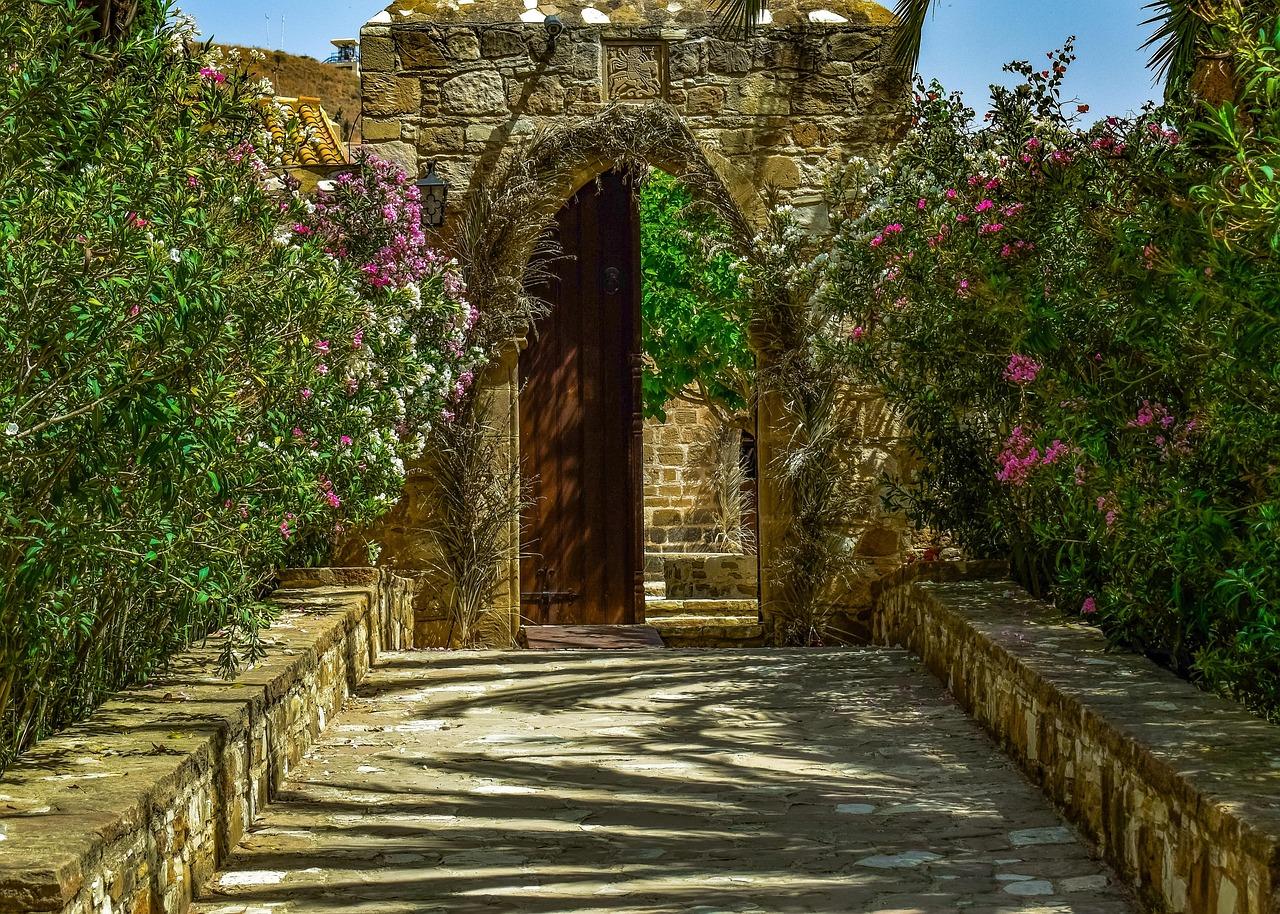
If you call a Cypriot a Greek, they might take offense. That’s because the two cultures last shared a truly common origin about two thousand years ago. While modern Greeks are direct descendants of the Hellenes, Cypriot history is rich in cultural mixing. Over the centuries, the island was ruled by Byzantines, Venetians, Ottomans, and the British, and even attracted Phoenician influence. Each culture left something behind as part of the Cypriot identity.
In addition, people in Cyprus do not speak standard Greek, but a local dialect. The country’s second official language is Turkish, especially in the northern part of the island (the TRNC). At the same time, most of the population speaks English fluently. One could say English is an unofficial, yet widely used, second language.
The mentality of Greeks and Cypriots is similar. They are hospitable, friendly people who dislike rushing and prefer to enjoy life. They devote a lot of time to good food and simple pleasures. Cypriots tend to be more family-oriented, while Greeks live at a more European pace, especially in large cities.
Cuisine
It’s impossible to say with complete certainty where the food is better — in Cyprus or in Greece. Greek cuisine is especially appealing to seafood lovers, while meat lovers often favor Cypriot dishes. In both Mediterranean countries, there is always plenty of delicious food for those who eat neither fish nor meat. Local vegetables and fruits are available year-round at very attractive prices. Vegetarian cafés and shops are easy to find in both Cyprus and Greece.
Signature dishes common to both countries include:
- moussaka;
- tzatziki in Greece / talatouri in Cyprus;
- Greek salad, which both Greeks and Cypriots call horiatiki (literally “village-style”);
- meze — not so much a dish as a way of serving food as a large assortment;
- dolmades in Greece / koupepia in Cyprus — essentially the same dish;
- loukoumades — sweet dough balls drizzled with honey.
Greece is famous for its unique feta cheese, while Cyprus produces halloumi. Halloumi is particularly special because it can be grilled — and becomes even more delicious when cooked that way!

Resorts and beaches
To avoid favoring one side, it’s best to compare resorts in Greece vs Cyprus as follows:
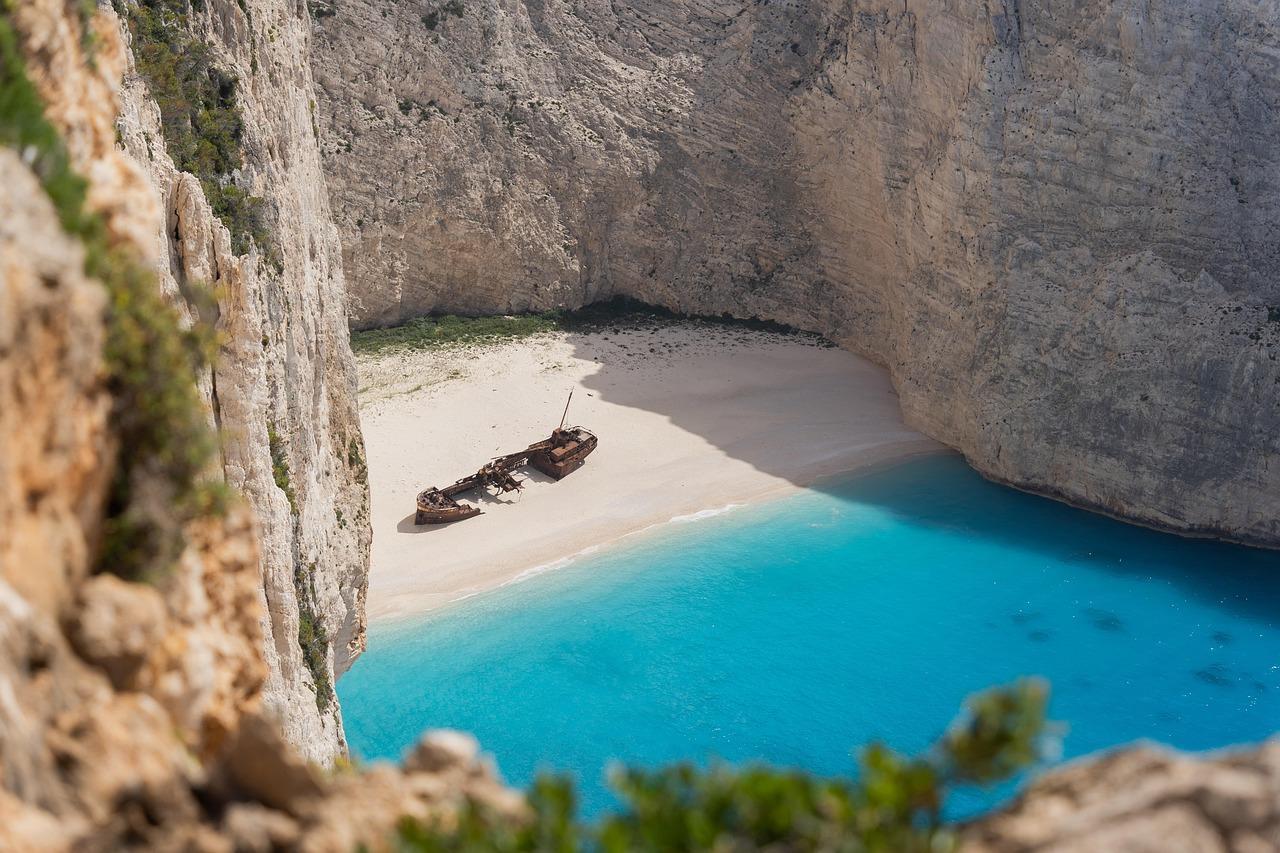
- Greece covers a much larger area, so it offers a greater number of beaches and more variety overall.
- Cyprus is small, but the density of excellent beaches is significantly higher, especially in the northern and eastern parts of the island.
Beaches in Greece can differ greatly in terms of when the season starts and ends, infrastructure, and overall atmosphere, whereas Cyprus is more uniform in this respect.
Tip: In both countries, all beaches are municipal, which means anyone can visit them free of charge.
Attractions
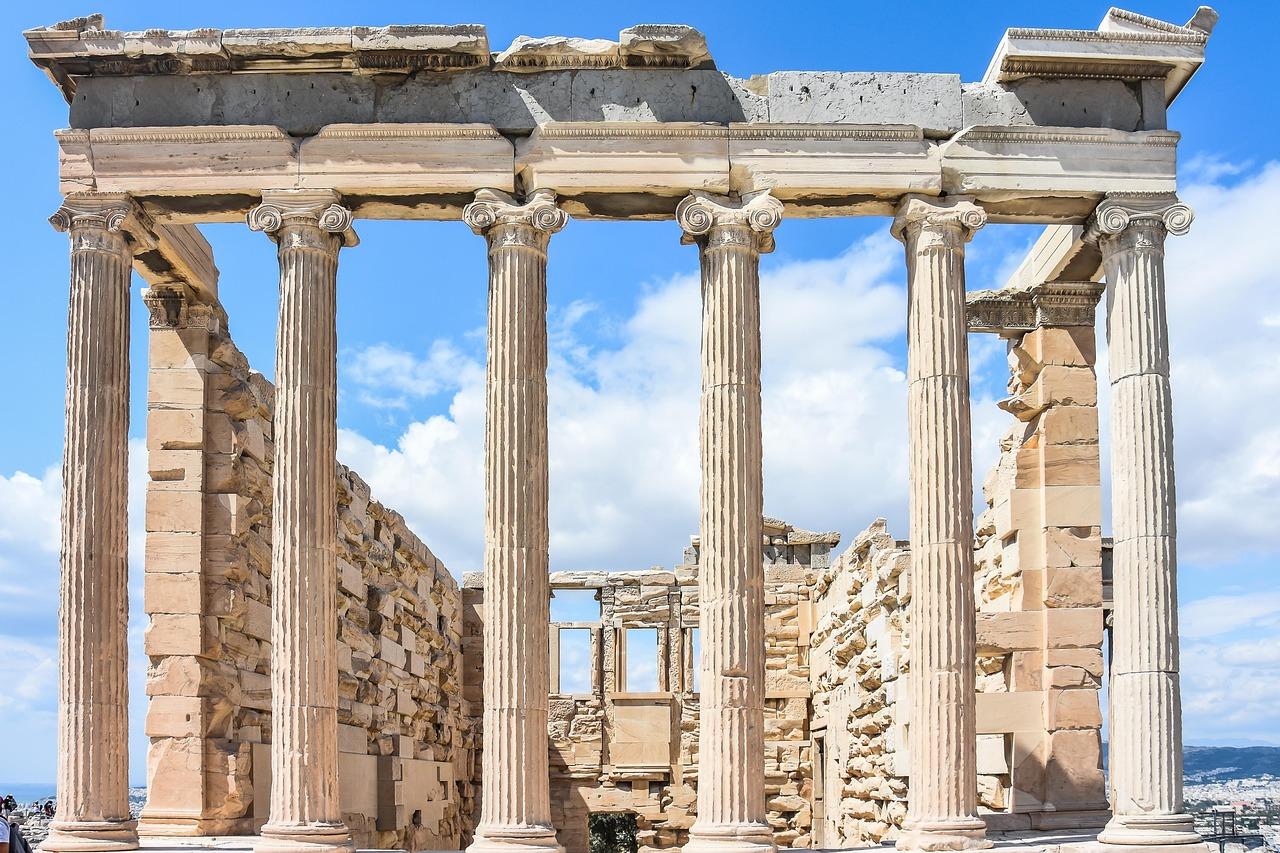
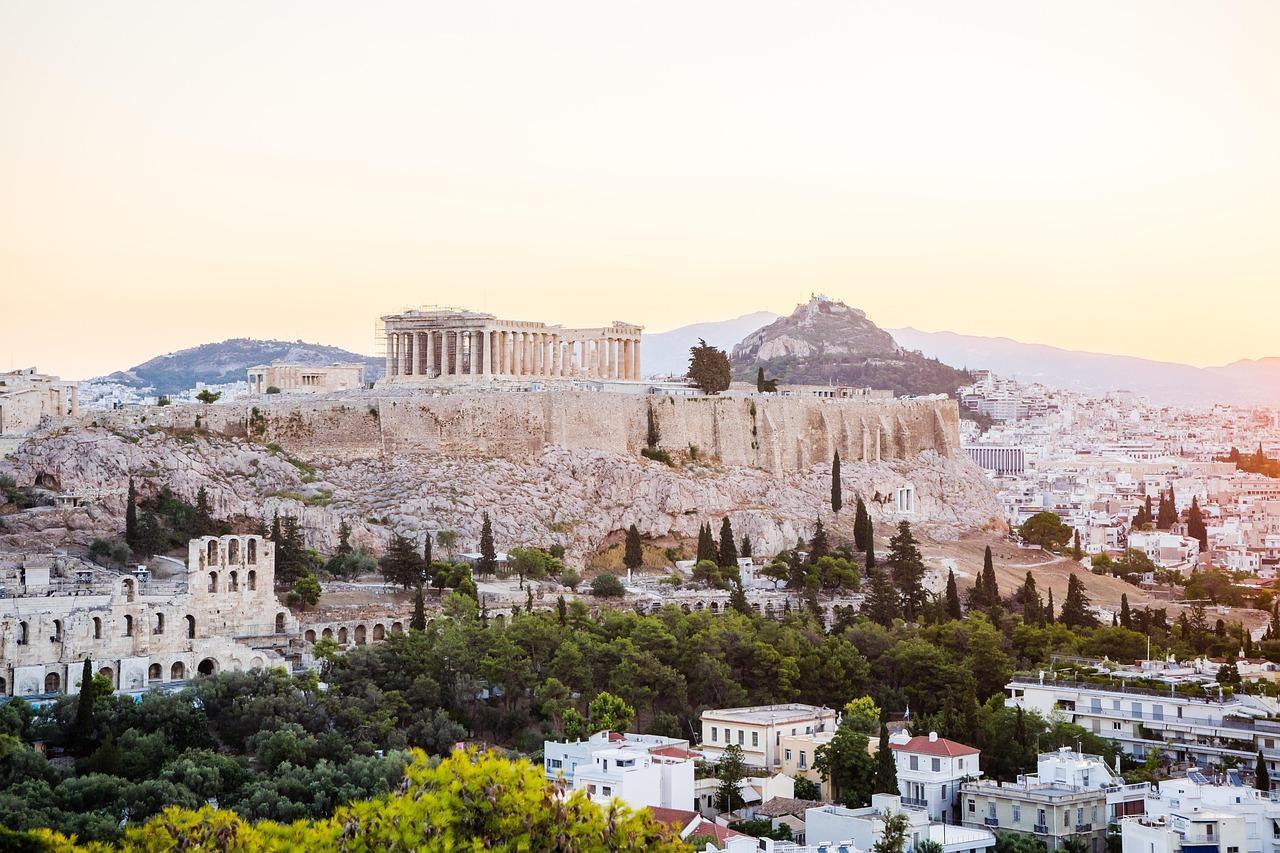
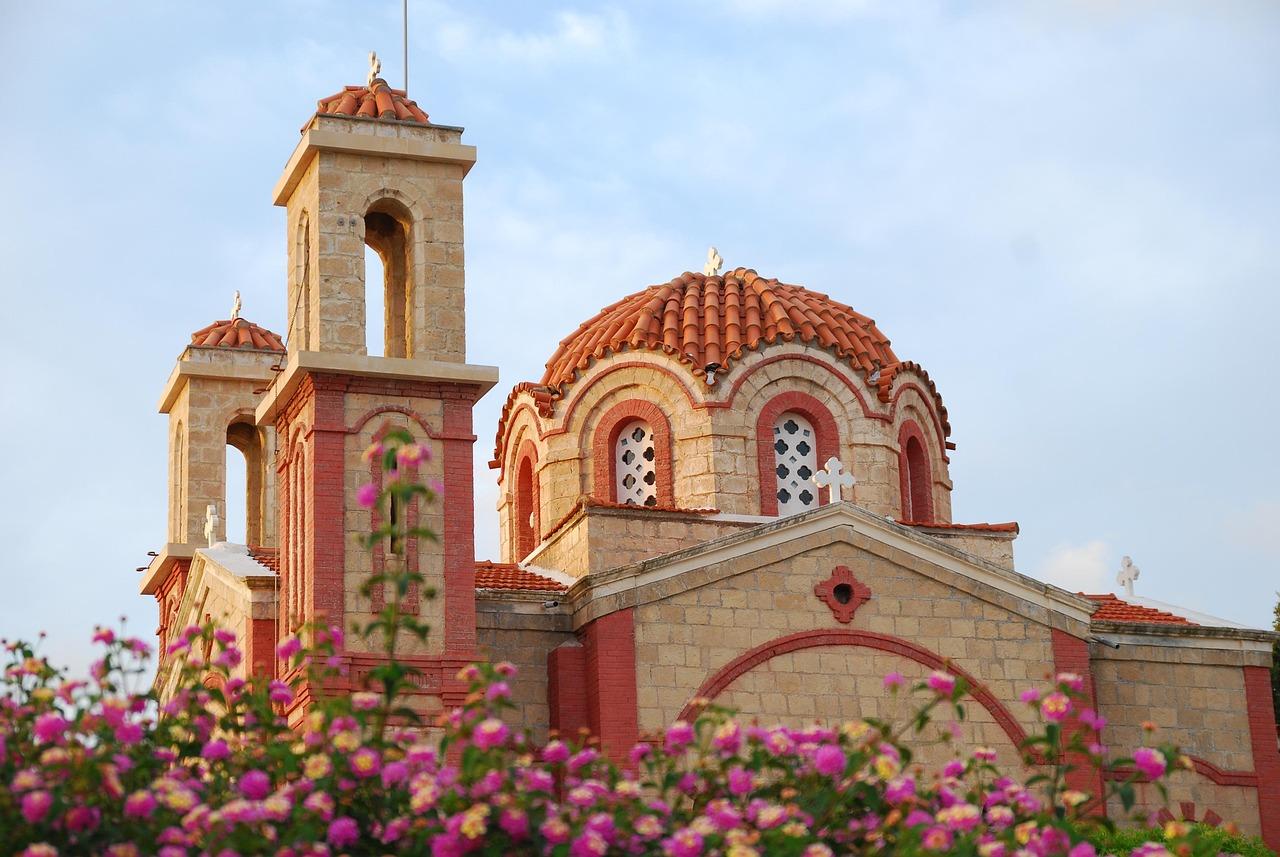
It’s logical to assume that a larger territory offers more attractions. In this regard, Greece has the advantage, especially for travelers whose main goal is sightseeing rather than beach relaxation. Cyprus is more modest in terms of ancient landmarks, although it still boasts ancient settlements, Roman mosaics, remnants of classical temples, and old Byzantine churches. Naturally, it’s impossible to see them all in just one vacation.
Interestingly, despite its small size, Cyprus has a history no less rich than Greece’s. You simply need to look a little deeper to discover its true treasures.
Cultural life and entertainment
Cyprus does not have true megacities: even Nicosia (the capital) and Limassol do not reach a population of one million. Greece, on the other hand, has at least two megacities — Athens and Thessaloniki. As a result, cultural life in Cyprus is more seasonal. In winter, it can be difficult to find large-scale entertainment and major events. While there are plenty of leisure options on the island year-round, Cyprus is best visited in summer if you’re seeking active entertainment.
Tip: During the high season, Ayia Napa and Paphos become the main party destinations in Cyprus. In the off-season, it’s more practical to head to major Greek cities for a richer cultural experience.
Transport
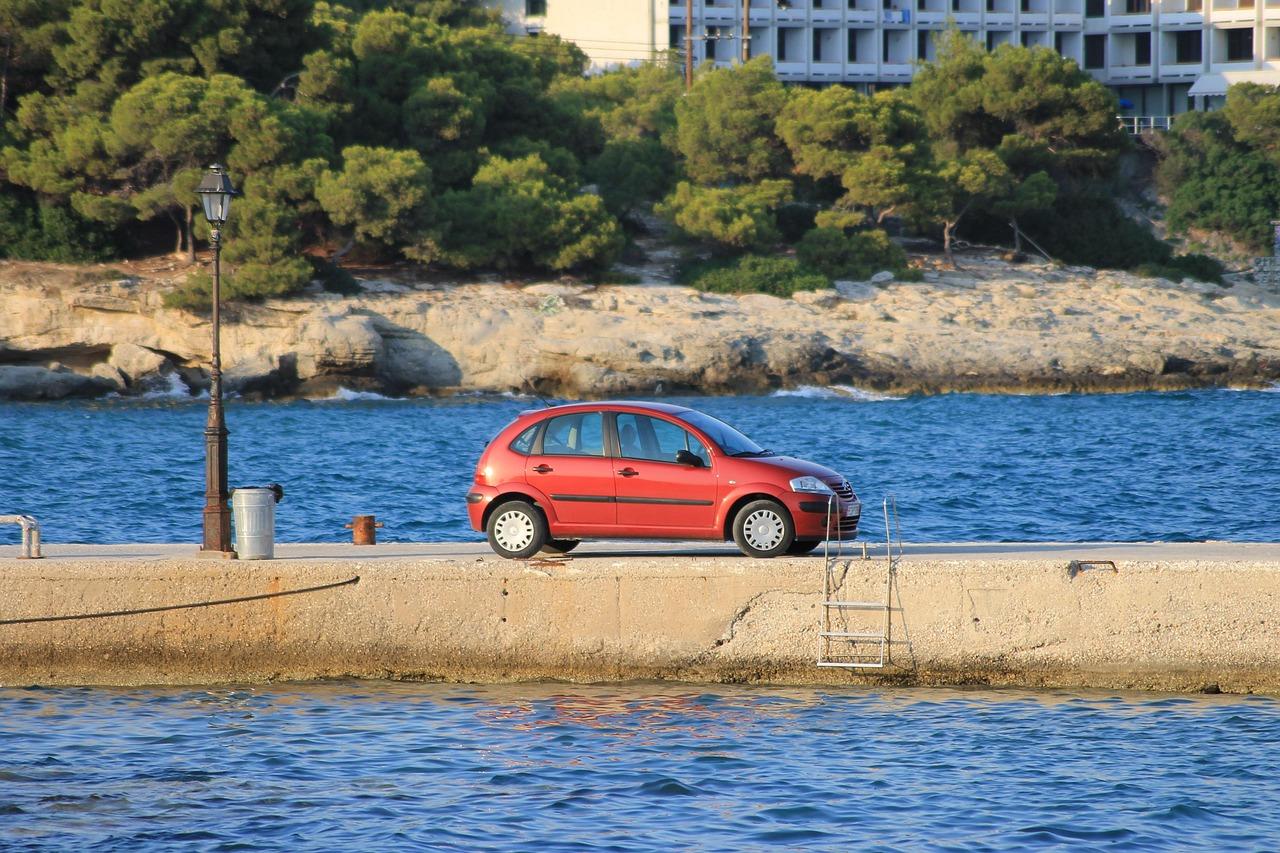
Mainland Greek resorts have a well-developed transport network. Tourists can move around easily and inexpensively using public transport, without needing to budget for taxis or car rentals. On the Greek islands and in Cyprus, it’s best to rent a car right away to avoid relying on buses, which are infrequent and not always convenient. Taxi services in both countries are relatively expensive.
Of course, transportation is less important for travelers staying in a hotel and planning to go only between the hotel and the beach. For more active travelers, however, this factor is very relevant.
Cost of a vacation
Probably every traveler would like to know where it is cheaper to holiday: in Cyprus or in Greece. Unfortunately, it is impossible to make a truly reliable price comparison, because the total cost of a trip depends on too many factors. It’s difficult to do even within a single country (for example, how do you compare prices in Limassol and Paphos?), let alone between two different countries.
The easiest way to determine which trip will be cheaper is to create a checklist of your preferences and then look at package tour prices that meet those requirements. Comparing independent travel options is even more complicated — realistically, matching logistics, accommodation, food, entertainment, and countless small expenses is nearly impossible.

Conclusion: Greece vs Cyprus
You should go to Greece if you are looking for:
- rich cultural experiences and large-scale sightseeing;
- diverse landscapes and thoughtful hiking;
- budget-friendly travel in the off-season;
- world-famous landmarks from the Hellenistic (and other) eras;
- windsurfing (on specific islands and coastal areas).
You should go to Cyprus if you are looking for:
- off-season (winter) vacations with plenty of sunshine;
- peace and tranquility outside the high season;
- a holiday where you can “fit everything in at once,” from a ski resort to the beach;
- summer party life in Ayia Napa;
- agritourism experiences.
Comparing Cyprus and Greece directly is simply not feasible: these are two different countries with their own prices, characteristics, resorts, and visa rules. The choice should be based on personal interests. For example, a party lover may find wandering around the ruins of Athens boring, while an avid traveler might find Cyprus too small. Both countries are wonderful, and the editors’ opinion is clear: it’s best to visit both — and only then draw your own conclusion.
Read also:
- Christmas and New Year in Cyprus — where to go and what to do
- Taxis in Cyprus: apps, prices, and how to book
- Top 10 new developments in the free areas of Famagusta to be delivered by 2026
- Old bridges of Cyprus: the most atmospheric and photogenic places
- Wintering in Cyprus — the best cities for living and working