so you can spot them about onceMany excursions promise that in the turquoise waters of Cyprus you can see protected sea turtles, dolphins, and even whales. Is that really true? Yes, dolphins do indeed swim to the shores of Cyprus from time to time, and in different locations around the island. Most often these beauties are seen in the southeast of the island. As for whales, that is a very rare, almost unique event.
Dolphin watching: the most realistic chance to encounter cetaceans in Cyprus
You can encounter dolphins in Cyprus, especially if you sail farther away from the coast. You can do this on any vessel or as part of a special group excursion. Of course, sometimes these beautiful marine animals swim quite close to ports, and you can spot them from city beaches—but that happens rarely, and you may not see the miracle at all during your entire vacation.
Which dolphin species live permanently off the coast of Cyprus?
Here is a short overview of four dolphin species that are definitely found off the shores of this Mediterranean island. Each has its own distinguishing features, so it will be easy to tell them apart even for a casual observer.
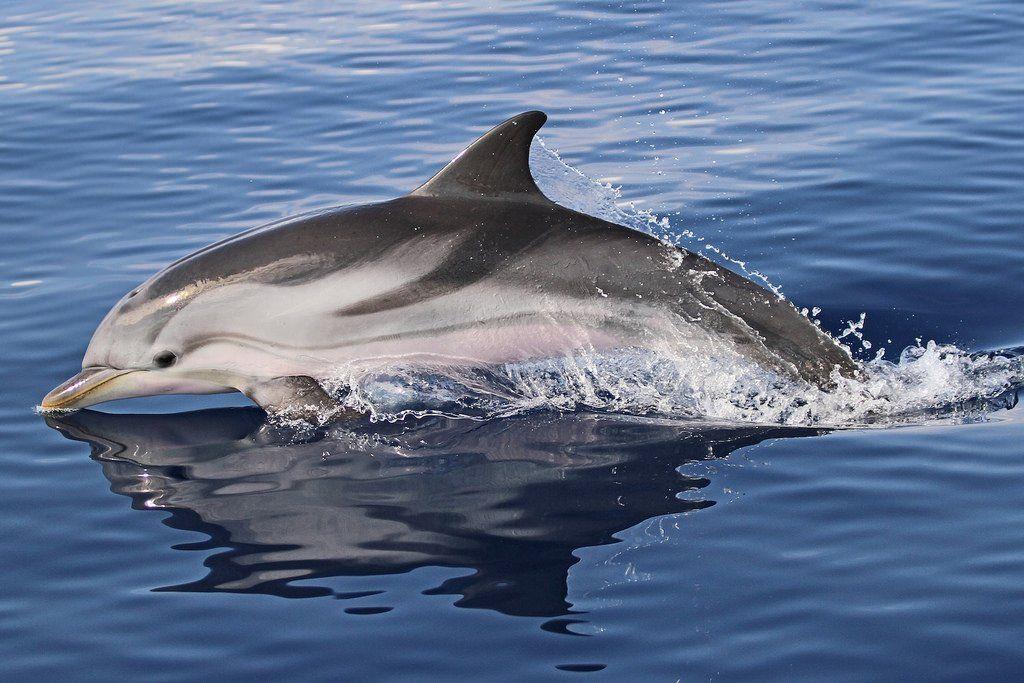
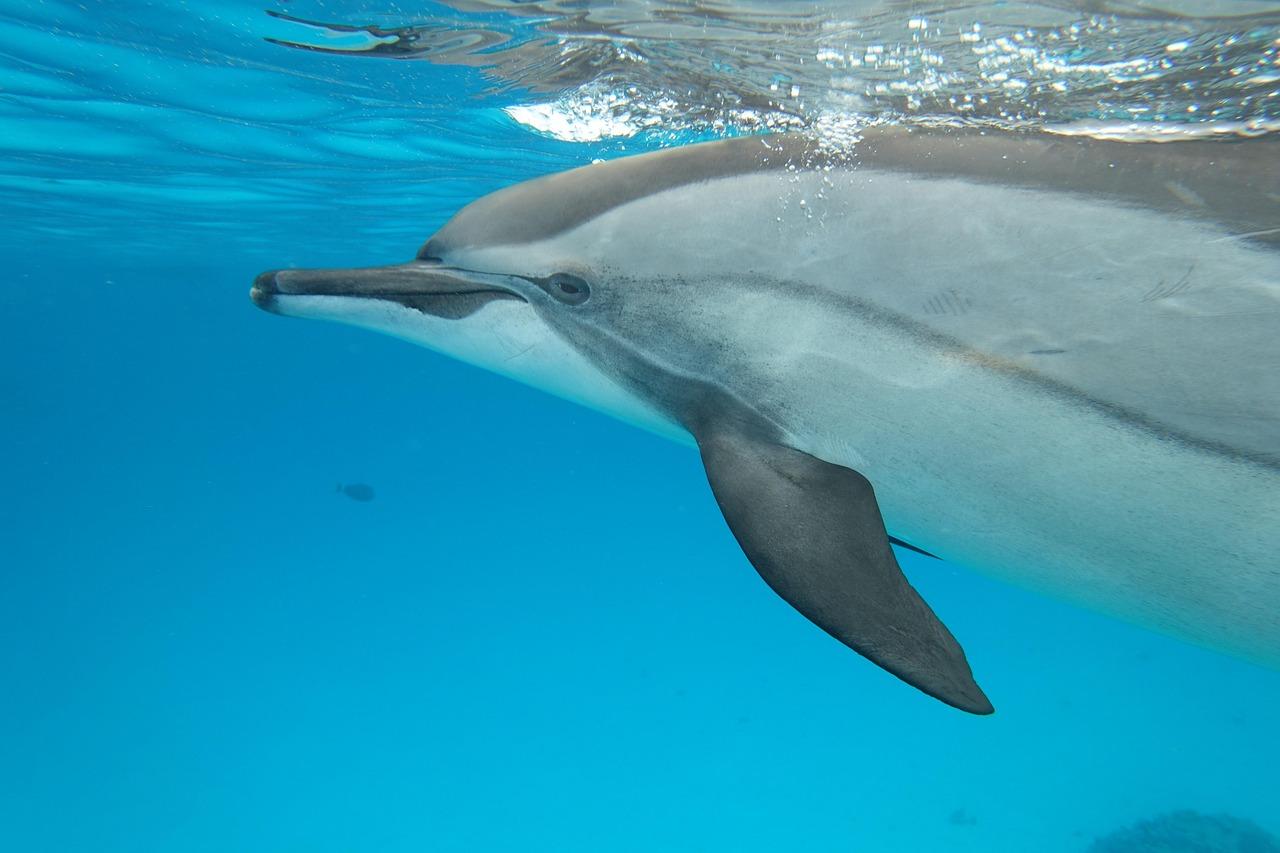
1. Striped dolphin, Lat. Stenella coeruleoalba. A rather small representative of its family. It reaches about 2.5 m in length. Females are usually slightly smaller than males, but it is almost impossible to notice with the naked eye. Striped dolphins have a dark back, a light belly, and clearly visible stripes along the sides. They feed mainly on squid and octopuses, which are also quite common around Cyprus.
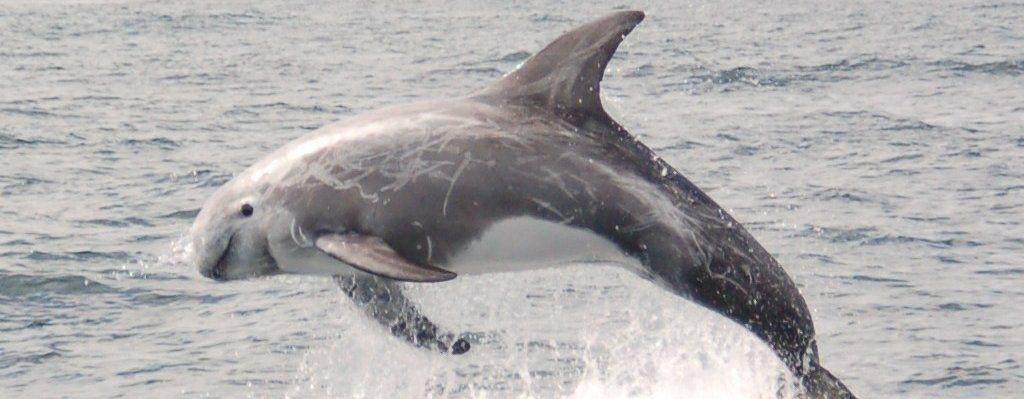
2. Risso’s dolphin, Lat. Grampus griseus. A large beauty with a body length of up to 4 m! It looks quite exotic: the light-gray body seems covered with scratches, and in fact these are scars that, for some reason, heal in that way. This dolphin is also notable for the lack of an elongated “nose” (the correct term is a beak): it has a rounded, prominent forehead. Another identifying feature is a fairly large dorsal fin.
Interesting! Risso’s dolphins can also be seen in Russia, but only near the Kuril Islands.
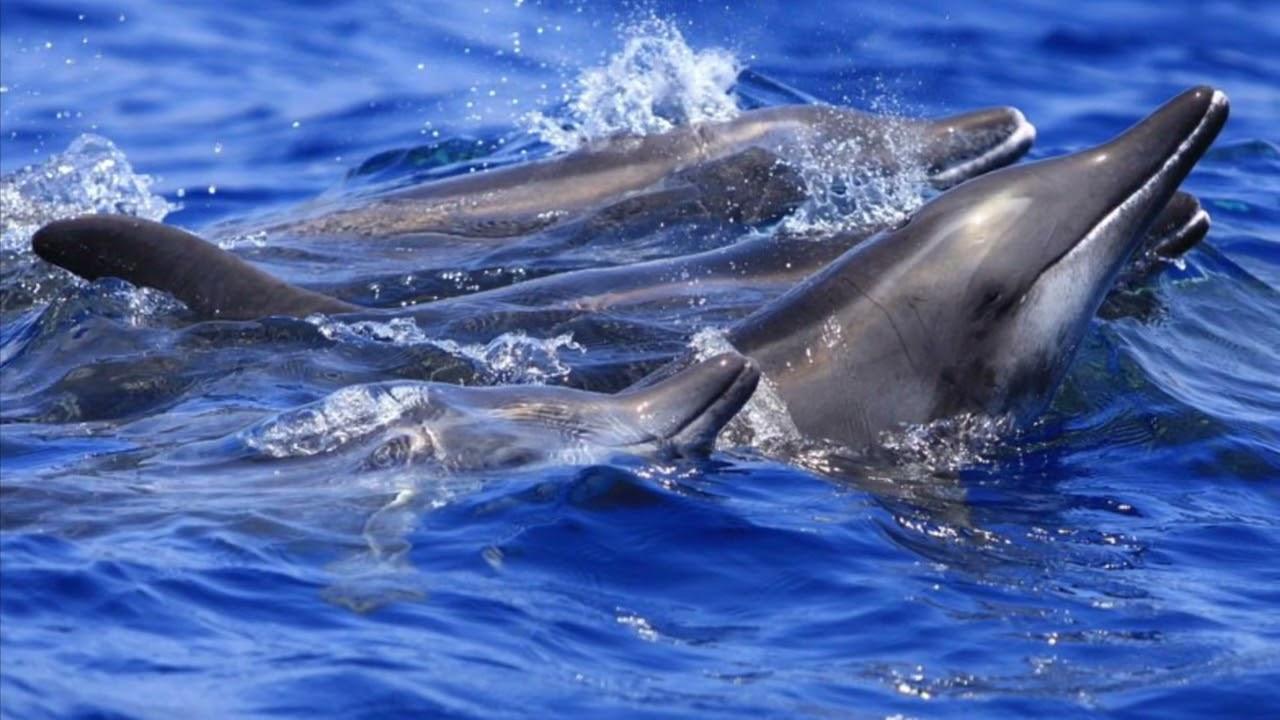
3. Rough-toothed dolphin, Lat. Steno bredanensis. Another relatively small species: its body is 2–2.8 m long. It is easy to distinguish from other species: it has a very long beak and a very sloping, almost seemingly absent forehead. You can also notice white spots that look scattered across the dark-gray skin.
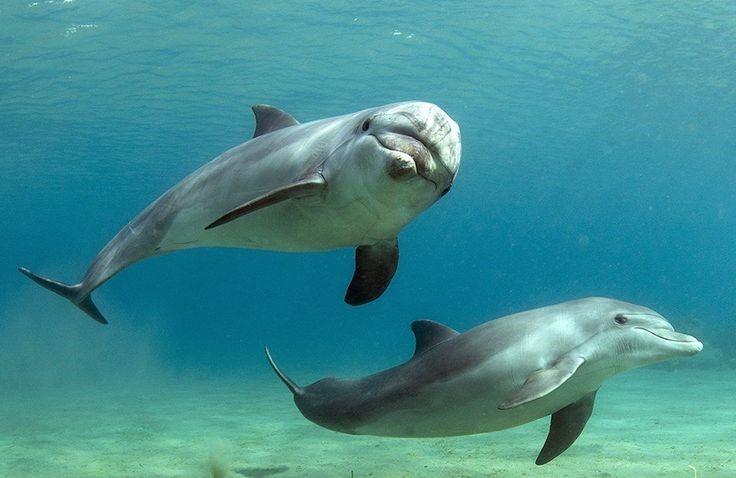
4. Bottlenose dolphin, Lat. Tursiops truncatus. Every adult who watched the TV series “Flipper” knows this dolphin. A medium-sized gray animal (about 3 m) has an even coloration and a characteristic, slightly flattened beak. The dorsal fin is not very large, but quite pointed.
TOP-5 locations to start a sea trip to see dolphins
The highest chance of seeing dolphins is on the southeast coast of Cyprus, that is, in the Famagusta—Ayia Napa area. Another great place is the Akamas Peninsula, which is a protected nature reserve. The clean waters around the peninsula are home to lots of unusual marine life, including dolphins.
- Cape Cavo Greco. One of the best locations to get acquainted with Cyprus’s marine inhabitants. Here you can find not only dolphins, but also sea turtles, octopuses, moray eels, and beautiful schools of various fish. Clear water guarantees excellent visibility, and it is also pleasant to swim here in summer.
- Ayia Napa. In season, sea trips of many different routes depart from here, including those dedicated to meeting marine wildlife.
- Akamas Peninsula. Great places to see turtles and dolphins are from Lara Beach to the Blue Lagoon. The sea here is very open, so many marine animals come here for food and even nesting sites.
- Paphos Port. In the Paphos area, people mainly go to see turtles, but dolphins are encountered here too. A variety of excursions depart from the city port, and some of them include sailing out into the open sea.
- Protaras. Different excursion boats head out to sea from this small town, and you can see dolphins from on board. Some bold individuals swim very close!
Sometimes dolphins also swim to Limassol and Larnaca. So you can encounter them on one of the sea trips there as well. But the probability is lower than in the list above, so for those eager to meet dolphins, it is better to choose proven locations.
Best time for watching
Dolphins regularly swim to the shores of Cyprus in the summer season from April to September. The peak of their feeding activity falls in the summer months, meaning that at this time, in proven spots, you can see them with an almost 100% probability.
In the wild, dolphins are usually active at night. That is why it is most convenient to watch them early in the morning. Of course, there is a chance to catch them in the evening too, but in Cyprus even in summer it gets dark early (around 20:00). And shining a flashlight at them… a strange idea, isn’t it?
Of course, you also need to consider the weather. Strong waves will prevent you from properly seeing dolphins, and heavy swells are unlikely to improve the sea trip. Usually the excursion is postponed by one or two days, but in general Cyprus almost always has good weather and calm seas.
How to choose an excursion: group tour vs yacht rental
If you are visiting Cyprus for the first time and do not know your way around very well yet, it is best to rely on experienced guides and buy a sea trip that includes wildlife watching. Renting a yacht or boat suits those who know the right direction well and understand the rules of behavior on the water.
Tip! Many operators offer private tours (for example, romantic ones), so you can combine the advantages of both options in one trip.
For a more detailed look at Cyprus’s underwater world, you can take a trip on a boat with a glass bottom. This is ideal for those who do not swim very well, do not want to snorkel, but dream of seeing fish, turtles, and dolphins up close.
Comparison criteria | Yacht/boat rental | Organized excursion |
Price per person (average) | 40–100 euros | 30–60 euros |
Privacy | Maximum | Minimum |
Safety | Responsibility lies with the renter | Responsibility lies with the organizer |
Route flexibility | Maximum | None: route is fixed |
Trip duration | Any | 3–8 hours |
What about whales? Sorting myths from facts
Whales do occasionally pass by Cyprus, and you might spot them from the shore or from a fishing boat. But how often does that happen?
Can you see whales in Cyprus?
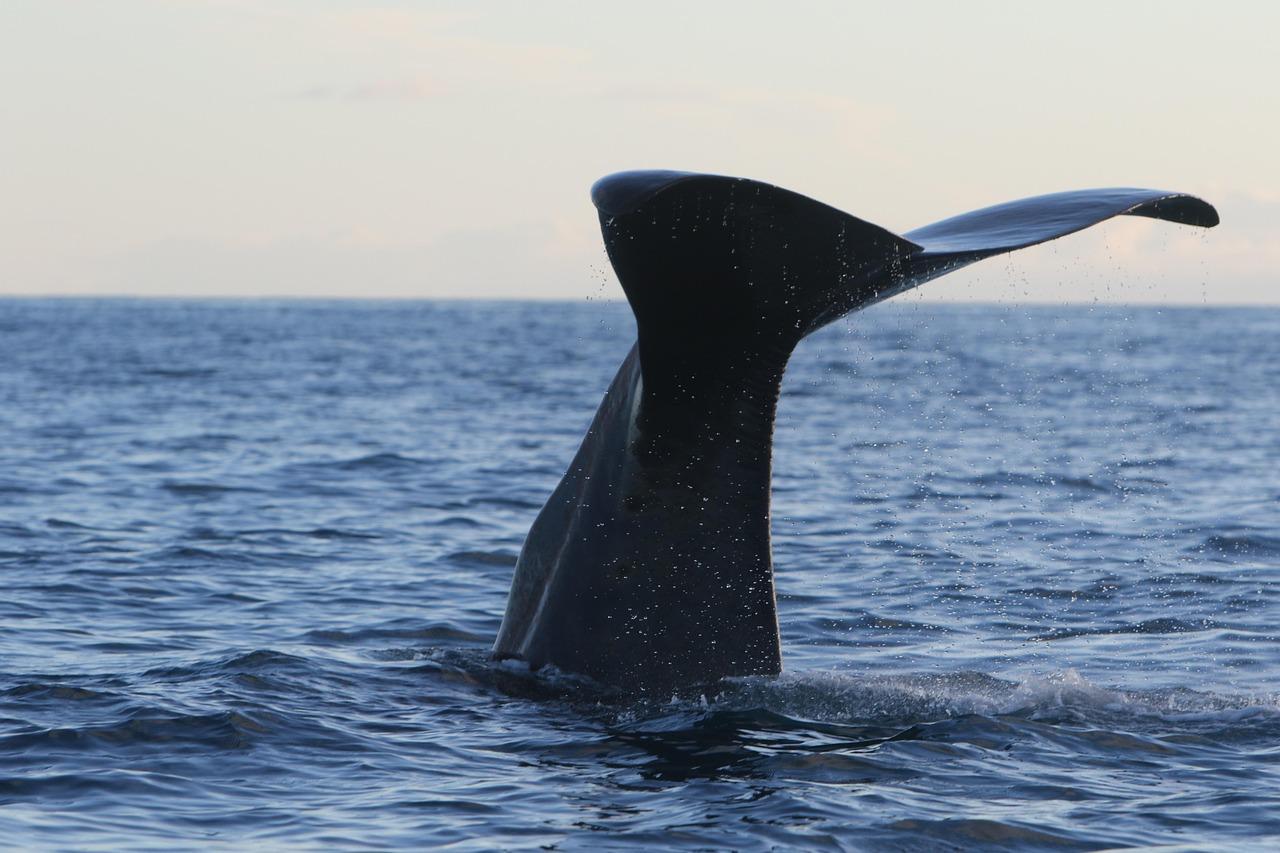
The most honest answer: yes, but only if you live in Cyprus and regularly go out into the open sea. Whales avoid land, so you can spot them about once every few years. The latest cases were recorded in 2019 and 2021.
Tip! If a tour company invites tourists on a whale-watching excursion, you should not believe such a claim. It is a marketing tactic: you may see dolphins, but not whales.
Which whales migrate past the island and why they are not seen
Whales prefer to bypass Cyprus because the sea is “too warm” for them. The food these beautiful giants prefer is not found there. Sightings near the island’s shores are isolated and unique, so planning an encounter is unrealistic. As for why whales deviate from the open sea and approach land, that remains unknown.
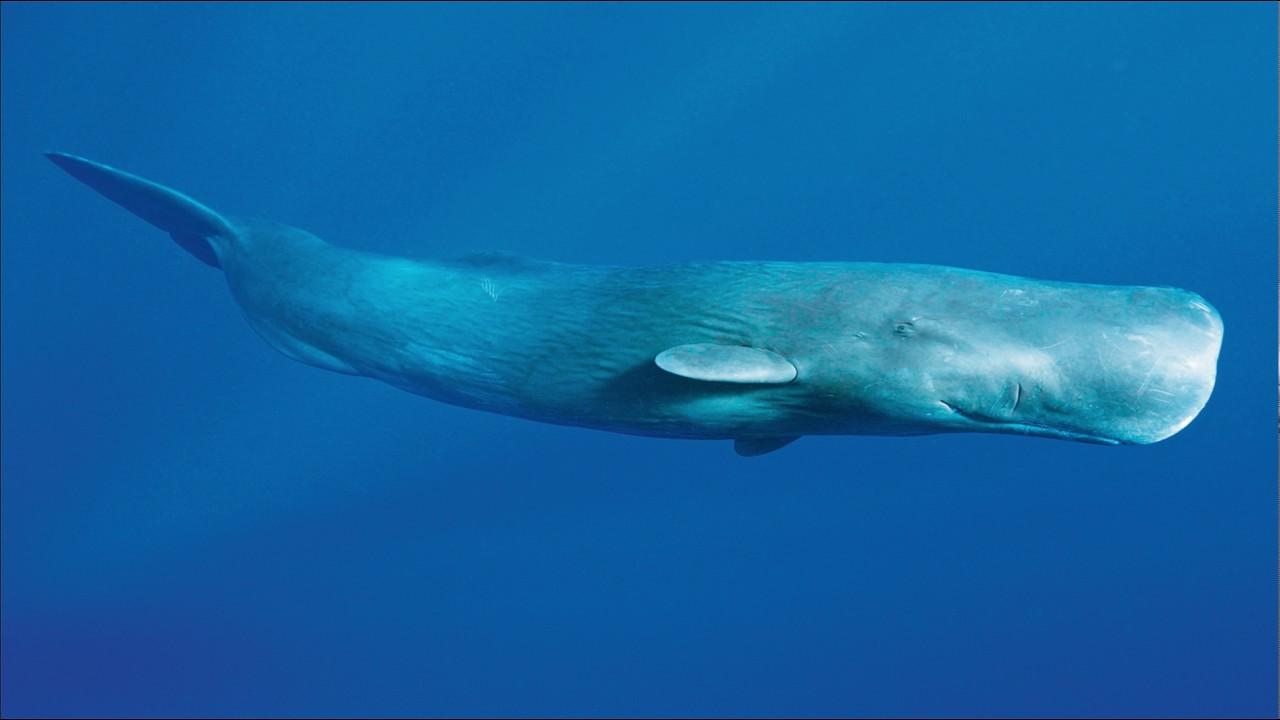
In recent times, Cyprus has been lucky enough to see two types of “visitors”: the sperm whale and the beaked whale. The latter are smaller than sperm whales and have a bright distinguishing feature: a pointed “nose.”
Preparing for a sea adventure
Even if you buy an “all-inclusive” excursion, you should bring a few things that will make life easier and make your encounter with dolphins, turtles, and other sea creatures unforgettable (and safe).
What to bring to sea: checklist
These are simple, basic items. Still, it is better to go through the list once more so you do not miss anything:
- a hat to protect you from the sun—ideally a wide-brimmed hat or a cap with a comfortable visor;
- sunscreen with SPF 50 or higher;
- a long-sleeve top: in the heat it helps prevent sunburn, and from May to September it protects from the sea breeze;
- a supply of drinking water (even if it is sold on board);
- binoculars: dolphins may not swim right up, so it is better to be prepared;
- a splash-protected camera;
- a towel and, if needed, a spare swimsuit;
- motion-sickness remedies: even with a strong vestibular system, there is no guarantee a long boat trip will not cause unpleasant sensations.
If breakfast/lunch is not included in the price, it is recommended to bring a snack as well.
Observer’s code: how to behave when you meet dolphins
Marine animals are not people, but you still need to behave politely and carefully around them. Especially with dolphins: this ensures both their safety and yours.
Important! Swimming next to dolphins is strongly discouraged. It can harm the animals and can be dangerous for humans. IIf a tour operator offers to “hug the little dolphins,” it’s better to refuse their services!
Basic rules of behavior:
- do not make noise, and definitely do not throw anything at dolphins—this can scare them away;
- do not chase them or try to get closer; the best tactic is to wait until they approach on their own;
- do not feed the animals and do not try to pet them;
- do not throw trash into the water, even if there are no marine animals around.
Populations of many animals in the Mediterranean Sea are declining, so people’s task is to treat nature as carefully as possible. Ethical behavior helps preserve the environment.
Watching from the shore: myth or reality?
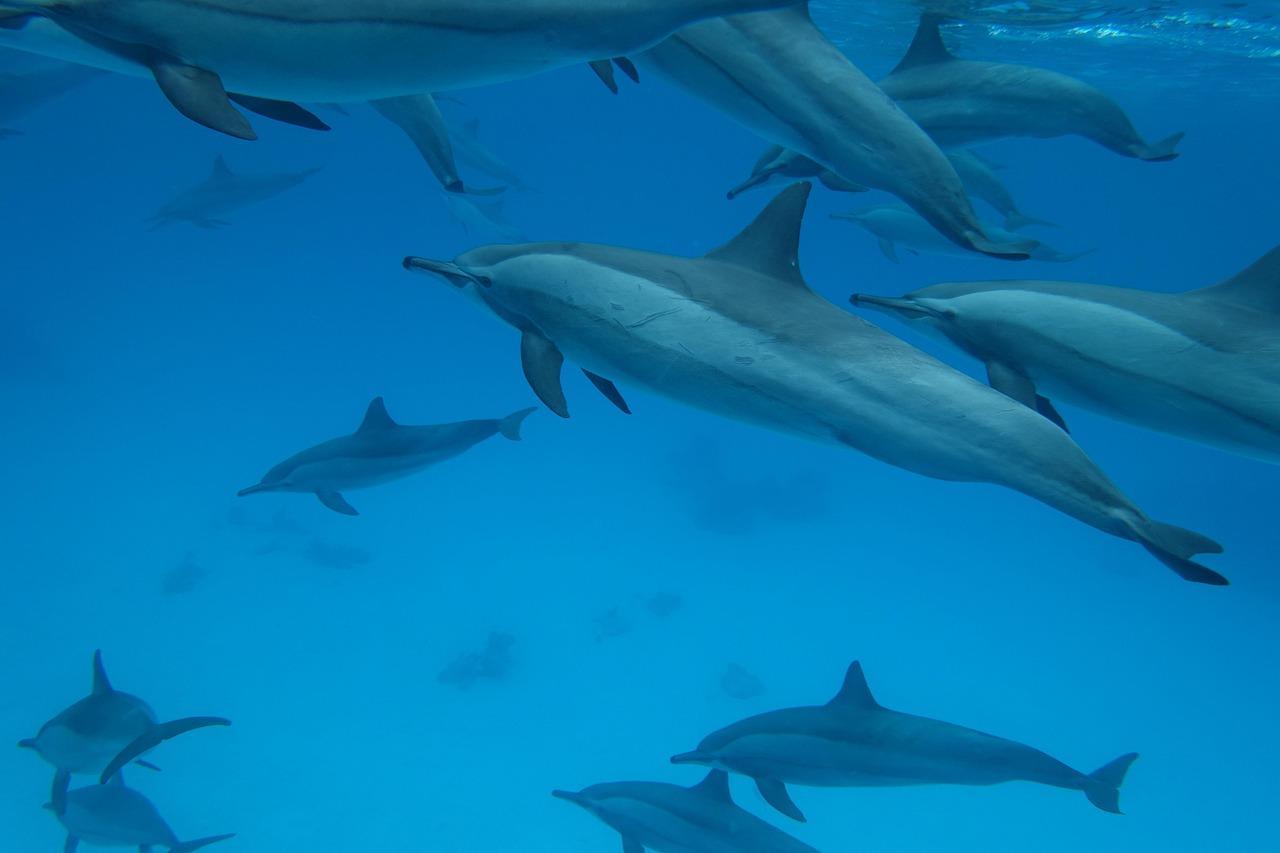
In principle, you can see dolphins from the shore, but it would be a lucky coincidence. Also, it will be extremely difficult to make them out from land: you will need good optics.
Most often, dolphins approach Cape Cavo Greco, but walking there in hopes of seeing bottlenose dolphins is an idea with a small chance of success. It is more reliable and more interesting to meet marine animals in their natural habitat—at sea.
So, you can see dolphins and whales in Cyprus. The former—with an almost 100% chance on a sea excursion in the areas where they live. The latter—only theoretically, as they appear off the island’s shores once every few years.
Read also:
- TOP-10 new developments in Nicosia to be completed in 2026
- TOP-10 new developments in Paphos to be completed in 2026
- TOP-10 new developments in the free areas of Famagusta to be completed in 2026
- TOP-10 new developments in Limassol to be completed in 2026
- Kindergartens in Cyprus: how they work, how much they cost, and what parents should know