
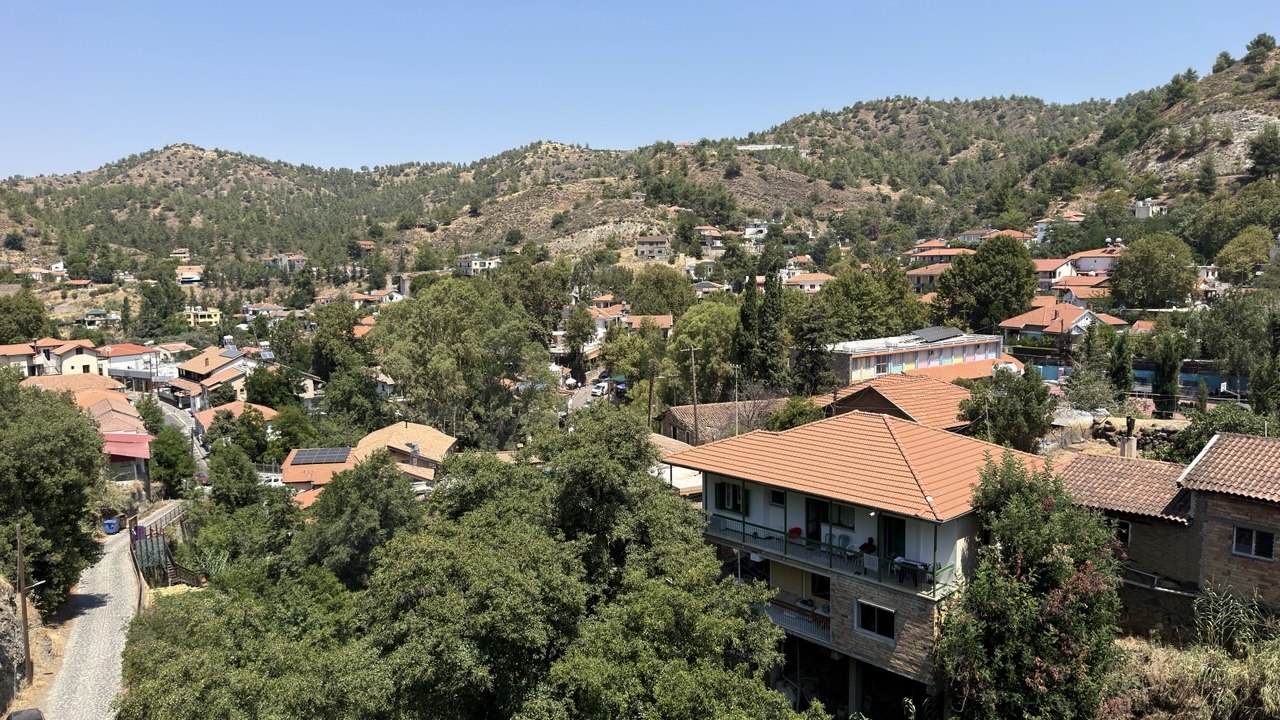
Kakopetria is one of the most picturesque mountain villages in Cyprus, located about 55 km from both Nicosia and Limassol. The village lies in the Solea Valley, surrounded by lush vegetation and mountain slopes at the foothills of the Troodos Mountains, at an elevation of around 667 m above sea level. Here, traditional architecture, natural attractions, hiking trails, and local taverns come together in one place.
In October, a trip to Kakopetria can be a great option for a day out. The summer heat gradually fades, making walks through the forest and the old part of the village much more comfortable. Weather in the mountains can change faster than on the coast, so it is worth checking the forecast before your trip and bringing a light jacket and comfortable shoes.
Kakopetria suits different types of trips: you can visit for a few hours, spend the entire day, or stay for the weekend in a traditional guesthouse. Below are nine enjoyable ways to spend time in this beautiful village.
Walk Around Old Kakopetria and Take Photos
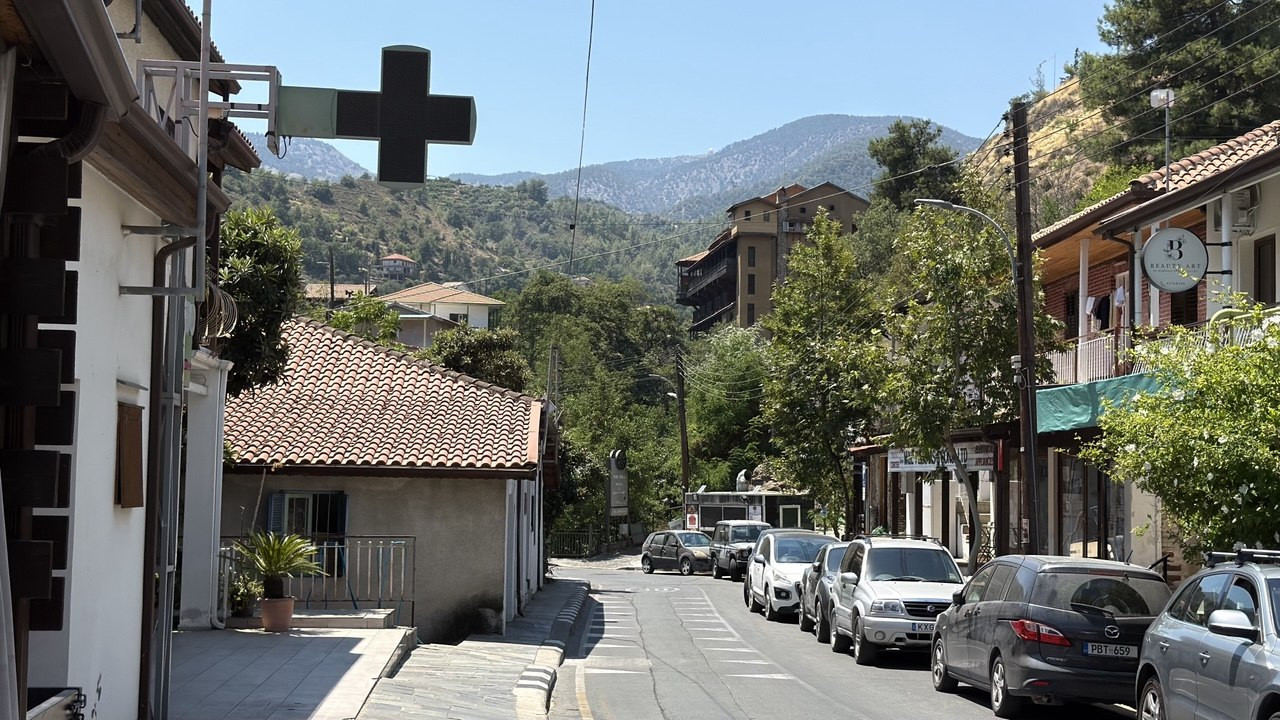
The first place worth visiting is Old Kakopetria. This historic part of the village features narrow cobblestone streets, stone houses, tiled roofs, and wooden balconies. Many buildings have been restored while retaining their traditional appearance. The old village is located between the Karkotis and Garillis rivers. Because of the terrain, the houses stand close together and the streets follow the curves of the hillside. In some places, the roofs of neighboring buildings almost seem to merge into a single line. This architecture makes Kakopetria look very different from Cyprus’s coastal cities.
The historic quarter is protected as a cultural heritage area. Here you can see traditional houses, old stone walls, small courtyards, and elements of vernacular architecture. Many of these buildings were once home to local families and were used to store food and agricultural supplies. Today, some of them are still used as homes, while others have been converted into guest apartments and small businesses.
Fall is a particularly pleasant time to explore the village on foot, moving slowly from one narrow street to another. You can combine your walk with lunch at a tavern, a cup of coffee, or a visit to a local shop selling traditional sweets. Stone stairways, wooden balconies, bridges, and valley views all make good photo spots. Do not limit yourself to the central square, as some of the most interesting details can be found along the side streets. Keep in mind that Old Kakopetria is not an open-air museum but a living residential neighborhood. Respect private property, do not enter courtyards without permission, and try not to disturb local residents.
Find the Newlyweds’ Stone and Learn the Legend Behind the Village’s Name
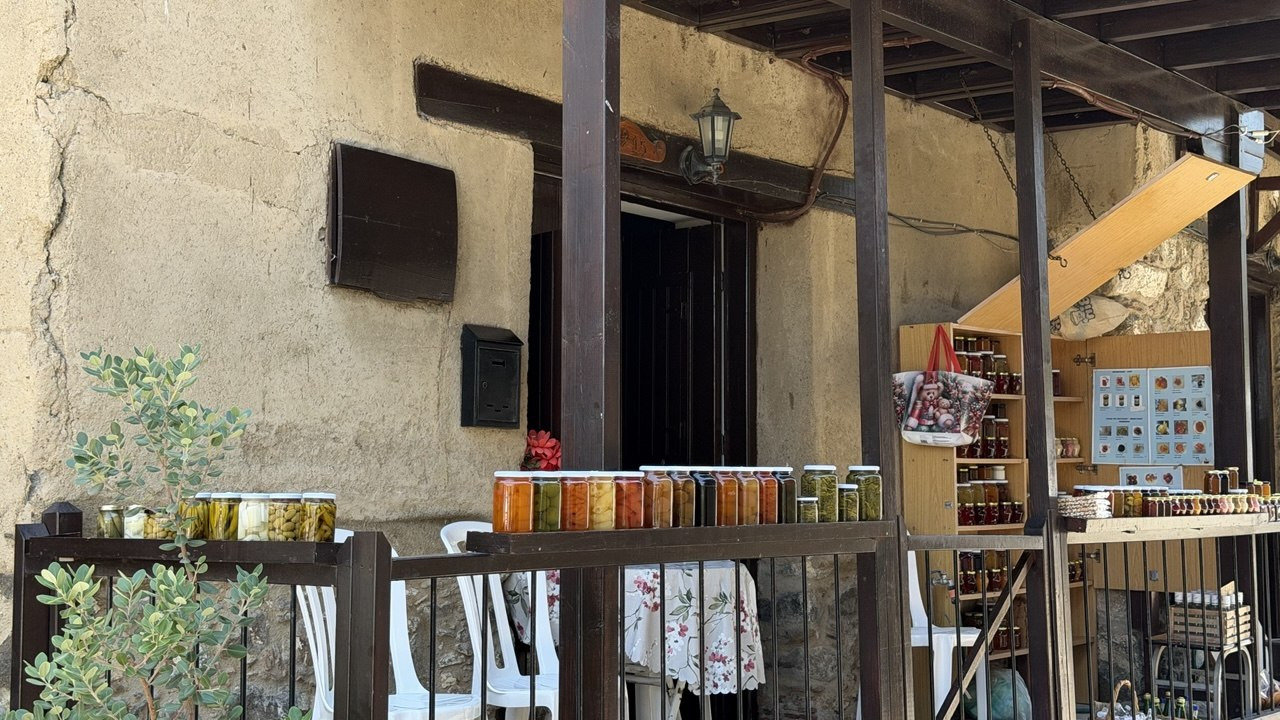
At the entrance to the old part of Kakopetria stands a large boulder known as the Newlyweds’ Stone, or Petra tou Androgynou. For many years, newly married couples would visit it in the hope of ensuring a happy marriage. The tradition continued until a tragic accident occurred in the village. According to the legend, a young couple who were deeply in love got married, smashed a pomegranate on the floor in accordance with a traditional Cypriot custom, and then went to the Newlyweds’ Stone.
They walked around it three times and climbed on top to make a wish. At that moment, however, the stone shifted and crushed the newlyweds. After this sad story, the boulder became known as “kako petra,” meaning “bad stone,” and was secured on a special base so that it could no longer harm anyone. According to the legend, the village itself then became known as Kakopetria.
There are other versions explaining the origin of the name Kakopetria. One connects it with the rocky terrain, which was once difficult to cross. Another refers to a man named Petris who supposedly settled in the area. These traditions cannot be treated as definitive historical explanations, but they help visitors better understand local culture. In small Cypriot villages, such stories are often passed down from generation to generation and become part of the local identity.
The stone can easily be included in a walking tour of the old village. It is a convenient place to stop, look at the boulder, and take a few photographs. If you are traveling with children, the legend can also provide an opportunity to explain how place names develop and why natural features often become important in local folklore. The story should not be treated as a verified historical event — it is a folk legend — but it adds a little mystery to the walk.
Walk Along the Klarios River and the Vateri Trail
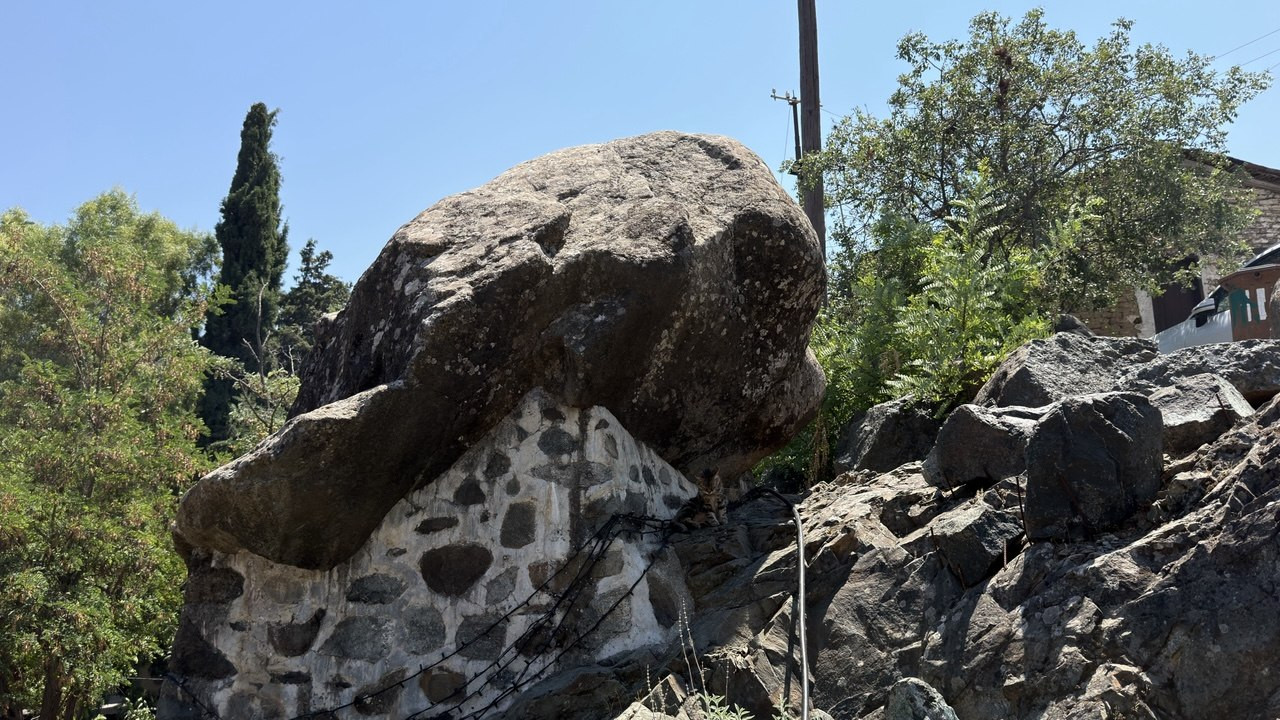
One of the main reasons to visit Kakopetria in the fall is its natural scenery. The village is surrounded by forests, while rivers and small streams create a cool and peaceful atmosphere even after the hot summer. Two mountain rivers, the Karkotis and Garillis, run through the village. They meet within Kakopetria and form the Klarios River, which then flows through and supports the fertile Solea Valley.
For generations, water played an important role in the lives of local residents. It was used to irrigate fields and power watermills. Walking along the river is a pleasant way to listen to the water and see the village from another perspective. Particularly scenic areas include sections where plane trees and other vegetation grow close to the river. In the fall, this walk offers a chance to experience mountain Cyprus not only through architecture but also through its natural landscape.
For an easy walk, try the Vateri Nature Trail, which runs along the western bank of the Klarios River. Along the way you will find trees, wooden bridges, places to rest, and viewpoints overlooking the water. The trail is about 1 km long and is rated as difficulty level 1, meaning easy. It begins approximately 100 m from the entrance to Old Kakopetria, near the Newlyweds’ Stone. Along the route, you can reach the Vateri natural spring, which supplied villagers with cool water for many years. This is a good option for visitors who do not want to spend several hours hiking but would still like to enjoy nature. The trail can easily be added to a walk through the historic center without taking up an entire day. After rain, some sections may become slippery, so shoes with good traction are recommended. Do not leave trash behind and stay on marked paths.
See an Old Watermill
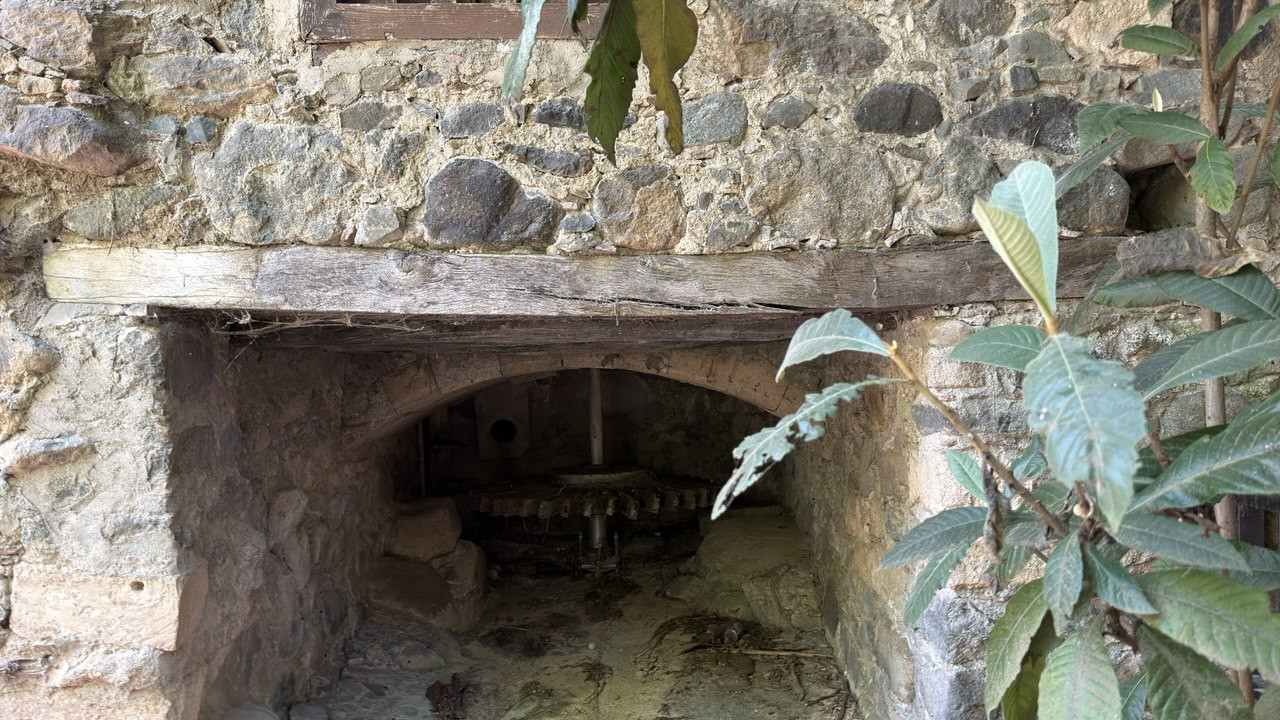
Kakopetria is interesting not only for its natural setting and historic houses, but also for the history of local agriculture. One example is the watermill known as Mylos tis Gonias, or the “Corner Mill.” It is a genuine historical landmark. Kakopetria once had two watermills, although unfortunately the second one, known as Hadjistavrinos, has not survived.
Both mills were powered by water from the local rivers and were used to grind grain and barley. The flour was then used to make bread and other foods. The mills began operating in 1754 and continued working until the end of World War II.
They served not only Kakopetria but also neighboring villages. During especially dry years, people even traveled from other parts of the island to have their grain milled here. Visiting the Corner Mill helps visitors imagine how everyday life once worked in a mountain village. Water turned the wheel, while a system of mechanisms transferred that energy to the millstones that ground the grain. For local residents, this was an essential part of household life, and the mill itself formed an important part of the local economy.
Visit Agios Nikolaos tis Stegis, a UNESCO World Heritage Site
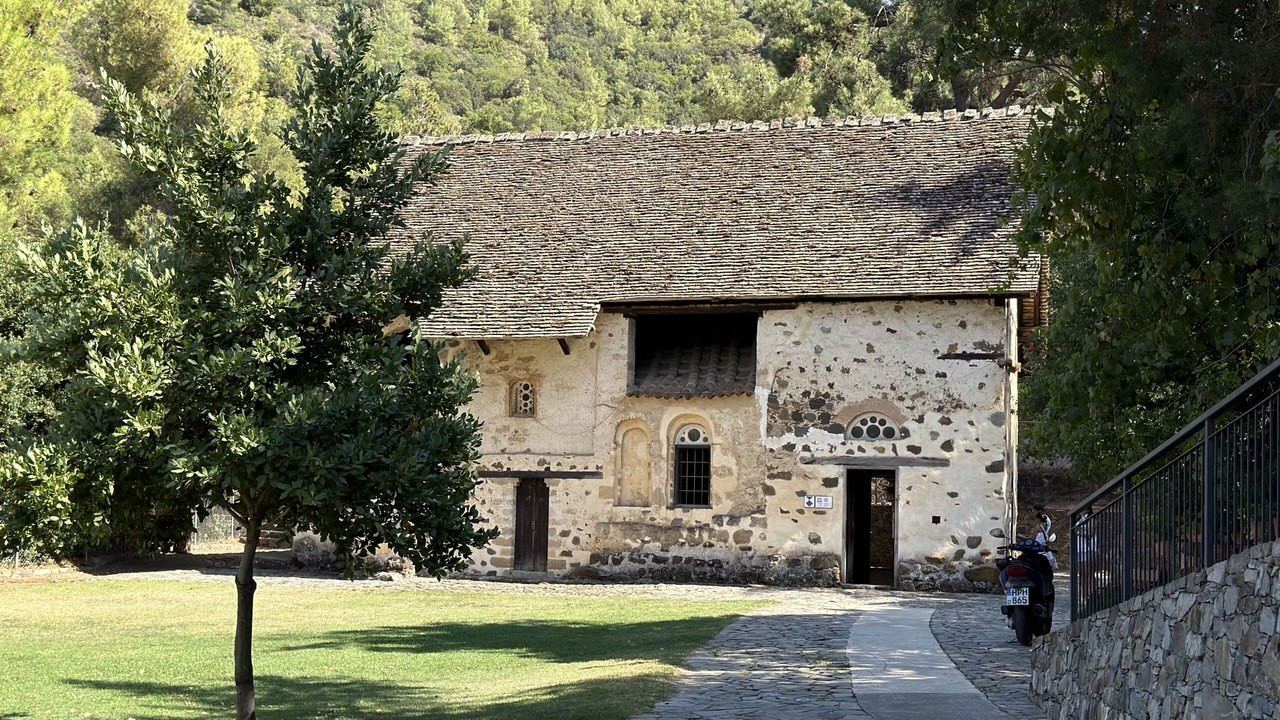
About 5 km from Kakopetria is one of the region’s most important historical landmarks, the Church of Agios Nikolaos tis Stegis, or Saint Nicholas of the Roof. The church is considered the only surviving part of an ancient monastery complex. Its history dates back to the Byzantine period, while its wall paintings span several centuries. Because of its architecture and frescoes, the church is included on the UNESCO World Heritage List together with other painted Byzantine churches in the Troodos region.
A distinctive feature of the church is its steep wooden roof, which protects the original church structure. This feature gave rise to the name “Saint Nicholas of the Roof.” Inside, frescoes from different periods have survived, including depictions of saints and biblical scenes. The paintings make it possible to trace the development of Byzantine and post-Byzantine art in Cyprus. The site is especially interesting for visitors who want to learn more about the island’s religious history and see a monument very different from typical urban churches.
The church is surrounded by peaceful natural scenery, so a visit can easily be combined with a drive around the Kakopetria area. If you are traveling by car, it is convenient to plan it as a separate stop. The church is usually open Tuesday through Saturday from 9:00 a.m. to 4:00 p.m. and on Sunday from 11:00 a.m. to 4:00 p.m. It is closed on Mondays and public holidays. Admission is free. Visitors should remain quiet and follow the rules appropriate to an active religious monument. Photography inside should only be taken where permitted.
Try Trout, Cypriot Meze, and Local Sweets
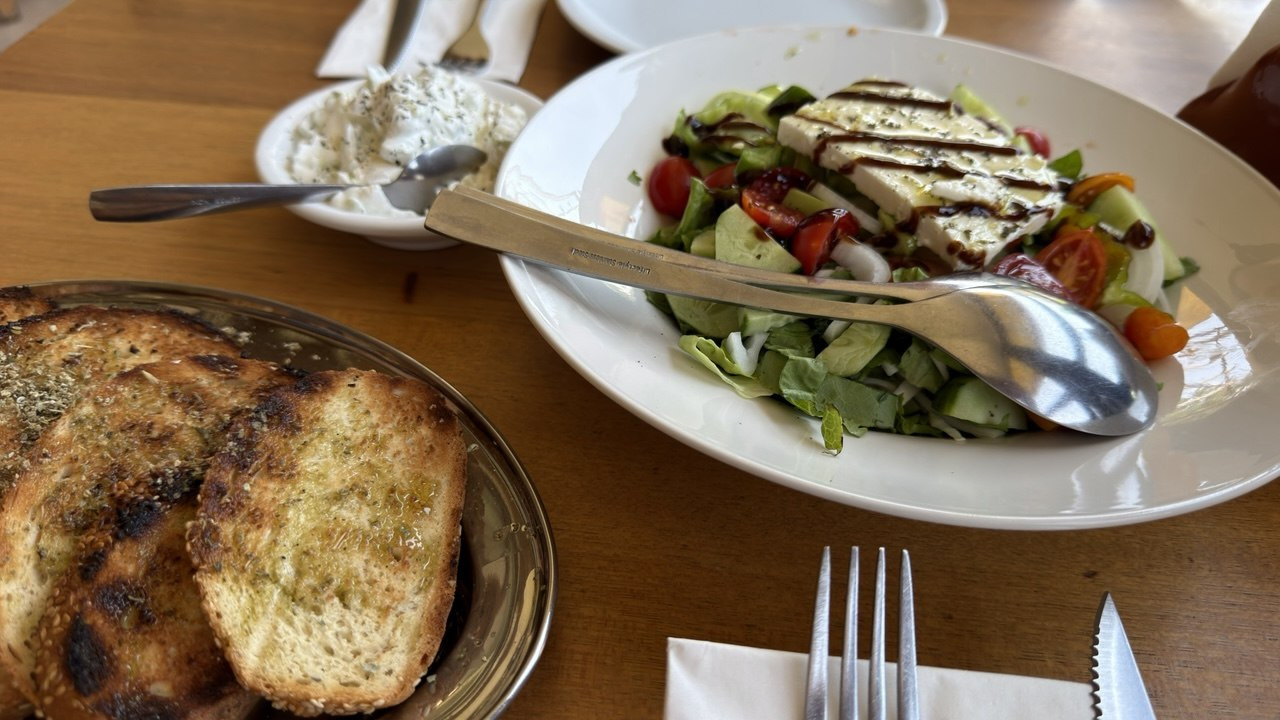
A trip to Kakopetria would not be complete without discovering the cuisine of the Solea Valley. The village and its surroundings are home to taverns, cafés, and restaurants where you can try traditional Cypriot dishes and locally produced foods. One dish particularly associated with the region is fresh trout. Freshwater aquaculture is established in the Solea Valley, and trout appears on the menus of many restaurants in Kakopetria. It is prepared in several ways, including baking and serving it with vegetables or other side dishes.
If you prefer meat, consider ordering Cypriot meze. This usually consists of many small dishes, which may include halloumi, sausages, souvlaki, sheftalia, mushrooms, vegetables, dips, and other foods depending on the restaurant. It is a good choice for groups because it allows everyone to sample a variety of local flavors.
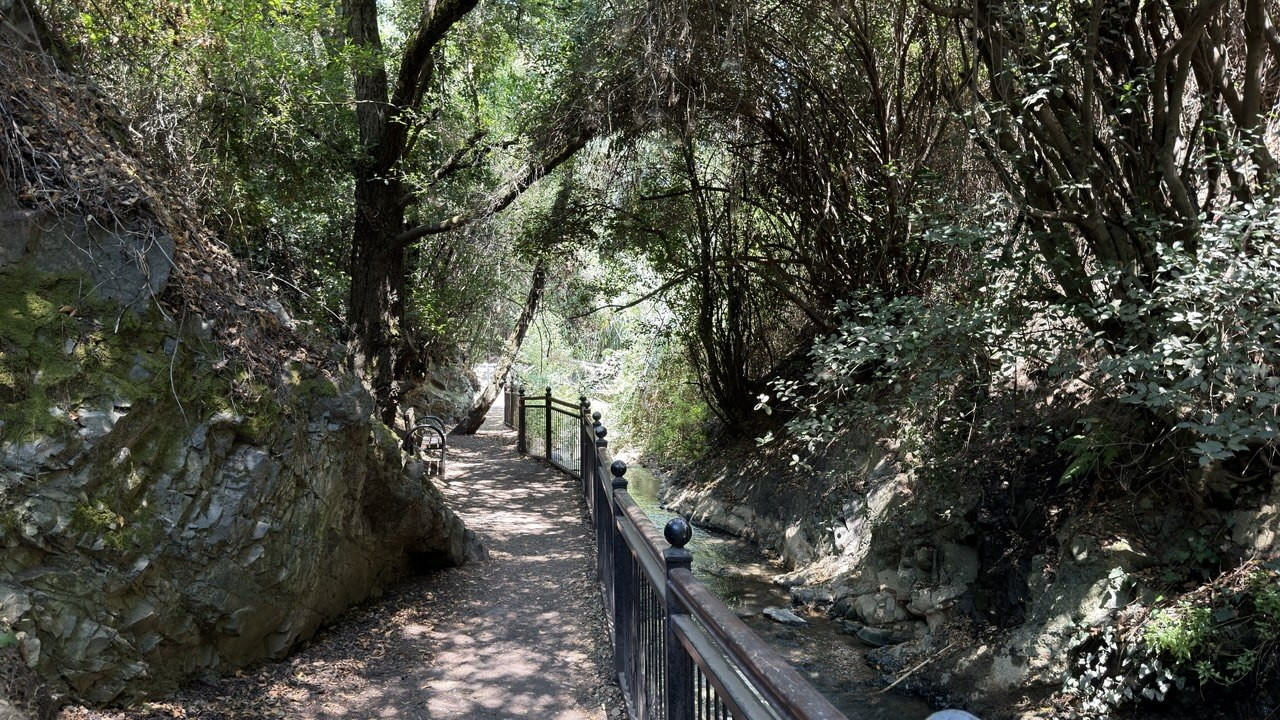
In the fall, it is also worth looking for seasonal fruit and traditional sweets. Kakopetria and the wider Solea Valley are known for apples and other fruit grown in the region. In the old part of the village, you may also find spoon sweets, known as Glyka tou Koutaliou. They are made from fruit or vegetables cooked in sugar syrup. Ingredients can include cherries, figs, apples, citrus fruit, and sometimes even vegetables.
These sweets are traditionally served in small portions with coffee or a glass of water. Packaged versions are also a good souvenir if local shops sell them.
For lunch or dinner, choose a place based on the menu and recent reviews. You do not necessarily need to plan a large restaurant meal: sometimes coffee, local pastries, and sweets are enough for a pleasant break during a walk.
Spend the Day at Marina’s Adventure Park
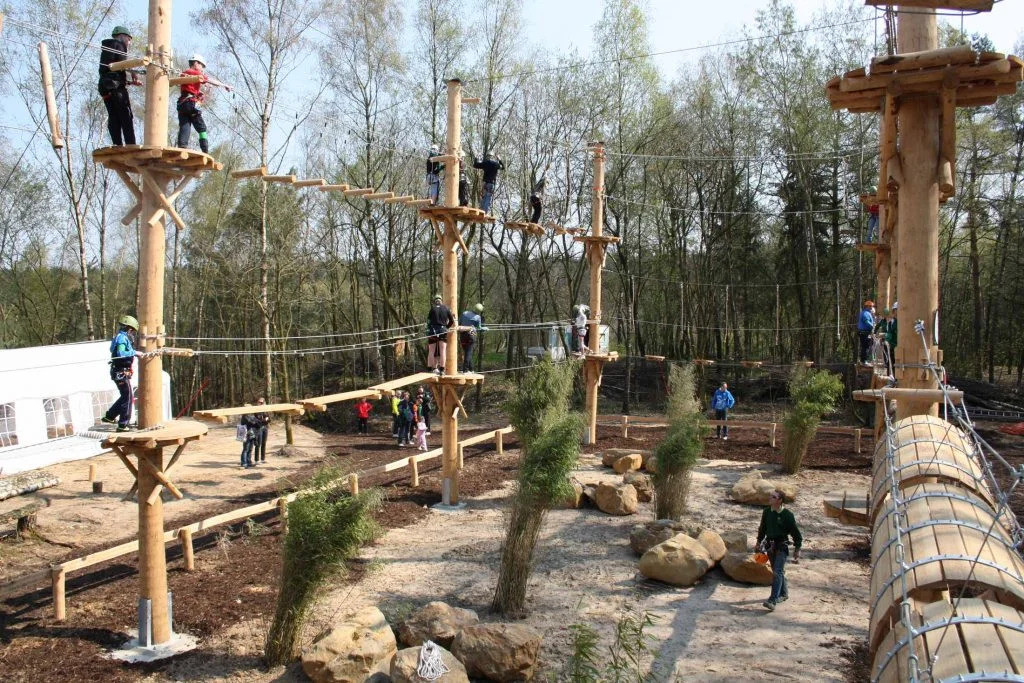
If you would like to add a little adventure to your trip, visit Marina’s Adventure Park, a rope park in Kakopetria. It offers an active outdoor experience for families and groups of friends. The park has courses of different heights and difficulty levels. Visitors are provided with safety equipment before starting. Check in advance which courses are suitable for different ages and heights, whether reservations are required, and what rules apply on the day of your visit. Choose a course that matches your ability and follow the staff’s recommendations.
The park operates year-round, although opening hours vary by season. In winter, it is open from 9:00 a.m. to 5:00 p.m., while in summer it stays open from 9:00 a.m. to 8:00 p.m. In October, it is best to confirm the current hours directly with the park. Marina’s Adventure Park contact details:
Phone: +357 99 998420
Address: Agiou Nikolaou Street, Kakopetria.
After a few hours of activity, you can take a walk through Old Kakopetria or stop for lunch at a local tavern.
Hike the Kannoures–Kakopetria Trail
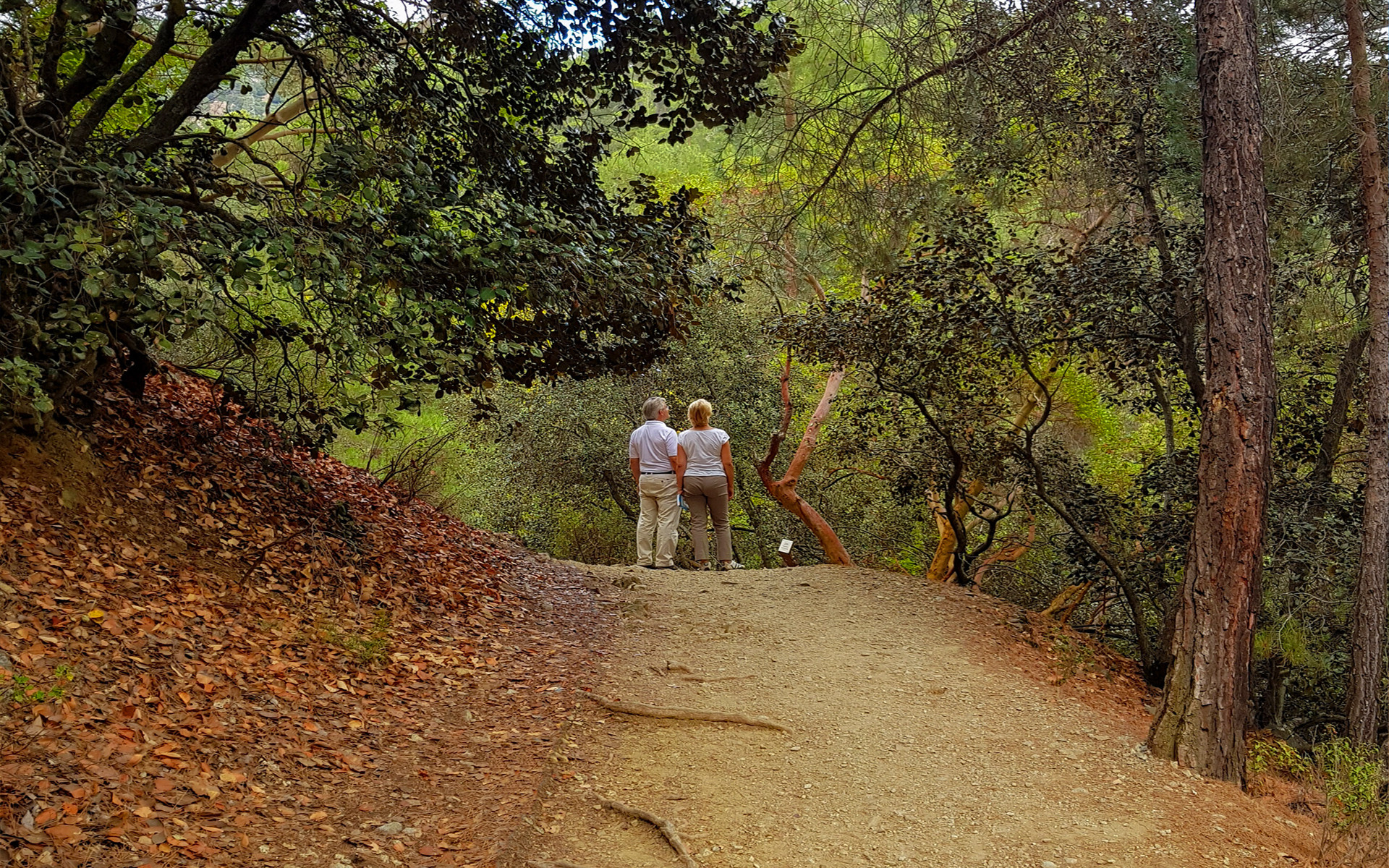
If you enjoy long walks in nature, head to the Kannoures Trail. It passes through the Troodos forests and follows the valley of the Karkotis River. Along the way, you can see mountain scenery, forested slopes, and local vegetation. The trail begins near the Karvounas–Troodos Square road. Along the route, you will also pass a former chromium mine. The Church of Agios Nikolaos tis Stegis can serve as one endpoint, and if you still have enough energy, you can continue all the way to Kakopetria.
According to the Visit Cyprus tourism portal, the distance to the church is about 9 km, while the full route to Kakopetria is approximately 12 km. The first section takes around three hours, and the full hike to the village takes about four hours. The trail is rated difficulty level 3, and the descent can be challenging in places. Foxes, hares, hedgehogs, and various birds live in the surrounding area, while rare native plants also grow here. Wildlife sightings are never guaranteed and depend on the season and luck.
October is a good month for forest walks, but mountain weather can change quickly. Check the forecast before setting out, wear comfortable shoes, and bring water and a fully charged phone. Start early enough to finish before dark. If you are not used to long hikes, choose a shorter walk instead. Even a downhill route can be demanding, so assess your ability realistically and do not rush.
Explore the Neighboring Villages of the Solea Valley and Visit the Railway Museum
If you are spending a full day or a weekend in Kakopetria, consider visiting nearby villages as well. Across the Solea Valley, you can see old houses, beautiful mountain landscapes, and historic churches. One option is Galata, where you can walk through narrow streets and see traditional stone houses. Nearby is the Church of Panagia Podithou, a historic Byzantine church included on the UNESCO World Heritage List.
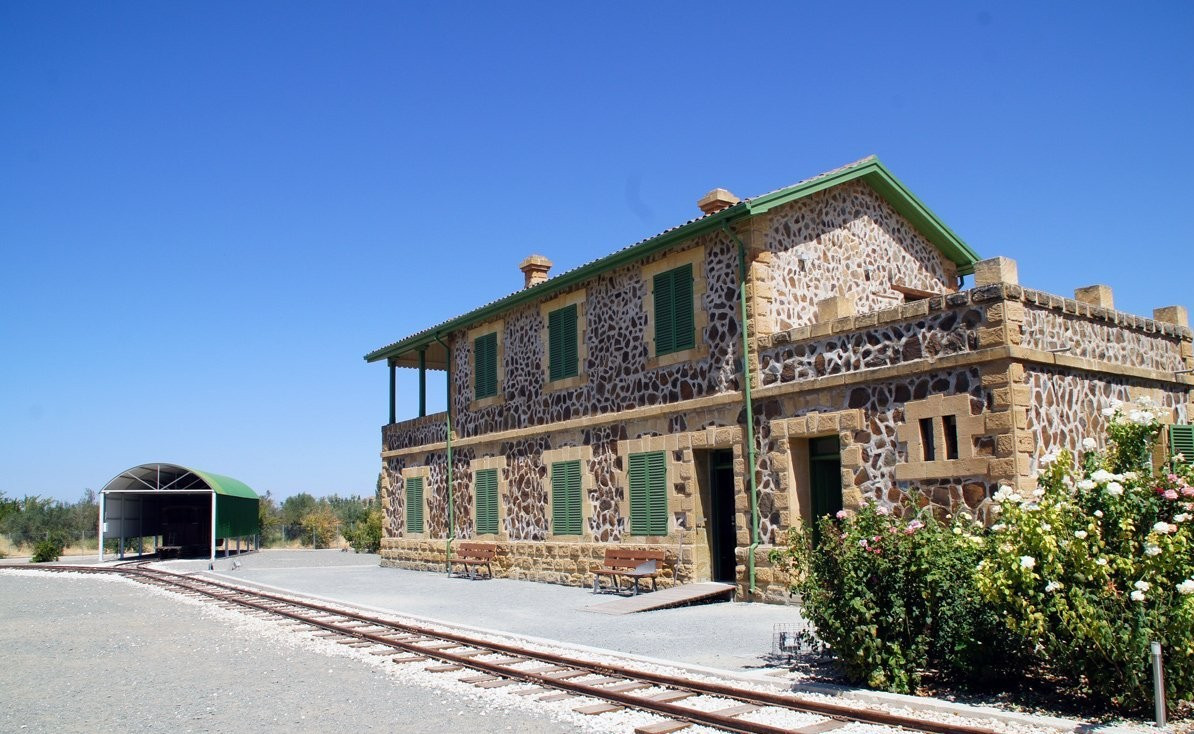
Another interesting destination is the Cyprus Railways Museum in Evrychou. It is housed in a former railway station. Cyprus had a railway system from 1905 to 1951, transporting both passengers and freight. The museum displays old photographs, documents, models of trains and stations, and railway equipment. Outside, visitors can see a restored platform and a section of track with original rails. The exhibition explains the history of the railway and its role in everyday life in Cyprus.
Admission to the museum is free. From September 16 to April 15, it is open daily from 8:30 a.m. to 4:00 p.m. It is still a good idea to confirm the schedule before visiting, especially on public holidays.
After exploring the area, you can stop by a local bakery, try traditional sweets, or have lunch in one of the nearby villages. This type of trip is a good way to discover more of mountain Cyprus beyond Kakopetria itself.
How to Plan a Trip to Kakopetria in October
To make the most of your trip, you do not need to try to visit all nine places in one day. It is better to plan your route according to the weather, attraction opening hours, and your own interests.
If you are visiting for one day, start with a walk through Old Kakopetria and the Newlyweds’ Stone. Then continue along the Klarios River and the Vateri Trail, visit the watermill, and have lunch in a local tavern. If you still have time, visit the Church of Agios Nikolaos tis Stegis after checking its opening hours.
If you are planning an active trip, set aside a separate morning for the Kannoures Trail. In that case, avoid overloading the rest of the day with additional sightseeing. The route is long, and the descent requires concentration and proper footwear.
If you are traveling with children, consider Marina’s Adventure Park, a short walk through the historic center, and the Railway Museum in Evrychou. Before your trip, check age and height restrictions at the park as well as the museum’s opening hours.
If you want to spend the weekend, stay in a guesthouse or traditional apartment. Kakopetria offers accommodations in historic buildings as well as modern hotel rooms. On a cool October evening, it can be especially pleasant to have dinner at a tavern and then walk through the village without rushing. Before setting out, check the weather forecast, trail conditions, and current attraction schedules. Temperatures in the mountains can differ significantly from those along the coast, and after rain, stone streets and hiking trails can become slippery.
Kakopetria is appealing because it combines several different types of activities in one place: nature walks, historic monuments, traditional architecture, local cuisine, and outdoor adventure. In October, you can spend a peaceful day away from the noise of the city or enjoy a more active weekend filled with hikes and trips to nearby villages. If you choose a few activities that suit you and leave enough time for a relaxed walk, a trip to Kakopetria can be an excellent way to discover mountain Cyprus during the fall season.
Read also:
- 10 Industrial Buildings in Limassol Listed as Protected Architectural Monuments
- Taxis in Cyprus: Apps, Prices, and How to Book
- Buying Used Furniture in Cyprus — A Guide and Red Flags
- Curium Palace in Limassol: The Story of an Iconic Hotel Demolished for a New Project
- UV Index and Wind in Cyprus — How to Read the Weather Forecast