
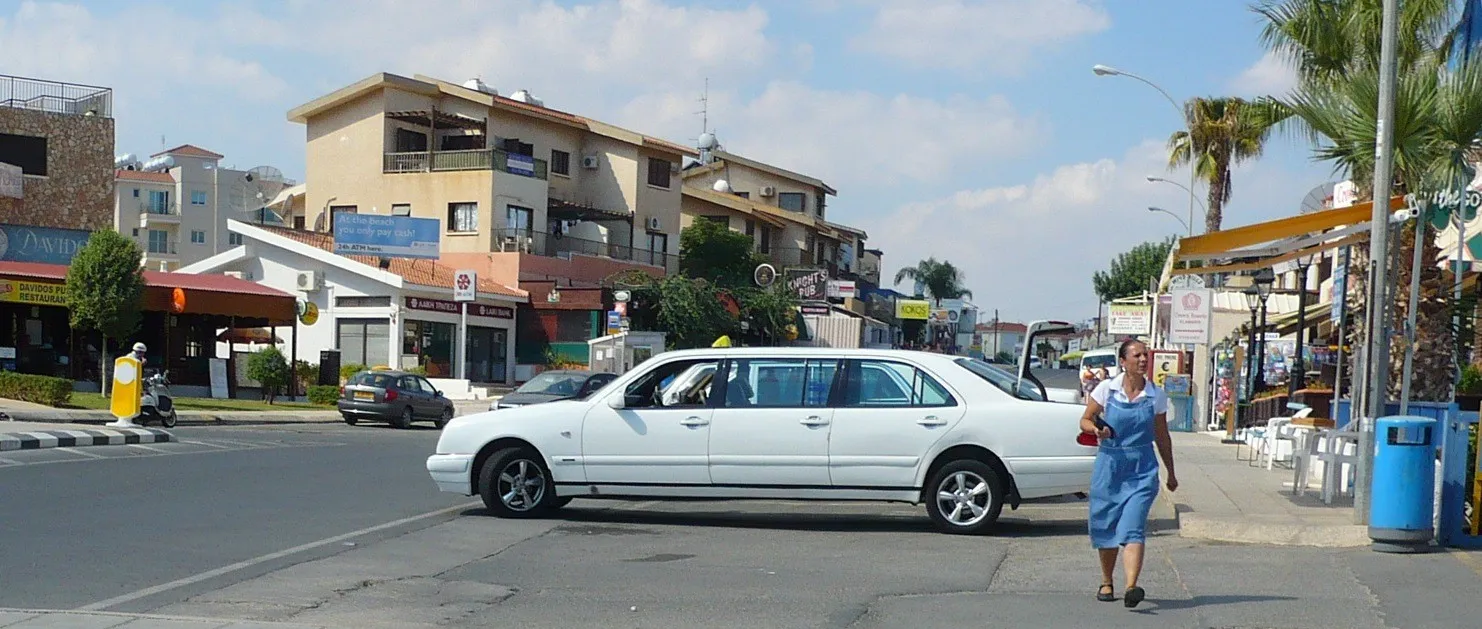
For people living in Cyprus, seeing someone get behind the wheel just to drive to a bakery, periptero or café located only five minutes from home is perfectly normal. Some might say: “Cypriots are simply too lazy to walk.” But is laziness really the reason behind this habit? Or are Cypriot cities and villages designed in a way that encourages locals to use their cars more often than their own legs? Let’s look at 5 real reasons why walking in Cyprus can be inconvenient, unsafe and simply unappealing.
The illusion of choice: “There’s a pavement, but you can’t walk on it”
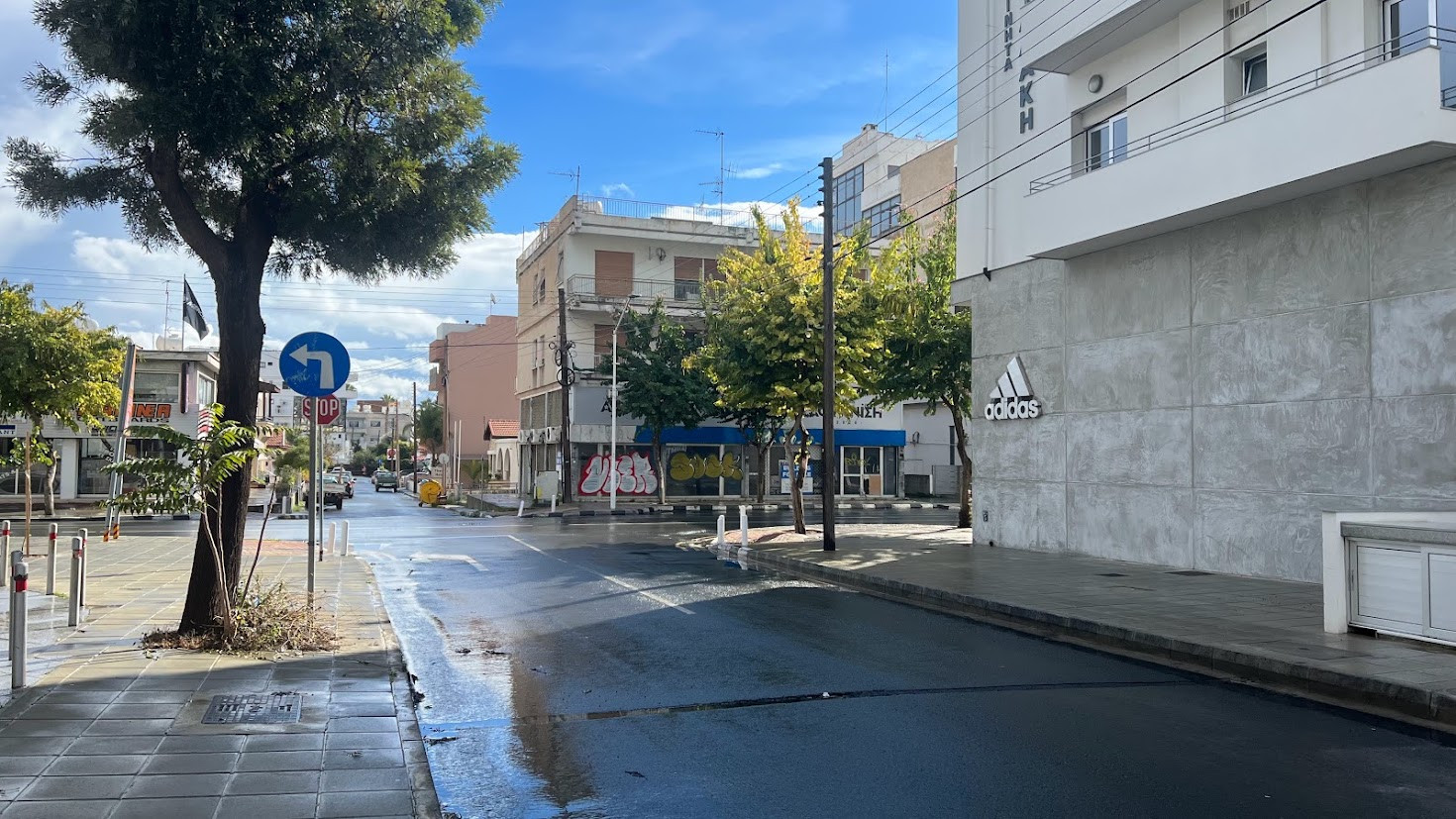
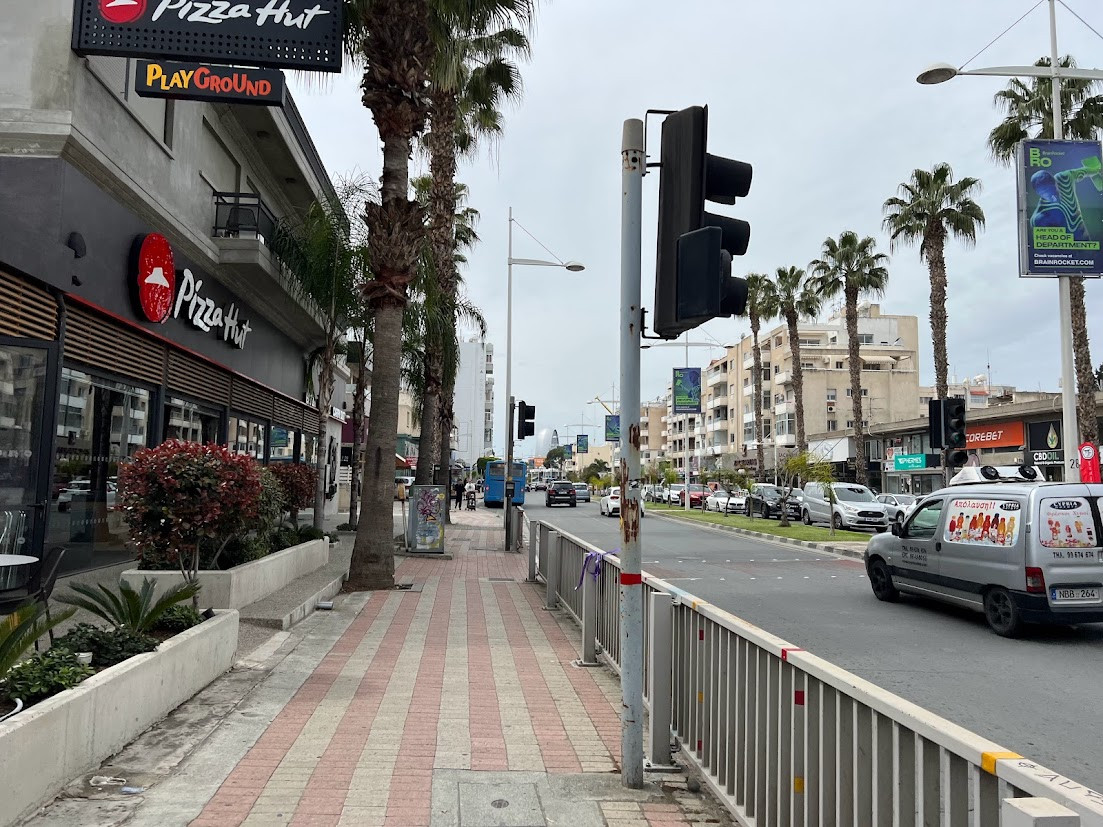
Imagine walking along a pavement when suddenly there is a utility pole. Right in the middle. You walk around it. Five metres later — a rubbish bin. You go around that too. Then there is a huge tree, broken paving, or someone’s car parked as if the driver won their licence in a lottery. This creates a paradox: technically, the pavement exists, but in practice it is impossible to use.
A recent study in Larnaca found that such obstacles can be found on 95% of pedestrian routes in the city. Volunteers inspected 59 pavements in the Finikoudes, Ermou, Agios Lazaros and Laiki Geitonia areas. The result was almost zero accessibility for pedestrians. Volunteers found:
- Utility poles and street lights installed right in the middle of pavements.
- Rubbish bins that nobody even seems to consider moving elsewhere.
- Loose and sunken paving slabs that can easily trip you up and lead to an unexpected “meeting” with the asphalt.
- Cars parked in such a way that pedestrians are left with teleportation as their only option.
- Tables extending beyond cafés and restaurants — so much for hospitality.
- Advertising boards occupying half of an already narrow pavement.
For younger people, this may simply be annoying. But for an elderly woman with a shopping trolley or a young mother with a pushchair, it becomes a genuine obstacle course. And then there is the question of safety.
The heat
A Cyprus summer is not simply “hot”. It is more like “you could fry an egg on the bonnet while turning into a crisp yourself within three minutes”. Walking between 11 a.m. and 4 p.m. is not just uncomfortable — it can feel like a test of endurance. Especially if you forgot to bring a bottle of water and a hat.
Still, the climate alone cannot be blamed. Many island residents prefer to drive to the shop around the corner even during the cooler months. Why? Because many streets offer no:
- Shade. None at all. In a country where the sun is strong for much of the year, shade is a basic need.
- Benches. Somewhere to sit down and take a break would be useful. But often there simply isn’t one.
- Drinking fountains. Somewhere to get some water would also be useful. But that is rarely provided either.
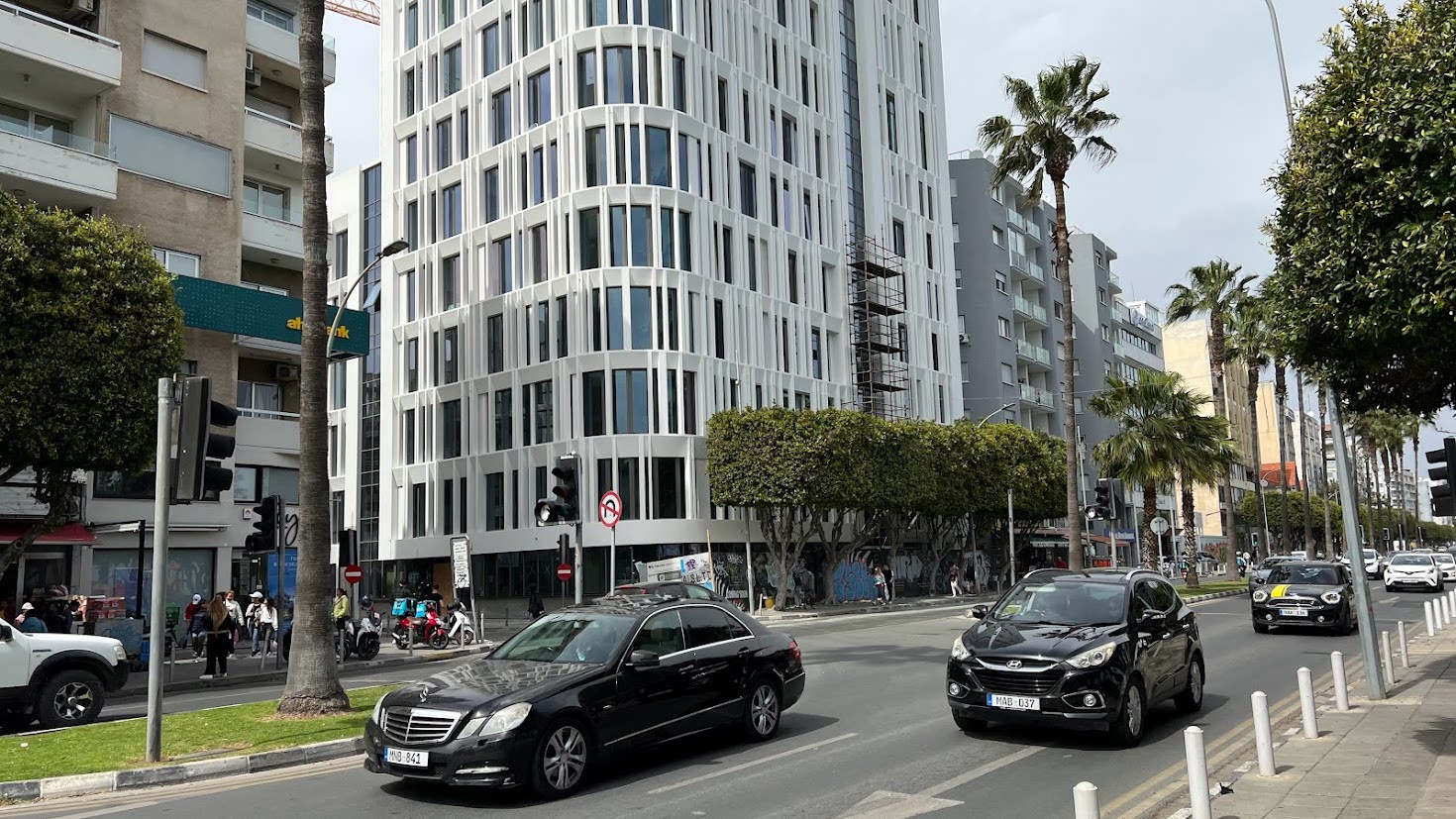
Cities with similar — or even hotter — climates have long been investing in greenery, canopies, drinking fountains and cooler road and pavement materials. Heat can be tackled through smart urban design. But that requires thinking about pedestrians. In Cyprus, the focus has traditionally been more on drivers’ comfort.

Distances have grown, while infrastructure remains stuck in the last century
For decades, the development of Cypriot cities has been centred around private cars. Property development expanded into the suburbs, while shops, schools, workplaces and services became increasingly spread out. The average distance to work or education in Cyprus is around 15 km. That is, admittedly, quite a distance to walk.
On average, a one-way journey takes 25 minutes. That means 50 minutes a day for the return trip — just spent travelling. But even if you live only 500 m from a shop, the neighbourhood may be designed in such a way that walking there is difficult or impossible. There may be no direct access. No pavement. You may have to take a detour along a dangerous road where cars travel at very high speeds. The result: it is simply easier to drive. Faster, safer and less stressful.
Public transport is a poor alternative
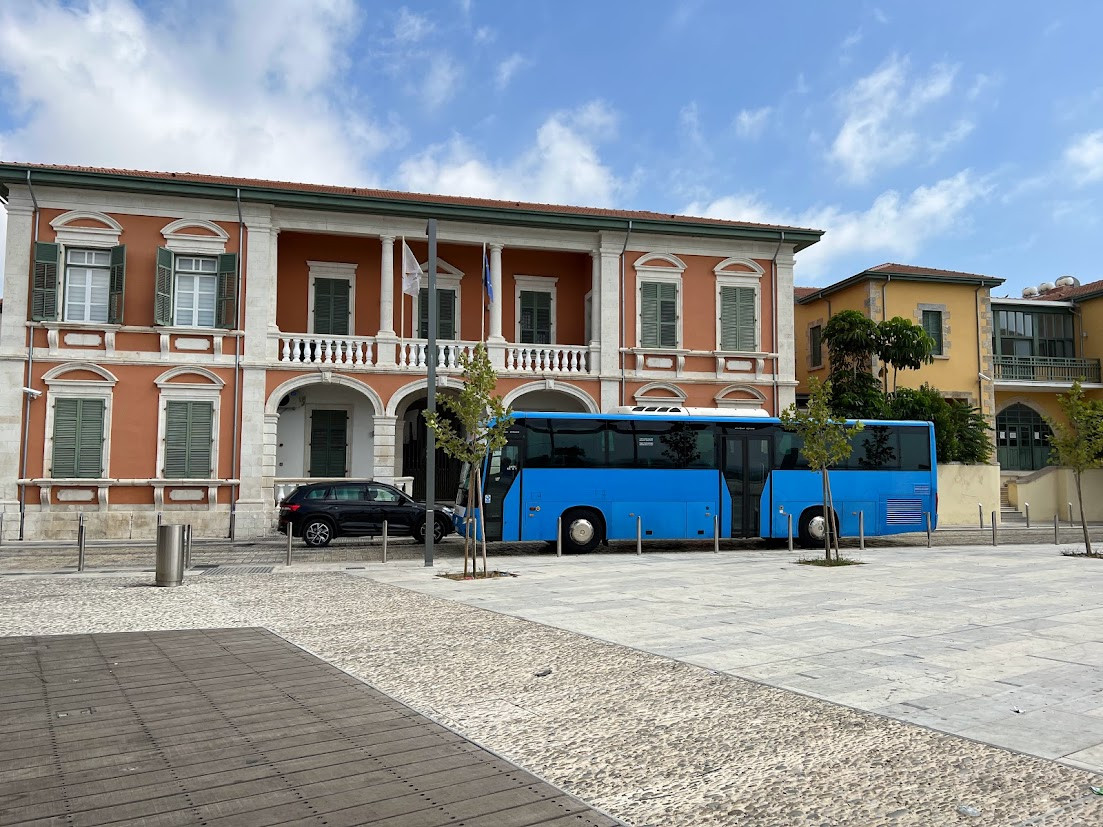
Public transport exists in Cyprus. Technically. But only around 5% of local residents use it. And not because Cypriots are snobs. The problem is that buses are often an extremely inconvenient way to get around the island.
A journey takes an average of 50 minutes one way. This includes:
- 13 minutes — waiting at the bus stop;
- 34 minutes — the journey itself;
- 4 minutes — walking to and from the bus stop.
The same route can often be covered by car twice as quickly. Add to that the comfort, air conditioning, your favourite music and the absence of fellow passengers loudly discussing their problems on the phone. Few people will give up their car for a bus that does not always arrive on schedule. So, in many cases, it is not laziness but simple common sense.
Mindset
We often expect people to suddenly start walking. Tomorrow. First thing in the morning. Simply because “they should”. But if the route remains dangerous and full of obstacles, few people will give up their cars. That is not stubbornness. It is adaptation to the environment.
Studies show that behaviour changes when conditions change — not the other way around. The Spanish city of Pontevedra is a particularly striking example. Starting in 1999, the city began restricting traffic in the centre, removing on-street parking spaces, widening pavements and lowering speed limits. Peripheral car parks were created so visitors could leave their vehicles and continue on foot. The result: pedestrian collisions fell from 69 in 1999 to 4 in 2013. Serious road accidents dropped from 129 in 2000 to 12 in 2015. The city authorities did not completely ban cars; they simply changed the priority: people first, cars second.
As for Cypriots, they were not born with an inexplicable need to drive everywhere. So if safe and pleasant walking routes are created, perhaps a distance of 500 m will no longer feel like a journey that requires a car. Habits can change — but only when the conditions change too.
Read also:
- 5 Historic Buildings in Limassol That Found New Life and Transformed the City
- Taxis in Cyprus: Apps, Prices and How to Book
- Winter in Cyprus — Does It Snow and How Cold Does It Get?
- Top 10 New Developments in the Free Areas of Famagusta to Be Completed in 2026
- Second-Hand Shops in Cyprus: Charity Shops by City