
The construction sector across the European Union is showing signs of recovery, and for Cyprus this is of particular importance. According to the latest Eurostat data, construction output in the euro area and the EU returned to growth in October 2025 after an autumn slowdown. These changes are directly reflected in the Cypriot real estate market, which is closely linked to pan-European investment programs and demand from foreign buyers.
European growth as a factor for the Cypriot economy
In recent years, Cyprus’s construction industry has become increasingly involved in EU-wide infrastructure and energy projects. A rise in construction activity across the EU means increased funding, the launch of new projects, and higher employment in the island’s construction sector. This is especially evident in civil engineering, energy-efficient buildings, and the renovation of urban infrastructure—areas that receive support from European funds.
Against the backdrop of a recovering European market, Cypriot developers are gaining access to cheaper financing as well as long-term development programs aimed at modernizing transport hubs, port infrastructure, and tourist areas.
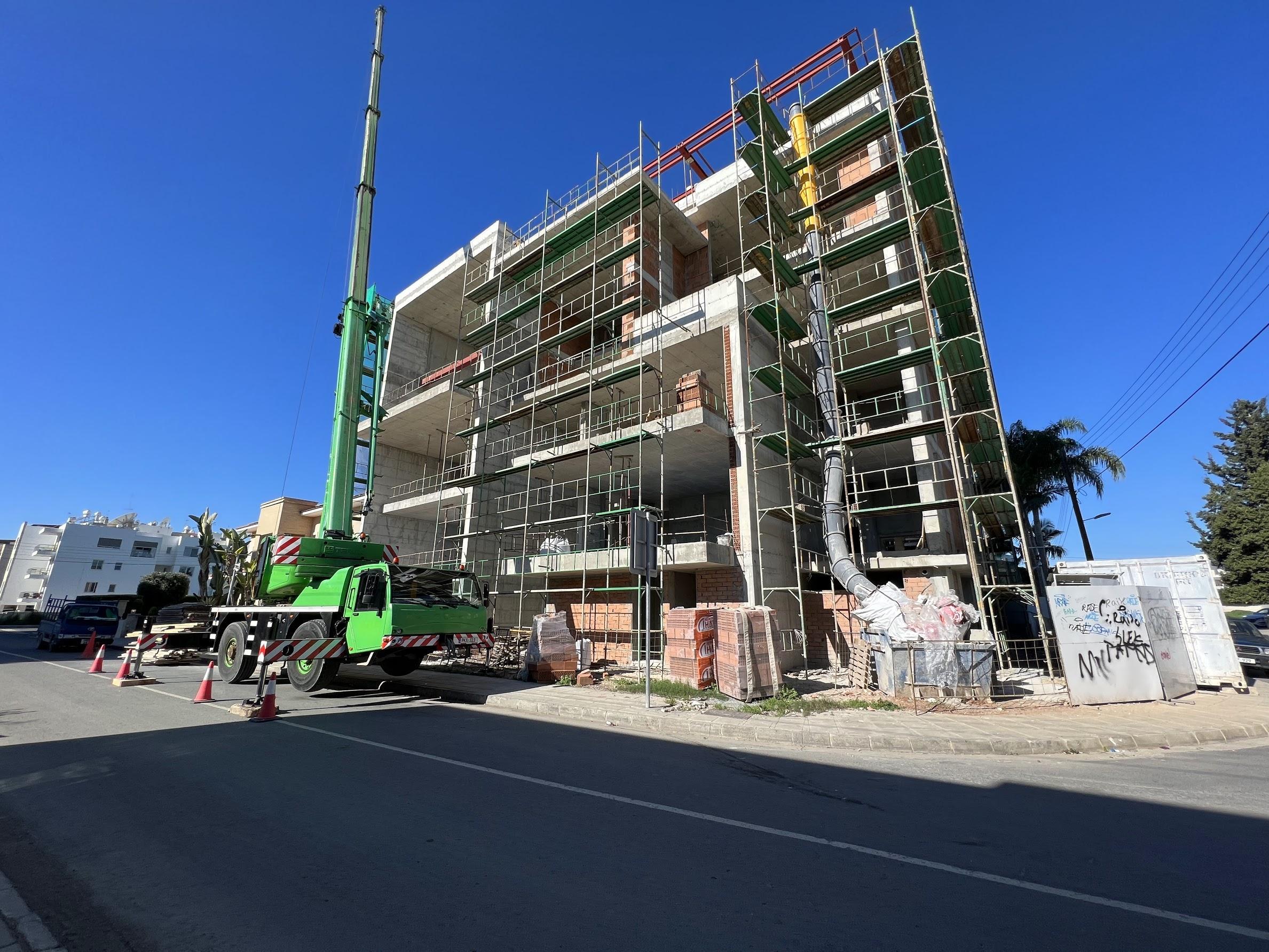
What is happening in Cyprus’s real estate market
In 2025, Cyprus’s real estate market is showing signs of cautious revival. After a period of price correction and slower transaction activity, demand is gradually returning, particularly in the segment of new energy-efficient apartments and seaside properties. The recovery of the construction sector in the EU is reinforcing this trend, as foreign investors once again view Cypriot projects as part of a stable European jurisdiction.
Limassol, Nicosia, and Paphos are especially active, with large residential and mixed-use developments being implemented for both local buyers and the international market. For Cyprus, this translates not only into higher sales but also into increased tax revenues and the creation of new jobs.
Infrastructure and “green” construction
Particular attention should be paid to the growth of civil construction in the EU, which is a key driver of the sector. It is in this segment that Cyprus receives a significant share of funding for road modernization, the development of transport interchanges, the construction of renewable energy facilities, and the renovation of older housing stock.
At the same time, interest in environmentally friendly and energy-efficient projects is growing, fully aligning with Cyprus’s construction policy priorities. In 2025–2026, new subsidy programs for “green” homes and the renovation of apartment buildings are expected to be launched, providing additional support to the market.
Outlook for 2026
The recovery of construction activity in Europe could become a key growth factor for Cyprus’s construction sector in 2026. An increase in new construction volumes, more renovation projects, and rising demand for modern residential complexes are expected.
For Cyprus, this means strengthening its position as one of the most attractive real estate markets in the Mediterranean, along with further infrastructure development that will enhance quality of life and the island’s investment appeal.