
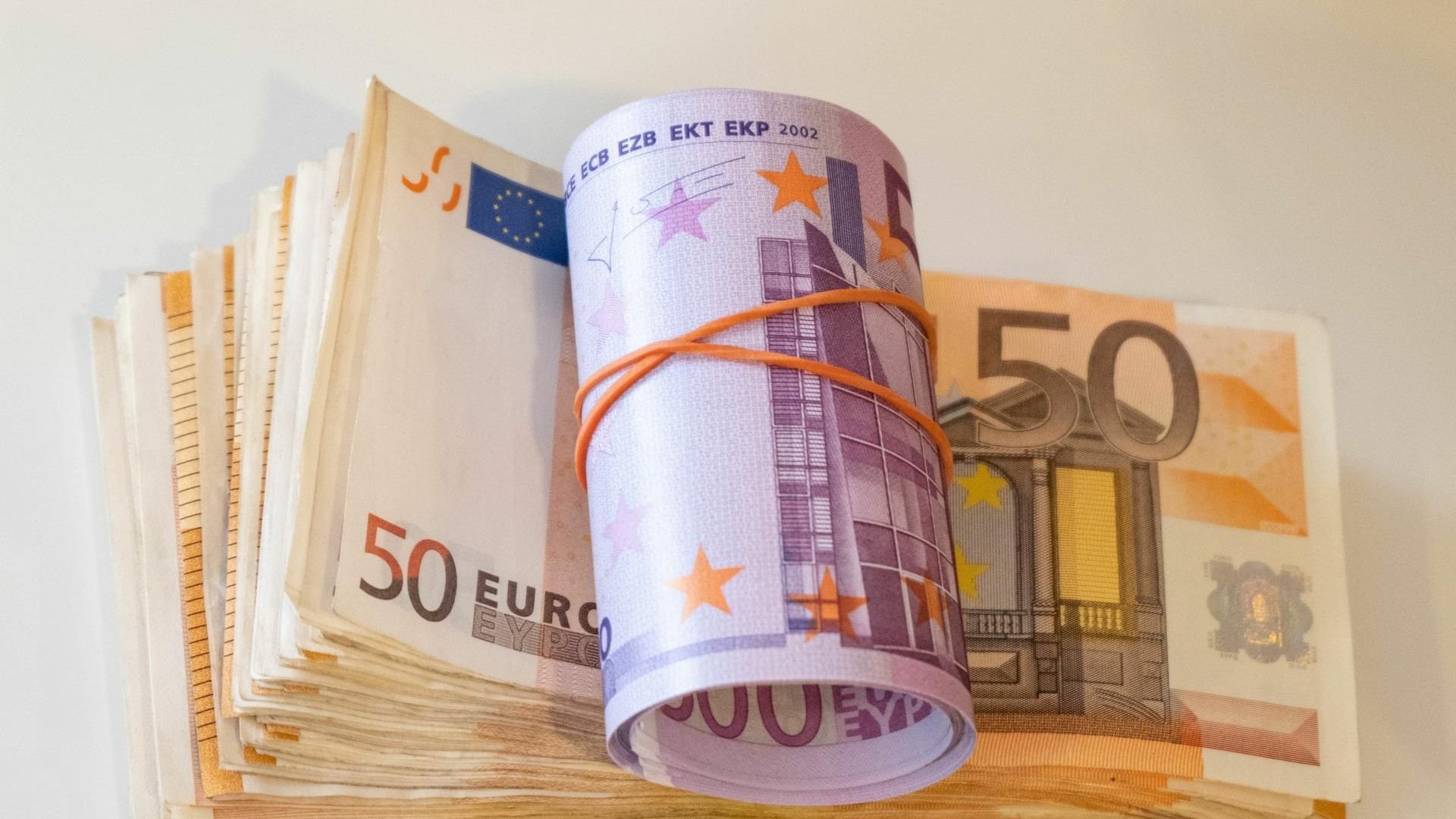
In 2025, an increase in the number of counterfeit euros withdrawn from circulation was recorded in Cyprus. As reported by the Central Bank, the number of detected counterfeit banknotes increased by 17.1% compared with 2024. Despite this, the overall level of counterfeits remains extremely low relative to the volume of cash in circulation.
According to official data, during the year 670 counterfeit banknotes of various denominations were withdrawn on the island. The largest share consisted of 50-euro notes, which accounted for 45.4% of all detected cases. This denomination is traditionally considered the most popular in cash payments, making it the most attractive for counterfeiters.
The situation in Europe: overall decline
In turn, according to the European Central Bank, about 444 thousand counterfeit euro banknotes were withdrawn in eurozone countries in 2025, which is 20% less than a year earlier. Thus, on the European scale there is a trend toward a decrease in the number of fake banknotes, while Cyprus recorded a local increase.
At the European level, the largest number of counterfeits involves 50- and 20-euro banknotes. Together they account for more than 80% of all detected fake money. Almost 97% of counterfeit notes are found in eurozone countries, which is explained by the active cash circulation in these states.
Why an increase is recorded in Cyprus
Experts link the increase in the number of detected counterfeit euros in Cyprus with the growth of tourist flow and the expansion of small businesses, where cash payments remain common. In recent years the island has shown a steady recovery in the tourism sector, and this inevitably increases the volume of cash transactions in hotels, restaurants, and retail trade.
In addition, specialists note that modern control methods have become more effective, and banking and commercial institutions are paying increased attention to verifying the authenticity of banknotes. This may also explain the increase in detected counterfeits, as the detection rate is rising.
Risks remain minimal
Despite the recorded increase, the Central Bank emphasizes that the share of counterfeit banknotes relative to the total number of genuine euros in circulation remains extremely insignificant. The probability of encountering a counterfeit note remains minimal.
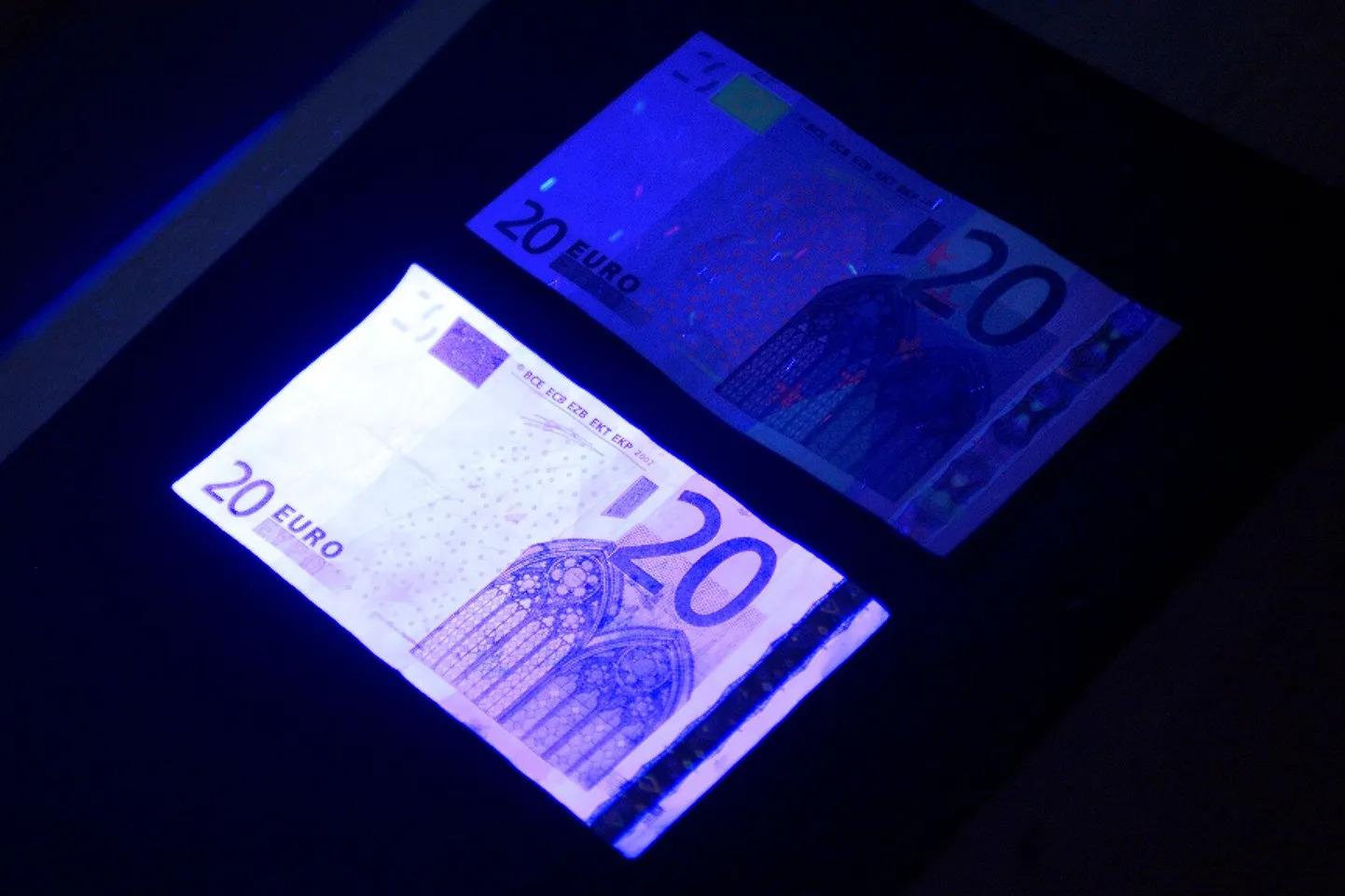
Nevertheless, the financial regulator urges citizens of Cyprus and business representatives to remain attentive when making cash payments. Official resources of the Central Bank of Cyprus and the European Central Bank provide recommendations on verifying the authenticity of euros. These include simple methods of visual and tactile inspection of security features, including watermarks, the security thread, and holograms.
Prospects for cash payments in Cyprus
Amid the active development of cashless payments and digital banking services, the volume of cash transactions is gradually decreasing, however Cyprus is not yet ready to completely abandon cash. This is especially true in tourist zones and small businesses, where the use of euros in cash form remains a common practice.
In the context of the digitalization of the financial sector and the strengthening of measures to combat economic crimes, the authorities of Cyprus continue to cooperate with European institutions to minimize the risks of the spread of counterfeit banknotes. Increasing financial literacy among the population and introducing modern authenticity-verification technologies remain key tools for protecting monetary circulation on the island.