
According to the latest 2024 data from Eurostat, 69.4% of Cyprus residents live in owner-occupied homes, while 30% are renters. This result is slightly above the EU average of 68.4%. At the European level, Romania remains the leader in homeownership, with an impressive 94%. Germany is the only country where the number of renters exceeds the number of homeowners — 52.8% versus 47.2%.
In Cyprus, most people prefer houses. Statistics show that 74% of the population lives in detached villas or houses, while 25% live in apartments. Across the EU, the picture is different: only 51% of Europeans live in houses, and 48% in apartments.
Housing Size and Living Conditions
Cyprus also stands out for its high amount of living space per person. On average, residents have two rooms per person — significantly above the EU average of 1.7 rooms, and almost double Romania’s figure of 1.1. The average household size in Cyprus is 2.5 people. In addition, the island has one of the lowest overcrowding rates in Europe — just 2%. In comparison, the EU average is 17%, and Romania reaches 41%.
Particularly notable is the rate of under-occupied housing: 70% of homes in Cyprus are considered under-utilized, more than double the EU average of 33%. Romania again presents the opposite extreme, with only 7% under-occupied dwellings.
Differences Between Urban and Rural Areas
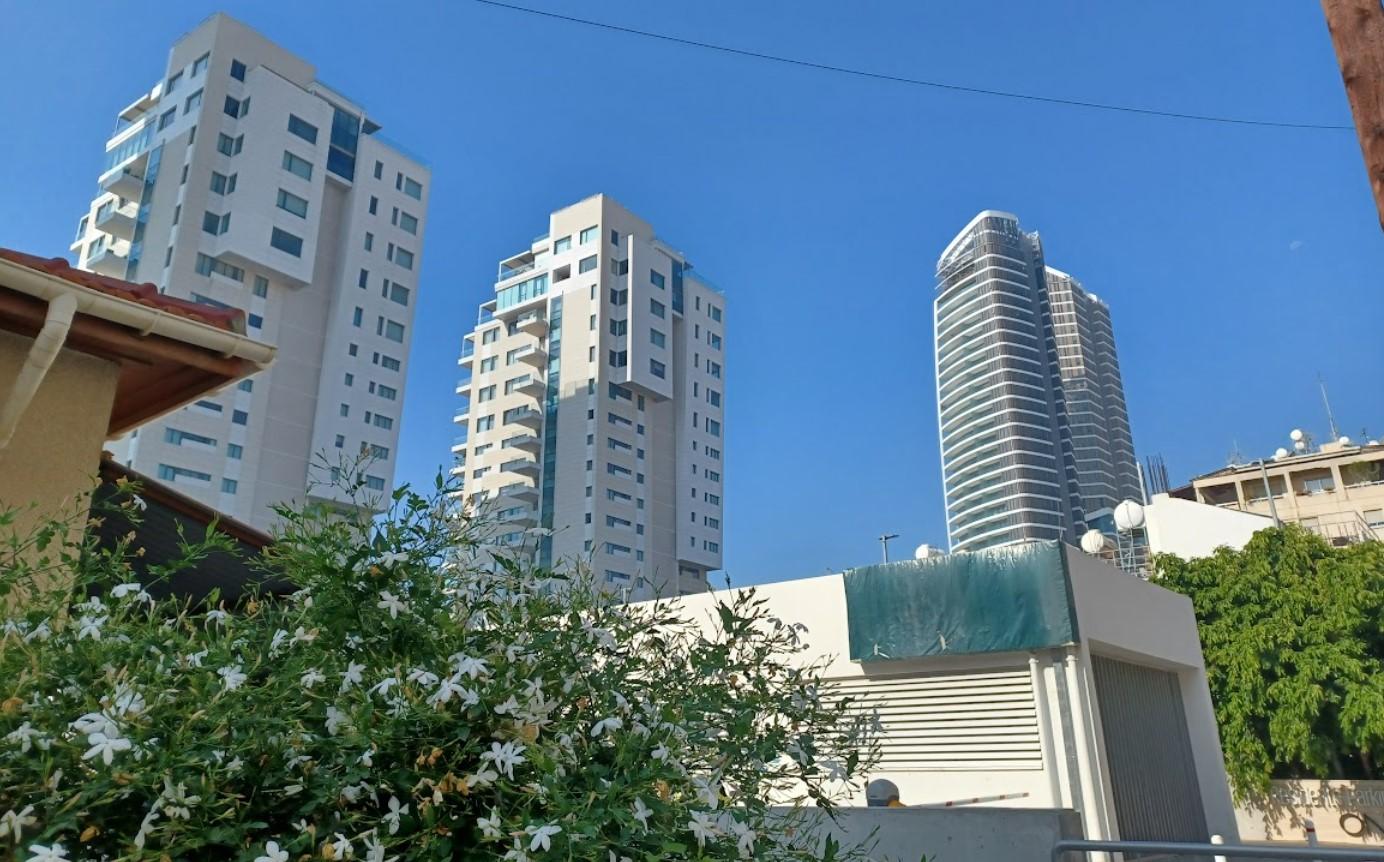
Eurostat also highlights a significant gap in housing structure between cities and villages. In major European cities, 73% of residents live in apartments and 27% in houses. In suburban areas the trend reverses: 57% live in houses and 43% in apartments. In rural areas, 83% of Europeans live in houses and only 16% in apartments. These trends also apply to Cyprus, where rural regions traditionally offer more space and larger homes.
Real Situation in 2024–2025: High Demand and a Shortage of Affordable Housing
Despite the positive Eurostat statistics, Cyprus faced a serious housing affordability crisis in 2024–2025. Demand for both rentals and purchases grew so sharply that the actual situation on the ground differs greatly from the averaged European data.
Rental prices continued to rise from August to October 2025. According to research from the consulting firm Perprice, rents increased the most in Paphos — by 4.8%. Slight increases were recorded in Nicosia and Larnaca. Limassol was the only city where rental costs fell, dropping by 1.9%.
Interior Minister Constantinos Ioannou noted that the rise in housing costs was influenced by geopolitical instability and inflation, which increased construction expenses and reduced supply in the market. In addition, high interest rates and a growing influx of foreign employees have made access to affordable housing even more difficult for local residents.