
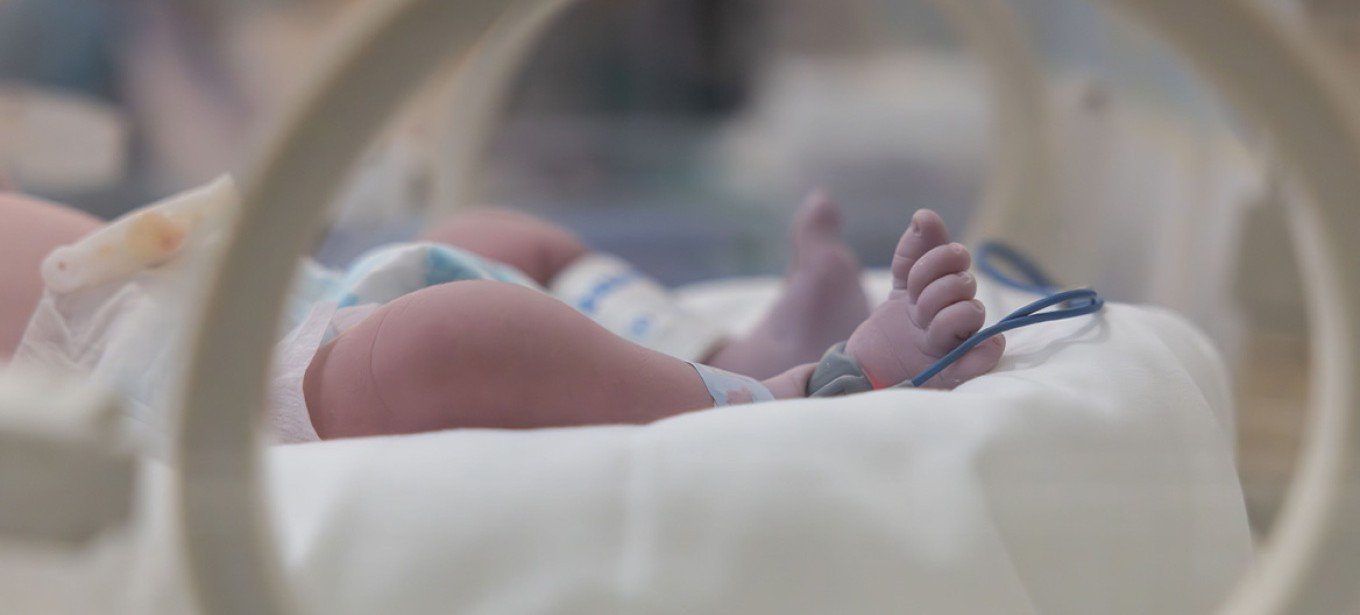
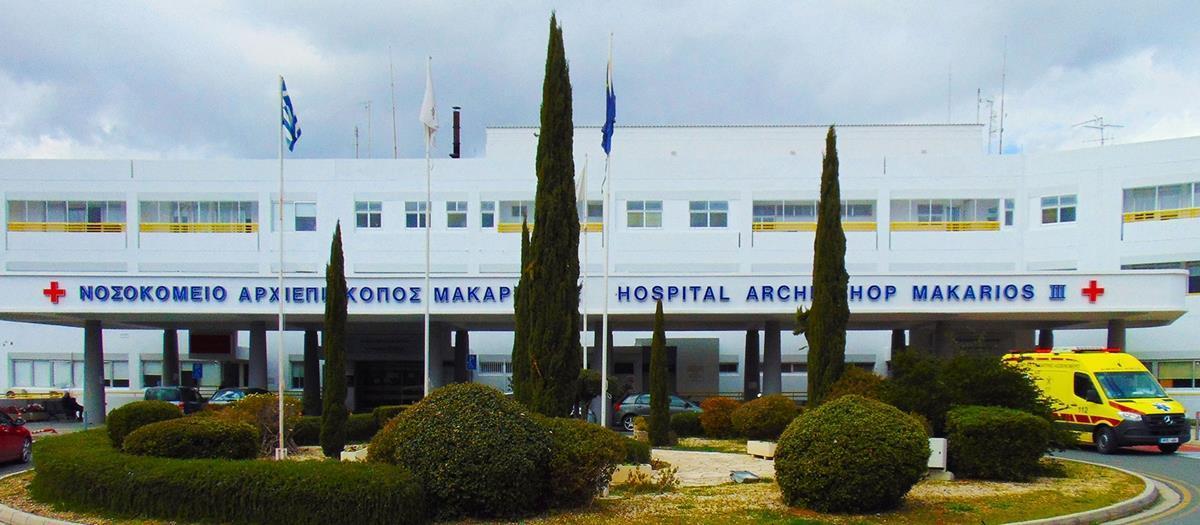
In Nicosia, one of the key medical projects of recent years has officially been launched — the modernization and expansion of the neonatal intensive care unit at Makarios Hospital. The awarding of the tender was announced by the chairman of the Parliamentary Health Committee, DISY party MP Efthymios Diplaros after the conclusion of the committee meeting.
According to him, the contract signing is expected in the coming weeks, and construction work will begin in late March – early April. According to the approved schedule, the new neonatal intensive care unit will be fully ready for operation by July 2027.
A new stage after prolonged delays
The project had long remained in limbo due to problems with the previous contractor. Now the State Health Services Organization (OKYPY) has repeated the procedure and selected a contractor while keeping the original architect. The total cost of the work will amount to about 10 million euros. This amount has already been included in the organization’s budget for 2026.
The reconstruction provides for a major renovation of the existing block and its connection with a new building through two special passageways. As a result, the area of the upgraded department will increase to 14 thousand km2, which will significantly expand the capabilities of the Cyprus healthcare system in the field of neonatal care.
Modern technologies and European standards
The new wing will include 26 fully equipped intensive care places with incubators for premature newborns. Four isolated rooms will also be equipped for infants with suspected infectious diseases and additional rooms for subsequent care with 24 incubators. Special attention has been paid to creating comfortable rooms for parents, which corresponds to modern international standards of family-oriented medicine.
The project has been designed in accordance with European and international requirements for neonatal intensive care units. This will significantly improve the level of medical care for children born prematurely or with serious complications. The modernization is expected to reduce the risks of long-term consequences, including neurological disorders, and help lower the infant mortality rate on the island.
Current workload and need for expansion
Today, seven specialized doctors, four neonatologists, two pediatric specialists, and 72 nurses work in the pediatric department in Nicosia. The department is designed for 48 beds for newborns, starting from the 23rd week of pregnancy and up to the first two weeks of life. Medical staff pay special attention to minimizing the separation of mother and child, reducing the length of hospitalization, and preventing complications.
Taking into account population growth and the increasing number of premature births, the need to expand neonatal care in Cyprus is becoming increasingly evident. The upgraded department in Nicosia will become a key element in the national healthcare system and strengthen the country’s position in specialized pediatric medicine.
Reforms in the Cyprus healthcare system
At the same time, Parliament continues to consider a bill on reforming the ambulance service, which will soon be put to a vote in a plenary session. These initiatives demonstrate the state’s course toward modernizing medical infrastructure and improving the quality of services within the national healthcare system.
The construction of the new neonatal intensive care unit in Nicosia is a strategic step for Cyprus aimed at ensuring modern, accessible, and high-tech care for the island’s youngest patients.