
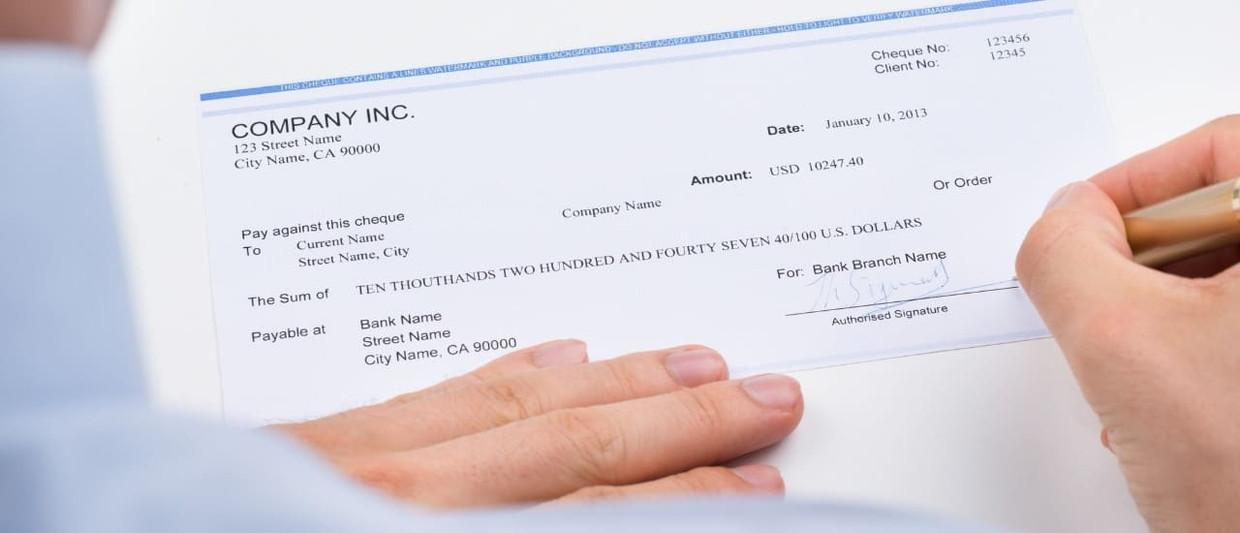
Starting January 1, 2026, Cyprus will officially stop accepting personal cheques for payments to the state. The decision was announced by the Ministry of Finance as part of a large-scale digital modernization of public services. According to the ministry, cheques no longer meet modern standards: they often delayed payment processing, required additional verification, and were frequently returned due to errors or insufficient funds. As a result, citizens had to repeat the entire procedure, causing time loss and increasing the workload on government agencies.
The new financial protocol aims to make payments fast, transparent, and convenient for all residents of the island. The phasing out of cheques has been underway for several years, with the final stage scheduled for early 2026.
How Government Services Can Be Paid For
After cheques are discontinued, citizens will have access only to electronic and instant payment methods. Government payments can be made using bank cards directly at government cash desks, through official online portals, as well as via bank transfers — including instant transactions that are completed within seconds.
Cash payments at government counters will still be allowed but remain limited to €10,000. Bank cheques will remain temporarily in circulation, but they are also expected to be fully phased out after a short transition period.
Why Is Cyprus Abolishing Cheques?
The new system has become possible thanks to accelerated digitalization of financial services and the growing availability of online payments among the population. According to the Central Bank of Cyprus, the share of electronic transactions rose by nearly 20% in 2024, and instant payments are now used ten times more often than five years ago. At the same time, the EU is increasing pressure on member states to eliminate “outdated” payment methods to improve data security and financial transparency.
Cheques, by contrast, are among the most vulnerable forms of payment: they are easy to forge, require manual verification, and generate a high number of errors, leading to financial losses and delays in government services. This is why many EU countries have already phased out cheques or are in the final stage of doing so.
What This Means for Citizens and Businesses
According to treasury officials, the transition to electronic payments will reduce payment processing time by nearly half and lower administrative costs. It will also make financial operations more predictable and secure, especially for businesses that frequently interact with government services.
In addition, digital payments allow users to track the status of transactions in real time, eliminating the need for repeated visits to government offices. In the coming months, the government plans to launch an information campaign to help citizens adapt to the changes and ensure the smoothest possible transition.