
The Parliamentary Committee on Refugee Affairs in Cyprus is considering the possibility of providing loans to participants of the housing program “Ktizo” through the Central Equal Burden Distribution Agency. This step is being discussed against the backdrop of serious concerns among MPs about the pace of the project’s implementation, as many apartment owners are unable to independently cover the amount required to complete construction and renovation works in refugee housing.
Representatives of the Land Department and the Legal Service informed the committee that the Central Agency is awaiting receipt of final guidelines on the application of the program. After that, it will be possible to consider the issue of granting loans to beneficiaries. According to senior official Irini Yiannakou, the document is planned to be submitted for review around mid-February 2026, after which its Administrative Board will decide on the lending procedure.
Progress of the first phase implementation
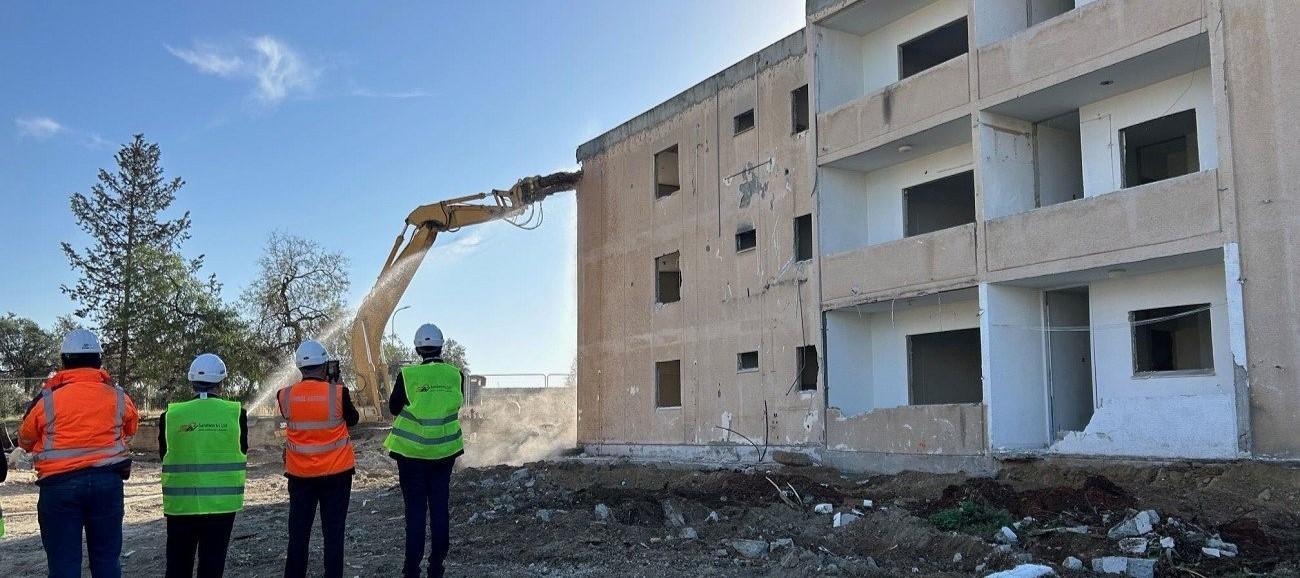
Yiannakou noted that the implementation of works in 43 apartment buildings of the first phase of the program is assessed as satisfactory. It is expected that by the summer of 2026, two of the five new residential buildings included in this phase of the project will be completed.
At the same time, she drew attention to existing difficulties. In the Strovolos area of Nicosia, seven apartment buildings included in the first phase of the state program have still not been vacated. Moreover, in two of them, owners continue to reside at their own risk. This complicates the execution of works and affects timelines.
Preparation of the second and third phases
As for the second phase of the “Ktizo” program, all beneficiaries of the 70 apartment buildings falling under this stage have already been officially informed. Additionally, 25 buildings belonging to the third phase have also been included in the information process. At present, 19 management committees have been formed, which are engaged in preparing and submitting applications within the framework of the program, which should accelerate further implementation of the project.
Additional support for vulnerable families
The committee was also informed that about €1 million, collected through donations within the framework of corporate social responsibility, was distributed through the Vulnerability Fund. These funds were directed to some beneficiaries of the first phase of the “Ktizo” program, taking into account their social and economic situation, and are intended to help cover construction costs.
Against the backdrop of rising costs of construction materials and services, the authorities emphasize that without additional financial instruments, including preferential lending, further implementation of the program may face new delays.
Essence of the program
The plan developed by the Ministry of Interior covers 358 housing units. First of all, works will cover 43 properties representing special risk. Until the project is fully completed, the government intends to provide rental payments to persons in need. The renovation program is desighned for 10 years.
The “Ktizo” program divides beneficiaries into three categories:
- Category 1 includes first-generation refugees, as well as second-, third-, and fourth-generation refugees who inherited unsafe property, provided they hold title to the housing property.
- Category 2 includes those refugees who purchased property in residential complexes with funds allocated to them by the state.
- Category 3 includes residents who purchased an apartment from refugees.
Residents of unsafe housing who decided not to receive an apartment in a building constructed on the site of a demolished one may claim compensation, the amount of which will depend on the cadastral value of the property and land. In cases where an unsafe building is subject not to demolition but to renovation, the state covers these costs.
Note that earlier the government of Cyprus revised the terms of the “Ktizo” program.