
Cyprus’s Department of Environment plans to present its final conclusion on the local development plan for Paralimni, Ayia Napa, and Deryneia by the end of February 2026. This means it will soon become clear whether large-scale projects will move forward—projects that affect the Special Protection Area “Ayia Thekla – Liopetri.”
The review timeline was officially announced at a special session of the Parliamentary Committee on Commerce by the Director General for Environment, Kostas Konstantinou, and the Deputy Director of the Department of Environment, Elena Stylianopoulou. This is one of the most sensitive urban-planning issues in eastern Cyprus, where environmental, tourism, and major investor interests collide directly.
Environmental assessment and a disputed tourist zone
The Department of Environment of Cyprus has in its possession an Additional Special Environmental Assessment Study prepared by the National Technical University of Athens. The document was submitted by the Ayia Napa municipality on behalf of local authorities as part of the objections procedure regarding development in the area, and was then forwarded to state bodies for evaluation.
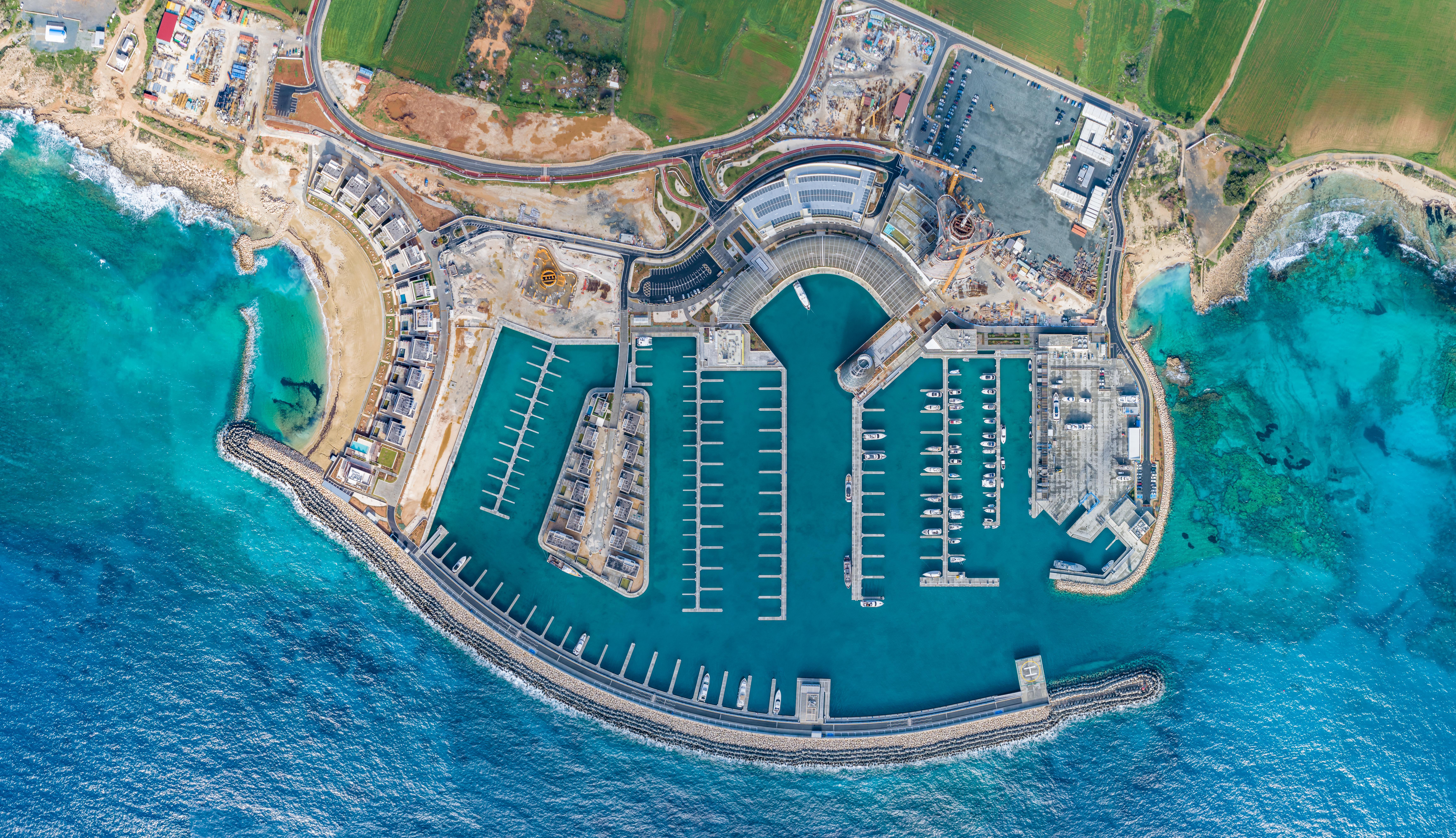
The purpose of the study is to justify changing the urban-planning status of the Ayia Thekla area. The municipalities support upgrading the tourist-zone category between the Ayia Napa marina and Makronissos Beach, counting on further development of resort infrastructure. However, this area falls under the Special Report on the cumulative impacts of existing, planned, and future projects in the Natura 2000 site “Ayia Thekla – Liopetri,” published back in 2021.
Environmentalists stress that intensifying tourist development near a protected zone will inevitably increase human pressure, disturb wildlife, and degrade remaining natural habitats, and may also disrupt the functioning of an important migration corridor. According to preliminary assessments, such changes could cause serious damage to the integrity of the protected area.
Experts, Parliament, and the business perspective
For a comprehensive analysis of the environmental study, the Department of Environment engaged an independent specialist expert. The assessment process is technocratic in nature and based on scientific criteria, with no political decisions at this stage. In parallel, Parliament gave the floor to businesses operating in the region. At the committee meeting, representatives of the affected companies stated their positions, and the tone of the discussion proved extremely harsh.
Investors raise the alarm over Natura 2000 rules
Ayia Napa Marina’s CEO, Stavros Karamontanis, delivered sharp criticism, claiming investors were effectively misled. According to him, when the project—now costing about 340 million euros—was launched, Natura 2000 requirements were not included in the original tender conditions. He questioned whether there is genuine political will to implement the National Tourism Development Plan through 2030, emphasizing reputational risks for the country.
A similar position was voiced by a representative of the Sun City project, Pantelis Tsolakis. He recalled that on January 15, 2025, the Administrative Court annulled the withdrawal of a ministerial decision on the project; however, according to him, the Ministry of Interior has still not complied with the court ruling. The company warns of losses reaching 4 million euros per year in management costs alone, as well as the risk of large compensation payments at the expense of the state.
High-rise development as a compromise?
Citing studies by the National Technical University of Athens, business representatives argue that vertical development may be environmentally preferable. In their view, this approach requires less land coverage and does not negatively affect brachiplumidi—a rare bird species that is a key factor behind environmental restrictions in the region.
The final decision by Cyprus’s Department of Environment is expected to put an end to a long-running conflict between nature protection and tourism development in eastern Cyprus. Until February 2026, this issue remains one of the most discussed on the island—among both environmentalists and investors.