
International analysts predict that the European Central Bank will cut the deposit rate again on 6 March.
If the forecast comes true, it will be the fifth consecutive cut since September 2024.
The rate is expected to fall to 2%, which will also affect Euribor - a key index for calculating payments on variable-rate loans. According to the minutes of the ECB's meeting on 30th January, the majority of the 26 members of the Governing Council supported further rate cuts in order not to slow down the recovery of the eurozone economy.
Recall that the EU's inflation target for 2025 is set at 2%. ECB sources stress:
- The neutral interest rate - the rate that neither stimulates nor slows economic growth - is now higher than before the pandemic.
- The rise in savings is linked to increased investment in environmental and digital projects, as well as rising public debt in all countries.
Following the move by regulators to ease monetary conditions to prevent a recession in the eurozone, price growth has gradually accelerated. According to Eurostat's preliminary estimate, eurozone GDP grew by just 0.1 per cent in the fourth quarter of 2002, down from 0.4 per cent three months earlier. A technical recession occurs when the economy shrinks or experiences near-zero growth for two consecutive quarters. Given this, we can expect the ECB to cut rates by another 25 basis points at its meeting on 6 March, preferring to stimulate economic growth rather than curb inflation, which experts believe is currently far from critical levels.
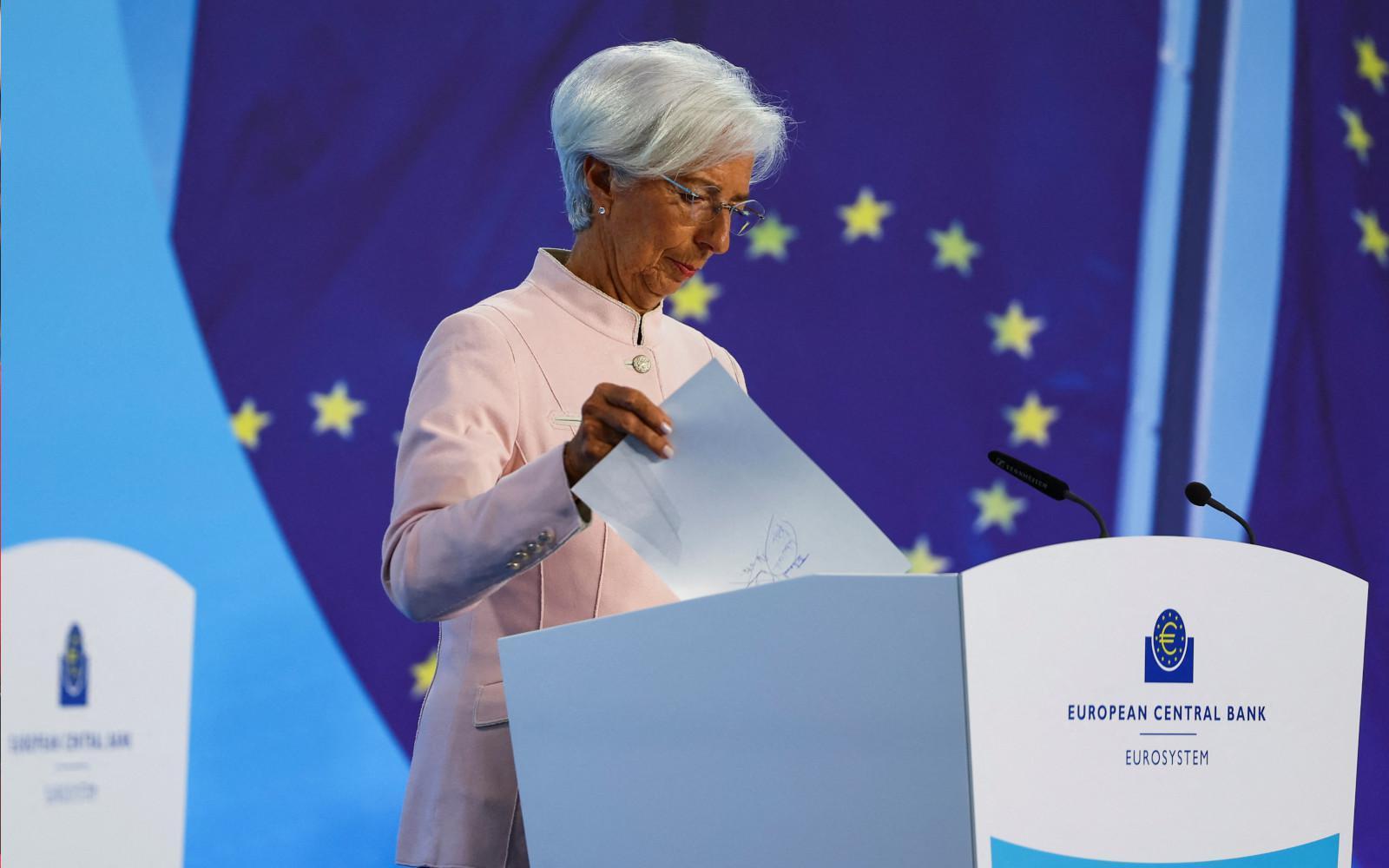
Recall that the ECB began cutting borrowing costs in 2024 amid growing confidence that inflation will eventually return to its 2% target.
Officials left little doubt that they will continue to make adjustments. However, they declined to give a specific timetable, citing the uncertain global economic situation.