
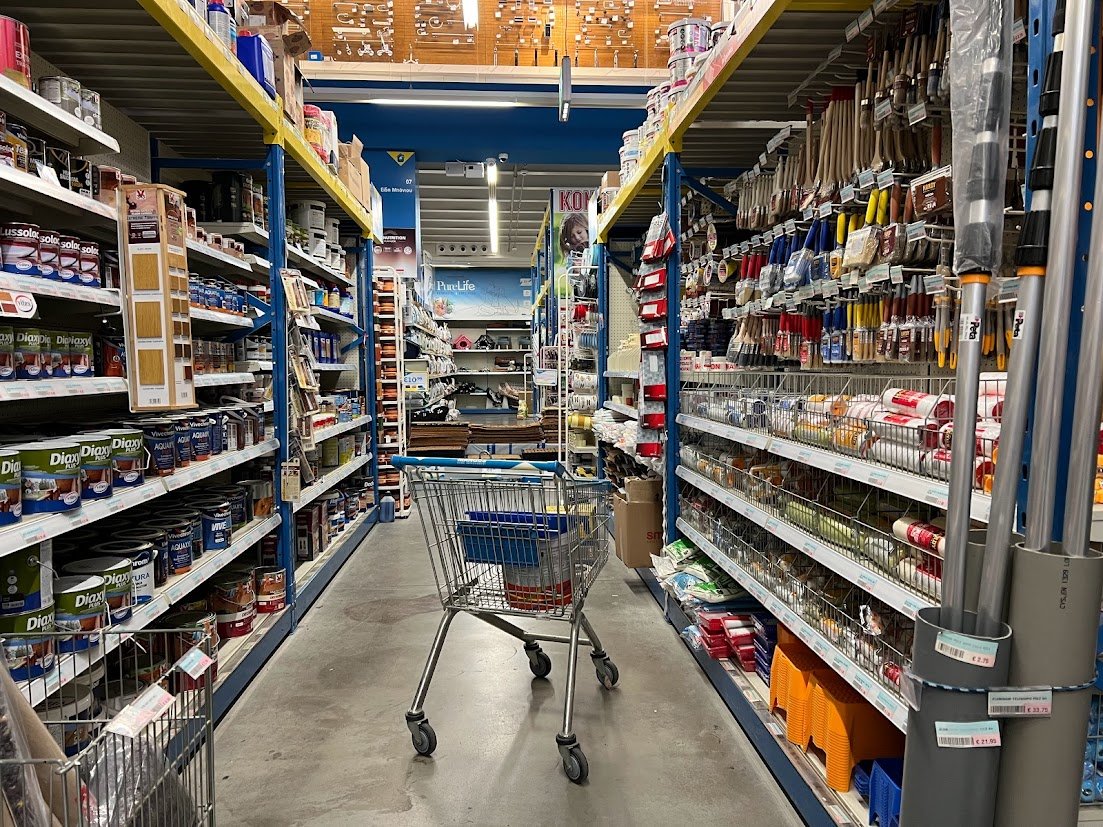
In November 2025, the cost of construction materials in Cyprus increased by 1.16% compared with the same month a year earlier, according to data published by the Statistical Service of Cyprus. The Construction Materials Price Index reached 118.63 points, with 2021 as the base year (100). This confirms that despite the easing of the sharp price spikes seen in previous years, the overall trend remains upward.
For the construction sector and the real estate market, this means that the cost base of new projects continues to rise, albeit at a more moderate pace than during the energy crisis and periods of global supply chain disruptions.
Slight Month-on-Month Decline
Interestingly, compared with October 2025, construction material prices in November fell by 0.34%. Experts attribute this to temporary supply stabilization and reduced pressure from transportation and energy costs. However, specialists stress that this movement is short-lived and does not alter the overall annual picture. In practical terms, developers have gained a brief respite, but it is still too early to speak of a sustained downward trend in prices.
2025 Overview: Growth Persists
Looking at the period from January to November 2025, construction material costs rose by a cumulative 1.28% compared with the same period in 2024. This figure demonstrates the persistence of inflationary pressure in the construction sector, even amid a more cautious monetary policy in Europe and slower price growth in several other areas of the economy. For property buyers, this suggests that new developments in 2026 are unlikely to become significantly cheaper, especially in popular areas such as Limassol, Nicosia, and coastal cities.
Which Materials Rose the Most
The strongest year-on-year price increases were recorded in the minerals category, where prices rose by 3.65%. Mineral products also increased by around 3%. Moderate growth was seen in timber products, thermal insulation materials, chemicals, and plastics, directly affecting the cost of finishing and engineering works.
At the same time, some categories had a dampening effect. Electromechanical equipment became cheaper by around 1.6%, while metal products declined by almost 1%. These decreases partially offset increases in other segments and prevented the index from rising even further.
What This Means for the Cypriot Real Estate Market
Rising construction material prices remain a key factor for the entire real estate market. For developers, this means the need for more precise budget and timeline planning, while for buyers it underscores that the pricing of new-build properties reflects ongoing increases in construction costs. Experts expect price growth to be more restrained in 2026, but a complete halt to the process appears unlikely due to strong housing demand and limited supply, particularly in the segment of modern residential developments.