
In the Cyprus Parliament, heated debates have erupted over the fate of the project to import liquefied natural gas to Vasiliko. Opposition MPs accused the government of a lack of transparency and clear answers, warning that the final cost of the strategic project could rise from the initial €315 million to €1 billion. The situation around the new terminal is causing great concern, as it directly affects the country’s energy security, electricity prices, and Cyprus’s environmental commitments.
Conflict in Parliament and refusal to disclose data
Discussion in the Parliamentary Committee on Energy quickly moved into a tense phase when the head of the state company Etyfa, responsible for gas infrastructure, Yorgos Ashikalis, refused to disclose information about ongoing payments to government consultants on the project. He also did not provide MPs with data on the interim report being prepared by Technip — the state’s technical consultant for the frozen project.
According to Ashikalis, confidential information in the past had already made its way into the media, which, he claims, harmed the interests of the Republic of Cyprus in arbitration proceedings in London against a former contractor — the Chinese consortium that left the project in July 2024, leaving the Vasiliko terminal in a state of uncertainty.
New energy minister and no timelines
The meeting became the first serious test for Cyprus’s new energy minister, Michalis Damianou, who attended the hearing but refused to name even an indicative timeframe for completing the project. He limited himself to saying that the government is “trying to find a way out” and promised to return to the next meeting with answers to MPs’ specific questions.
The minister attributed a significant part of the delays to bureaucracy and complex public procurement procedures. This concerns new tenders that the authorities are forced to develop from scratch in the search for subcontractors to complete the terminal in Vasiliko, which is already half built.
The vessel Prometheas and an unprepared jetty
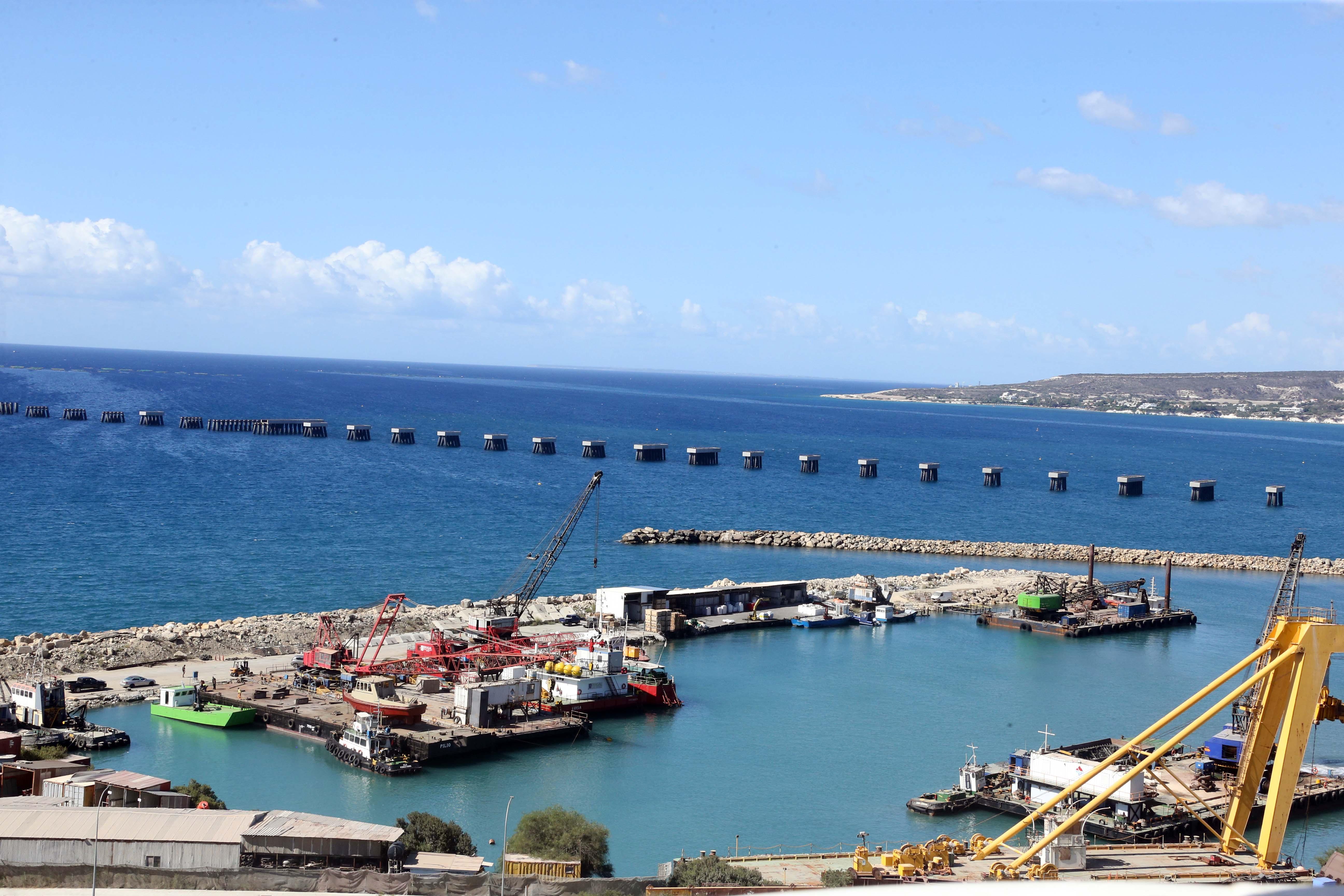
Special attention was paid to the vessel Prometheas — a floating storage and regasification unit for liquefied gas, which is still off the coast of Malaysia. Damianou explained that the vessel can undergo certification only after being fully loaded with liquefied gas. However, even in that case, he said, there is no point in bringing Prometheas to Cyprus, since the jetty in Vasiliko is still not ready.
Prometheas was supposed to become the key element of the project, providing the conversion of liquefied gas into a gaseous state and the subsequent supply of fuel to the nearby power plant. For now, this part of the infrastructure remains unavailable.
Political criticism and the rising cost of delay
After the meeting, the chair of the Energy Committee, Kyriakos Hadjiannnis, said he was disappointed and urged the government to take a political decision rather than “hiding behind consultants.” He stressed that the absence of the terminal is costing Cypriot consumers about €1 million per day.
AKEL party leader and MP Stefanos Stefanou also delivered harsh criticism, saying the government is not providing Parliament with sufficient information. He described the Vasiliko project and the planned energy interconnector with Greece as “two ticking time bombs” inherited by the current administration from the government of Nicos Anastasiades.
Environment, fuel, and €1.3 billion for emissions
Stefanou recalled that from 2018 through the first half of 2025, Cyprus paid about €1.3 billion for greenhouse-gas emissions allowances. Today the island’s power plants continue to run on heavy fuel oil and diesel fuel, making electricity generation expensive and environmentally burdensome.
A switch to liquefied gas, repeatedly described as a strategic goal, would significantly reduce emissions and lower dependence on costly environmental payments. However, the protracted implementation of the Vasiliko project calls these expectations into question and increases pressure on both the state budget and households.
Cyprus facing an energy choice
The story of the Vasiliko project is increasingly becoming a symbol of systemic problems in implementing major infrastructure initiatives in Cyprus. Against the backdrop of rising electricity prices, climate commitments, and geopolitical instability, the question of the project’s future goes far beyond technical details.
For Cyprus, this is not just an unfinished terminal, but a strategic choice between continuing an expensive and polluting energy model and transitioning to a more sustainable and economically justified solution, the price of delaying which is already being measured in hundreds of millions of euros.