

The student housing segment in Cyprus is facing a real crisis. Demand is growing every year, while supply — both on the private market and in university dormitories — is failing to keep pace. As a result, rental rates are reaching record highs, especially in Limassol, while students are forced to begin their search earlier and consider options farther away from university campuses.
Market situation: demand is growing, supply is lagging behind
According to Marinos Kineyirou, President of the Council for Registration of Real Estate Agents, the increase in the number of students is having a direct impact on the rental market. In recent years, the number of students enrolled in higher education institutions has risen significantly — 57,889 students were registered in the 2023–2024 academic year, which was 9.4% more than a year earlier. At the same time, the supply of organised student accommodation remains extremely limited, and the differences between districts are substantial.
According to Kineyirou, the main problem lies not only in the number of available properties, but also in their cost. It is becoming increasingly difficult for students and their families to find housing that fits their budget. The main challenge is the limited supply of small, furnished and functional apartments at affordable prices in areas close to universities. Students compete for such housing with working professionals, families and specialists moving to Cyprus, which keeps prices high. This is why experts strongly recommend starting the search as early as possible — the best and more affordable options are taken almost immediately, especially before the start of the academic year.
Rental prices by city
The most expensive city for students is Limassol. Rent for a 1-bedroom apartment can reach €1,500 per month. A 2-bedroom apartment costs around €2,000, while a 3-bedroom apartment can cost up to €2,700. Average market rates are also high: a 1-bedroom apartment costs around €1,200, a 2-bedroom apartment approximately €1,550, and a 3-bedroom apartment €2,250. This rise in prices is driven not only by students, but also by the large number of foreign professionals and companies operating in the city. However, even in more distant areas such as Kato Polemidia, Germasogeia and Ypsonas, rents remain high.
In Nicosia — the capital and the country’s largest student centre — prices are noticeably lower. A 1-bedroom apartment can be rented for €600–900. A 2-bedroom apartment will cost approximately 20–30% more, while a 3-bedroom apartment may cost up to €1,700. Average rates in university areas such as Aglantzia and Engomi are around €708 for a 1-bedroom apartment, €942 for a 2-bedroom apartment and €1,317 for a 3-bedroom apartment.
Larnaca and Paphos offer roughly the same prices as Nicosia for smaller apartments. However, 3-bedroom apartments are 15–20% cheaper. Average rates are as follows: in Larnaca, a 1-bedroom apartment costs around €680, a 2-bedroom apartment €850, and a 3-bedroom apartment €1,150. In Paphos, the corresponding figures are €700, €900 and €1,100.
The most affordable region is Paralimni. Here, a 1-bedroom apartment costs no more than €700, while a 2-bedroom apartment costs up to €900. At the same time, €900 is only the starting price for 3-bedroom apartments.
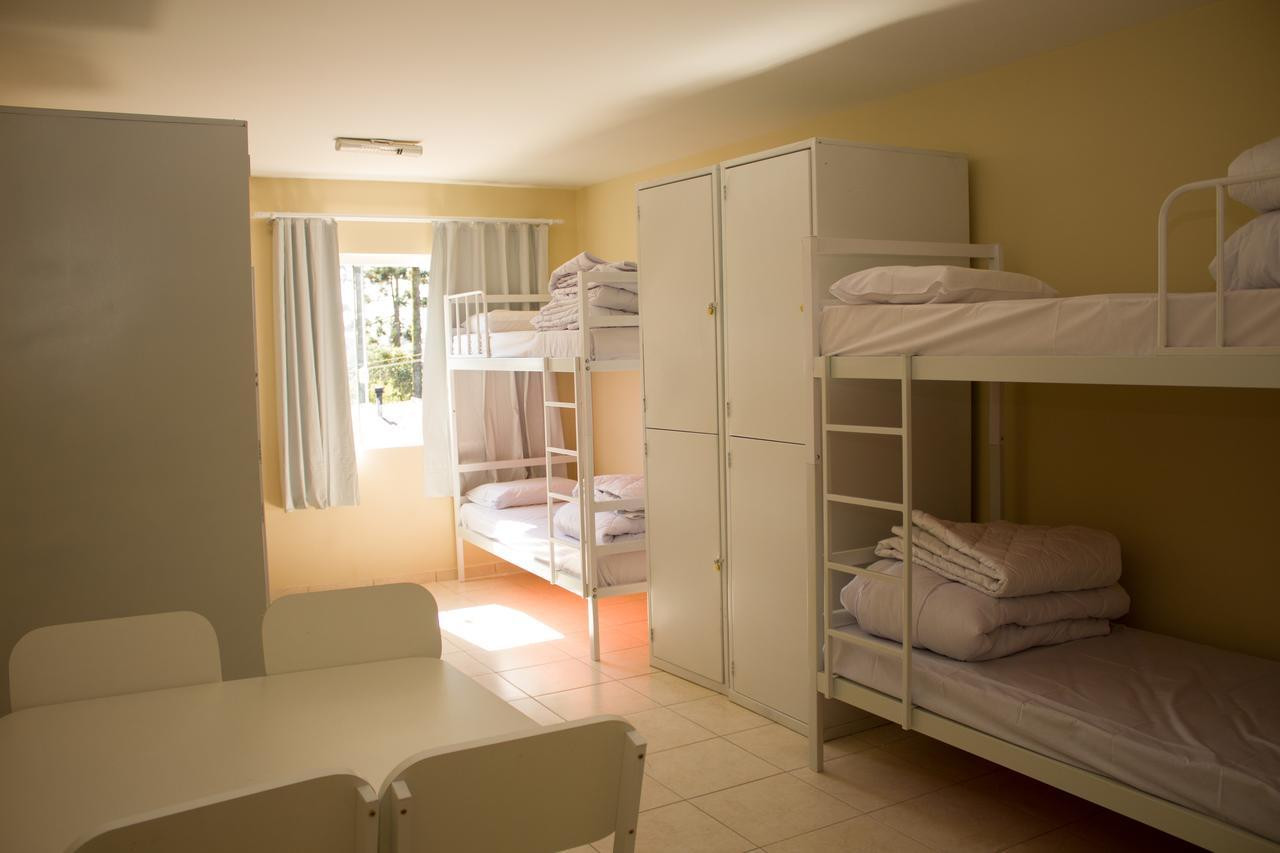
Alternatives: dormitories and shared accommodation
For many students, university dormitories provide a solution, as their prices are significantly lower than market rates. For example, in the dormitories of the Cyprus University of Technology (CUT), subsidised rent is €350 per month for students selected according to socio-economic criteria, while the standard fee is €550. These amounts already include utilities, internet and cleaning of common areas. At the University of Cyprus, prices are even lower — from €120 to €160 per month — but such places are available only to students from very low-income families.
However, the number of dormitory places is limited. For the 2026–2027 academic year, CUT has allocated 150 places in the new “Verengaria” building and 50 places in the “Apollonia” residence in Limassol, as well as 57 places in Paphos. For students who do not receive a place in university accommodation, the university provides a monthly rental subsidy of €250 for 10 months — around €2,500 per academic year.
The University of Cyprus currently offers only 208 places in its dormitories, allocated according to socio-economic criteria. Rent is around €150 per month, including all utilities. Plans are under way for the construction of new residential buildings with 900 places, but the first 500 places are expected only in about three years.
Another popular option is shared renting. Sharing an apartment with other students can significantly reduce expenses.
New projects
The situation is beginning to improve. CUT is actively expanding its own infrastructure. The first phase of the student residences in Kato Polemidia, the “Verengaria” complex, is already being put into operation. From September 2026, 150 rooms are available, and by 2027 their number is expected to reach 500. The total cost of the project is estimated at €191 million, of which €125 million is being provided by the European Investment Bank. In addition, the university is planning a second campus on the site of the former Limassol hospital, including another student residence with 120 places and a total estimated cost of around €104 million.
CUT management aims, within the next two years, to guarantee accommodation to all first-year students who wish to live in university residences, as well as to all students facing financial difficulties. The University of Cyprus is also planning further expansion. A project is being developed for new dormitories with a total capacity of 900 places. The first 500 places could become available in approximately three years, provided the necessary government approvals are obtained.
Demand for student housing in Cyprus continues to rise, and so do prices. The most difficult situation is in Limassol, where rents have reached record levels. Universities are trying to ease the pressure by constructing new dormitories and providing subsidies, but these measures are still insufficient to fully meet demand. In the coming years, the key factor will be the implementation of major construction projects by CUT and the University of Cyprus, which could significantly reshape the student rental market. For now, students have little choice but to begin their search as early as possible and consider all available options — from dormitories to sharing a rental with fellow students.