
Shopping centers continue to be the most in-demand format of commercial real estate in Cyprus, significantly outperforming street-level shops. According to the latest analytical report by Danos & Associates, this trend not only persisted in 2025 but became even stronger. Demand from major international brands, food and beverage chains, and fashion retailers continues to drive rental rates upward, especially in the country’s most popular malls.
Average rents for high-quality retail space in leading shopping centers have already reached €70 per square meter per month—well above pre-pandemic levels, when rates hovered around €45. This growth is driven by stable footfall, a controlled environment, convenient logistics, and the high level of commercial predictability that shopping centers offer tenants.
New Projects and Market Pressure
Despite high occupancy levels in existing malls, new projects are being considered across different regions of Cyprus, including expansions of existing complexes, particularly in the Limassol area. However, some initiatives face bureaucratic delays and challenges in obtaining permits. Experts note that while new supply could ease pressure on the market, it may also intensify competition among shopping centers themselves.
Contrast Between Cities and Retail Formats
The street retail market remains highly uneven. Differences in rental levels between cities—and even between districts within the same city—remain significant. Limassol records the highest figures for central street retail, while Nicosia remains more affordable but less dynamic. Larnaca benefits from tourist demand, whereas Paphos and the free areas of Famagusta maintain moderate price levels amid limited supply.
This polarization highlights a widening gap between prime locations and secondary retail zones, where businesses increasingly face the risk of declining footfall and reduced consumer activity.
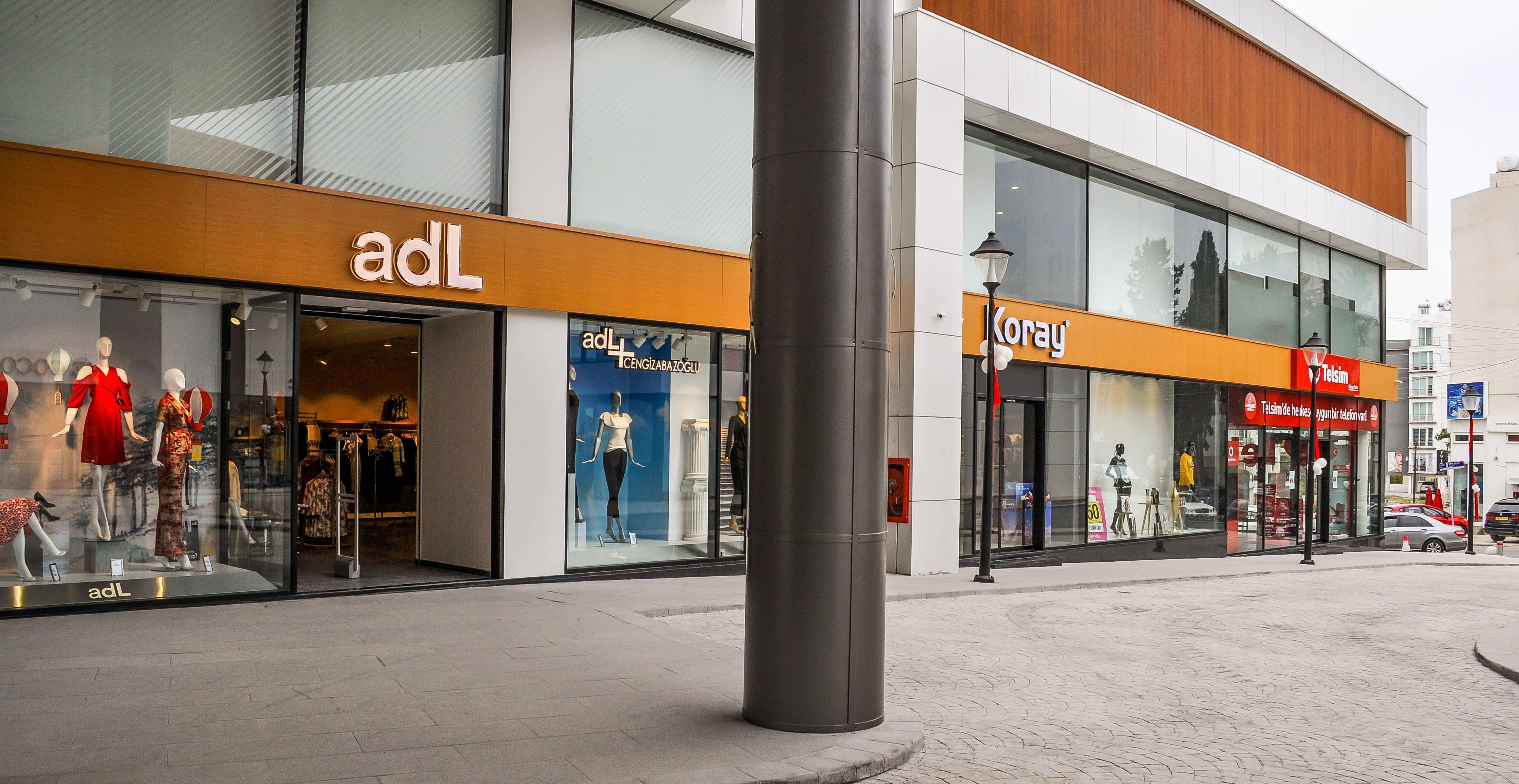
Nicosia: The City Center Under Pressure
In the capital, the main retail flows are concentrated on Ledra Street, Makarios Avenue, and surrounding areas. Ledra Street continues to benefit from tourist footfall and pedestrian traffic, while Makarios Avenue is gradually transforming from a luxury shopping street into a mixed-use area with offices, services, and food outlets. Nevertheless, limited parking availability and competition from shopping centers continue to restrain the growth of traditional street retail.
Limassol: The Most Resilient Market
Limassol shows the most resilient performance, driven by population growth, strong tourism, and international business activity. Anexartisias Street, the seafront, and nearby districts remain key points of attraction. However, even here rental rates are rising faster than business profitability, while competition from modern malls and mixed-use developments continues to intensify.
Shopping Centers vs. Street Retail: Who Wins?
Across the country, shopping centers consistently outperform street retail in terms of yields. In premium malls, rental rates reach €55–€70 per square meter, supported by high occupancy and strong interest from international brands. Street retail, by contrast, shows more moderate growth and remains heavily dependent on location.
Sale prices for retail properties are rising more slowly than in the residential segment, confirming that investors increasingly view retail as a source of stable income rather than rapid capital appreciation. The highest prices are recorded in Limassol, while Paphos and the free areas of Famagusta remain more affordable.
Where the Market Is Heading in 2025
Experts note that new developments are increasingly focused on mixed-use formats, energy efficiency, and compact retail spaces. Retailers are prioritizing digital solutions, omnichannel strategies, and customer experience rather than relying solely on physical presence. Municipalities, in turn, are seeking to support local commerce and a balanced urban environment.
Investors remain interested in commercial real estate but are becoming more selective, favoring assets with sustainable demand, high-quality management, and long-term potential.
Cyprus’s retail real estate market in 2025 remains active but increasingly polarized. Shopping centers are strengthening their positions and continue to attract tenants, while street retail faces growing challenges and requires precise location selection. In the coming years, flexibility, resilience, and the ability to adapt to changing consumer behavior will be the key factors for success.