
Cyprus is modernizing its passport control system at Larnaca and Paphos international airports. The authorities have ordered 40 new Automated Border Control gates (ABC Gates), which are expected to arrive by the end of 2026 and, once installed, gradually replace the existing interactive kiosks. The system upgrade is also being considered as part of Cyprus’s preparations for its future accession to the Schengen Area. At the same time, the European Commission reported in July 2026 that Cyprus’s technical readiness had received a positive assessment, although the final decision on the country’s accession to Schengen is taken by the Council of the EU.
The current BorderXpress interactive kiosks have been operating at Cyprus airports since July 2018. They allow passengers to scan their passports, take a photograph and undergo a number of automated checks themselves. However, the final decision on whether a passenger may cross the border is still made by a passport control officer. This is the main difference with the new ABC Gates: if the automated check does not identify any issues, the passenger will be able to complete the procedure without additional intervention by an officer.
What the Current System Has Shown
According to the Ministry of Justice, the interactive kiosks currently handle around 50% of total passenger traffic. In 2025, 65.6% of checks carried out through the kiosks were completed without a positive alert requiring additional intervention.
Another 13% of checks involved underage passengers. In such cases, officers need to additionally verify that the child is travelling with parents or legal guardians. This is particularly important for preventing cases of unlawful removal of children.
The remaining 21.4% of cases required additional checks. The reasons could include doubts about the authenticity or validity of documents, inconsistencies in the data, the person being listed in national, European or international wanted-person databases, issues related to military service obligations, as well as verification of the passenger’s right to enter or stay in Cyprus.
Members of the Frontex standing corps, deployed to Cyprus at the request of the government, also participate in airport operations. They may carry out passport and additional checks, although final responsibility for authorizing a border crossing remains with the designated officers of the Cyprus Police.
Why the Old System Is Being Replaced
The current system was originally selected because of its technological capabilities, high passenger-processing speed and relatively limited space requirements. The use of kiosks was not directly related to the fact that Cyprus is not yet part of the Schengen Area.
Authorities had previously considered abandoning the paper confirmations issued after passengers use the kiosk and replacing them with an electronic check using a QR code and electronic gates. However, the idea was dropped: according to specialists, the additional stage could have increased the overall time needed to pass through passport control.
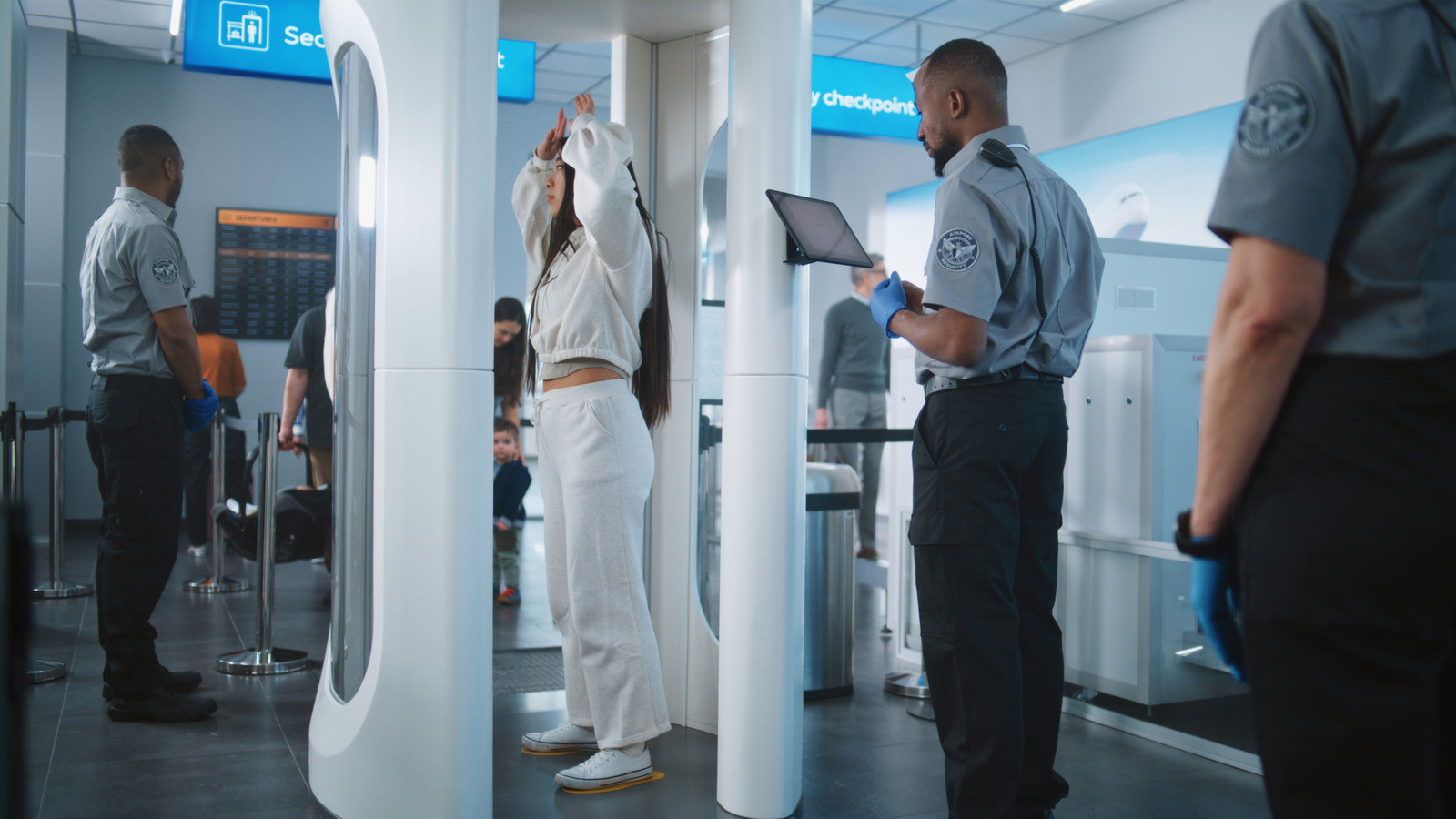
The new ABC Gates will use automated document checks and biometric passenger identification. If the system does not detect any grounds for additional screening, the entire process will be able to be completed automatically. This should reduce the workload on officers and speed up border checks during periods of high passenger traffic.
The exact cost of purchasing, installing, operating and maintaining the current interactive kiosks was not specified in the response provided by the Ministry of Justice. The ministry explained that the equipment is owned by the Ministry of Transport, Communications and Works, and therefore the relevant information falls within its area of responsibility.
What Will Change for Passengers
The transition to ABC Gates will be particularly important as European border infrastructure adapts to new requirements. In the Schengen Area, the Entry/Exit System (EES) has been fully operational at the external Schengen borders since April 10, 2026. It records travel document data and biometric information for certain non-EU nationals travelling for short stays.
For Cyprus, the airport modernization means creating a more advanced border control system capable of using biometric technologies and meeting future European requirements. Following Cyprus’s possible accession to the Schengen Area, the current interactive kiosks will no longer be required, since border controls at internal borders between Schengen countries will be abolished.
Thus, passengers at Larnaca and Paphos airports can expect a gradual transition from a semi-automated procedure to fully automated passport control. The authorities expect to receive the first 40 new ABC Gates by the end of 2026.