
At a meeting of the Parliamentary Committee on Refugee Affairs in Cyprus, alarming statistics were presented: a loan of just €27,000, taken out back in 1970, has grown to €1 million due to accumulated interest and penalties. This example was given by the president of the Cyprus Bar Association, Michalis Vorkas, highlighting the scale of the debt problem in refugee settlements.
According to the Central Bank, there are currently 1,320 mortgage loans, of which 554 are active and 776 are non-performing (NPLs), meaning repayments have already stopped. Another 599 properties are managed by companies handling distressed loans, and foreclosure processes have already begun.
One in Seven Homes at Risk of Seizure
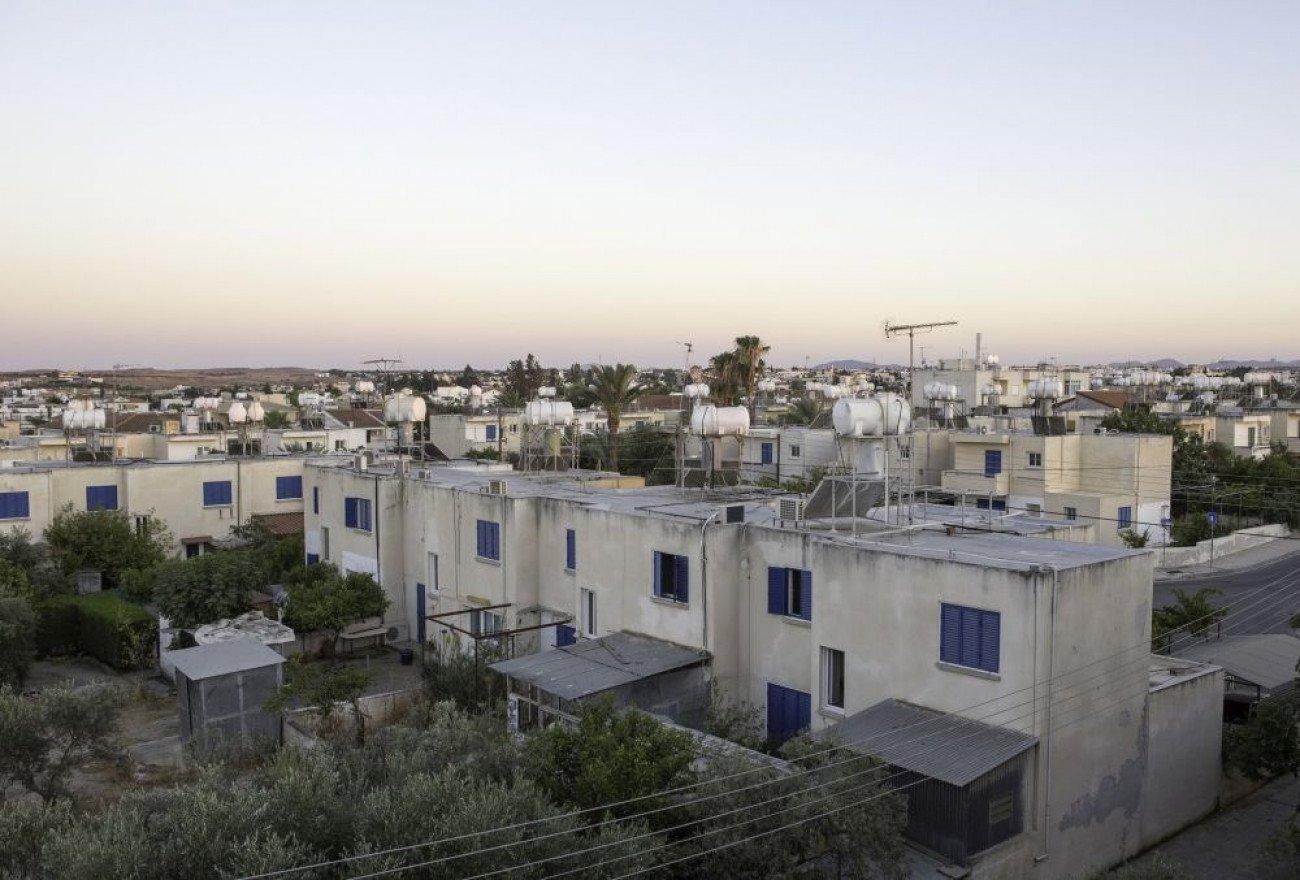
About 14,000 housing units are located in state-built refugee settlements in Cyprus. This means that one in seven homes could be at risk of repossession if no measures are implemented.
A representative of the Land Registry, Katerina Antoniou, noted that most of these homes already have issued title deeds, limiting the authorities’ ability to intervene — legally, the owners are fully responsible for their loans.
The president of the Cyprus Bar Association pointed out the contradiction: the state granted refugees property rights, yet these same homes can now be seized by banks or credit institutions. He also highlighted that while Cypriot refugees are losing their property, the so-called “Immovable Property Commission in the occupied areas” continues to promote property sales in the north of the island.
Selling Property to Save Their Homes
Some refugees, in order to avoid losing their homes in the Republic of Cyprus, are being forced to sell coastal land in the occupied territories. This underscores the desperate situation of people trapped between legal and financial pitfalls accumulated over decades.
Companies managing mortgaged properties claim that they review each case individually and try to avoid forced measures. However, members of Parliament urged all parties to show maximum social sensitivity and implement a temporary moratorium on evictions to find a fair solution for families in distress.
Possible Government Measures
A temporary suspension of foreclosures and the creation of a special support fund for homeowners in refugee settlements are being discussed. According to the Ministry of the Interior, consultations with the Central Bank and lending institutions are already underway to find a balance between the interests of borrowers and the financial system.
Potential solutions include debt restructuring, partial cancellation of interest, and freezing accumulated penalties. If agreements are reached, thousands of families may be able to keep their homes, avoiding evictions and lengthy legal battles.