
The authorities of Nicosia are launching one of the capital's most significant urban renewal projects. The municipality has officially announced the start of an architectural competition for the redevelopment of the Municipal Garden. The estimated value of the project is €4.1 million excluding VAT, with the competition expected to be officially launched in late summer 2026.
The project was presented on 10 July with the participation of the Nicosia Development Projects Inter-Municipal Organisation (DAEL). The redevelopment will form part of a broader programme aimed at upgrading public spaces and expanding green areas across the Cypriot capital.
A historic park to be given a new lease of life
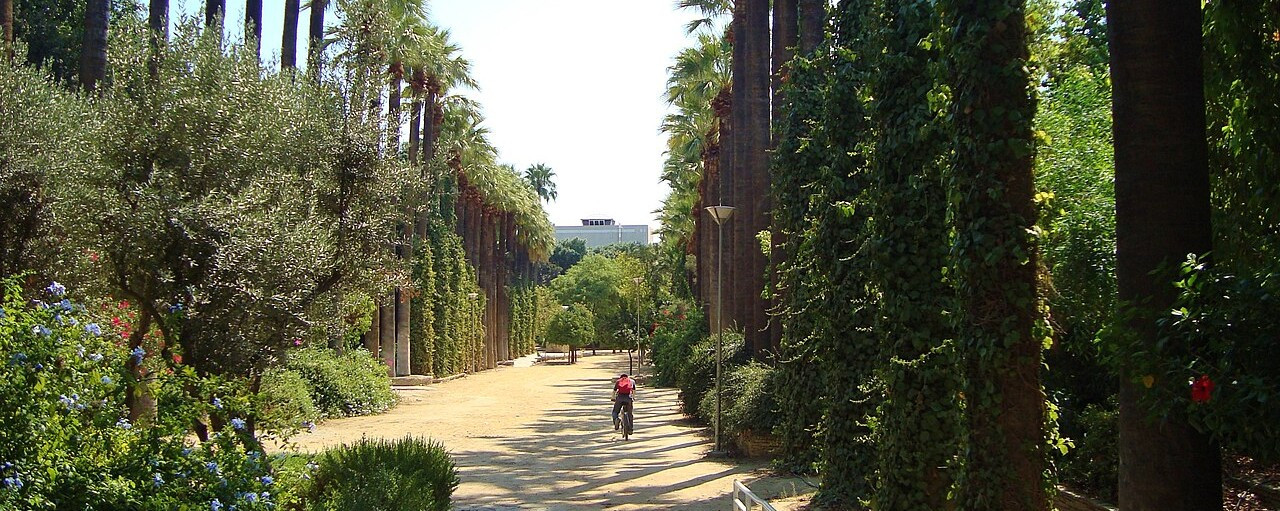
Nicosia Mayor Charalambos Prountzos described the launch of the competition as an important milestone for the city. According to him, the project is not simply about renovating a park, but about investing in residents' quality of life, preserving the city's historical heritage, and creating a modern urban environment. The Municipal Garden has existed for more than 100 years and has become one of the capital's best-known public spaces, serving as a place for recreation, social gatherings, and cultural events for generations of residents.
Architects participating in the competition will be required to preserve the site's historic character while adapting it to modern standards. Particular attention will be paid to protecting its architectural features, natural landscape, and historical significance. The Municipal Garden was designed by renowned Cypriot architect Neoptolemos Michaelides and has officially been designated a cultural heritage site, placing additional requirements on the redevelopment project.
What will change after the redevelopment?
The authorities emphasise that the renovated park is intended to provide a comfortable environment for all visitors. The project includes the creation of:
- modern walking areas;
- new green landscaping;
- safe public spaces;
- a fully accessible environment for people with disabilities;
- comfortable areas for relaxation, families, and public events.
Every architectural solution must be environmentally sustainable, while any alterations should be carried out as carefully as possible and, where necessary, remain reversible in order to preserve the site's historical authenticity.
The redevelopment of the garden forms part of Nicosia's broader greening strategy. According to the mayor, more than 22,500 new trees, shrubs, and other plants have been planted across different parts of the city over the past two years. The municipality intends to continue expanding green spaces, as they help reduce the urban heat effect during summer, improve air quality, and make the city more comfortable to live in. In Cyprus, where summer temperatures regularly exceed 35–40°C, the development of urban green infrastructure has become one of the country's key sustainability priorities.
Architectural competition marks a new chapter for the capital
Nicosia Municipal Secretary Myria Pilakouta stressed that the redevelopment of the Municipal Garden is about more than improving a public space—it is about bringing one of the capital's symbols back to life. According to her, once completed, the park will become a modern public space where people of all ages can relax and spend time together. Older generations will maintain their connection to a place that has been part of their lives since childhood, while younger residents of Nicosia will gain a new space for walking, sports, and socialising.
Experts note that projects of this kind not only improve the quality of the urban environment but also increase property values in surrounding neighbourhoods. Large-scale investment in public spaces makes central Nicosia more attractive to residents, businesses, and tourists, while also supporting the continued growth of Cyprus' construction sector.