
Cyprus’s government program to bring qualified specialists back from abroad is gaining momentum. According to data presented to Parliament’s finance committee, more than 600 people have already submitted applications through the official government website. This includes both Cypriots and professionals with a Cypriot tax history who in recent years have worked outside the country and accumulated international experience.
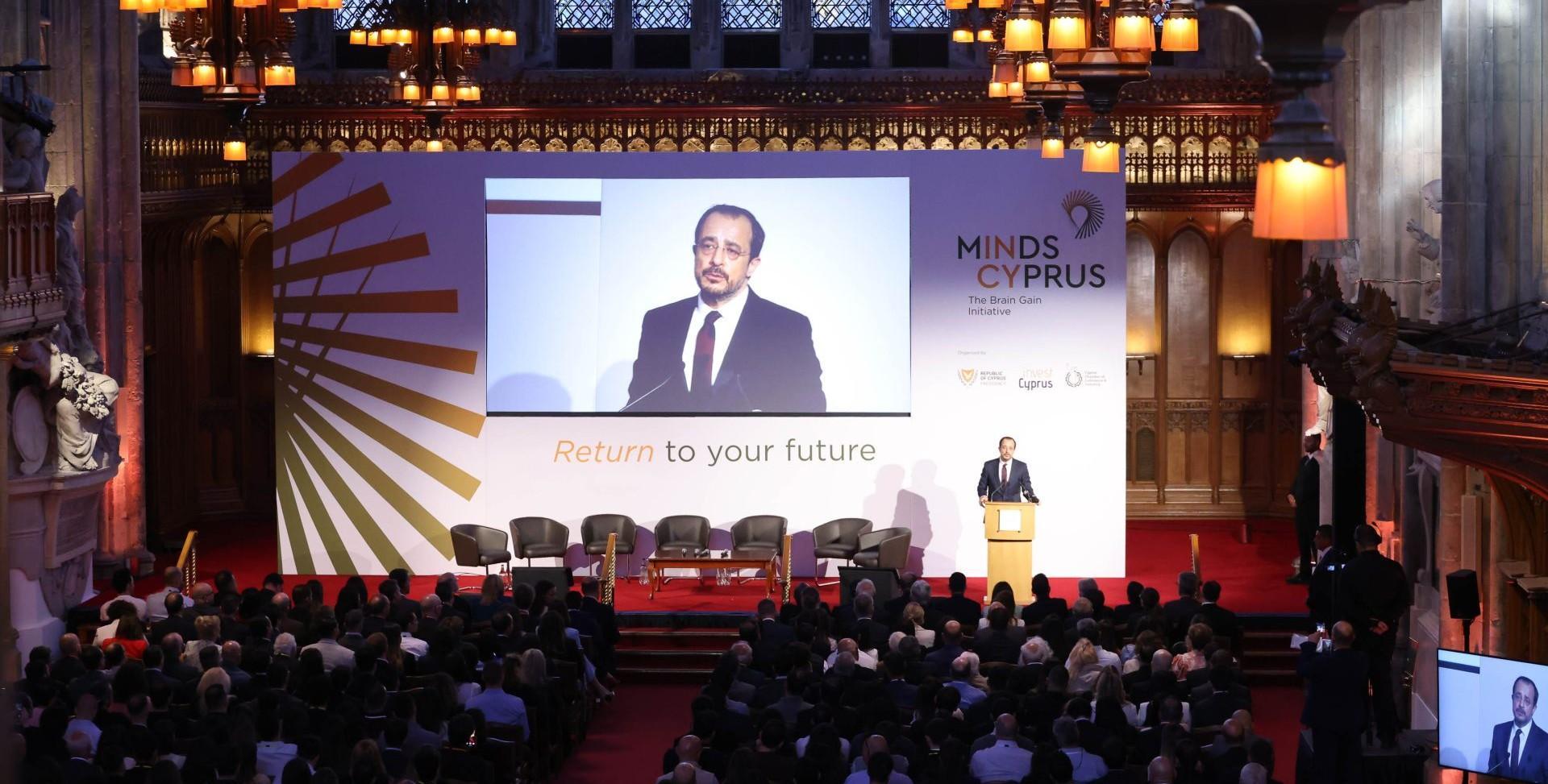
The initiative is part of the talent repatriation plan Minds in Cyprus, announced by the President of Cyprus, Nikos Christodoulides. The program’s main goal is not only to bring back human capital, but also to expand the tax base in the long term, as well as to increase the competitiveness of the Cypriot economy.
Tax incentives for returnees
A key element of the program is tax relief. Participants are offered an exemption from tax on 25% of their income, provided that the value of the relief does not exceed 25 thousand euros per year. The minimum annual income to participate is set at 30 thousand euros, which, in the authorities’ view, should filter out low-paid positions and focus attention on qualified personnel.
Eligibility is granted to individuals who have been continuously outside Cyprus for seven years and were previously tax residents of the country. Requirements for professional experience depend on the level of education. With a recognized diploma, three years of work abroad is sufficient, whereas without a diploma it is necessary to confirm seven years of experience.
A separate category is provided for those who have lived outside Cyprus for 15 years or more and earn over 55 thousand euros per year. For them, an expanded tax relief of 50% applies, making the offer especially attractive to highly paid specialists.
Dispute over the law’s effective dates
One of the most discussed points was the proposal to apply the law retroactively, starting from January 1, 2025. If approved, this will allow those who have already returned to Cyprus before the final adoption of the regulation to benefit from the reliefs.
However, representatives of the legal community warn about possible risks. A representative of the Cyprus Bar Association indicated that it would be more logical to set the start date of the law as January 1, 2026, in order to avoid legal uncertainty and conflicts with already enacted changes to the tax reform. According to him, applying the law retroactively may lead to unequal taxation of employees with the same incomes.
The importance of real economic impact
During the parliamentary discussion, it was emphasized that the key criterion for the program’s effectiveness should be practical benefit for the economy. It was noted that experience gained abroad should be directly connected with the work the specialist will perform in Cyprus. Otherwise, there is a risk that the initiative will turn into solely a tax bonus without a tangible contribution to the development of key sectors.
Against the backdrop of staff shortages in technology, medicine, engineering, and finance, the authorities view the program as a tool for targeted attraction of professionals who can strengthen the labor market and transfer international practices to local companies.
Political assessments and expectations
The political reaction to the initiative turned out to be mixed. The AKEL party stated that they support the idea of repatriating specialists, but consider the current proposals insufficiently developed and not backed by a full assessment of the socio-economic consequences.
DIPA, by contrast, welcomed the launch of the program, but emphasized that tax incentives must be accompanied by the creation of competitive jobs and decent salaries. In their view, without improving working conditions and career prospects, it will be extremely difficult to bring young people and experienced specialists back to Cyprus.
In the coming months, continued discussions and possible refinement of the draft law are expected, which could become one of the key tools in Cyprus’s fight for human capital amid global competition for talent.