
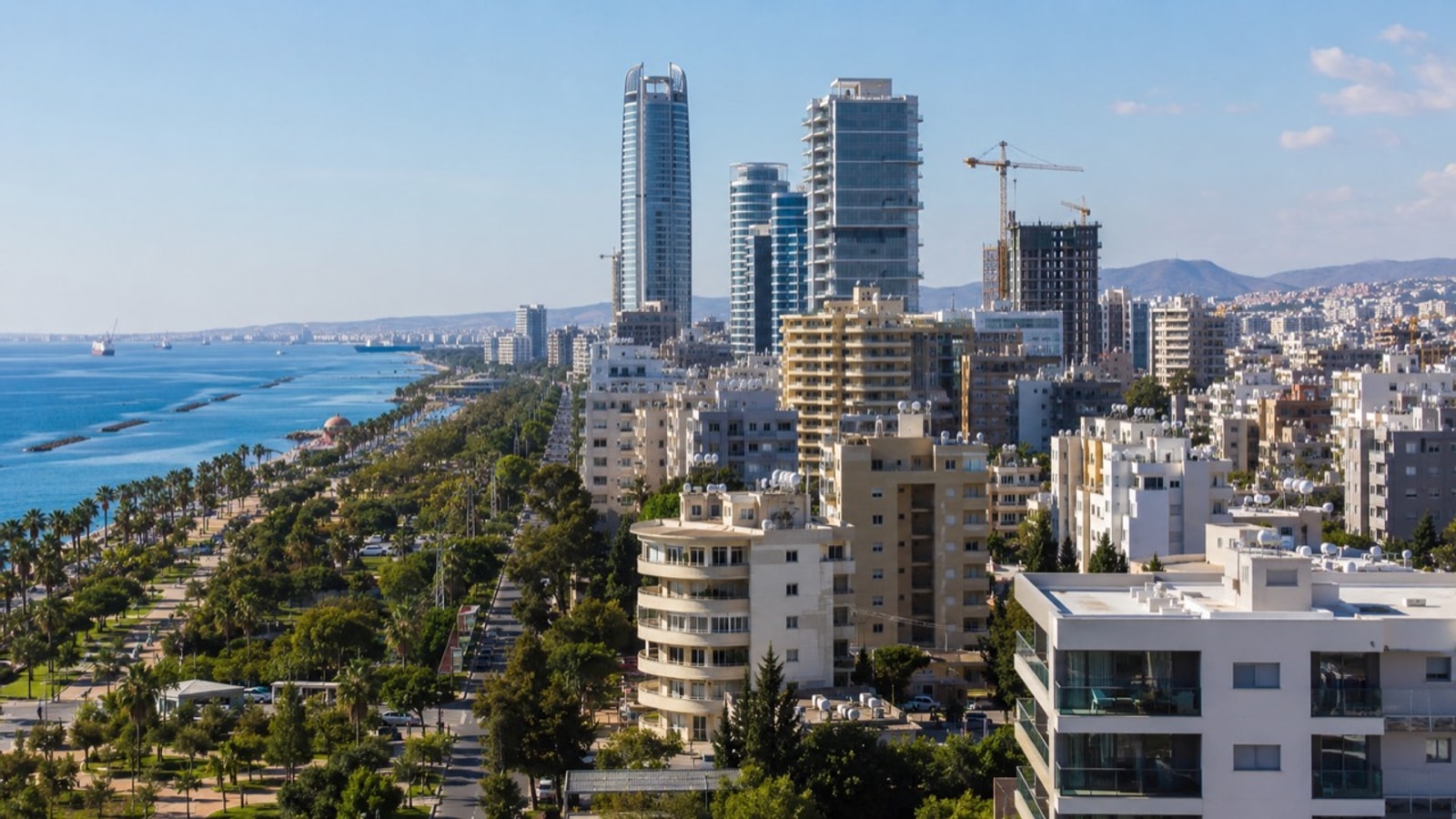
In the first half of 2026, Cyprus’s construction sector recorded significant growth. The total value of building permits reached €2.57 billion, while the combined permitted floor area exceeded 2.09 million m2.
Compared with the same period in 2025, the value of permits increased by 48.15%, while permitted floor area rose by 47.06%. Limassol ranked first in Cyprus across three key indicators of construction activity: the value of approved projects, permitted floor area, and the number of new residential units.
In the Limassol district, projects with a total permitted area of 719,944 m2 were approved. This was 34.69% more than in the first half of 2025, when the figure stood at 534,531 m2. Limassol accounted for 34.3% of all permitted floor area in Cyprus. For comparison, the figure for the Nicosia district was 632,145 m2. Limassol therefore exceeded the capital district by approximately 87,800 m2.
The total value of construction projects approved in Limassol reached €853.24 million, compared with €634.2 million a year earlier. This represented growth of 34.54%. The district accounted for 33.2% of the total value of approved construction projects across the country. Compared with the first half of 2025, the value of approved projects increased by approximately €219 million.
These figures confirm Limassol’s leading role in Cyprus’s construction market. At the same time, the permitted value of projects reflects the planned volume of construction and does not necessarily represent the amount actually invested during the reporting period.
3,527 New Residential Units Approved in Limassol
Growth was particularly noticeable in the residential sector. During the first six months of 2026, construction permits were approved for 3,527 new residential units in the Limassol district. A year earlier, the figure stood at 2,178 units, representing an increase of 61.94%. Across Cyprus as a whole, permits were approved for 11,099 residential units during the same period. Limassol therefore accounted for 31.8% of all new housing units approved for construction nationwide.
The increase in approved residential development comes against the backdrop of a serious housing challenge in the city. Greater supply may help expand the market, but it does not in itself guarantee lower purchase prices or rents. The outcome also depends on the type of housing, its location, pricing, and the pace at which projects are actually built. For this reason, what matters is not only the number of permits issued, but also how quickly projects move into construction and are ultimately completed.
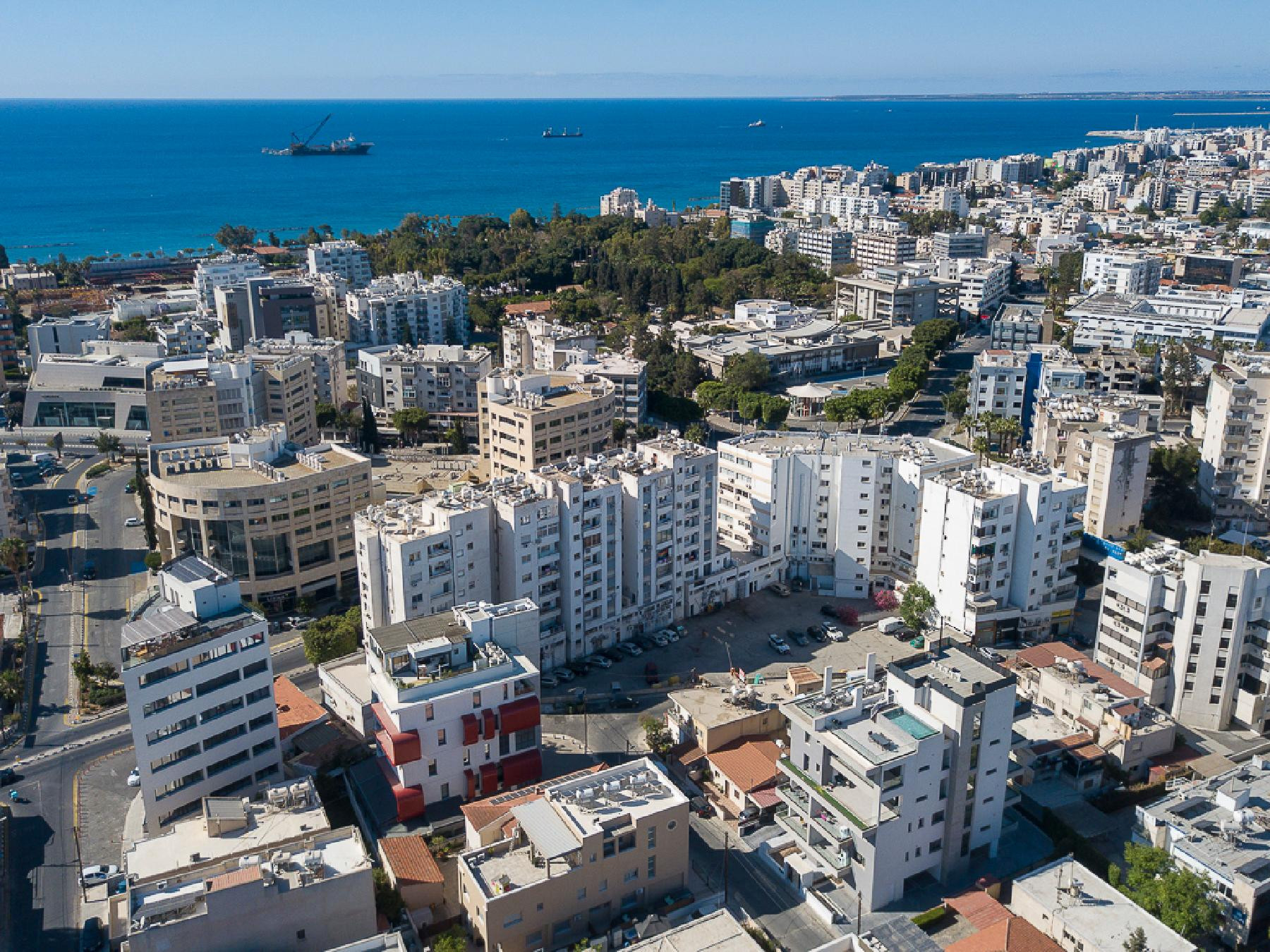
Limassol EOA Speeds Up Building Permit Approvals
One of the factors behind the district’s strong performance was more active processing of building permit applications by the Limassol District Local Government Organization (EOA). A particularly sharp increase in approvals was recorded in May and June 2026. During those two months, the district’s corresponding figures more than doubled compared with the same period in 2025. Limassol EOA President Yiannis Tsouloftas said that fast and efficient processing of applications is crucial for attracting investment and maintaining the pace of economic development. According to him, the scale of construction is clearly visible during an ordinary walk around the city, with new buildings appearing almost everywhere.
Tsouloftas also noted that improvements in the organization’s performance are linked to consistent management, a scientifically grounded approach to solving problems, and the creation of an effective structure within the permitting department. In his view, it is important to achieve results without unnecessary spending or rushed decisions that could create problems in the long term. Going forward, the Limassol EOA intends to further improve efficiency, speed up application processing, make procedures more transparent, and improve services for residents, architects, engineers, and investors.
The organization expects its performance to improve further by the end of 2026. The EOA’s financial stability should also create the conditions for important projects and investment in digital transformation, service modernization, and better governance. The main challenge for the next stage will be to maintain Limassol’s rapid pace of development while ensuring that the permitting system operates efficiently and is able to process the growing number of applications in a timely manner.