
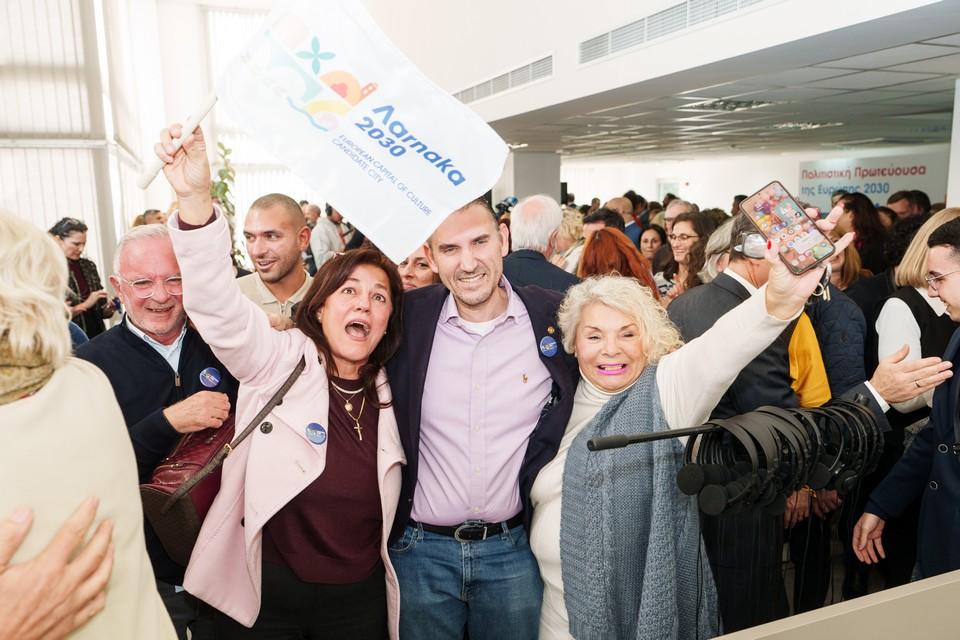
Larnaca has officially been awarded the status of European Capital of Culture 2030. The city went through a demanding and highly competitive selection process, surpassing its main rival, Limassol. This decision is the result of many years of dedicated work by the local municipality.
The Larnaca municipality stated that it views the victory as an important step in realizing its vision of a modern city that combines inclusivity, environmental sustainability, and accessibility for both residents and visitors. While the Limassol municipality expressed satisfaction at having reached the final stage, Larnaca is already moving on to the next phase—developing a detailed cultural program, organizational structures, and a financial strategy for the next four years.
Support at the National and EU Levels
Cyprus Deputy Minister of Culture Vasiliki Kassianidou highlighted the coordinated work of the expert team and thanked the European Commission for its cooperation. Earlier in 2025, the ministry increased funding for the program from €6 million to €10 million, making a significant contribution to the development of the country’s cultural initiatives.
As a European Capital of Culture, Larnaca may also qualify for the Melina Mercouri Prize of €1.5 million, provided that all EU requirements and obligations are met.
Cultural Strategy and Growth of the Tourism Sector
In recent years, Larnaca has significantly strengthened its position as a tourist hub, accounting for 13.4% of the national tourist flow. Today, the city offers nearly 6,000 accommodation places across more than 100 hotels and apartment complexes. These figures create a solid foundation for hosting major cultural events and attracting international visitors.
Larnaca’s cultural organizations played an active role in shaping the bid. The Common Ground concept, led by artistic director Kelly Diapoulis, became a symbol of the city’s transformation, bringing together residents, artists, and cultural institutions. Special attention was given to projects related to biodesign, social art, and the urban regeneration of the western part of the city around the former oil refinery site—one of the largest redevelopment initiatives in Larnaca’s history.
Intense Competition with Limassol
Limassol presented its own concept, Understory, focused on community engagement and the development of the city’s cultural ecosystem. Mayor Yiannis Armeftis praised the work of the Limassol 2030 team and expressed pride in the journey undertaken by the city’s residents. Despite the close competition, Larnaca managed to convince the jury of its readiness and potential to offer Europe a cultural project that is relevant, socially oriented, and innovative.
How Is Larnaca Preparing for 2030?
Larnaca Mayor Andreas Vyras described the path to victory as a “true collective effort,” emphasizing the contribution of residents, experts, local organizations, and businesses. In the coming months, the city will begin shaping its artistic program, establishing working groups, attracting partners, and developing a communication strategy.
Larnaca is now focusing on international cooperation, the development of cultural tourism, and strengthening the links between tradition and contemporary creativity. By 2030, the city plans to implement projects related to sustainable infrastructure, cultural education, creative districts, and new public spaces.