
In recent years, Cyprus has recorded a noticeable increase in investments from third-country nationals, with Israelis being particularly active. The highest concentration of transactions and development projects is observed in Paphos, Limassol, and Larnaca. Local chambers of commerce and industry generally support the idea of legislative regulation of such investments, emphasizing that future measures should not be overly strict or deter high-quality, long-term investments in the country’s economy.
A key position of the business community remains the need to create mechanisms for control and protection of national interests. One of the most widely discussed instruments is the leasehold model—long-term land leasing—which is already widely used in the United Kingdom and a number of EU countries. It allows the attraction of foreign capital without losing strategic control over land, since after 50–70 years the rights revert to the state or the local owner.
The relevance of the discussion is heightened against the backdrop of parliamentary initiatives aimed at limiting the uncontrolled sale of land plots to foreign buyers. In 2024–2025, this topic became one of the central issues in public debate, especially given the geopolitical instability in the Eastern Mediterranean region.
Paphos: boom in development companies and hidden risks
In Paphos, the growth in investments is felt particularly strongly. According to representatives of local businesses, over recent years at least five large real estate development companies with Israeli capital have appeared in the city. At the same time, new firms continue to be registered on an ongoing basis. Formally, such companies are often registered as Cypriot, but in practice they serve the interests of foreign owners, which complicates effective oversight.
A significant number of hotels have already come under the control of investors from third countries through banking mechanisms and distressed asset management companies. While mass acquisitions of large land plots are not yet observed, the trend itself raises concerns. In Paphos business circles, there is growing discussion about the need to encourage joint projects in which local and foreign investors work in partnership rather than in isolation from one another.
Limassol: housing for Israeli pensioners as an investment model
Limassol is today considered the main magnet for foreign capital. Projects aimed at Israeli pensioners are actively developing here. These involve the construction of apartment buildings with 70–80 two-bedroom units, purchased through lump-sum payments. Such investments provide owners with stable monthly income, while offering developers rapid sales of properties.
The Limassol business community supports the idea of regulating the amount of land and the scale of projects that companies with foreign participation may acquire. However, the emphasis is placed on a flexible approach without prohibitive measures. It is also noted separately that after the introduction of EU sanctions, Russian investments have practically disappeared, and Israeli capital has filled the vacated niche.
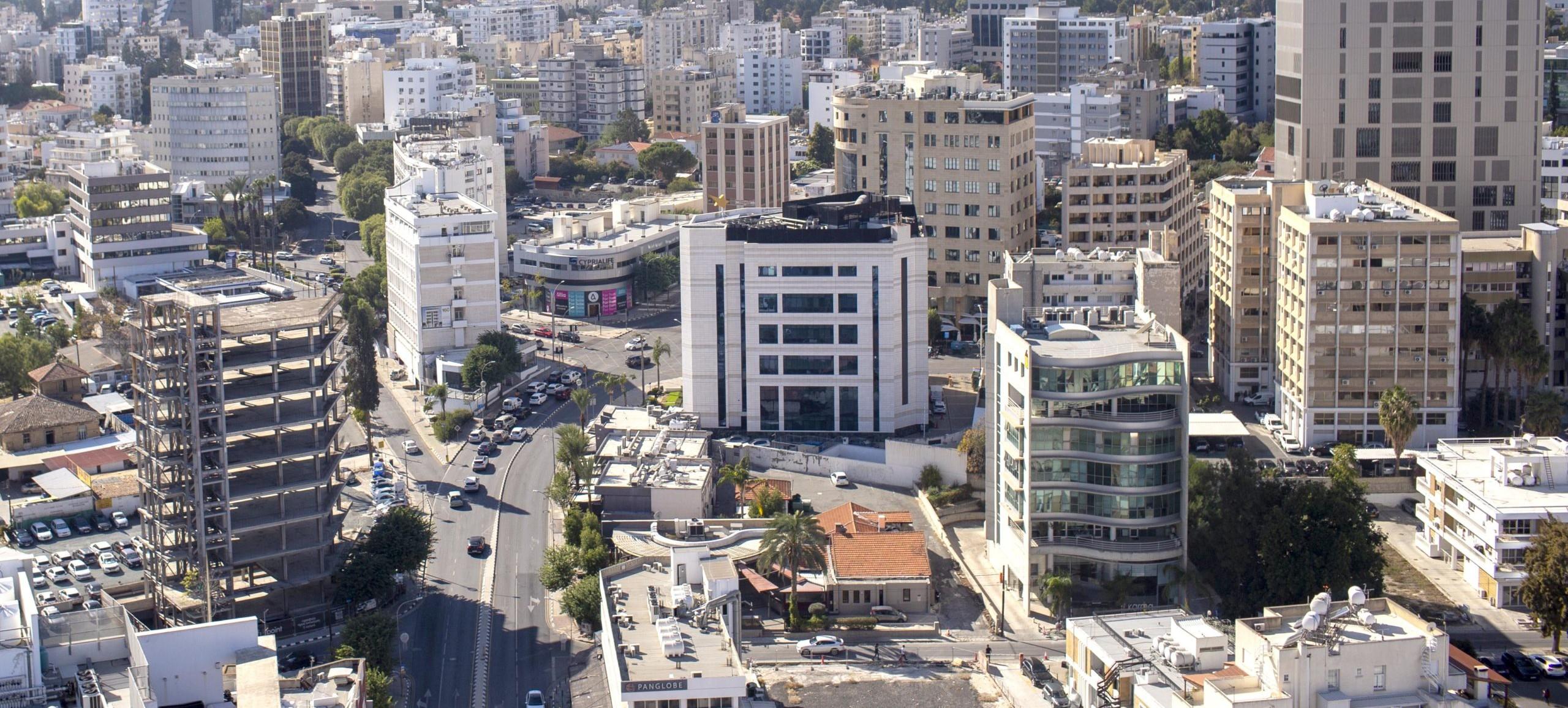
Larnaca: balance between the economy and national interests
In Larnaca, the issue of investments is considered not only from an economic but also from a political perspective. It is emphasized here that Cyprus remains a country with an unresolved territorial problem, and therefore uncontrolled development cannot be justified solely by financial gain.
Along the Larnaca–Dhekelia coastline, most hotel properties already belong to foreign investors, predominantly from Israel. At the same time, local representatives remind that the Jewish community has historically been present in Cyprus, and the foreign factor itself is not something new. The issue lies precisely in the scale and the absence of clear rules of the game.
Free areas of Famagusta and Nicosia: a cautious approach and awaiting decisions
In the free areas of Famagusta, the activity of foreign investors remains moderate so far, but here too the leasehold model is considered an optimal compromise between development and maintaining control over land. Business representatives emphasize that any legislative changes should not halt the inflow of capital, as this could lead to a slowdown in economic growth.
In Nicosia, the discussion of the issue reaches a nationwide level. In the near future, the topic of regulating investments from third countries is expected to become the subject of joint consideration by the Nicosia Chamber of Commerce and Industry and the Cyprus Chamber of Commerce and Industry. It is anticipated that the outcome of these meetings will be a unified business position that will influence the final format of the future law.
What this means for the Cyprus real estate market today
Today, Cyprus remains one of the most attractive real estate markets in the Eastern Mediterranean, thanks to its mild climate, tax advantages, and EU member status. Strengthening control over foreign investments is seen not as a step backward, but as an attempt to build a sustainable development model in which economic growth is combined with the protection of national interests and long-term market stability.
UK, Russian, Chinese, and all EU , non of them are buying, right? only Israelis.
Even if non-Eu will be blocked from buying, you want to know the end result? When Non-EU will be out of the market, EU nationals will buy for less money , and Cypriots will get less money for the properties they sold.