
Affordable housing is becoming one of the most acute social problems not only in Cyprus but throughout Europe. According to the head of the Cyprus Developers Association, Mersina Isidorou, this is a large-scale crisis affecting both major metropolitan areas and smaller countries.
The rise in real estate prices is seriously affecting the daily lives of millions of people. It increases social inequality and particularly impacts young people and young families, who are increasingly facing the inability to purchase their own housing or even plan for the future.
Price dynamics and scale of the problem
According to Eurostat data, from 2015 to the third quarter of 2025, housing prices in the European Union increased by 63.6%, while rent rose by 21.1%. In the second quarter of 2025 alone, the House Price Index showed an average annual growth of 5.4%.
Such dynamics increase pressure on households and turn the housing issue into one of the key economic risks. Experts identify the main reason as an imbalance between supply and demand. In Europe, more than 2 million new housing units are needed annually to stabilize the market, but current construction rates significantly lag behind these needs.
The situation in Cyprus
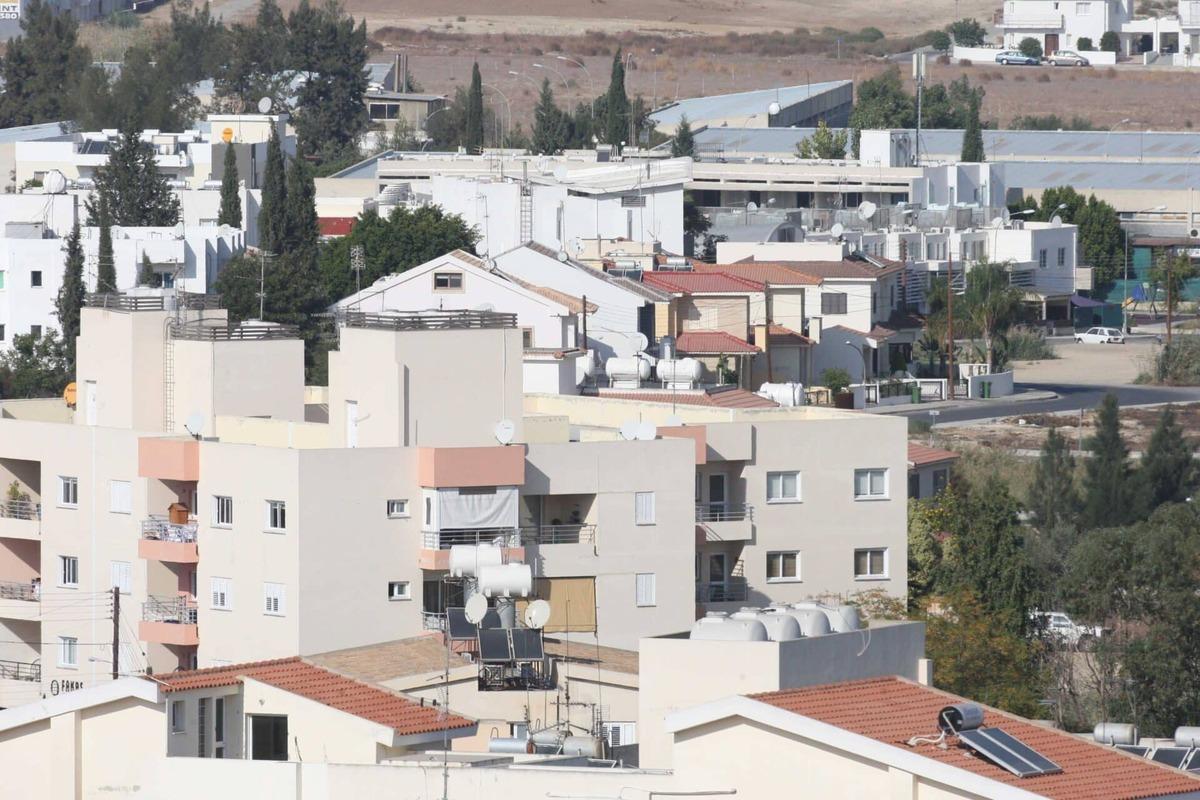
Although Cyprus is not among the countries with the fastest price growth, the issue of affordable housing is becoming increasingly pressing here. The main reason remains the shortage of supply, which formed during the economic crisis of 2013–2018. At that time, construction activity sharply declined, and the volume of new housing reached minimal levels.
This deficit persists to this day. Despite population growth and urbanization, the market is not keeping up with demand. As a result, prices continue to rise, even if the pace of growth appears moderate compared to other EU countries.
Additional evidence of the imbalance is transaction statistics. Between 2002 and 2008, between 17 and 21 thousand real estate transactions were registered annually. In 2025, this figure was only 16 thousand, despite an increase in population and housing demand.
Causes of the shortage and market barriers
Among the key factors worsening the situation are delays in issuing building permits and a shortage of labor in the construction sector. These problems slow down the implementation of new projects and limit the growth of supply.
In addition, the market is affected by rising construction material costs and the transition to stricter energy efficiency standards, which increase project costs. All of this collectively creates sustained pressure on prices.
European context and possible solutions
Experts emphasize that the housing crisis cannot be solved solely at the national level. Coordinated measures at the European Union level are required, aimed at increasing the volume of affordable housing construction and stimulating investment.
For Cyprus, additional opportunities arise through participation in pan-European initiatives. The country can play an active role in shaping common policy aimed at solving the problem, especially considering the need to support vulnerable groups and young people.
Key directions remain the acceleration of licensing procedures, the development of urban planning policy, the stimulation of construction, and the creation of conditions to increase supply in the market.
Prospects and significance for society
The housing crisis continues to intensify and is already having a long-term impact on the economy and social stability. Access to quality housing is becoming one of the main factors of citizens’ well-being. According to experts, only through a comprehensive approach, cooperation between the state and business, and the implementation of systemic reforms can sustainable changes be achieved. Otherwise, the problem of affordable housing will continue to deepen, affecting more and more people both in Cyprus and across Europe.