
Cyprus' short-term rental market is experiencing a more subdued season in 2026 compared with last year. According to the Self-Catering Accommodation Association (STEK), demand for apartments and villas has declined, leading to lower occupancy rates and reduced rental prices.
Experts attribute the slowdown to increased supply, changing tourism patterns, and stronger competition among property owners. Nevertheless, the sector remains an important part of Cyprus' tourism industry, particularly in the island's most popular resort destinations.
Occupancy rates and rental prices have declined
According to STEK President Constantinos Karakontis, this year's tourist season has been noticeably weaker than the record-breaking 2025 season, although overall market performance remains stronger than in 2024. He said average occupancy rates for short-term rental properties have fallen by 10–15%. Property owners have also had to reduce accommodation prices by around 10–15% in order to remain competitive.
Despite this, Cyprus continues to attract strong tourist interest. The island remains one of the Mediterranean's most popular destinations thanks to its long beach season, well-developed infrastructure, and wide range of accommodation options, from city apartments to private villas with swimming pools.
Nearly half of all properties operate without a licence
One of the market's biggest challenges remains the large number of unlicensed listings. According to STEK, between 12,000 and 15,000 short-term rental properties are listed simultaneously on the largest online booking platforms. However, only around 8,500 of them hold an official licence. This means that a significant proportion of the market continues to operate illegally.
The authorities are now preparing legislative amendments that will synchronise the government's licensing register with booking platforms such as Airbnb and Booking.com. Once the new system is implemented, registration numbers will be verified automatically in real time. If a registration number is missing or invalid, the listing may be removed promptly. According to industry representatives, this will help create a level playing field for all market participants while reducing the number of illegal rentals.
Germasogeia tragedy accelerated discussions on new regulations
Safety concerns gained additional attention following the partial collapse of the Sea Gate residential building in Germasogeia on 11 April 2026. The tragedy claimed the lives of two people and left three others injured. It later emerged that the building had officially been declared unsafe as early as 10 March, with owners receiving formal notices requiring evacuation and repair works.
According to Karakontis, one of the apartments in the building had been officially licensed for short-term rental. He pointed to the lack of effective information sharing between government departments and questioned why information about the building's dangerous condition had not been passed on to the relevant tourism authorities in time. Following the incident, discussions intensified over the creation of public electronic registers of unsafe buildings. Larnaca has already launched such an online service, allowing residents to check the status of any property.
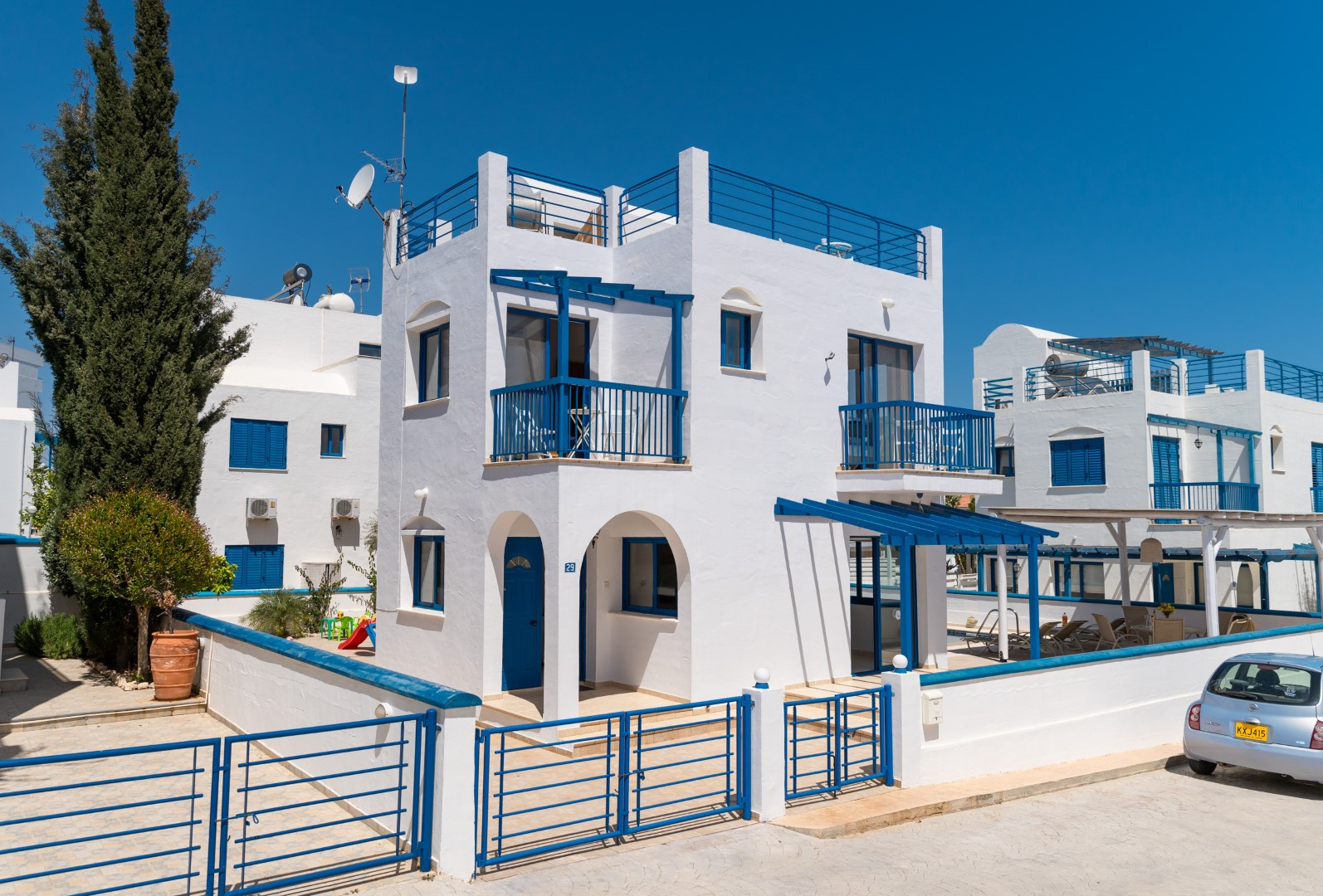
Does short-term rental affect housing costs?
In recent years, Cyprus has seen ongoing debate over the impact of short-term rentals on the long-term housing market. Many argue that the growing number of Airbnb properties reduces the supply of homes available to local residents and contributes to rising rental prices. However, the head of STEK disagrees with this assessment. According to him, most of the sector's growth has taken place in tourist areas, particularly the free districts of Famagusta and Paphos, where short-term rentals have traditionally catered to holidaymakers rather than permanent residents.
He also noted that tourists generally do not create significant problems, while the industry's main priorities remain tackling illegal properties and increasing market transparency.
Experts believe that the sector's future development will depend on the effectiveness of new enforcement mechanisms, the digitalisation of licensing procedures, and maintaining a balance between the interests of the tourism industry and the needs of local residents. At the same time, short-term rentals will continue to play an important role in Cyprus' economy by providing additional income for property owners and expanding accommodation choices for millions of visitors.