
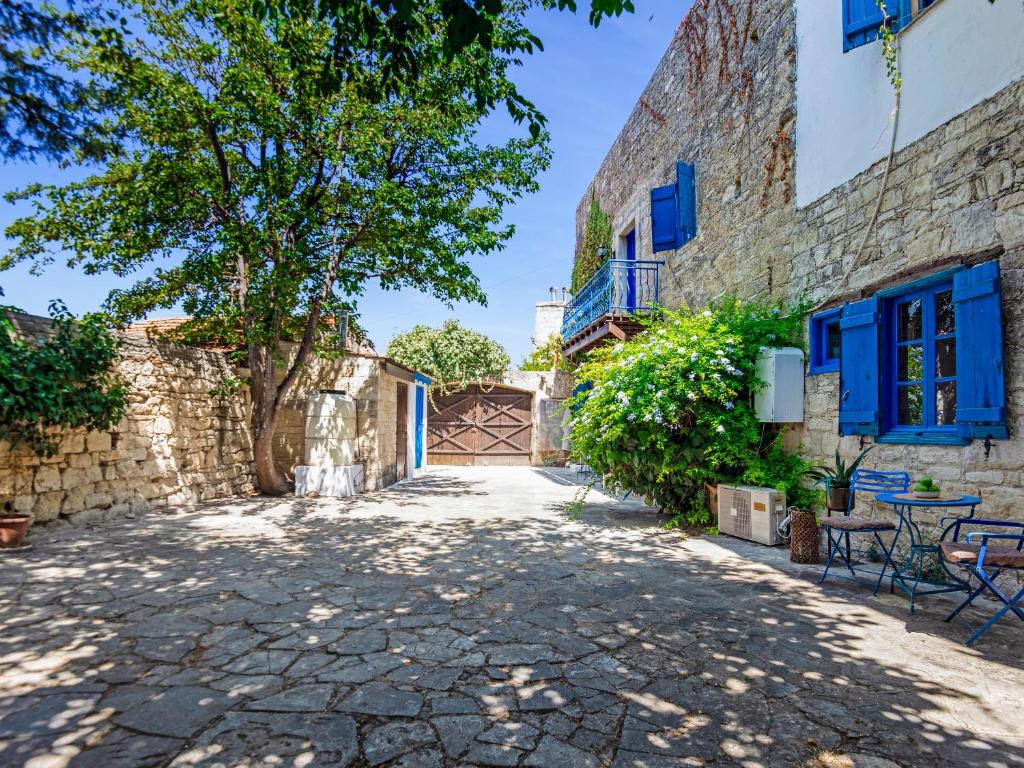
Cyprus is preparing changes to its legislation on listed buildings. The Ministry of Interior has drafted amendments aimed at supporting owners of historic properties and simplifying procedures for their preservation.
The bill is being promoted by the Department of Lands and Surveys. Public consultation began on October 8, and the deadline for comments expired on October 22, 2026. The main proposals include tax relief when listed buildings are sold, expanded opportunities to transfer unused development rights, the creation of a special fund to finance restoration work, and the digitalization of administrative procedures.
Which Buildings in Cyprus Are Considered Listed?
A building receives listed status through a special preservation order issued under planning legislation. This category includes properties of architectural, historical, or cultural value. They may include old residential houses, mansions, and public buildings.
Owners of such properties are required to preserve their historic character and comply with specific requirements when carrying out repairs and restoration work. In return, the state provides support measures established by law, including grants and tax incentives. The proposed changes are intended to make the preservation of historic buildings more financially attractive to owners and create additional incentives for restoration.
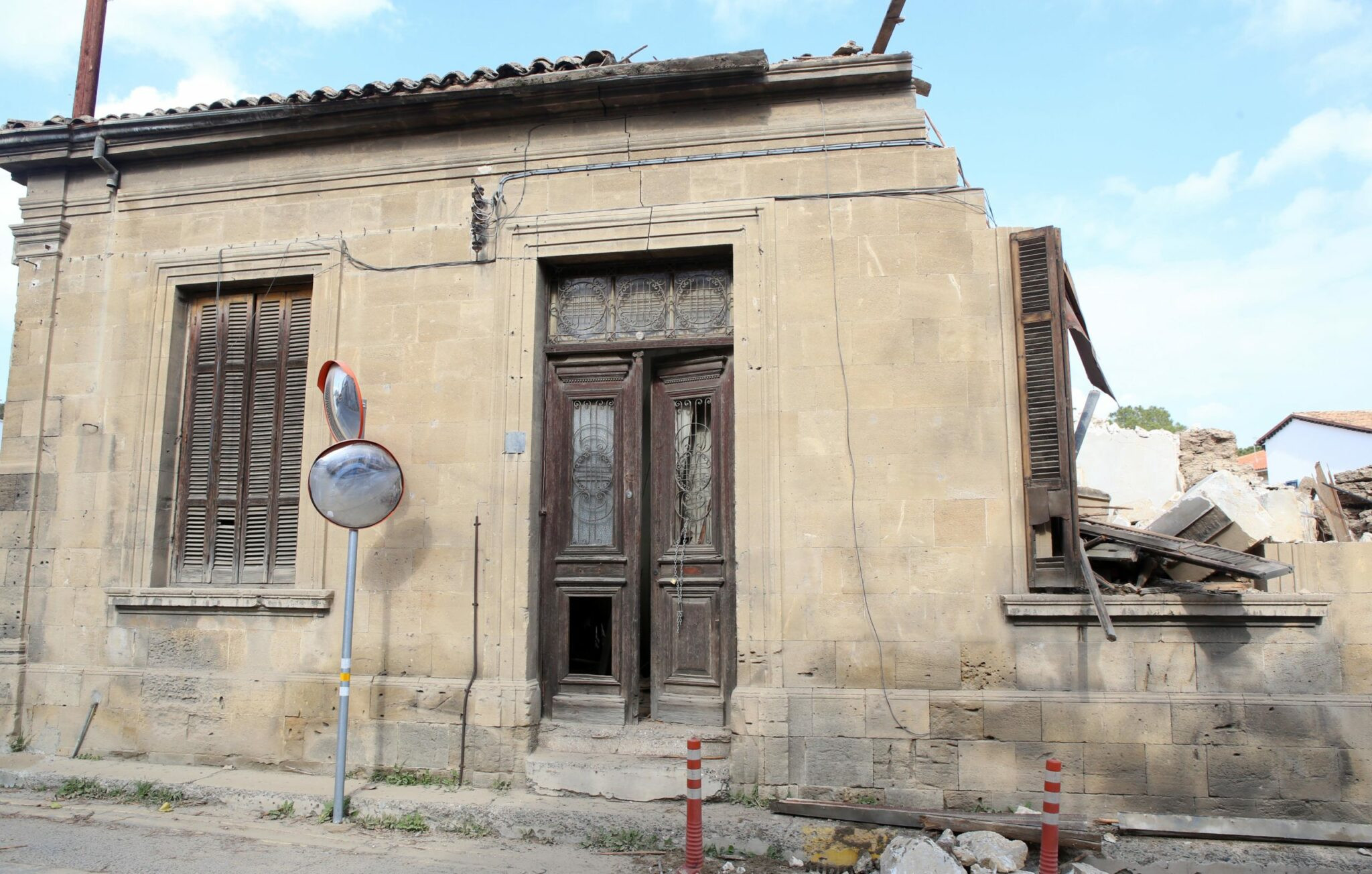
Who Could Sell a Listed Building Without Paying Capital Gains Tax?
One of the key amendments would exempt the sale of a listed building from capital gains tax if the property remained within the same family for 20 years after restoration was completed. The 20-year period would begin on the date the Minister of Interior issues a certificate confirming completion of the restoration work. Certain transfers of the property within the family would also count toward the 20-year ownership period. In particular, the bill covers the following cases:
- Gifts between relatives. The period of ownership after the building is gifted to a relative would count toward the total period.
- Transfer to a family company. The rule would also apply when the building is gifted to a family-owned limited liability company.
- Transfer from a company to a shareholder. The exemption would also cover cases where a company transfers the property to one of its shareholders, provided that all shareholders belong to the same family.
The initiative is intended to address a problem that can arise when historic property is sold. At present, restoration expenses for which the owner has already received a tax deduction or government grant cannot be counted again when determining taxable gains.
As a result, capital gains tax can reduce the financial benefit of preserving a listed building. The proposed exemption is intended to provide an additional incentive for owners who invest in restoring historic property and keep it within the family. It is important to note that the changes are still only at the bill stage and must still go through the legislative process.
Transfer of Development Rights and a New Mechanism for Financing Restoration
The amendments concern not only taxation, but also the rules governing the use of land in conservation areas:
- Transfer of development rights. Owners of listed buildings are not always able to use the full development potential of their land because of restrictions related to preserving historic structures. Current rules allow unused development rights to be transferred to other plots in specially designated areas. The bill proposes extending this right to all plots located within conservation areas, not only to individually listed buildings. Areas where transfers are permitted could be designated not only through separate orders, but also through development plans. An electronic registry is also planned, containing information on available development rights and demand for them. Rights could be transferred in full or in parts, including at different times.
- Special restoration account. A separate account is planned within the Department of Town Planning and Housing to finance the restoration of listed buildings.
- Buyers of transferred development rights would pay a levy equal to 10% of the value of the transferred rights into this account. The funds would be used to preserve and restore historic properties, while the department’s director would determine the procedure for awarding grants.
- The new mechanism is intended to simplify interaction between owners who want to transfer development rights and those interested in acquiring them. Participants would no longer have to find each other independently. If development rights are granted free of charge for the preservation of a listed building, the corresponding funds would also be directed to the special account. Owners would be able to receive financing in stages as restoration work progresses.
- Tax deductions for building maintenance. The bill also proposes changing the way maintenance expenses for listed properties are treated for tax purposes.
- The tax deduction would be spread equally over five years: the year in which the expenses were incurred and the following four years. If an owner cannot use the full deduction in a particular year, the unused portion could be carried forward within the permitted period. Any government grant received would reduce the amount of expenses used to calculate the tax deduction.
The bill also provides for applications to be submitted electronically, which should make it easier for property owners to interact with government departments.