
The real estate market of Cyprus is entering a new stage of development, where the main indicator of success will no longer be the number of transactions or the pace of construction, but the quality of projects, their environmental sustainability, and compliance with modern requirements of buyers and investors. In the coming years, the island will build not just housing and offices, but comprehensive spaces for living, working, and investing.
Recently, the head of the analytical platform Ask Wire, Pavlos Loizou, stated that the real estate sector remains resilient, but the future of the market will depend on the ability to balance demand, construction costs, and the influence of global factors.
How the housing market in Cyprus will change
The main driver of the market is residential real estate. It is this segment that will continue to be actively developed in the coming years, especially in cities such as Limassol, Larnaca, and Paphos. More and more projects will be presented in the format of modern residential complexes with apartments, as this type of housing remains the most accessible both for purchase and for investment.
Demand for apartments continues to grow, as they are cheaper than houses and more convenient for rental. By the end of 2025, the number of transactions in the market increased by approximately 15%, confirming sustained interest in real estate even amid global economic instability.
Commercial real estate: less construction, but higher quality
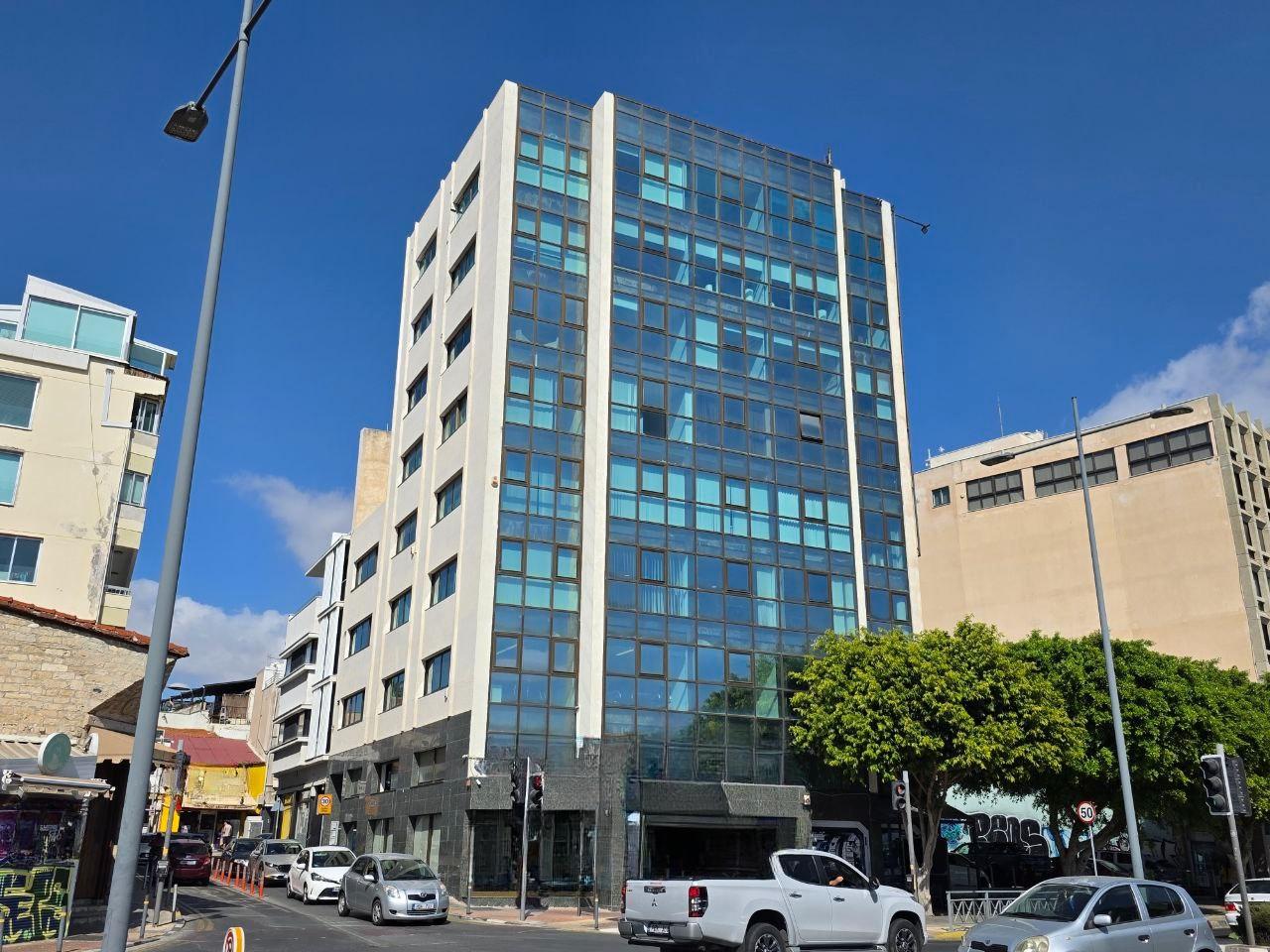
In the commercial real estate segment, developers will focus on modern high-class office buildings. Companies are increasingly choosing technologically advanced spaces with developed infrastructure, good transport accessibility, and a comfortable working environment.
Old buildings are gradually losing attractiveness and require modernization. As a result, the market will shift toward new projects with energy-efficient solutions and flexible office formats.
Why Cyprus remains attractive to investors
Interest from foreign buyers in real estate in Cyprus remains strong and is expected to grow. This is linked to stable economic development and the strong position of the tourism sector. In 2025, a record 4.5 million tourists visited the country, supporting demand for rentals and investment properties.
Cyprus is also becoming increasingly popular among remote professionals and international companies. This means that in the coming years, not only housing but also modern office spaces designed for new work formats will be developed.
Cyprus as a business hub: what will be built for companies
The country is gradually turning into a regional business center, especially for IT and fintech companies. This is changing real estate requirements. Businesses now need not just offices, but a full ecosystem: modern buildings, digital infrastructure, convenient logistics, and accessible housing for employees.
That is why developers will focus on mixed-use projects, where offices, residential complexes, and service infrastructure are located side by side. This approach makes the market more resilient and attractive for long-term investment.
The impact of geopolitics and tourism on the market
The situation in the Middle East directly affects the real estate market of Cyprus. On one hand, the island is perceived as a safe place for living and investment, attracting new buyers. On the other hand, instability may affect tourist flows, which remain an important source of demand.
Experts note that in the event of a decline in tourism, market growth may temporarily slow, especially in resort regions. Nevertheless, in the long term, Cyprus maintains its status as a stable destination.
Key challenges: costs and resource shortages
Despite active development, the construction sector faces a number of challenges. Companies will operate under conditions of labor shortages, rising material costs, and more expensive financing. Permit approval processes also remain complex and time-consuming. All these factors affect project timelines and final costs, which in turn influence prices for buyers.
Special attention will be paid to environmental sustainability and energy efficiency of buildings. In Cyprus, projects with international certifications are already emerging, allowing for significant reductions in energy and water consumption. Such buildings are becoming increasingly in demand despite higher costs. In the future, the gap between modern and outdated properties will only widen, pushing the market toward renovation of the older housing stock.
What awaits the Cyprus real estate market in the coming years
In the outlook, the market will continue to grow, but at a more moderate pace. The main focus will shift from quantity of construction to the quality and sustainability of projects. Developers will build less, but better, taking into account the long-term needs of the economy and society.
Key directions will include the development of affordable housing, modernization of old buildings, and creation of modern infrastructure. This is what will allow Cyprus to maintain its attractiveness for investors and ensure stable development of the real estate market in the future.