
Cyprus has once again confirmed its status as one of Europe’s cleanest and safest seaside destinations. According to the annual European Commission report on bathing water quality, published on June 16, 2026, the island ranked first among all European Union member states for the quality of its coastal waters.
This achievement is particularly significant for Cyprus, whose economy depends heavily on tourism and the attractiveness of its coastline. Based on monitoring results for 2025, every official bathing site on the island received the highest possible quality rating.
Cyprus Maintains Its Lead for the Fourth Consecutive Year
According to European Commission data, Cyprus has ranked first in the European Union for bathing water quality for four consecutive years.
Throughout 2025, specialists conducted regular monitoring at 123 official sampling points along the coastline of the government-controlled areas of the Republic of Cyprus. Following the assessment, all 123 sites were classified as having “excellent” water quality.
As a result, Cyprus achieved a 100% compliance rate with European standards, the highest score among all EU member states.
For comparison, Greece ranked second with a score of 97.1%, while Bulgaria placed third, with 96.9% of its bathing waters receiving an excellent rating.
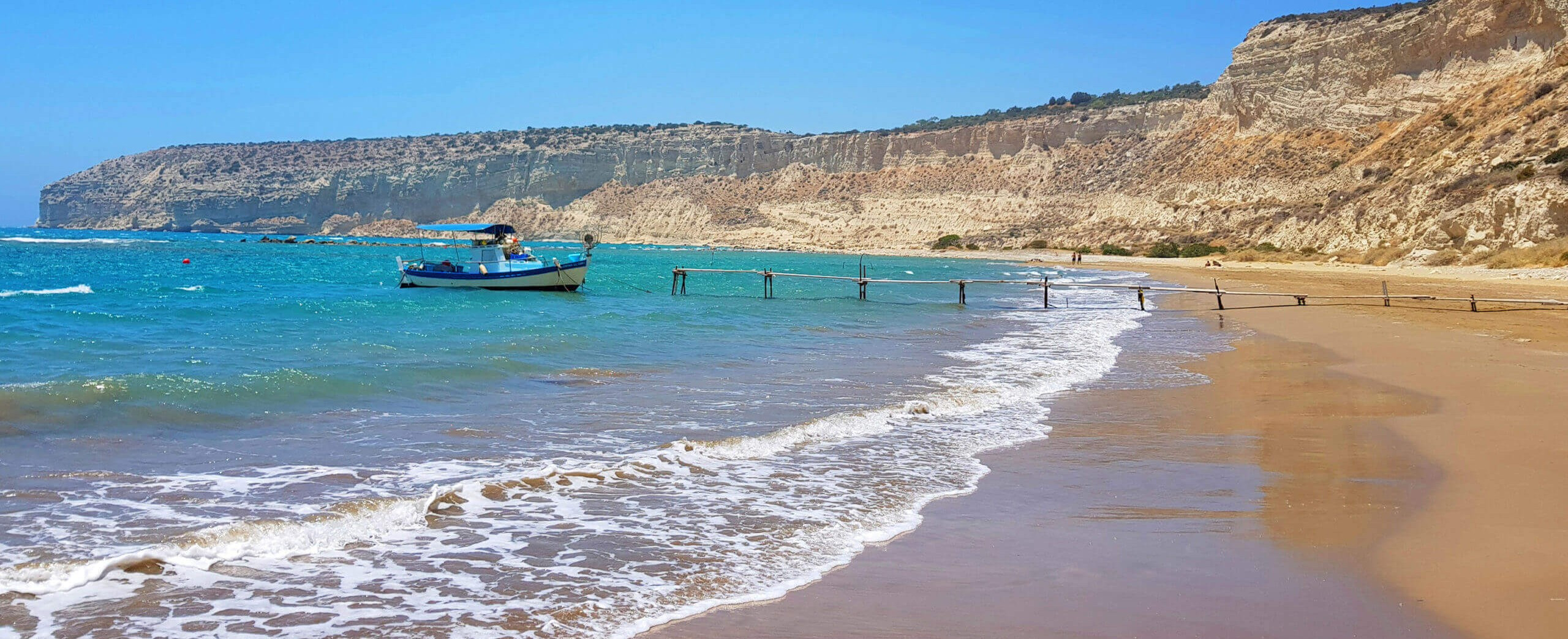
How the Assessments Were Conducted
Monitoring of coastal water quality was carried out throughout the entire bathing season, from May 1 to October 31, 2025.
At each of the 123 locations, specialists conducted laboratory analyses at least once a month, along with additional sampling before the official start of the bathing season.
The testing evaluated the sanitary condition of the water and its compliance with the strict requirements of European legislation.
The monitoring is conducted under the European Union Bathing Water Directive, which is considered one of the most rigorous environmental standards in Europe.
For Cyprus, maintaining clean coastal waters is of strategic importance. Beach tourism remains one of the island’s key economic sectors, attracting millions of visitors each year from Europe, the Middle East, and other regions of the world.
High water quality standards directly contribute to the reputation of resorts such as Ayia Napa, Protaras, Limassol, Larnaca, Paphos, and Polis.
Beyond tourism, the quality of coastal waters is closely linked to public health, marine ecosystem protection, and the sustainable development of coastal areas.
Against the backdrop of increasing environmental pressures across the Mediterranean, these results demonstrate the effectiveness of Cyprus’s environmental policies and its ongoing commitment to monitoring and protecting the natural environment.
A Result of Coordinated Government Efforts
Local authorities emphasize that this achievement was made possible through the coordinated efforts of several government bodies.
The Department of Environment of Cyprus plays a leading role in implementing the European directive. The monitoring process also involves health services, public health authorities, the State General Laboratory, and local government bodies.
This collaborative approach enables not only continuous water quality monitoring but also rapid responses to any potential threats affecting coastal ecosystems.
Amid growing competition among Mediterranean tourism destinations, Cyprus continues to strengthen its position as a country with some of the cleanest beaches in Europe.
Its fourth consecutive first-place ranking within the European Union confirms that Cyprus remains a benchmark for excellence in coastal management and marine environmental protection.
For residents of the island and the millions of tourists who visit every year, the message is clear: Cyprus’s beaches continue to rank among the cleanest and safest in Europe.