
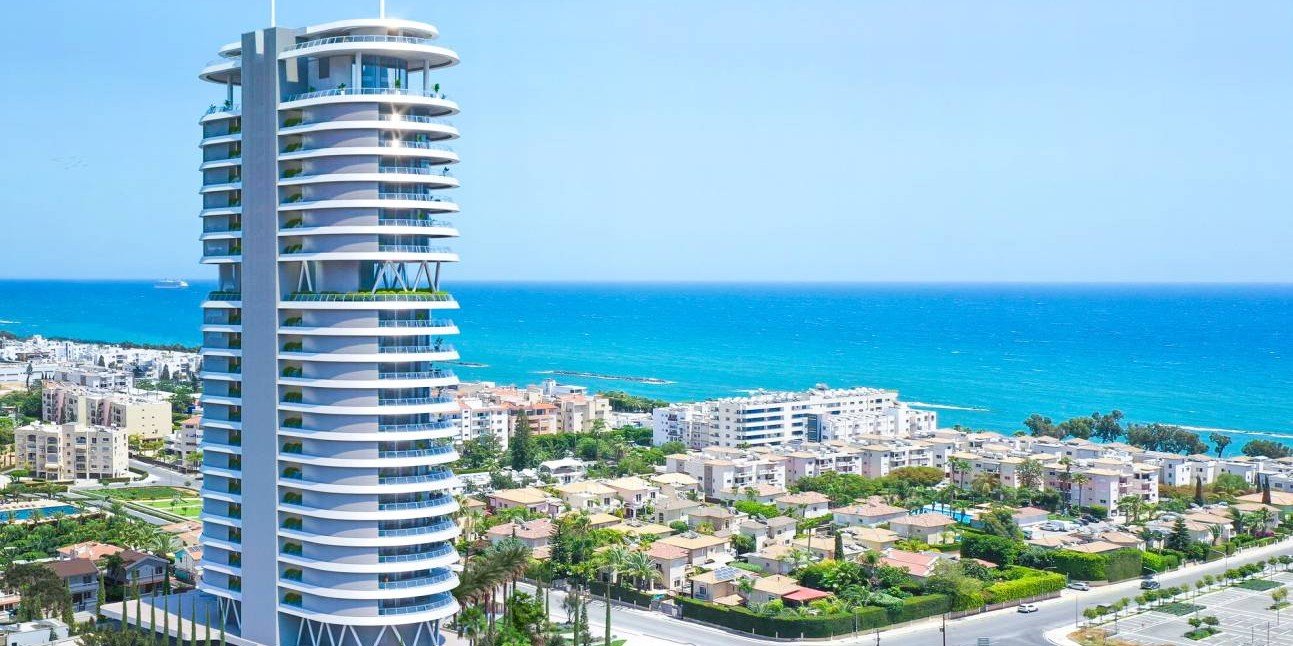
According to the latest official Eurostat figures for 2024, Cyprus has the lowest level of housing overcrowding among all EU member states. A shortage of living space was recorded for only 2.4% of the island’s population, making Cyprus the undisputed leader in housing comfort in the EU.
This result stands out sharply against the broader European statistics and highlights the high quality of housing conditions on the island. Experts attribute these figures to the tradition of living in spacious homes, active construction of new residential properties, and relatively low population density.
The situation in the European Union: a contrast with Cyprus
On average across the European Union, the situation is far less optimistic. In 2024, 16.9% of EU residents lived in overcrowded households. Although this figure has slightly improved compared to 2014, when it stood at 18.1%, the problem of insufficient living space remains relevant for millions of Europeans.
The gap between EU countries remains significant. In a number of Eastern and Central European states, housing overcrowding still affects nearly one third or even more of the population, pointing to deep socio-economic disparities within the Union.
EU countries with the highest levels of overcrowding
The most severe housing conditions in 2024 were observed in Romania, where overcrowding affected more than 40% of the population. High levels were also recorded in Latvia, Bulgaria, Poland, and Croatia, where over 30% of residents lived in conditions of insufficient living space.
Economists note that such figures are often linked to lower household incomes, limited access to modern housing, and a high proportion of outdated housing stock.

Malta and the Netherlands: Cyprus’s closest “neighbors” in the ranking
After Cyprus, the lowest levels of housing overcrowding in the EU were recorded in Malta and the Netherlands. In Malta, a shortage of living space affected 4.4% of the population, while in the Netherlands the figure was 4.6%. Even so, these relatively favorable indicators are almost twice as high as Cyprus’s level.
Experts emphasize that Cyprus confidently holds first place thanks to a combination of climate conditions, an active real estate market, the popularity of individual housing, and strong, stable demand from both local residents and foreigners.
Why Cyprus remains attractive for living and investment
The low level of housing overcrowding directly affects quality of life and makes Cyprus especially attractive both for permanent residence and for real estate investment. In recent years, the island has been actively developing its residential infrastructure, including modern housing complexes, suburban projects, and energy-efficient homes, in line with EU-wide sustainable development trends.
Against the backdrop of rising prices and housing shortages in major European cities, Cyprus is increasingly viewed as an alternative destination for relocation, remote work, and long-term investment. Eurostat data for 2024 confirm that in terms of housing comfort, the island confidently outperforms most EU countries and maintains its strong position as one of the most comfortable places to live in Europe.