
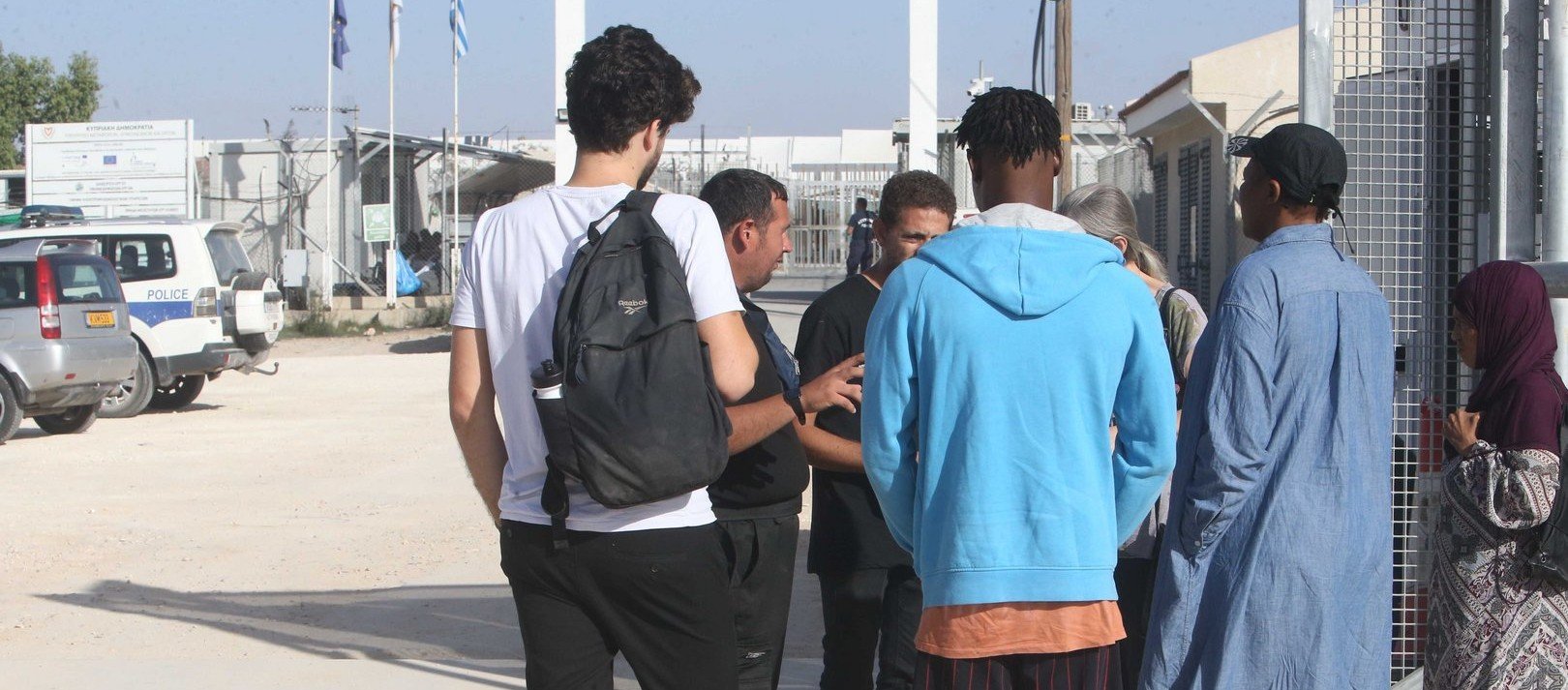
Cyprus has officially presented the first national migrant integration strategy in its history, calculated for 2025–2029. The document is intended to replace the fragmented initiatives of past years with a single system focused not only on social support, but also on internal security. Cyprus’s Deputy Minister for Migration, Nikolas Ioannidis, noted that previous mistakes in integration policy led to the marginalization of certain communities, the growth of shadow employment, and cases of migrant exploitation. The new strategy aims to break down closed ghettos and prevent the formation of parallel societies that carry social and criminal risks.
Language, education, and entry into the labor market
One of the key elements of the strategy is knowledge of the Greek language as a basic condition for integration. For legally residing migrants, permanent intensive courses are being introduced in the Kofinou and Limnes centers, as well as free in-person and online programs for different levels of preparation. The authorities view language not as a formality, but as a tool for access to work, education, and government services.
To legalize employment, the government intends to actively use the digital platform HelpRefugeesWork.org, recognized at the European level as one of the best practices for labor integration. At the same time, the expansion of a network of affordable and partially free kindergartens is planned, which should help migrant women combine work and childcare. Government services will also analyze living and employment conditions to avoid overcrowding and unsafe forms of housing rental. All newly arrived migrants are required to attend introductory sessions dedicated to Cyprus laws, social norms, and institutional requirements.
Integration as an obligation, not a privilege
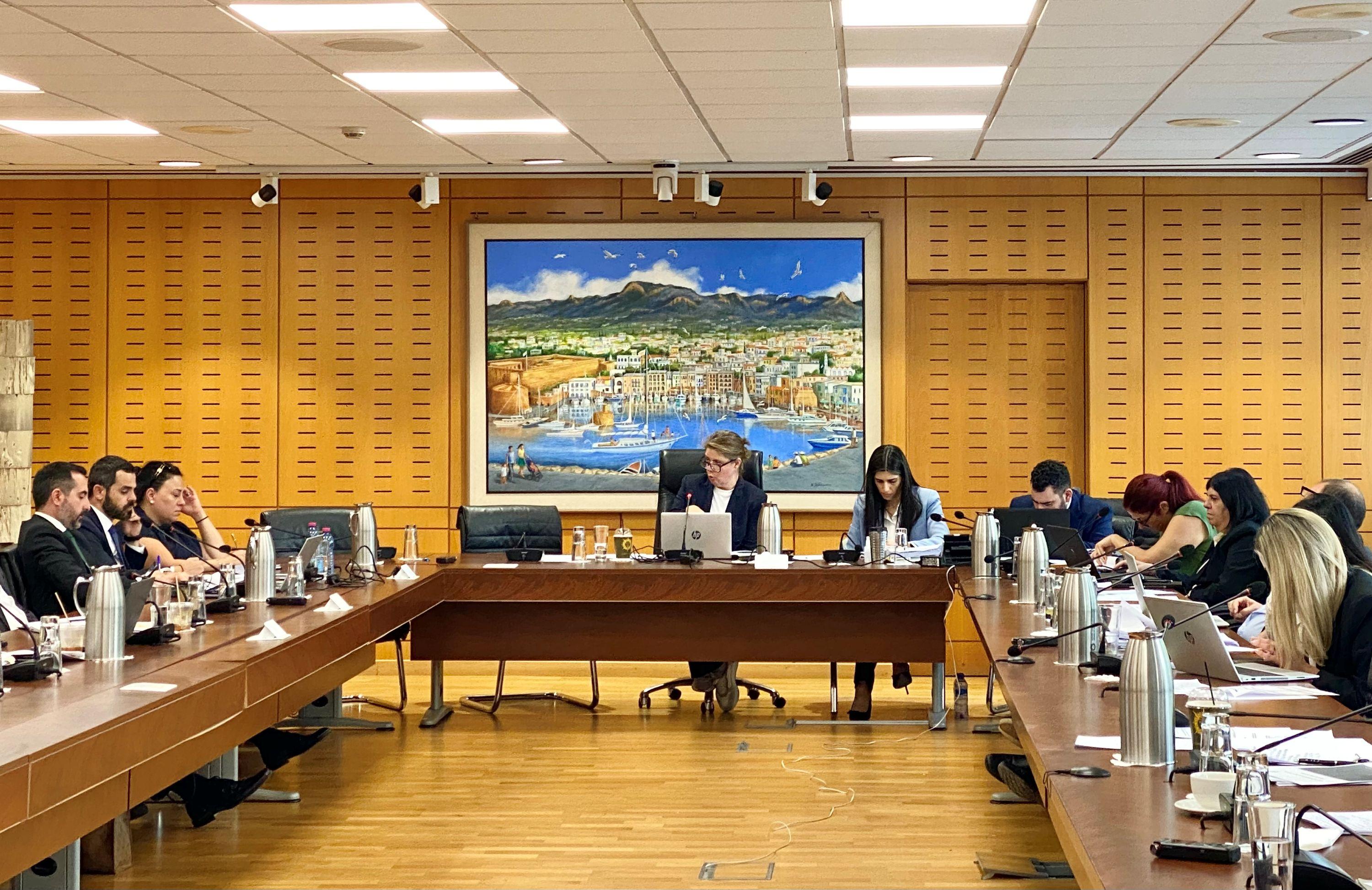
Nikolas Ioannidis emphasizes that the new strategy does not mean an “open doors” policy. It is a clearly defined system in which legal residents, including labor migrants, students, and people under international protection, must actively participate in the adaptation process. Attendance at language courses, compliance with public rules, and respect for local norms become mandatory conditions of stay. With regard to those who refuse to integrate or systematically violate requirements, the state intends to apply tougher enforcement measures.
European standards and managed migration
The strategy, which is to be approved by the Cabinet of Ministers in early 2025, is based on European approaches to migration management and uses a data-based assessment system with measurable performance indicators. Particular attention is paid to reducing migrants’ dependence on social benefits, strengthening social cohesion, and ensuring equal access to healthcare in the interest of public health.
Amid ongoing migration pressure in the Eastern Mediterranean, Cyprus seeks to build a model in which migration becomes controlled and predictable, supports the economy, and does not undermine public order. The ultimate goal of the 2025–2029 strategy, the authorities say, is social stability and a form of integration that will be beneficial both to the migrants themselves and to Cypriot society as a whole.