
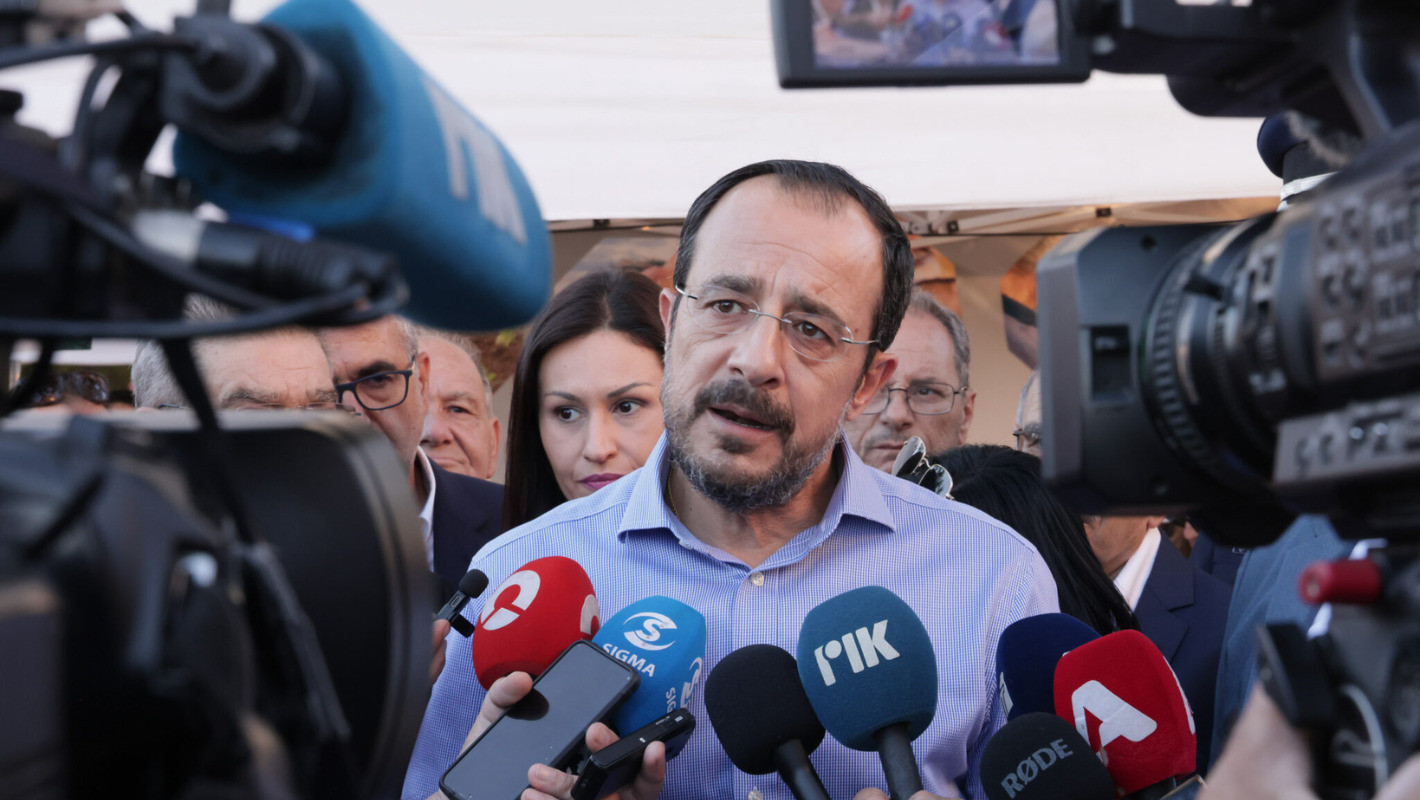
Cyprus is continuing to invest heavily in its public healthcare system. The government has recently approved an additional €61.7 million funding package for healthcare projects. President Nikos Christodoulides announced the new phase of the programme on July 12, stating that the investment is aimed at improving medical infrastructure across all regions of Cyprus to ensure residents have access to high-quality healthcare regardless of where they live.
Which hospitals will be upgraded?
The new funding package includes several major projects. In Nicosia, construction will continue on the modern Athalassa Mental Health Centre, with the second and third phases of the project now set to proceed. Athalassa remains Cyprus' main psychiatric hospital, and the need to expand the facility has been discussed for several years due to a shortage of patient capacity.
A new infectious diseases unit will also be built at Archbishop Makarios III Hospital in Nicosia. At Larnaca General Hospital, the intensive care unit and internal medicine department will be completely renovated, while new facilities will be created for the cardiology and pulmonology clinics. In addition, Troodos Hospital is set to undergo a major refurbishment. It is currently the only public inpatient hospital serving residents of Cyprus' mountainous regions.
Total healthcare investment exceeds €206 million
The additional €61.7 million builds upon the government's existing €145 million hospital modernisation programme. As a result, total state investment in the healthcare system has now reached €206.7 million, making it one of the largest healthcare infrastructure funding packages in recent years.
Among the projects already underway is the construction of a new hospital in Polis Chrysochous, with an estimated cost of around €17 million. The new facility is expected to improve access to healthcare for residents of the Tylliria Peninsula while reducing pressure on Paphos General Hospital.
Paphos has already seen the opening of a new emergency department, a short-stay ward, and a modern infectious diseases unit. The public hospital modernisation programme is scheduled to continue until 2027 and includes not only the renovation of hospital buildings but also the purchase of new medical equipment.
What will change for patients?
President Christodoulides stressed that the primary objective of the investment is to improve the quality of healthcare services while providing modern facilities for both patients and medical staff. However, the authorities acknowledge that upgrading hospital buildings is only one part of the broader reform. One of the public healthcare system's biggest challenges remains staff shortages. According to the Ministry of Health, Cyprus currently lacks around 600 nurses, and the government is considering the controlled recruitment of healthcare professionals from third countries.
At the same time, public hospitals are continuing preparations for their transition to financial autonomy. The government believes that combining new investment, infrastructure modernisation, and reforms to the healthcare management system will improve the quality of medical services while making public healthcare more accessible to residents across Cyprus.