
The Government of Cyprus has officially approved a new national minimum wage set at €1,088 gross, marking one of the most widely discussed socio-economic decisions of recent months. The decree will come into force on 1 January 2026 and will apply throughout 2026–2027.
According to the decree, the minimum monthly wage for employees with more than six months of continuous service will increase from €1,000 to €1,088. For employees with less than six months of uninterrupted service, the minimum income will rise from €900 to €979. Overall, this represents an 8.8% increase, which the authorities describe as a compromise measure amid rising living costs and pressure from the labour market.
Labour Minister Marinos Mousiouttas stressed that the decision was taken under conditions of a “fragile balance” between the need to protect workers’ incomes and the objective of maintaining business sustainability, particularly for small and medium-sized enterprises.
Trade union reaction: expectations not met
The Cabinet’s decision was the culmination of weeks of tense negotiations between the government and trade union organisations. Union leaders had previously warned President Nikos Christodoulides that a minimum wage below €1,125 would be considered unacceptable.
The unions based their position on calculations suggesting that the minimum wage should approach 58% of the national median salary, which would correspond to a level of around €1,170. Additional dissatisfaction was caused by the fact that the government relied on economic indicators from 2024, rather than more optimistic forecasts for 2025, despite the fact that the new wage level will apply in subsequent years.
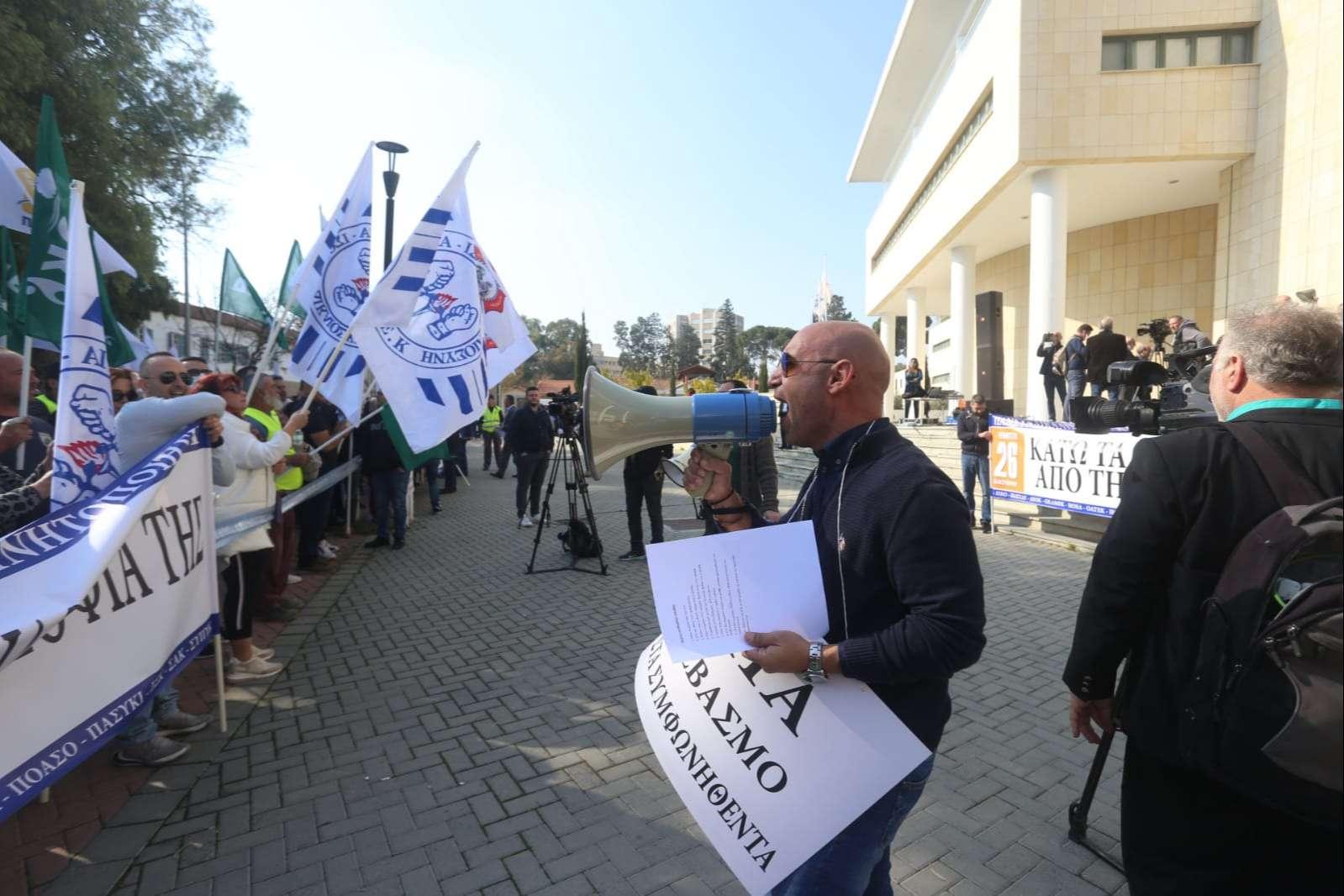
Trade unions have already stated that they do not rule out active forms of protest if dialogue with the government does not continue, warning of the risk of a new wave of labour disputes at the beginning of 2026.
Government arguments and economic context
The Labour Minister noted that inflation figures for 2024 and forecasts for 2025, together estimated at around 2%, were taken into account when setting the new minimum wage. It was also emphasised that Cyprus’s GDP growth remains above the eurozone average, creating room for a moderate wage increase without serious macroeconomic risks.
According to government estimates, the minimum wage increase will affect around 50,000 low-paid workers, improving their purchasing power amid ongoing rises in housing costs, utilities, and food prices. The authorities insist that the decision should not trigger additional inflationary pressure.
The broader background to the decision includes the overall rise in the cost of living in Cyprus, increasing rental prices, and labour shortages in certain sectors of the economy, making the issue of the minimum wage particularly sensitive for both local and foreign workers.
Business position and employers’ concerns
The reaction from the Cyprus Employers and Industrialists Federation (OEB) was equally firm. Business representatives described the 8.8% increase as unprecedented and stated that the minimum wage in Cyprus now represents a higher share of median income than in several major EU economies, including Germany and the Netherlands.
Employers warn that some companies—especially in services, retail, and food and beverage sectors—may face reduced profitability. In other cases, higher labour costs could be passed on to end consumers, which, according to OEB, would ultimately offset the real income gains for workers.
Political implications and next steps
The decision has also sent a clear political signal. It differs from the stance of former Labour Minister Yiannis Panayiotou, who had previously suggested that a minimum wage level of €1,125 was achievable. By supporting a more cautious option, the government has effectively entered into open confrontation with trade unions on the eve of the new year.
In 2026, the Minimum Wage Adjustment Committee will continue its work, assessing the long-term impact of the new wage level on economic growth, employment, and the country’s competitiveness. The possibility of transitioning to an hourly minimum wage also remains on the agenda, which could bring the Cypriot system closer to broader European practice. As a result, the minimum wage in Cyprus is becoming not just an economic indicator, but a key element of the social and political dialogue that is likely to continue throughout 2026.
