
The Cyprus Tax Department announced on Thursday, 15 January, that a zero VAT rate will continue to apply for a year to a number of socially important consumer goods. The measure is aimed at reducing the financial burden on households and supporting purchasing power amid the continued rise in the cost of living.
Extension of the tax relief
The government decided to extend the zero-VAT policy for all of 2026. The relevant Cabinet decree is dated 21 November 2025. The document explicitly states that the purpose of the initiative is to support families and curb price increases for essential everyday goods.
Which goods remain VAT-free
The zero VAT rate remains in place for baby food, including infant formula, as well as for diapers for both children and adults. The relief also applies to women's personal hygiene products, which have repeatedly been the subject of public debate in the past due to the high tax burden.
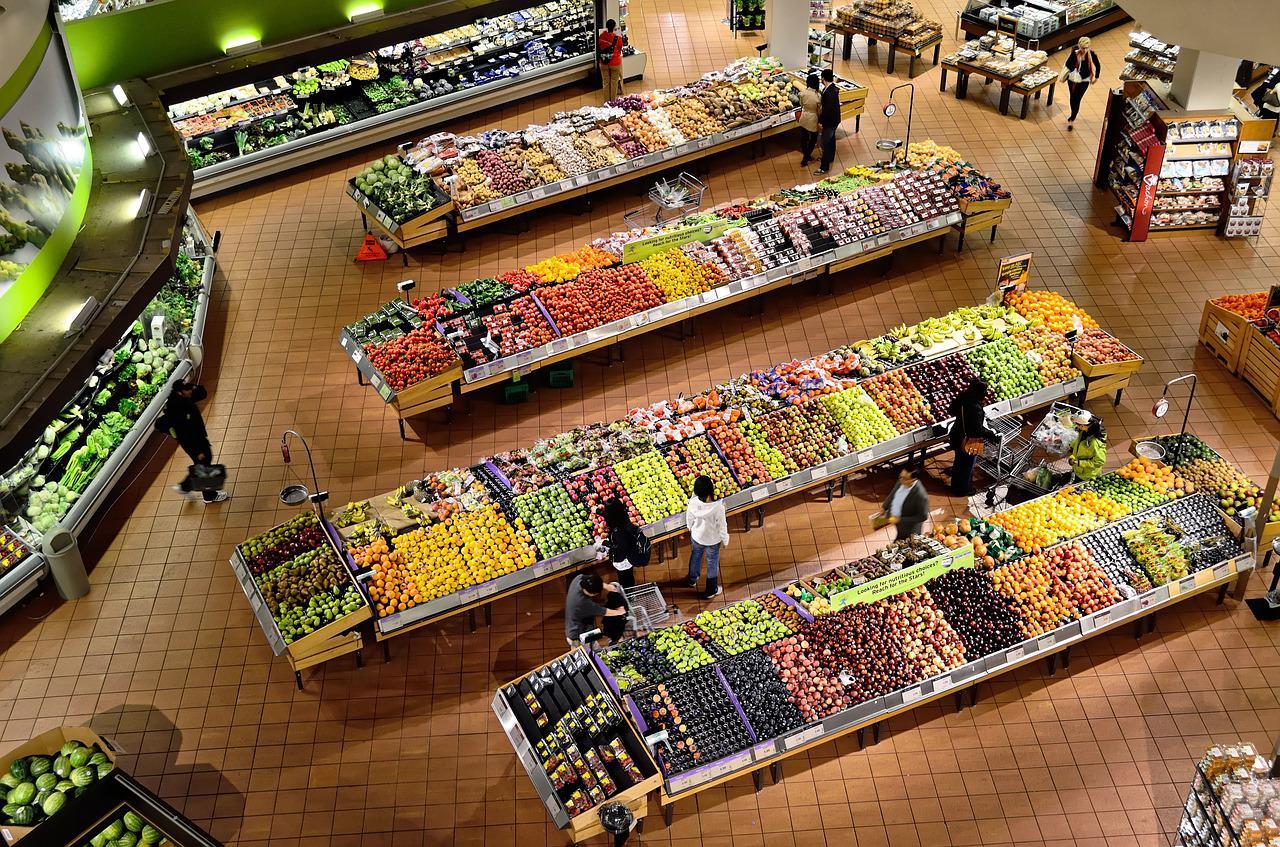
In addition, the VAT exemption applies to a wide range of fresh and chilled vegetables. This includes potatoes, tomatoes, onions, garlic, cabbage, broccoli, carrots, cucumbers, radishes, beans, peas, eggplants, peppers, mushrooms, and spinach. A similar tax regime also applies to fresh fruit such as bananas, figs, avocados, grapes, melons, and watermelons, as well as apples, pears, peaches, sweet cherries, and strawberries. The Tax Department urged businesses and traders to fully comply with the relevant decree.
Economic context and oversight
The extension of the zero VAT rate comes amid ongoing pressure on household budgets related to food and utility prices. The Cypriot authorities view this measure as one of the key instruments of social support, especially for families with children and elderly citizens.
The Tax Department specifically emphasized that businesses and retail outlets are obliged to strictly comply with the provisions of the decree. In 2025, inspections in the retail sector were stepped up, and in 2026, oversight of the correct application of the zero VAT rate will remain among the priorities to ensure that the relief is truly reflected in final prices for consumers.