
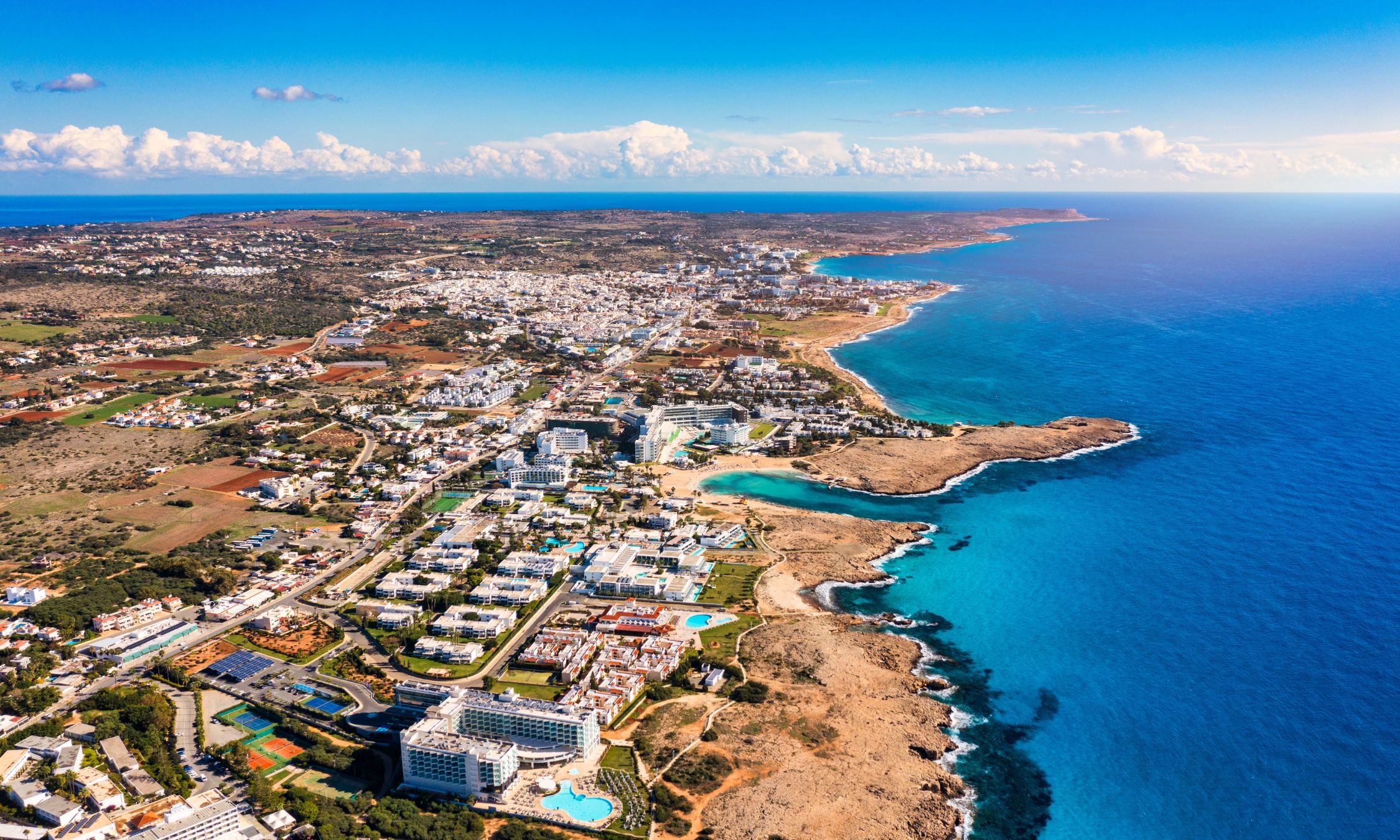
Cyprus may ban new construction within 100 m of the sea. MPs have proposed amending the Beach Protection Law to restrict coastal development, preserve natural areas, and guarantee residents and tourists free access to the sea. The initiative is also linked to long-running disputes over construction rules along the coastline.
It is unthinkable that people should feel the coastline is gradually disappearing behind private developments and that free access to the sea is becoming a privilege. Development is necessary, but it must have limits. One of them is the proper protection of the coastal zone, officials said.
The issue is becoming increasingly relevant for Cyprus. Construction along the coast and the deterioration of the shoreline threaten both access to beaches and the preservation of natural areas. In June 2025, plans to build a restaurant directly by the sea at Agios Ermogenis Beach in Limassol caused public controversy. Supporters of the project argued that the building was located within the boundaries of a previously approved restaurant site, whose foundations had gradually become exposed to wave action because of coastal erosion.
Against this background, MPs have proposed amending the legislation and introducing clear rules for protecting the coastline.
Why Has Cyprus Still Not Joined the International Protocol?
Of the eight EU member states with Mediterranean coastlines, six have joined the Protocol on Integrated Coastal Zone Management under the Barcelona Convention. The document became part of EU law in 2011. Greece signed the protocol but has not ratified it. Cyprus remains the only one of the eight countries that has neither signed nor ratified the document. The reasons for this situation have been debated for many years.
Paphos Mayor Phedonas Phedonos, who is currently suspended from office, previously linked resistance to joining the protocol with possible consequences for construction permits for around 15 hotels in Ayia Napa and Protaras. According to him, the issue could concern permits issued on state-owned and forest land.
However, the Audit Office of Cyprus has pointed to another key obstacle: inconsistencies between the international protocol and the existing national Beach Protection Law regarding the width of the area in which construction is prohibited. The Beach Protection Law was adopted on December 7, 1934. The Legal Service and the Audit Office have repeatedly noted that the legislation is outdated and no longer reflects modern conditions.
What Are MPs Proposing?
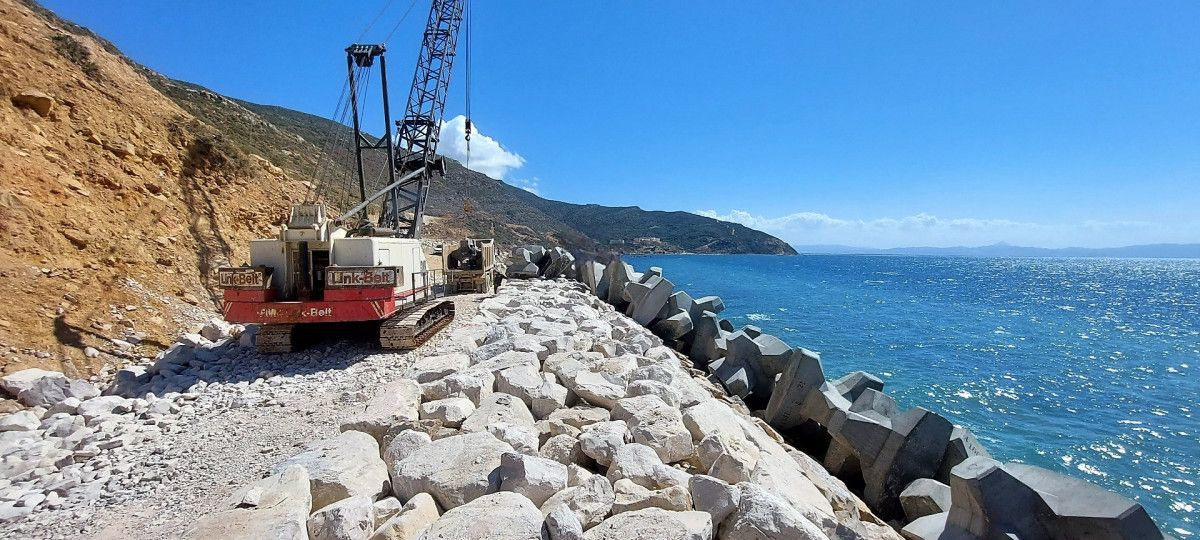
MPs from the ALMA party have submitted a bill to the parliamentary Interior Committee proposing amendments to the Beach Protection Law. The main proposal is to establish a single coastal protection zone extending at least 100 m inland from the maximum winter waterline. As a general rule, construction of new buildings would be prohibited within this area. The initiative is intended to bring Cyprus legislation closer to the requirements of Article 8(2)(a) of the Barcelona Protocol.
ALMA MP Litsa Drousiotou said the bill was introduced in response to long-standing problems with beach management. According to her, Cyprus needs to move away from an outdated and fragmented system toward clear and uniform rules for coastal protection. Referring to Audit Office reports, she noted that inspections had identified major differences in the width of protected zones, numerous exemptions from the rules, and difficulties preventing illegal intervention in coastal areas. The bill provides for several important changes:
- A uniform protection zone. The minimum width would be 100 m from the maximum winter waterline.
- Direct definition in law. The boundaries of the zone would be established directly by legislation rather than through future administrative maps or individual decisions.
- Restrictions on new development. As a general rule, new buildings would be prohibited within the protected area.
- Protection of public access. The initiative is intended to safeguard the right of residents and tourists to freely use beaches and access the sea.
According to the authors of the initiative, a uniform rule would help avoid situations in which construction decisions depend on outdated boundaries, numerous exemptions, or individual administrative decisions.
Why Is the Current Beach Protection Law Considered Outdated?
Klitos Papastylianou, an environmental policy expert with Terra Cypria, notes that the 1934 law was progressive for its time and helped protect the coastline of Cyprus.
However, around 45–50 amendments have been made to it over the past 60 years. According to the expert, it can now be argued that legislation originally intended to protect beaches is increasingly being used to regulate their development and commercial use. The current law mainly governs beach organization and the provision of services to visitors, including sunbeds, umbrellas, and plans for the use of beach areas.
At the same time, comprehensive coastal protection receives insufficient attention. Among the issues requiring more systematic regulation, the expert highlighted:
- preservation of coastal landscapes and protected areas;
- changes to ecosystems;
- the effects of climate change and rising sea levels;
- coastal erosion;
- the impact of extreme weather conditions and powerful waves.
The Barcelona Protocol contains specific provisions aimed at addressing these issues.
Environmental Groups Say 100 m May Not Be Enough
Environmental organizations have supported the bill but are urging the government to develop a more comprehensive system for protecting the coastline. The Barcelona Protocol sets 100 m as the minimum width of the protected zone. In specially protected natural areas, it can extend to 500 m, Klitos Papastylianou explained. As an example, he cited the Lara–Toxeftra Marine Protected Area, where the existing coastal protection zone is 100 m wide.
Another problematic area is the Sea Caves in Peyia. Over the past decade, construction has taken place in the coastal zone, including on land that was located within the existing 91–92 m protection strip. As a result, some plots of land ended up entirely outside the protected zone. Experts believe that a uniform 100 m rule would establish a minimum level of protection and make construction regulations clearer. However, particularly vulnerable coastal areas may require a wider protected zone. Parliament will therefore have to decide not only whether to introduce a uniform coastal protection zone, but also whether the proposed restrictions are sufficient.
The main question is whether Cyprus can find a balance between real estate development, environmental protection, and free access to the sea. Adoption of the bill could become an important step toward preserving the island’s beaches, but environmental organizations are calling for a broader reform of the legislation and stronger protection for the most sensitive coastal areas.