
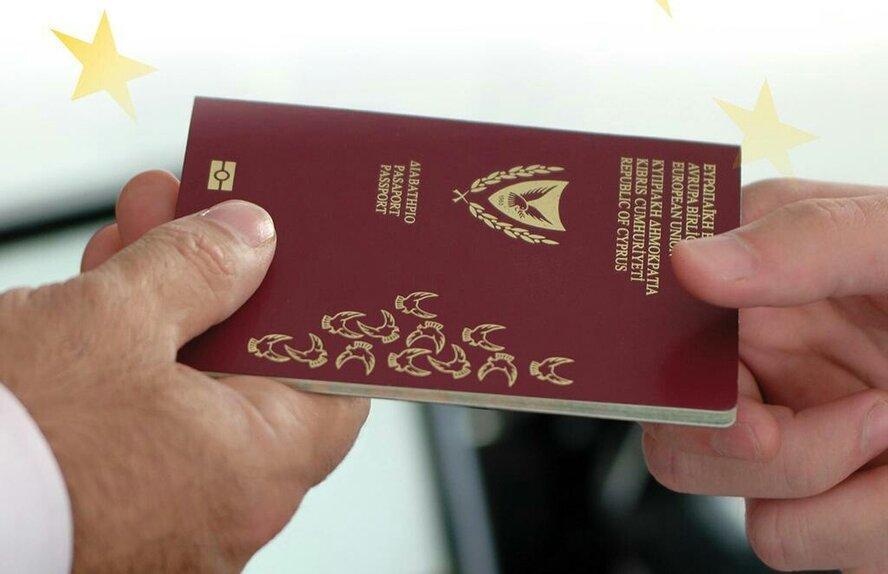
Cyprus’s Parliament, at its final plenary session of the year, passed a law formally removing the cabinet’s authority to grant citizenship to foreign investors. This decision marks the definitive end of the once highly profitable but deeply controversial “Citizenship by Investment” programme, which brought billions of euros to the island but also caused severe reputational damage.
Although the programme itself was shut down in November 2020 following Al Jazeera’s explosive investigation, the legal framework that allowed the government to grant passports to foreigners had technically remained in place. Now it has been abolished completely: the authorities can no longer grant Cypriot citizenship to investors, their families, or even in the form of honorary citizenship.
Why did the EU insist on a full annulment of the scheme?
Parliament’s decision comes in direct response to ongoing infringement procedures launched by the European Union against Cyprus. Brussels accused the Republic of essentially “selling” EU citizenship through the scheme, creating risks related to security, capital control, and anti–money laundering compliance.
According to MP Aristos Damianou, Cyprus adopted the changes under EU “pressure,” although many lawmakers acknowledged that legislative cleanup was necessary after the previous administration allowed significant violations. Over the programme’s lifetime, 7,329 people received Cypriot passports — 3,522 of them investors, some of whom reportedly never set foot in the country.
Political disagreements and the international backdrop
Criticism was also voiced during the session. Independent MP Kostis Efstathiou argued that Cyprus has lost its “sovereign right” to grant honorary citizenship, while major corruption scandals are unfolding within EU institutions themselves. He hinted at the recent investigation involving former EU foreign policy chief Federica Mogherini.
Despite political disagreements, most MPs acknowledged that while the scheme helped support the economy after the 2013 financial crisis, it severely damaged Cyprus’s international reputation — a problem the country is still working to repair. In 2024–2025, the European Commission continues discussing unified EU-wide rules for residency-by-investment schemes, making the issue particularly sensitive for Nicosia.
The final abolition of the “golden passport” scheme is a symbolic step underscoring Cyprus’s commitment to restoring trust among its international partners. The country is actively reforming its investment and migration frameworks, offering more transparent residency and business immigration programmes. Against the backdrop of ongoing energy projects and Cyprus’s growing role in regional security, these reforms are becoming increasingly important.