
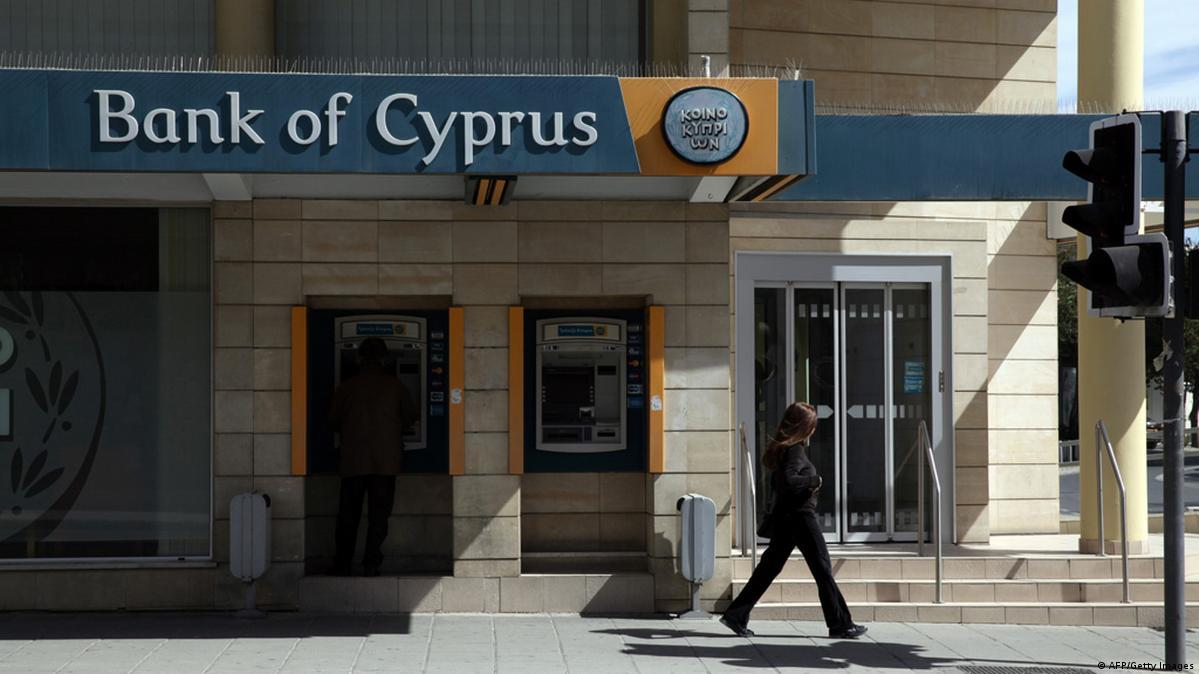
International rating agency S&P Global Ratings on Thursday, December 18, revised the outlook on Bank of Cyprus from “stable” to “positive.” At the same time, the bank’s long-term and short-term credit ratings were affirmed at “BBB-” and “A-3,” respectively. This decision signals growing confidence in the country’s largest financial institution and reflects an overall improvement in conditions for the banking sector in Cyprus.
According to S&P, the key reason for the outlook revision was a reduction in economic risks facing banks operating in the Cypriot market. A more favorable macroeconomic environment is creating conditions under which Bank of Cyprus can further strengthen its position and financial resilience.
Economic Growth Supports the Banking Sector
The agency notes that Cyprus’s solid economic growth in recent years has had a positive impact on the creditworthiness of the private sector. A significant role is played by the well-developed services sector, particularly tourism, as well as rapidly growing areas such as information technology, telecommunications, and digital services. The relocation of businesses and headquarters of international companies to Cyprus is boosting investment inflows and supporting employment.
S&P also highlights the resilience of the Cypriot economy to external shocks. Even amid regional conflicts, geopolitical instability, and trade disputes, the country has managed to maintain positive momentum, strengthening the confidence of investors and international partners.
Rising Incomes, but Hidden Imbalances Remain
According to the agency, the credit quality of the private sector is gradually improving. This is supported by rising employment, increasing real household incomes, and large-scale investment programs, including those financed through the Next Generation EU initiative. At the same time, S&P points out that high GDP per capita figures expressed in US dollars may not fully reflect the actual level of prosperity of local residents, due to the significant share of foreign investment in the economy.
Despite the positive trend, analysts believe that Cyprus’s economy remains more cyclical than those of other countries of a similar size, making it sensitive to changes in global economic conditions.
Risks of an International Financial Center
S&P emphasizes that Cypriot banks continue to face elevated risks related to the country’s status as an international financial center. These risks, in the agency’s view, limit the potential for further upgrades of ratings for banks domiciled in Cyprus.
Additional pressure comes from compliance with anti-money laundering and counter-terrorist financing requirements. The cross-border nature of financial operations increases compliance costs and carries potential risks of fines and complications in relationships with correspondent banks abroad. Moreover, as a small and open economy, Cyprus remains vulnerable to external economic shocks.
What This Means for the Market
S&P’s revision of the outlook on Bank of Cyprus to “positive” is seen as an important signal for investors, customers, and businesses. It confirms that the bank and the country’s financial system as a whole are moving toward greater stability, supported by economic growth and reforms implemented in recent years. At the same time, the agency makes it clear that further rating improvements will depend on Cyprus’s ability to reduce external and regulatory risks while maintaining sustainable development amid global uncertainty.