
The former Nicosia International Airport, which has stood abandoned in the buffer zone for more than half a century, may receive a second life. A group of Greek Cypriots and Turkish Cypriots has launched an initiative to create a museum on its territory. The project is conceived as a space of memory and at the same time as a symbol of reconciliation between the two communities of the island.
Today, the territory is under the control of the UN peacekeeping mission — United Nations Peacekeeping Force in Cyprus. This is where the so-called “green line” runs, dividing the island since 1974.
Why Nicosia airport was closed in 1974
Before the events of the summer of 1974, Nicosia International Airport was the main aviation hub of Cyprus. International flights passed through it, and the national carrier Cyprus Airways connected the island with Europe and the Middle East.
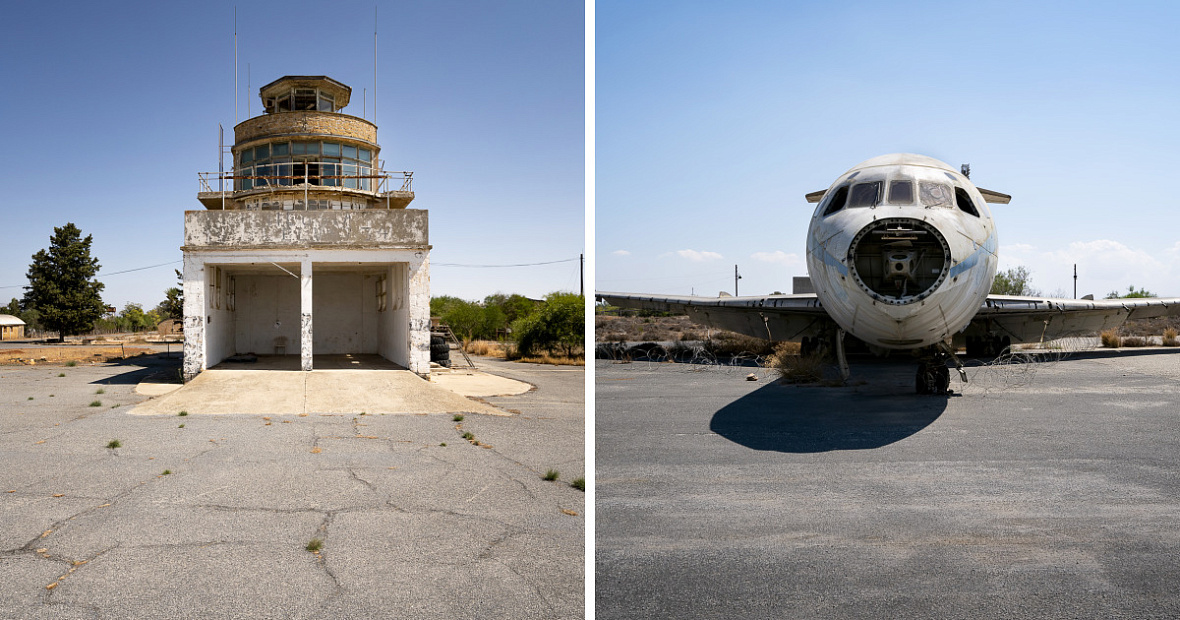
In July 1974, after the outbreak of hostilities and the Turkish invasion of Cyprus, the airport’s operations abruptly stopped. The territory ended up in the buffer zone between the southern and northern parts of the island. Since then, the terminal buildings, runway, and equipment have remained preserved.
For more than 50 years, the infrastructure has hardly changed. Faded signs, check-in counters, old direction boards, and furniture still remind visitors of the last day of its operation. Nicosia airport has become a unique historical site and one of the most famous abandoned airports in Europe.
The ghost plane Hawker Siddeley Trident
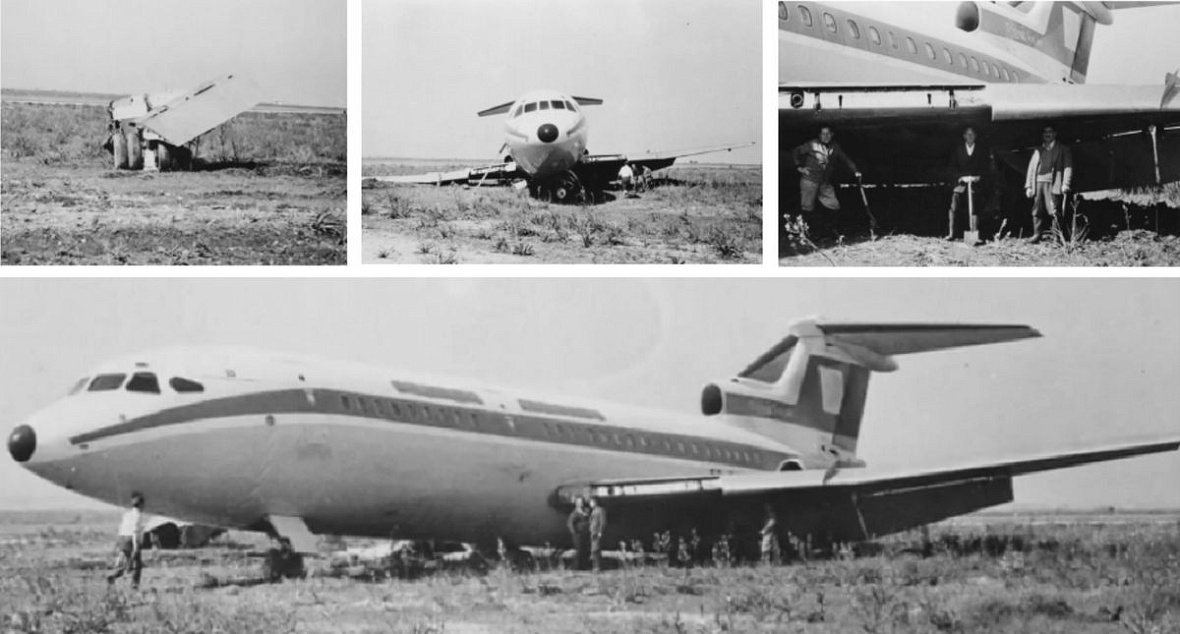
The main exhibit of the future museum may become a Hawker Siddeley Trident 2E aircraft with registration 5B-DAC. This airliner belonged to Cyprus Airways and operated flights from London to Nicosia in July 1974. After the start of hostilities, the aircraft never left the island again.
The aircraft’s fuselage remained under the scorching sun for decades. Part of the equipment was dismantled, the interior suffered damage, however the fuselage and tail with the airline’s distinctive logo have been preserved. Today this aircraft is considered one of the most recognizable symbols of divided Cyprus.
The project initiators plan to restore the airliner and create a modern museum exhibition inside. Visitors will be able to see archival materials, digital installations, and eyewitness accounts of the events of 1974.

Archives discovered decades later
The project is led by a public group under the leadership of Alexis Sofokleous. Several years ago, activists managed to enter the airport buildings for the first time since 1974. Hundreds of pages of documents were discovered inside — flight plans, business correspondence, airline archives, and technical papers that had remained untouched for almost half a century.
These findings may become the basis for a historical exhibition. The initiative has already received support from diplomatic missions and organizations engaged in cultural heritage protection. The team is now awaiting official permission from the UN and the UNFICYP mission to begin full implementation of the project.
A new museum as a space for dialogue
The authors of the idea emphasize that this is not just about preserving a historical site. The museum at Nicosia airport could become a platform for meetings of students, researchers, and residents of both communities. Educational programs, conferences, and youth projects supported by international organizations are planned.
The creation of a museum in Cyprus’s buffer zone is viewed as a step toward strengthening trust between the Greek and Turkish sides. The former line of division could turn into a place of communication and shared memory.
If the project receives final approval, the abandoned Nicosia airport will once again become a point of attraction for the first time in decades — no longer for flights, but for people seeking dialogue and understanding.