
After numerous delays and organizational challenges, the authorities in Limassol have resumed active work on the project to create a modern shelter for stray animals.
According to the municipality, the final location for the facility is expected to be determined within the next month, along with the approval of its operating model. Once these decisions are finalized, the project will be able to move into the implementation phase.
The Shelter Will Be One of the Largest in the Region
In recent years, the number of reports involving stray animals has continued to increase. Limassol is increasingly facing the need to provide temporary accommodation for dogs, offer veterinary care, and find new homes for animals that have ended up on the streets.
For this reason, local authorities consider the creation of a modern shelter to be one of their priority social projects. The new center is intended not only to provide proper living conditions for animals but also to coordinate the efforts of municipalities in addressing the issue of stray dogs.
According to Amathus Mayor Kyriakos Xydias, a specialist has already been appointed to evaluate potential sites and prepare recommendations on the most effective operational model for the future facility.
Why the Original Project Had to Be Revised
The shelter was initially planned for a state-owned plot of land in the Armenochori area. Architectural plans had been prepared, and the necessary permits had already been obtained. However, the project later encountered unexpected difficulties.
A nearby shooting range underwent expansion, significantly increasing noise levels in the area. As a result, operating an animal shelter at the site became impractical. Experts concluded that constant noise would negatively affect both the animals’ well-being and staff working conditions. Authorities were therefore forced to seek alternative locations for the project.
Officials are currently evaluating several options. Among the alternatives under consideration are the acquisition of a licensed dog boarding facility in the Parekklisia area and the use of land at the former waste disposal site in Vati. Regardless of which location is ultimately selected, the project’s core concept will remain unchanged. The architectural plans originally prepared for Armenochori will be adapted to the new site.
Details of the New Project
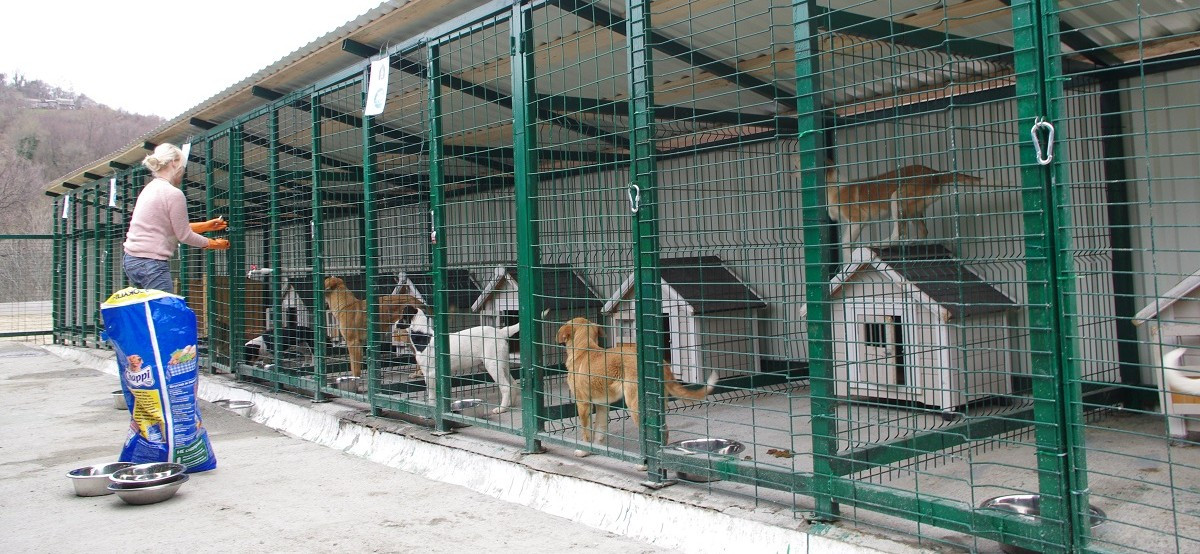
According to the existing design plans, the future shelter will differ significantly from traditional municipal animal holding facilities. The complex will include 96 kennels, with the capacity to accommodate a substantially larger number of dogs.
The site will also feature spacious exercise and walking areas, a modern veterinary clinic, bathing and grooming facilities, administrative buildings, and parking spaces.
Particular attention is being given to creating a comfortable environment not only for the animals but also for the staff and volunteers who will work at the center.
This approach reflects modern European standards for animal welfare, where the focus is placed on rehabilitation, treatment, and finding permanent homes rather than simply isolating stray animals.
The Stray Animal Problem Remains Significant
According to estimates from animal welfare organizations and relevant authorities, thousands of stray dogs live in Limassol and surrounding communities. The population of stray cats is believed to be even higher.
Despite the efforts of municipal authorities and volunteers, existing animal care facilities remain very limited. Each municipality currently operates its own small temporary accommodation facilities for dogs, but their resources are no longer sufficient to meet growing demand.
A notable example is Limassol’s municipal dog park and shelter, which operates on a site covering approximately 8,000 m². Over the past several years, the center has helped hundreds of animals find new homes through adoption programs.
Experts believe that the construction of a single modern shelter will represent an important step forward for the entire region. The new facility will improve animal welfare standards, expand sterilization and veterinary care programs, and enhance the effectiveness of animal protection services.