

How does it usually go? You buy a property by the sea and already picture yourself enjoying a morning frappe on your own terrace in the sunshine. It feels as though nothing but relaxation lies ahead. But apartment living has its own realities, and they can differ greatly from the glossy images in developers’ brochures. When moving into a residential complex, you quickly discover that everyday life in Cyprus deserves a closer look.
There are unwritten traditions as well as very specific rules. Ignore them, and you can quickly damage relations with your neighbours or even receive an official complaint from the management. Nobody wants to start life in a new home with conflicts, right? So let’s take a closer look at how everything works, who pays for what, and where exactly the boundaries of private space lie.
What rules apply in a residential complex: property in Cyprus
People often imagine that southerners are noisy and not particularly disciplined. Everyone seems to speak loudly, honk on the roads and never be in a hurry. The famous “siga-siga”. But this works only until it comes to their own home. In everyday life, Cypriots and long-term foreign residents tend to be very protective of personal boundaries.

Quiet hours, guests and how residential living affects behaviour
“The first thing I had to get used to after moving was the afternoon quiet period,” newcomers often say. And indeed, quiet hours are one of the basics. On the island, rest periods vary depending on the season. From October 1 to March 31, quiet hours apply from 15:30 to 17:30 during the day and from 22:00 to 07:30 at night. During the summer period, from April 1 to September 30, the afternoon quiet period shifts to 15:00–17:30 and the night period to 23:00–07:00.
Noise restrictions apply during these hours. Of course, nobody will stop you from talking on your balcony, but the exact rules for louder sounds always depend on the applicable regulations. Noisy parties or furniture assembly may be subject to additional requirements. So before turning up the speakers, make sure to check the internal rules of your building. In some areas, residents may speak quite loudly — not out of bad manners, but simply because that is how they talk.
Guests are generally welcome, but with one important condition: you are responsible for everything your friends do. Loud laughter in the stairwell or rubbish dropped outside the bin may result in complaints from the committee — and those complaints will be directed at the apartment owner. When you buy property, you automatically assume responsibility for anyone who enters your home with your permission.
Use of common areas
Local legislation draws a clear line between your apartment and jointly owned areas. Common property can include entrance doors, staircases, corridors, the roof, garden areas, the swimming pool area and the ground-level parking area. The exact list is always defined in the documents of the specific building.
One of the most common mistakes newcomers make is trying to “claim” a little piece of the corridor. Leaving a bag of fragrant rubbish outside the door overnight, parking a child’s scooter under the stairs, or displaying sandy beach shoes in the hallway. Under basic rules of etiquette and good neighbourly behaviour, these spaces should not be used for personal storage. If every resident starts leaving belongings in the lobby, even a luxury building will quickly begin to resemble a cluttered communal warehouse. The committee or management company has every right to ask you to remove personal items from common areas if they breach internal rules or simply interfere with cleaning and the appearance of the building.
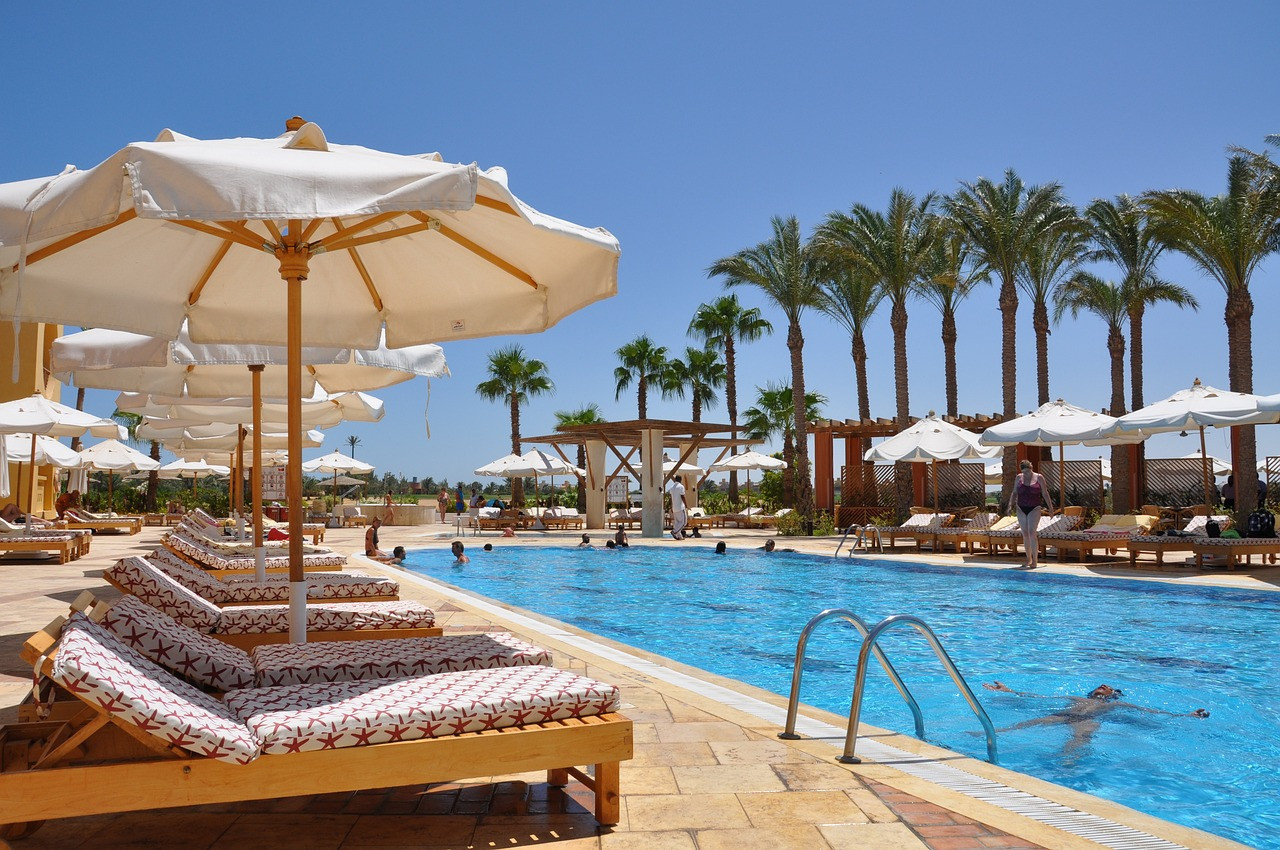
How common spaces work: Cyprus and its residential infrastructure
There is a simple rule here: the more luxurious the project looks in the brochure, the more actively you will have to contribute to maintaining it. There is no such thing as free service, and every comfort has to be paid for.
Swimming pool, garden and leisure areas
Many people dream of having sparkling blue water right outside their building. A swimming pool certainly looks attractive and is a lifesaver in hot weather. But in this climate, water evaporates quickly, powerful pumps run for hours and professional chemicals are not cheap. At residents’ meetings, someone will inevitably complain: “I only swim in the sea — why should I pay for cleaning the pool?”
But the logic of shared ownership is straightforward. All owners contribute to the maintenance of common property, whether they use it or not. If the swimming pool forms part of the shared infrastructure and this is specified in the rules, you will have to contribute. Pool areas usually have their own strict rules. No glass, for example — a broken glass can create a major problem and may require the entire pool to be drained. Active ball games may also be restricted during quiet hours. Such internal rules help maintain order so everyone can use the area comfortably.
Lifts, corridors and entrances
Maintaining a building involves a huge amount of invisible work. Cleaning corridor floors, replacing burnt-out light bulbs and trimming bushes near the entrance all require regular spending from the common budget.
Take the lift, for example. It is complex equipment that requires regular technical maintenance. Lifts form part of the building infrastructure, and their costs are borne by the owners. Even if someone lives on the first floor, is terrified of enclosed spaces and always uses the stairs, they may still have to contribute if this is provided for under the building rules and the system used to calculate each owner’s share.
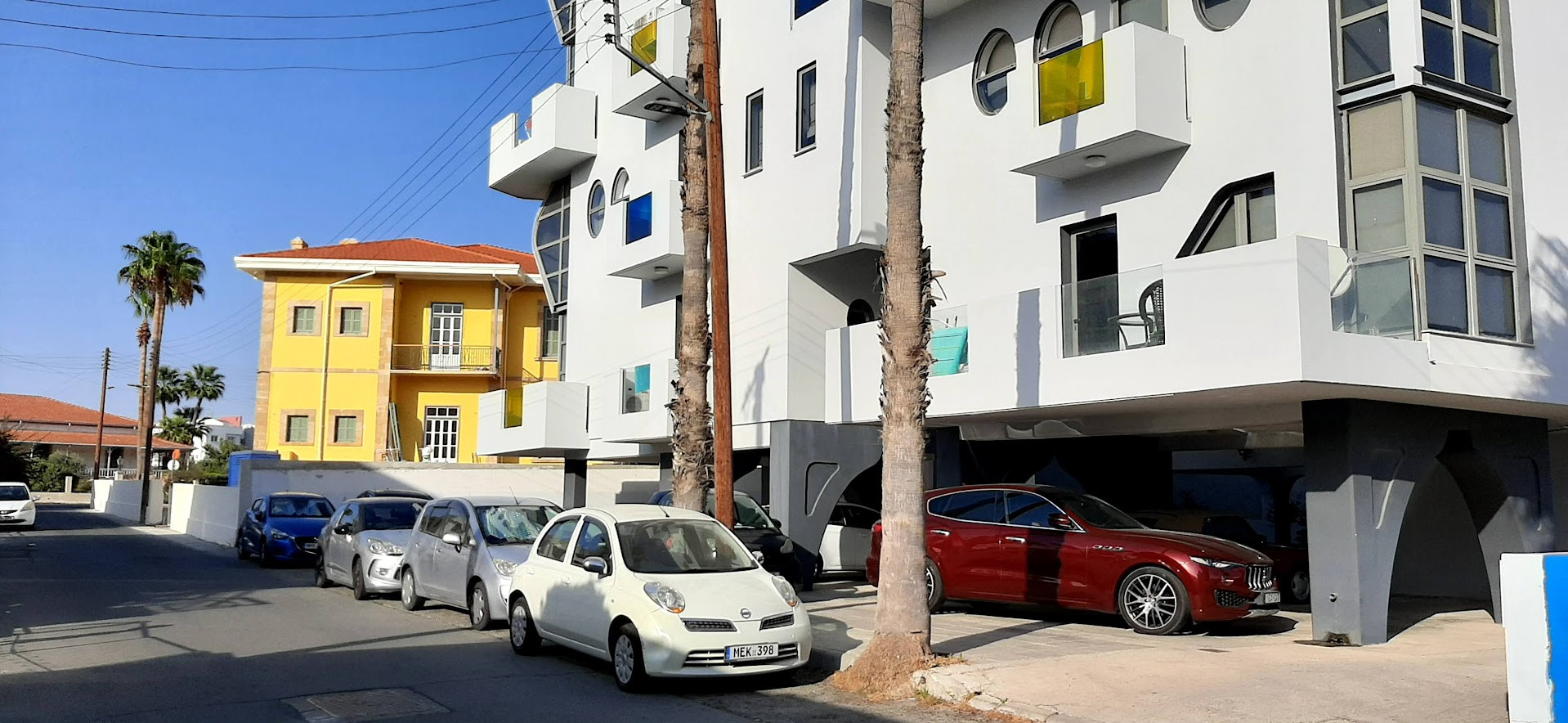
Parking and access to the complex: Cyprus-specific issues
It is difficult to get around the island without a car. Try walking to the supermarket in 35-degree heat carrying heavy shopping bags — hardly anyone’s idea of fun. That is why parking is often one of the biggest and hottest topics of discussion. And yes, this is also where locals often grill souvlaki.
Allocated and visitor parking spaces
Usually, each apartment has its own clearly allocated parking space, specified in the property documents. Taking someone else’s rectangle of asphalt is taboo. Neighbours tend to react immediately and very strongly. If your household has two cars but only one space, the second vehicle will have to be parked somewhere outside the barrier.
Visitor spaces are a constant problem because there are rarely enough of them. You cannot simply use the space of a neighbour who has gone on holiday without permission. Guests must either find a free space within the complex or park on nearby streets without blocking anyone’s access.
Gates, keys and access systems
Automated systems can break down. Sand may clog the sensors after a dust storm, or a power surge may damage the barrier motor. Repairs are paid for from the common fund. If you lose your remote control, however, a replacement usually has to be ordered centrally through the manager. This is done deliberately so that outsiders cannot simply make a duplicate at the nearest workshop.
Common expenses in Cyprus and residential complex maintenance
Now we come to the most interesting part. Common expenses are the regular charges you will pay in addition to your own electricity and water bills inside the apartment. The basic idea behind these charges in Cyprus is that the building should remain safe, clean and well maintained.
What is usually included in common expenses
The amounts can vary enormously. A small building without a lift may require only modest contributions, while a modern high-rise complex with a gym, concierge and gardener can cost a considerable amount. Basic expenses usually include electricity for stairwells and parking areas, water for landscaping, cleaning staff wages and routine lift maintenance.
An important point: you pay simply because you own the property. Away on a six-month business trip? Apartment standing empty? The bills will still keep coming. The basic principle links an owner’s share to the size of their apartment, and expenses are allocated according to this formula under the rules of the specific building.
Who pays for additional works when the property needs repairs
Nothing lasts forever. Façade paint eventually peels under the strong sun, while a roof may start leaking after prolonged heavy rain. Large unexpected expenses are usually discussed at general meetings. If the roof above a penthouse leaks, it is a problem for the whole building because the roof is common property. Therefore, the cost of new waterproofing is generally shared by all owners in proportion to their ownership shares.
Renovation, noise and everyday restrictions in Cyprus
Resale properties often need to be updated to suit the new owner. But your private renovation can become a serious test of everyone else’s patience.
When renovation work can be carried out
A good strategy is essential. To prepare an apartment for moving in without arguments, the work schedule should be planned in advance. Renovations must take into account not only the internal rules of the complex but also general noise restrictions. In practice, the hours when drilling and hammering are allowed depend on the season, the type of work and the rules of the particular building. So if you want to prepare the apartment without unnecessary problems, the best first step is to speak to the manager and agree on the working hours.
If you urgently need to prepare an apartment for rental, do not schedule the removal of old tiles for a Sunday. On weekends and public holidays, any loud noise quickly attracts complaints. Experienced contractors know these details well. To complete the work properly and on time, they factor quiet hours into the schedule rather than working non-stop. It is also important to prepare an apartment before the peak of summer. In August, many construction workers take holidays, and finding an available team can become extremely difficult. So if you want to prepare your apartment successfully and avoid becoming public enemy number one among your new neighbours, plan everything in advance and respect other people’s rest.

Air conditioners, balconies and façade alterations
Cypriot balconies are almost an art form and a favourite place to relax. But you cannot necessarily do whatever you like there. In many complexes, internal rules restrict drying laundry where it is visible from the street. This is not simply someone’s personal preference, but part of maintaining the appearance of the façade. So before hanging rows of colourful towels outside, it is worth checking the internal rules of your complex.
Barbecues are similar. Whether you can grill meat over charcoal on your balcony depends on the rules of the complex. Restrictions are often related to heavy smoke entering neighbours’ windows and fire-safety considerations.
And if you suddenly decide to enclose your balcony or install a huge external air-conditioning unit in the most visible place, it is better to stop and check first. Any changes affecting the appearance of the façade usually require formal approval and cannot simply be made because you feel like it.
Who manages a residential complex: committee or management company
Management is not supposed to happen chaotically. The law provides a fairly clear and workable system of control.
Management company and residents’ committee
For jointly owned buildings, legislation directly provides for a Management Committee, headed by a president. In essence, this is an initiative group made up of owners. A building should have such a committee, operating in accordance with the law and the internal regulations. It may open a bank account, sign contracts and oversee the condition of the property.
But realistically, who wants to chase neighbours for unpaid fees after work or search for an electrician on a Friday evening? Exactly. That is why the committee often hires a professional management company. For a fee, specialists take care of the routine: organising cleaning, issuing invoices, calling tradespeople and maintaining transparent accounts.
Where to turn when problems arise and the property is deteriorating
The biggest headache for any building is owners who do not pay. When collecting common expenses, complexes in Cyprus regularly encounter people who simply refuse to contribute. If someone continually accumulates debt, the building’s budget shrinks and there may not even be enough money to replace basic light bulbs. But there are ways to deal with this. If an owner refuses to contribute to common expenses, the Management Committee has the right to begin debt-recovery proceedings, including formal court action. That tends to be a very effective reality check.

What to check before buying or renting property in Cyprus
Choosing a home should involve both your heart and your head. A beautiful sea view is wonderful, but the paperwork and atmosphere inside the building can be even more important.
Complex rules and common expenses: the reality in Cyprus
Before signing documents or paying a deposit, ask to see the internal regulations. Some complexes may prohibit dogs completely, while others impose strict restrictions on short-term tourist rentals. If you are considering a residential complex, Cyprus offers hundreds of options, but it is important to look beyond the developer’s glossy presentation.
When buying property, it is also important to request confirmation that there are no outstanding common expenses. Ask the seller and your lawyer whether the apartment has any unpaid obligations to the Management Committee. It is better to settle this before the transaction rather than later face financial claims connected with the previous owner. Requesting an up-to-date statement is perfectly normal and sensible practice.
Condition of common areas and relations with neighbours
Take the time to walk through the building and simply look around. Check the notice board in the lobby. If it is covered with long lists of debtors highlighted in red and angry notices from the committee, that is a clear reason to be cautious and find out more about how financial issues are handled. If the corridors are clean, the plants are watered and the accounts are transparent, management is probably functioning effectively.
“Good neighbours are worth more than a good renovation,” people on the island like to say. Finding the right property takes time and attention to detail. If you are interested in buying or renting property in Cyprus, you can browse verified and up-to-date apartments and flats on our website, where it is easy to find the right property with a transparent history. Study the rules, talk to people, ask the management the right questions, and life on the sunny island will bring you nothing but positive experiences!
Read also:
- 5 Historic Buildings in Limassol That Found New Life and Transformed the City
- Taxis in Cyprus: Apps, Prices and How to Book
- Winter in Cyprus — Does It Snow and How Cold Does It Get?
- Top 10 New Developments in the Free Areas of Famagusta to Be Completed in 2026
- Second-Hand Shops in Cyprus: Charity Shops by City
