

Moving to Cyprus is a big step, and most people don't want to leave their whole life behind. If you're relocating for good, you'll probably want to bring the things you love with you, whether that's your sofa, your books, or the pieces that have been in the family for years.
Shipping belongings to Cyprus is more involved than most people expect. You'll need to think about how it gets there, what paperwork it needs, what customs might charge, and how long it'll all take. This guide walks you through the basics so you can plan properly and sidestep the most common pitfalls.
Main Shipping Options to Cyprus
Depending on whether you are relocating the contents of your whole house, or just moving several items, there are different shipping options: from renting a full container to sharing a container space with other people's items.
Full Container Load
Full container load (FCL) means that you book an entire shipping container for your belongings. It is perfect for moving a complete household, including furniture, appliances and personal belongings.
Typically, there are 3 container sizes:
- 20-foot container, with approximately 33 m³ of available space. Measuring around
- 5.9 × 2.35 × 2.39 m, it would be perfect for a smaller household, such as a one- or two-bedroom home.
- 40-foot container, which is around 67–68 m³ and has internal dimensions of 12.03 × 2.35 × 2.39 m. It has enough space for a larger household with multiple pieces of furniture and many boxes.
- 40-foot High Cube container is slightly larger with a capacity of 76 m³ and internal dimensions of 12.03 × 2.35 × 2.70 m.
It provides additional vertical space, making it useful for bulky household goods and furniture.
Less Than Container Load
Less Than Container Load (LCL) option allows you to ship your belongings in a container shared with other people's goods so that you pay only for the space your shipment occupies rather than booking an entire container. This option works well for individuals and smaller households.
Door-to-Door Moving Services
Such services offer turn-key relocation solutions and are perfect for those who are too busy to plan and organise their move themselves. In this case one company takes care of all the stages of the move, reducing the need to arrange multiple suppliers. This option is often more costly and can include additional charges and fees.
Choosing Between Sea Freight and Other Options
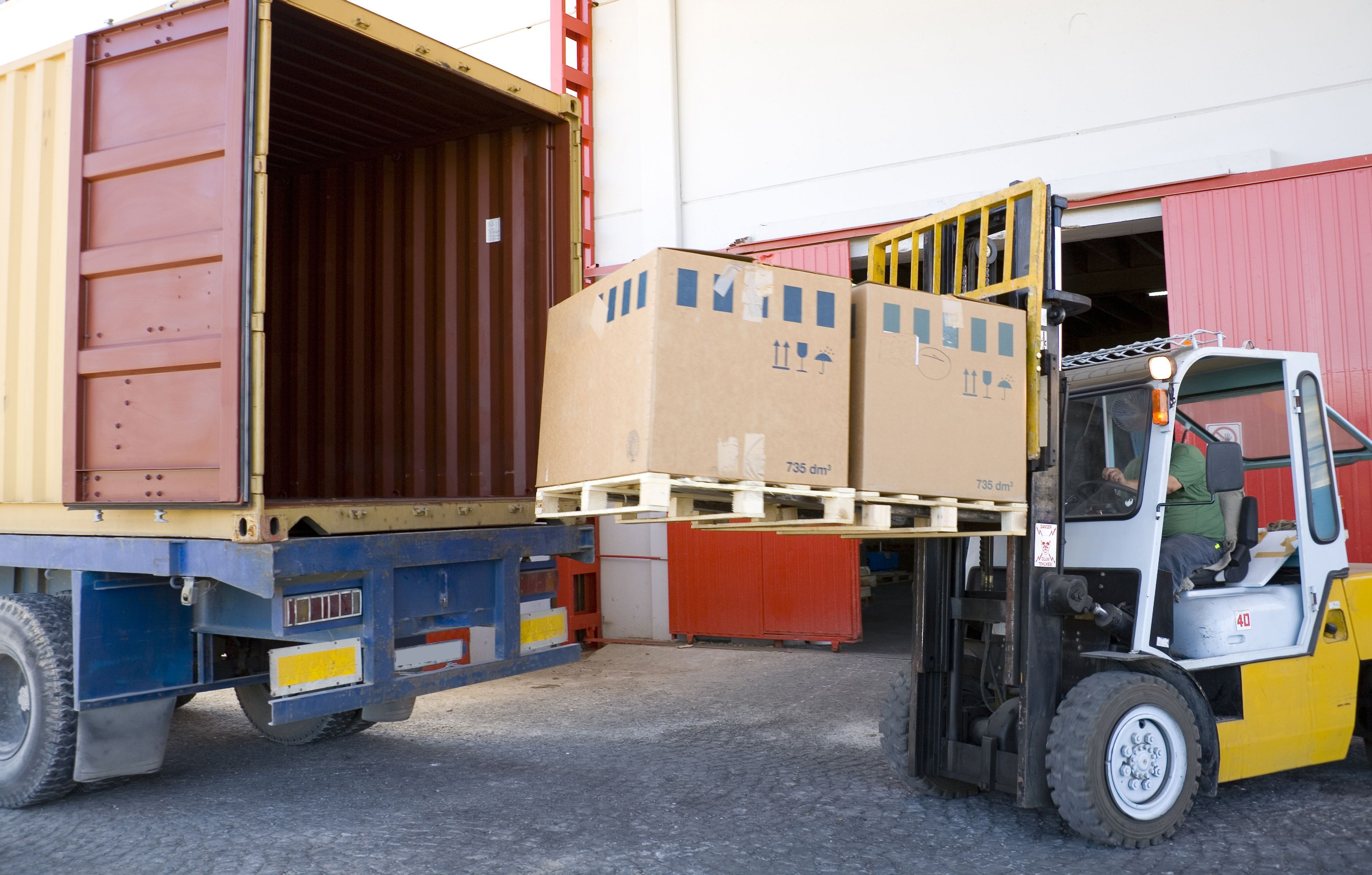
While air freight is certainly the fastest option, sea freight has its own set of benefits, especially when you're moving many large and heavy items. Sea freight is often the best option when you're relocating to Cyprus with lots of furniture, appliances, books, clothing and other household possessions. It can carry large, heavy and bulky items at a fraction of the cost of an air freight. The only downside is that shipping belongings to Cyprus would take much longer. But if you don't need all your belongings immediately after arriving in Cyprus, it could be a sound option.
If you want your items to arrive fast and don't mind paying extra, air freight can deliver your items in a matter of days. But collection, security checks, customs clearance and final delivery can take additional time. This option makes sense if you have valuable items or expensive equipment and, if the size of your shipment is small. However, for shipping most furniture, large appliances and heavy boxes to Cyprus sea freight is usually more economical.

How Shipping Costs Are Calculated
There is a lot more to shipping costs that meets the eye. Let's take a look at how they are formed and what’s usually involved.
Volume, Weight and Container Size
Shipping companies usually price things in one of the two ways: by weight and volume, or by container size. Which one you get depends on how you're sending your things. With air freight, for example, you're charged on whichever is higher — the actual weight or the volumetric weight. Weight matters beyond the price, too. It affects how your shipment is handled, how it travels, and which services can take it.
Sea freight is a bit different. It mostly depends on the service and the carrier. If you're sharing a container with other people's goods, you'll pay for the space your things take up. If you're booking a whole container to yourself, the price is mainly determined by the container's size. Whichever way you go, ask your mover to walk you through how they work out the quote. It's a quick question that can save you from nasty surprises on the final bill.
Collection, Packing and Port Charges
The shipping price also includes item collection, packing and port charges. Sometimes labour for loading your belongings into the container may be charged separately. For a shared-container shipment, the provider may charge for measuring, handling and consolidating your goods with other customers' cargo. Another important element are the port charges, which can be quite substantial. Port charges can include separate documentation and terminal-handling fees and the amounts vary by carrier, shipment and tariff date. You may also pay for collection, delivery and storage. Getting your things from the port or warehouse to your front door, for instance, usually costs extra.
If you have bulky furniture or lots of heavy boxes, you might need help carrying everything inside. That can get pricey if there's no lift or the access is tight. A few other extras can pop up too, like unpacking, furniture assembly, temporary storage, or a second delivery attempt if nobody's home the first time.
Packing Furniture and Personal Belongings
Preparing your belongings for international cargo shipment is a serious task. Below are some packaging tips and tricks.
Professional Packing Versus Self-Packing
When arranging an international shipment to Cyprus, you will generally have two choices: hire a professional packing team or pack your belongings yourself. The best choice depends on your budget, the volume of your shipment and the type of items being transported.
Professional packing can be particularly useful when shipping expensive, fragile and collectable items, large furniture, and valuable electronics. It certainly saves your personal time, but comes at an extra cost. If you choose to do it on your own, bear in mind that moving belongings to Cyprus from overseas requires a bit more care than a local move.
Protecting Furniture, Electronics and Fragile Items
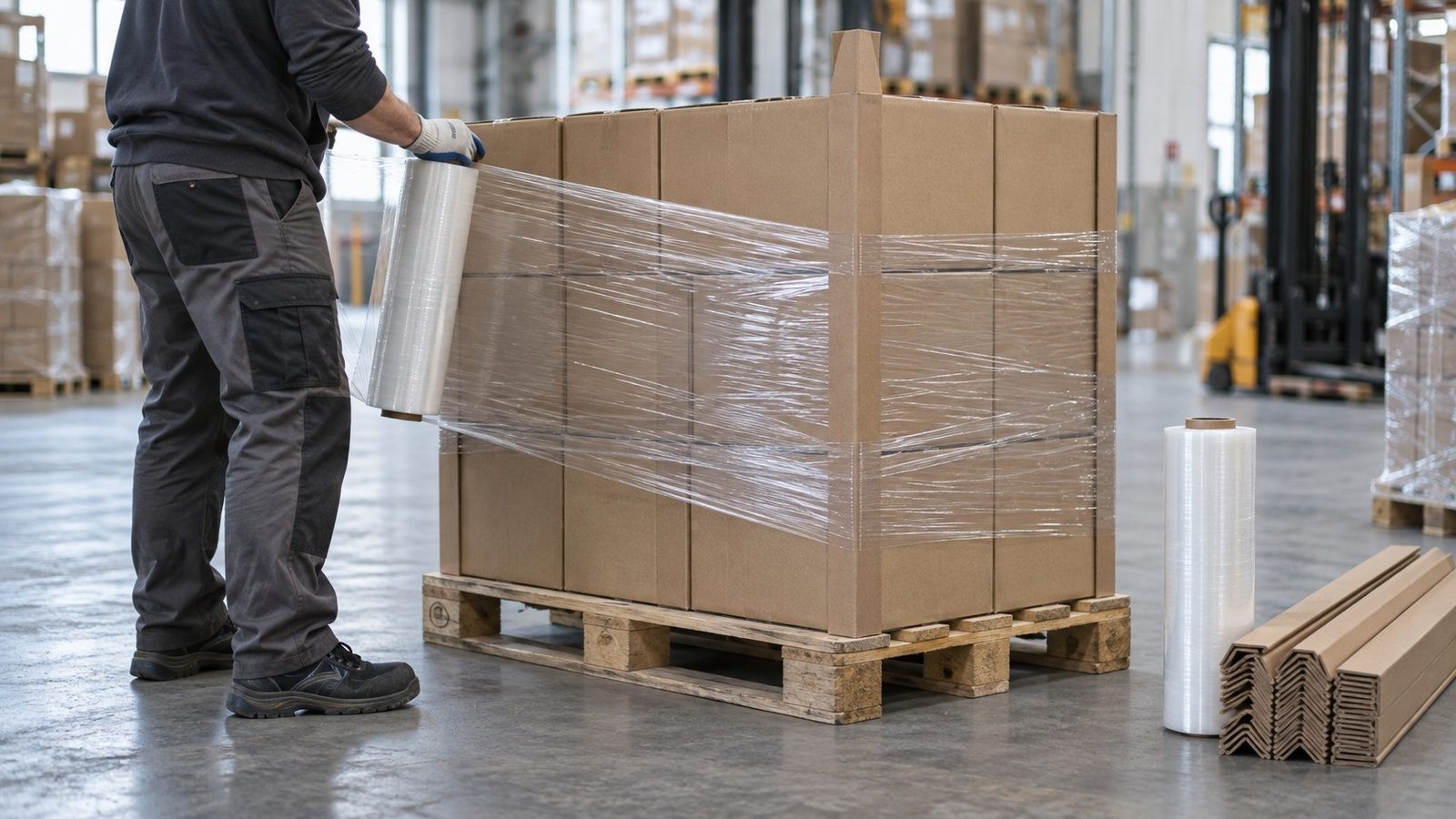
Start with the furniture. Take apart anything with moving or removable parts, and put all the screws and fittings in a sealed bag with a label, so you're not hunting for them later. Wrap wooden surfaces in moving blankets or thick padding to stop them getting scratched or dented. Electronics are best in their original boxes, if you've kept them. If not, find a sturdy box and pad it well on every side. Take off any cables and accessories, label them and pack them together so nothing goes missing.
Let appliances dry out fully before they go in a box. Secure things like washing machine drums the way the manufacturer says, and check their instructions again before you plug anything back in at the other end.
Wrap fragile items one by one in packing paper or bubble wrap. Mirrors and framed pictures need padded corners and a rigid cover. Do mark your boxes as fragile, but don't count on the label to do all the work.
Labelling and Preparing an Inventory
Before you pack anything, make a detailed inventory of your belongings. It'll save you a lot of hassle later, especially if you ever need to make a claim. Give every box its own number and write that number in your inventory, along with a short note on what's inside and, if it helps, which room it's headed for. Use sturdy labels or a permanent marker, and put the number on at least two sides of each box so you can spot it whichever way it's stacked.

Documents Required for Shipping
To ensure your shipment arrives smoothly, make sure you have all the required documents, such as:
- Bill of landing — for sea freight. For airfreight, the equivalent document is an air waybill.
- Shipping company booking confirmation, outlining the agreed transport service, route and shipment details.
- Arrival notice and delivery order.
- Customs declaration is usually required for goods imported from outside the EU.
- Packing list or inventory describing what is inside the shipment.
If you want to receive tax relief, you might need to provide the following:
- proof of previous residence. It can include rental agreements, utility bills, property records, tax documents or employment records showing that you lived outside the EU;
- proof of your move to Cyprus, that may include rental or property purchase agreement, employment documents, residence documentation or other evidence supporting your intention to establish normal residence in Cyprus;
- evidence of ownership and use, including purchase receipts or other records that help establish that the belongings were owned and used at your former residence for the required period;
- customs application — Cyprus Customs uses Form Απ. 2 for applications for transfer-of-normal-residence relief.
Sometimes the customs officer may request further documents depending on your circumstances and the contents of the shipment.

Customs Rules for Personal Belongings
If you are relocating from another EU country generally there's no additional VAT or import tax. But if you are moving belongings to Cyprus from outside the EU, it is important to know which items are taxed and which can be exempt from taxes.
The standard Cyprus import VAT rate is 19%, and customs duties may also apply depending on the goods. But, if you're relocating your normal residence to Cyprus and shipping your furniture, clothes, kitchenware, books and other personal belongings, they may be exempt from both the VAT and customs duties. This exemption is also known as a transfer-of-residence relief.
In order to do that the following conditions must be met:
- You lived outside the EU for at least 12 consecutive months.
- You owned and used the belongings at your previous residence for at least 6 months.
- The belongings are intended for the same personal or household use in Cyprus.
- The shipment meets the applicable import deadline.
However, some goods are excluded from this exemption:
- alcoholic products;
- cigarettes and other tobacco products;
- commercial means of transport;
- professional or business equipment.
In order to find out the exact customs-duty rates on your items, check out the EU TARIC customs tariff system, or contact Cyprus Customs directly.

Restricted and Prohibited Items
Before packing make sure that none of your items are prohibited or restricted from entering Cyprus. Sometimes even a simple house plant or a piece of cheese from your country can create issues.
For example, food shipments can be subject to veterinary, health or other official checks, especially meat or dairy. In fact, import of meat and dairy from certain countries may be prohibited. So before shipping any food products make sure to confirm the customs import rules for your country of origin.
Alcohol and tobacco goods might also be subject to additional fees and restrictions.
Medicines for personal use may be subject to quantity, documentation and product-specific rules. For example, controlled drugs and psychotropic substances can be prohibited or require special authorisation.
Live plants, planting seeds and plant material can require a phytosanitary certificate, import authorisation and inspection when shipped from outside the EU. While soil and growing media can face additional restrictions. Strong solvents, pesticides, agricultural chemicals, disinfectants and other chemical substances may also require permits or be restricted, especially when it comes to aerosols or flammable products.
Lithium batteries, power banks, fuel, gas cylinders and fireworks can be subject to transport restrictions or special handling rules. All forms of weapons are strongly regulated in Cyprus. Air rifles and air guns, porting pistols and archery equipment as well as swords, crossbows and other weapons require a police permit and sometimes additional authorisation. While shipping flick knives and double-edged knives are prohibited, just like counterfeit or pirated goods, nuclear, chemical or biological weapons.

Shipping Times to Cyprus
Shipping time is not only the amount of days spent in freight, it also includes transit times as well as customs handling and clearance. The following transit times are approximate port-to-port estimates provided by some carriers:
- UK — 7–18 days;
- Germany— 7–14 days;
- France — 6–12 days;
- Italy — 5–10 days;
- Greece — 3–6 days;
- USA — 18–28 days;
- China — 25–35 days.
These times can vary depending on the sailing schedule and whether the shipment is consolidated or not. Also, port handling and customs clearance times can increase the final waiting time by a couple of days. So, for a household shipment arriving by sea, it's safe to allocate around 3–7 working days from arrival at the port to collection or delivery. That is usually the best case scenario, however, sometimes delays can occur. Below are some of the most common reasons for handling delays:
- Incomplete or incorrect paperwork, if some documents are missing, inconsistent or do not adequately describe the shipment.
- Delays with transfer-of-residence relief.
- Customs inspections.
- Shipping restricted or undeclared goods.
- Unpaid charges or delayed collection.
In order to avoid all of the above problems, make sure to prepare all supporting documentation in advance, including a comprehensive inventory list of all the items you are shipping and the necessary permits and authorisations for restricted goods.

Arrival and Delivery in Cyprus
When your household shipment arrives in Cyprus, there are several steps to complete before your furniture and personal belongings can be delivered to your home. Let's track this process step by step. Cyprus has two main ports for international shipping: Limassol and Larnaca. Limassol is the island’s principal port for containerised cargo, including many international household-goods shipments. While Larnaca is predominantly a commercial port. Though your arrival port will depend on your shipping route and on the service your moving company arranges.
When the ship docks, the shipping line and terminal typically handle the unloading and get the cargo ready. Household goods, though, have to clear customs before anyone can take them away. What that involves depends on where the goods came from and whether they're eligible for any customs relief.
Once customs has released your shipment, the shipping company or customs broker can arrange to collect it from the port or terminal. The crew then brings your boxes and furniture off the truck and into your place. Most carriers can offer delivery to your home, which sometimes includes carrying items into the rooms, while others provide kerbside or ground-floor delivery only.
In case your home is not ready yet or the shipment cannot be delivered immediately, temporary storage may be arranged by your provider at an additional cost.
Insurance and Damage Protection
Although international moving companies take precautions to protect your belongings, accidents can still happen. Insurance can provide additional financial protection, but the level of cover depends on the policy you choose.
Marine cargo insurance
Basically, you've got two options: go through your moving company, or buy cargo insurance separately from a third-party provider. Whichever you choose, keep in mind that movers' liability is often pretty limited, so the policy matters. Before you sign anything, look for whether it covers accidental damage, theft, a whole package going missing, damage during loading and unloading, and the last stretch to your door in Cyprus. Used furniture and fragile things are worth double-checking too, since they're often where the gaps are. When buying insurance it's important to distinguish between «declared value» and «depreciated value».
Your declared value is simply what you say your items are worth when you take out insurance. The insurer uses that figure to set how much they'll cover and, sometimes, what you'll pay. Some policies want an itemised list with a value for each piece, so be ready for that. Also think about depreciated value — if something gets damaged or lost, the insurer usually pays what it was worth that day, not what you have initially paid for it. Once age and wear are taken off, that can be way less than you expect. And a lot of policies skip the stuff that's most likely to happen: scuffs and dents on older furniture, a TV or fridge that stops working, or losses that come from delays. Every policy words this a bit differently, so read the small print before you buy, not after.
What to Do if Items Are Lost or Damaged
It happens, even with good movers. If you open a box and something is broken or just isn't there, don't sit on it. The sooner you speak up, the better your chances of a claim going through.
Check your things as they're delivered, not a week later. Take photos of any damage, and keep the boxes and packing, plus any labels and package numbers. If the container or outer packaging looks damaged, write that down too. It helps show the damage happened in transit.
Then put it in writing, including your shipment reference, a few lines on what happened, the photos, and the matching lines from your inventory. Send it to both the movers and your insurer.
If you have marine cargo insurance, go straight to the insurer or claims administrator. Time limits differ between policies, so look yours up beforehand. You don't want to learn about a deadline after you've missed it.
To put your claim together, you'll usually need:
- Your original packing list or inventory
- The bill of lading or air waybill
- Your insurance certificate or policy
- Photos of the damage
- Receipts or other proof of value, if you have them
- Repair estimates or replacement cost evidence
- A written note on when and how you found the damage
Finally, keep copies of all emails, forms and replies. If any questions come up later, you'll be glad you have them.

What to Check Before Booking a Shipping Company
Picking a shipping company isn't really about hunting for the cheapest quote. When you're sending your furniture and belongings to Cyprus, what matters is knowing what that price actually covers, who deals with customs, and where the extra charges might sneak in.
What's included in the quote
Movers vary a lot. Some will simply carry your things from one port to another. Others handle the whole thing: packing, shipping, customs, and a drop-off at your front door. Either can be a good choice, but you need to know which one you're paying for.
Start with packaging and find out if professional packing is included, along with the materials. The same goes for reassembling and collecting the furniture from your place. Then check the small print: check the fuel surcharges and ask if the quote is fixed or can shift when the real volume turns out different from their guess. Now check the arrival procedures. Ask if they bring everything to your door, or just drop it at a port or warehouse. Unloading, hauling boxes up three flights of stairs, unpacking, rebuilding the wardrobe, taking the packaging away — any of these can be quietly billed on top.
Last thing, insurance: find out if it’s included or an add-on. And while you're at it, ask what storage costs and what they charge for special packing on fragile things.
Customs Clearance and Local Agent Support
Find out whether the quote covers export paperwork, import customs clearance, port handling and the destination agent's fees. Customs duty and VAT, if they apply, are usually billed separately, so don't assume they're folded into the price. Before you book, ask whether the company will handle the import customs declaration in Cyprus. If you're moving your whole household, also ask if they'll help you prepare and submit the documents for transfer-of-residence relief, where it applies to you.
Ask if they have a local agent in Cyprus, who actually sorts out the release and delivery on that side. It matters more than it sounds. If your container lands before the paperwork is ready, or you can't be there to arrange collection yourself, a person on the ground can save you a lot of stress.
Storage, Demurrage and Other Potential Extra Costs
Your first shipping quote might not be the last number you see. Once your furniture and belongings are on their way to Cyprus, extra costs can creep in: the shipment gets held up at the port, customs takes longer than expected, your new place isn't ready when the truck turns up, or the delivery turns out to need more hands and more time than anyone planned for.
Usually there are some free days you are allowed to use a port, terminal or shipping container before additional charges take effect. The exact number of free days varies depending on the shipping line and terminal so it's good to ask your provider how many free storage days are included, when the free period starts, and what the daily or weekly rate will be afterwards.
There are also two important terms to be aware of: demurrage and detention.
If a shipping container remains inside the port terminal beyond the carrier's permitted free time a demurrage fee is generally charged. On the other hand, a detention takes place when a container stays outside the terminal, for example, when unloading your belongings takes longer than planned. These fees vary, so it's good to confirm that with the provider.

We hope our guide has made the process of moving to Cyprus and shipping your belongings a little less intimidating. If you’re still exploring your relocation options and haven’t found a place to stay yet, take a look at our apartment listings, featuring a wide range of rental properties, from simple flats to luxurious penthouses.
- Read also:
- Rules for Residential Complexes in Cyprus — What You Need to Know
- Taxis in Cyprus: Apps, Prices, and How to Book
- Buying Used Furniture in Cyprus — A Guide and Red Flags
- Curium Palace in Limassol: The Story of an Iconic Hotel Demolished for a New Project
- UV Index and Wind in Cyprus — How to Read the Weather Forecast