
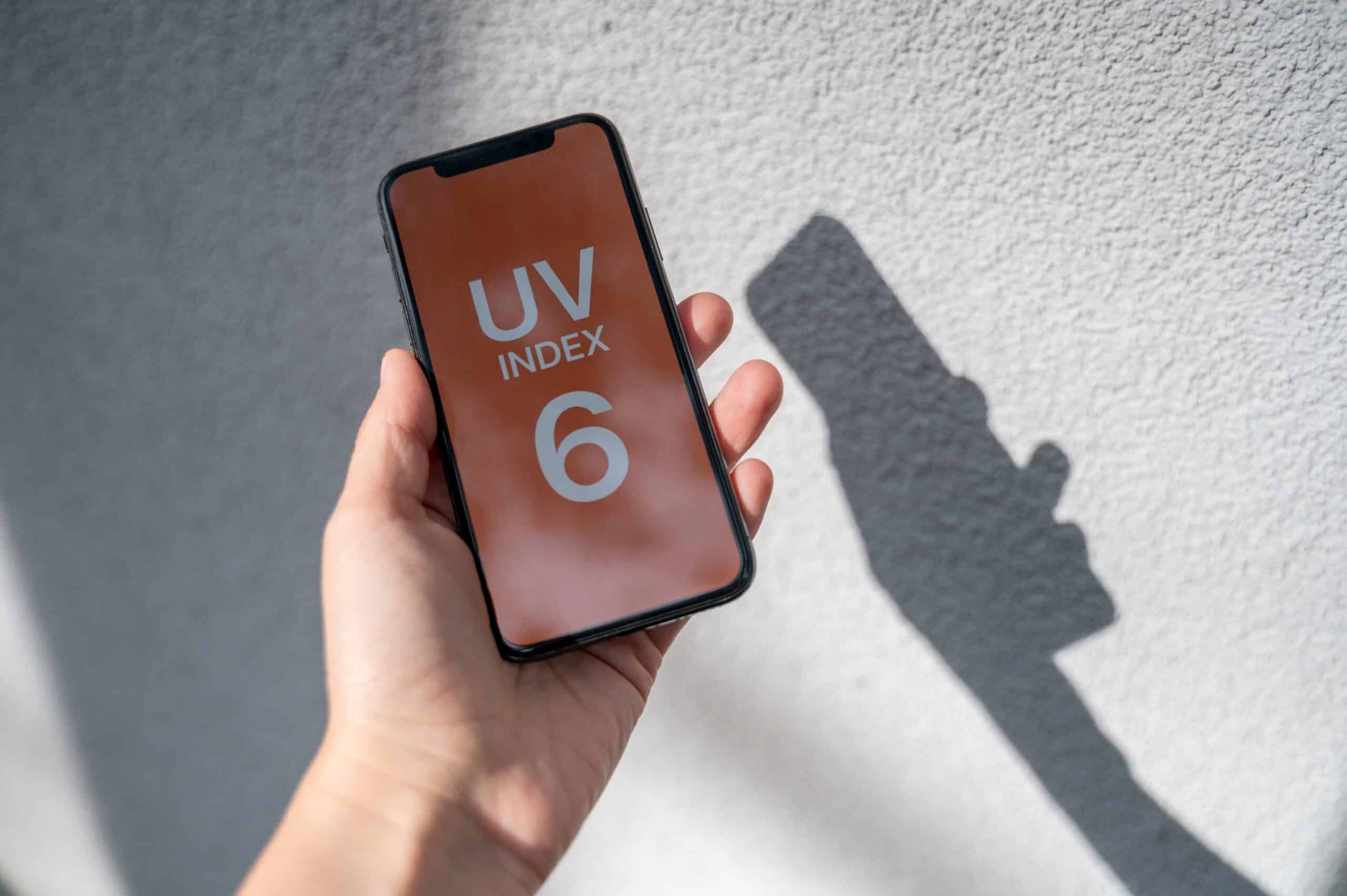
Locals know one simple secret: the perfect day by the sea does not start with choosing a swimsuit and hat, but with checking your smartphone. To keep your day from ending with sunburn or a desperate attempt to catch a flying beach umbrella, paddleboard or sailboat, it is worth checking two important factors in advance: the UV index and wind speed.
If you think the UV index in Cyprus is just a number for meteorologists, ask any tourist with a bright red back how they feel. A sudden wind in Cyprus can turn a relaxing beach day into a battle with sand blowing into your eyes, while going out to sea on a sailboat can become a risky idea. Technology helps give a realistic picture of the conditions outside, although a little sailor’s instinct never hurts either. Cyprus may be famous for its cloudless skies, but the sun can be truly unforgiving. Fall can also be deceptive: the sea breeze makes the air feel cooler, while UV exposure can still remain high.

What the UV index and weather forecast show
How to read the ultraviolet index
Ultraviolet radiation is invisible, but its effects can be felt quickly. The scale runs from 0 to 11 and above. Many visitors to the island look only at the air temperature and ignore the UV index, then spend the next week wearing long-sleeved shirts because of sunburn. A UV index of 0 to 2 is considered low. Anything above 3 requires protection. If the UV index rises above 8, which is not unusual in Cyprus, the World Health Organization recommends strong sun protection, avoiding direct sun around midday, seeking shade and wearing wide-brimmed hats.
What wind speed and gusts mean
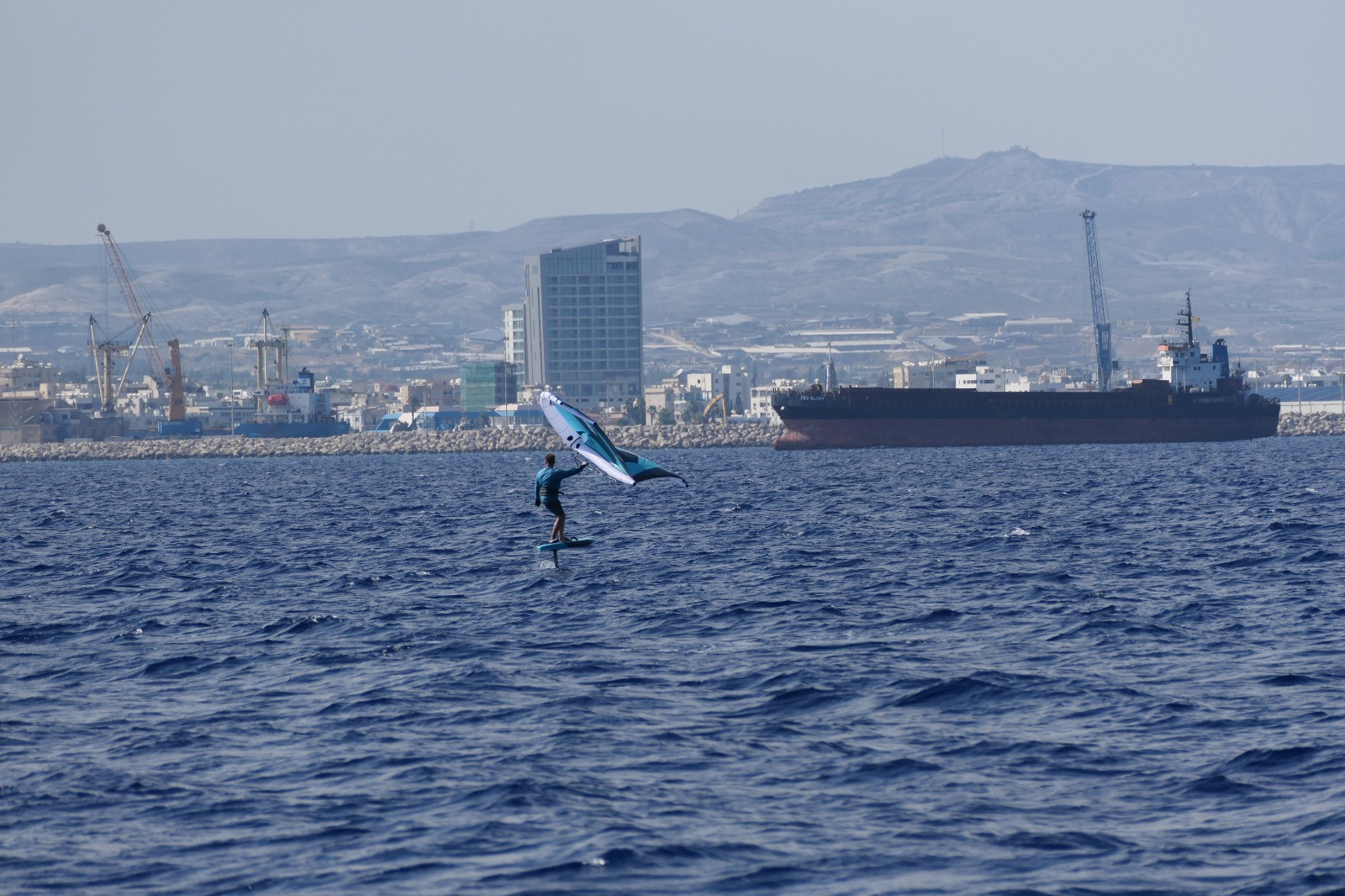
A light sea breeze may seem like the perfect relief from the heat. But the tricky thing about wind in Cyprus is that it can make strong sunshine feel less intense: you feel cool while your skin is still burning. Wind speed is measured in knots or meters per second. In weather apps, you should pay attention not only to the average wind speed but also to sudden gusts. If the sustained wind is 5 m/s but gusts reach 15 m/s, you may as well leave the beach umbrella closed — it could easily blow away. Good weather is not only about warmth, but also about safety.
How to use UV data in Cyprus
When UV radiation is strongest
UV activity typically peaks between 11:00 a.m. and 4:00 p.m. From late spring through early fall, the daytime UV index in Cyprus often reaches high or extreme levels of 8–11, especially around solar noon. At these levels, unprotected fair skin can burn very quickly. Open areas require extra caution during the summer months.
Cloud cover and skin protection
There is a dangerous myth that clouds completely block UV radiation. In reality, cloud cover may reduce UV levels only partially. Thin clouds can even increase exposure because of light scattering. So cool or cloudy weather does not mean sun protection is unnecessary. A good SPF 50+ sunscreen is a basic precaution for both adults and children. Remember to reapply it after swimming.

How to read the wind forecast in Cyprus
Average wind speed and sea conditions
When using a specialized weather app, check both sustained wind and maximum gusts. If you are planning a beach trip, wind speed alone is not enough. A reliable marine forecast for Cyprus should also include wave height and wave direction. If the gap between average wind speed and gusts is large, the sea may become very rough and swimming uncomfortable.
Wind direction: a quick guide to Cyprus beaches
Sea conditions depend on wind direction, local terrain and the specific bay. Here is a simple guide that can help you choose the right coast:
Wind direction | What to check before you go |
Westerly | Open beaches on the west coast, including Paphos and Coral Bay, may experience strong waves. Look for more sheltered bays. |
Southerly | Check sea conditions around Limassol and Larnaca. If the waves are strong, consider more sheltered areas on the east coast. |
Easterly | This can affect beaches in Ayia Napa and Protaras. Popular open beaches may see rough surf and large amounts of seaweed washed ashore. |
This is only a basic guide: always compare the forecast with webcams and actual local conditions.

Where to check current weather data
Weather apps and websites
Windguru is a useful platform for sailors and surfers because it provides detailed information on wind, gusts and wave conditions. For tourists, standard smartphone weather apps are usually enough. The key is to make sure the app clearly shows the current UV index and has an easy-to-understand interface. Local Cyprus weather websites can also provide more precise information for specific areas.
Why it is important to compare weather sources in Cyprus
Never rely on a single app 100%. Traveler and sailor Sergey shares a useful example: “Before every trip out to sea, we always check the forecast: how strong the wind will be and what direction it will blow along the entire route. We use several apps for this, including Windy. This time, we decided to run another experiment and asked ChatGPT for a forecast as well. And here is the interesting part: nobody predicted either the wind direction or its strength exactly. In the end, the most useful information came from somewhere completely different — a message from the marina in Ayia Napa. It told us what time we should ideally arrive at the marina. As always, the sea made its own adjustments to the forecasts.”
This example clearly shows why it is useful to compare several forecasts before a trip and take actual local conditions into account.

Practical checklist before heading out
- Open the weather widget on your phone’s home screen.
- Check the maximum UV index for the day ahead.
- Check sustained wind speed and gusts.
- Choose the most suitable coast based on wind direction.
- If conditions are extreme, move your beach plans to the evening or another day.
If, after learning more about the island’s climate, you are planning not only to vacation here but also to look for a permanent home, suitable options are available in our house rental catalog. The right property can make life in Cyprus comfortable in any season!

Read also:
