

Moving abroad always feels like a vacation at first. Until reality kicks in. Yes, Mediterranean sunshine, mild winters, and great food can make remote work feel like a dream. But don’t let the beach fool you. Local bureaucracy is a very real European machine. The moment you sign a lease, pick up your pink slip, and start figuring out your finances, it is time to take off the rose-colored glasses.
Forget the famous island “siga-siga” attitude — slowly, no rush — when it comes to taxes. The authorities use automated systems. Miss a deadline? The system can generate a penalty immediately. Trying to struggle through Greek forms with an online translator is a reliable way to lose money or overlook something important. Hiring a competent accountant in Cyprus is not a luxury. It is the price of peace of mind.
Finding an accountant who is genuinely trusted in expat communities is not always easy. Google will simply throw a hundred nearly identical websites at you. The real challenge is finding a professional who will go beyond templates and actually understand where your money comes from. We put together this guide to explain when you definitely need help, how to check someone’s expertise, and what questions to ask at your first meeting over coffee. Yes, many professionals work with foreigners. But knowing how to filter out weak specialists can save your wallet.

When You Definitely Need an Accountant in Cyprus
People often think accounting firms exist only to audit huge retail chains. That is nonsense. Local legislation can be a minefield. Whether you code remotely, freelance, or invest on your own, you will eventually need proper advice if your goal is to maintain legal status and potentially qualify for citizenship in the future.
Starting Work or Opening a Business
Your initial legal setup determines your entire financial future. If you simply work for a local company, your employer usually handles your taxes. Simple enough. But launching a startup or going freelance throws you into the deep end.
In practice, you are choosing between self-employed/sole trader status and a limited company, or LTD. Many foreigners blindly open an LTD simply because saying “I have my own company” sounds impressive. Fast-forward six months: mandatory reporting costs, annual state fees, and compliance bills can eat into profits mercilessly. Let an accountant calculate the real numbers before you register anything.
The structure you choose affects your tax position. Sole traders fall under the progressive personal income tax system. Open an LTD? Welcome to corporate tax. Keep in mind the major 2026 changes: from January 1, the standard corporate tax rate for resident companies increased to 15%, replacing the previous 12.5% rate. Large multinational groups with turnover of at least €750 million are also subject to Pillar Two minimum taxation rules. Some specialized regimes remain available. Qualifying software may fall under the IP Box regime, which can substantially reduce effective corporate taxation if strict legal conditions are met.
A good Cyprus accountant will monitor your VAT threshold closely. The limit is €15,600. It is calculated based on taxable sales during the previous 12 months or expected taxable sales over the next 30 days. VAT treatment also depends on where your clients are located. Selling an app to an EU consumer can trigger very different VAT obligations from providing B2B consulting services outside the bloc.
Tax Residency and Annual Obligations
Cyprus residency rules are highly flexible. Do not focus only on the standard 183-day rule — the 60-day rule is one of the reasons the island attracts digital nomads. You may qualify if you spend at least 60 days in Cyprus, carry on business or employment here throughout the year, and maintain a permanent home on the island. One important condition: you cannot spend more than 183 days in any other country during the same tax year. Living across several countries often requires careful review of double tax treaties.
Non-Dom status is another major advantage. Eligible tax residents who are not Cyprus-domiciled are exempt from Special Defence Contribution, or SDC, on dividends and interest. If you remain a Cyprus tax resident for 17 out of the previous 20 years, that status is generally lost. In addition, from 2026 rental income is no longer subject to SDC.
Obtaining Non-Dom status may require a specific set of documents depending on your personal background. That alone can make an accountant experienced with expatriates extremely valuable.
What a Cyprus Accountant Can Actually Help With
Proper accounting services protect your finances through detailed knowledge of the law. It is much more than copying receipts into Excel. An experienced professional works proactively.
Tax Returns and Social Insurance
Filing an annual tax return is a serious obligation. Cyprus government tax platforms are currently going through major changes. Returns for 2017–2025 were handled through TAXISnet. Starting with the 2026 tax year, filings move to the Tax For All platform, or TFA. An experienced accountant can set up access and handle your filing correctly through the system.
From 2026, under the updated progressive tax scale, the first €22,000 of taxable income is taxed at 0%. Contributions to the General Healthcare System, or GESY, can still be significant. A rate of 2.65% applies to dividends and interest, subject to an annual contribution base cap of €180,000. Non-Dom status may protect you from SDC, but it does not exempt you from GESY.
Reporting requirements are also becoming broader. Starting in 2026, Cyprus tax residents aged 25 to 70 are required to file a tax return, even if their income is zero, unless they fall within a narrow legal exception. Your accountant should map out the deadlines so you do not run into penalties.
Bookkeeping for Sole Traders and Companies
Once your freelance turnover reaches €22,000, which is the new 2026 threshold, you enter the world of provisional tax. You must estimate your income during the year and pay tax in advance. Estimate too low, and if the declared provisional income falls below 75% of your actual final income, a 10% penalty may apply to the difference. A proactive accountant monitors your bank statements and adjusts those estimates before the deadline.
Corporate compliance is strict. Companies are generally required to undergo an annual financial audit. However, some small private companies may qualify to replace a full audit with a limited review engagement. From February 6, 2026, this option may be available if net turnover is below €300,000 and other strict criteria are met. A strong accountant is your best defense if the tax authorities suddenly start asking questions. Poor bookkeeping can become very expensive.
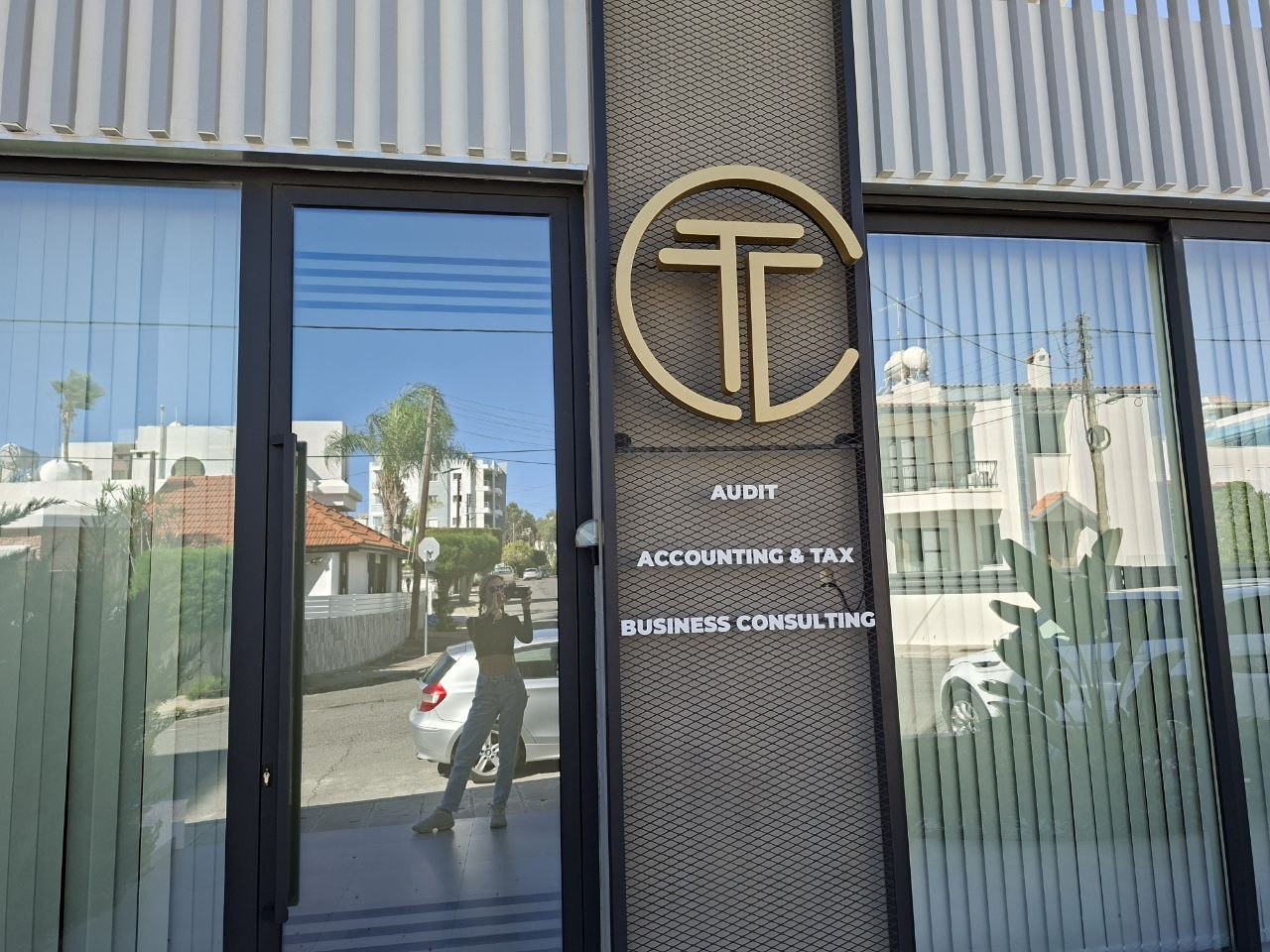
How to Find an English- or Russian-Speaking Accountant in Cyprus
You can order coffee in Limassol in English or Russian without any problem. But official government correspondence will, of course, arrive in Greek. Finding a reliable local accountant can save you a major headache.
Local Firms and Word of Mouth
Telegram groups can help, but always check the accountant’s area of expertise. A specialist who handles beach cafés perfectly may struggle badly with complex cross-border SaaS contracts. Not every accountant in Cyprus is equally useful for every client.
Many foreigners eventually choose mid-sized firms. Why? They are less likely to treat you like a rounding error in a large report, but they still have enough staff to keep your paperwork moving if your main manager goes on vacation. Boutique agencies can sometimes be understaffed, while very large firms may not prioritize small clients. Compare the market before signing anything.
Checking Qualifications
Cyprus’s financial sector is closely overseen by ICPAC, the Institute of Certified Public Accountants of Cyprus. Never skip the background check. If your LTD requires a statutory audit, the auditor’s name should appear in the relevant public register. You should also check whether the firm has professional indemnity insurance. If they make a serious filing mistake, that insurance may be important in dealing with the consequences.
What to Ask at the First Meeting
Treat your first coffee meeting like a serious interview.
Experience With Foreign Income
Cross-border income makes everything more complicated. Ask for clear answers:
- “Have you personally applied double tax treaties involving my country?”
- “How exactly do you report brokerage statements on a tax return?”
- “Which VAT rules apply to my B2B services inside and outside the EU? Do I need VIES registration and reverse charge treatment?”
The way they answer the VAT question will quickly reveal their actual level of expertise. A real professional should be comfortable with this area.
Pricing and Response Times
Settle the money question immediately. Firms may charge a monthly fixed fee, an hourly rate, or a separate fee for each filing.
Ask for a written Engagement Letter. It should clearly state what the service includes. Ask directly whether a five-minute phone call is billable. Agreed response-time standards can save you from waiting three days for an answer to a simple email. A trustworthy professional should be transparent about pricing.
Which Documents to Prepare
Going to an office meeting? Bring a thick folder. Cyprus has strict anti-money laundering, or AML, procedures.
Banks, Income and Contracts
You will usually be asked for:
- Bank statements for the last 6–12 months, including Revolut and Wise.
- Proof of foreign income, such as invoices, client contracts, and brokerage reports.
- Form IR63 if you already receive a local salary.
Residency and Business Documents
Bring your passport and pink slip. Proof of address usually means recent water or electricity bills in your name. Mobile phone bills are often not accepted for compliance purposes.
To put utility accounts in your name, you generally need a signed lease agreement or property ownership documents. Since maintaining a permanent home is an important requirement under the 60-day rule, review current property listings in Cyprus if you need to secure suitable accommodation in advance.
If you run a company, also bring incorporation certificates, director documents, and proof of the registered office. Your accountant will need these to plan corporate taxation properly.

Red Flags: When to Walk Away From an Accountant
Spotting a weak specialist on day one can save you a fortune in penalties later.
Unclear Pricing and Vague Scope of Work
Verbal agreements belong in the past. If a firm refuses to put the list of services in writing, prepare for unexpected bills for every small task. A clear contract is your best protection.
Promises Without Documentation
Anyone selling you fairy tales about “zero taxes” in complex cross-border structures is playing with fire. Proper tax planning must be based on actual law. If they refuse to provide a written legal analysis with references to the relevant rules, walk away.
When You Need a Lawyer Instead of an Accountant
Understand the limits of each professional’s role. Your regular accountant may organize receipts and submit your annual return through the tax portal. Major structural changes require different expertise.
Complex Cross-Border Structures
Moving intellectual property or building a multi-layer holding structure? Hire a specialized tax advisor. These professionals handle complex tax strategies and help avoid traps involving controlled foreign company rules and related penalties. Strong accounting firms often work together with tax advisors on major business restructurings.
Corporate Law Matters
Drafting complex founders’ agreements or handling employment disputes is strictly a lawyer’s job. Accountants do not practice law. Let a corporate lawyer build the legal protection, while your finance professional handles the numbers. Strong corporate tax protection often requires both.
Handling your taxes properly is exactly what allows you to actually enjoy island life. Choose a reliable partner, get the paperwork stress off your shoulders, and let professionals deal with the authorities. With strong support, you can focus on your business and sleep better knowing your financial affairs are in order. In the end, a good specialist can be worth every cent you spend. Let them carry the weight of compliance and tax filings — after all, that is what they do best.
A quick disclaimer before you close the tab. This guide is intended to point you in the right direction, not to serve as formal legal or tax advice. Tax rules, thresholds, and deadlines can change. Always discuss your specific situation with a licensed professional before making any major financial decisions.

Read also:
- Curium Palace in Limassol: The Story of an Iconic Hotel Demolished for a New Project
- Taxis in Cyprus: Apps, Prices and How to Book
- Buying Used Furniture in Cyprus: Marketplace Tips, Delivery and Red Flags
- Curium Palace in Limassol: The Story of an Iconic Hotel Demolished for a New Project
- UV Index and Wind in Cyprus: How to Read the Weather Forecast