
Limassol is known as one of Cyprus’s main economic centers, a major port city, and a popular tourist destination. But its history is also closely connected with industry. During the 20th century, wineries, factories, warehouses, and agricultural processing facilities played an important role in the city’s development.
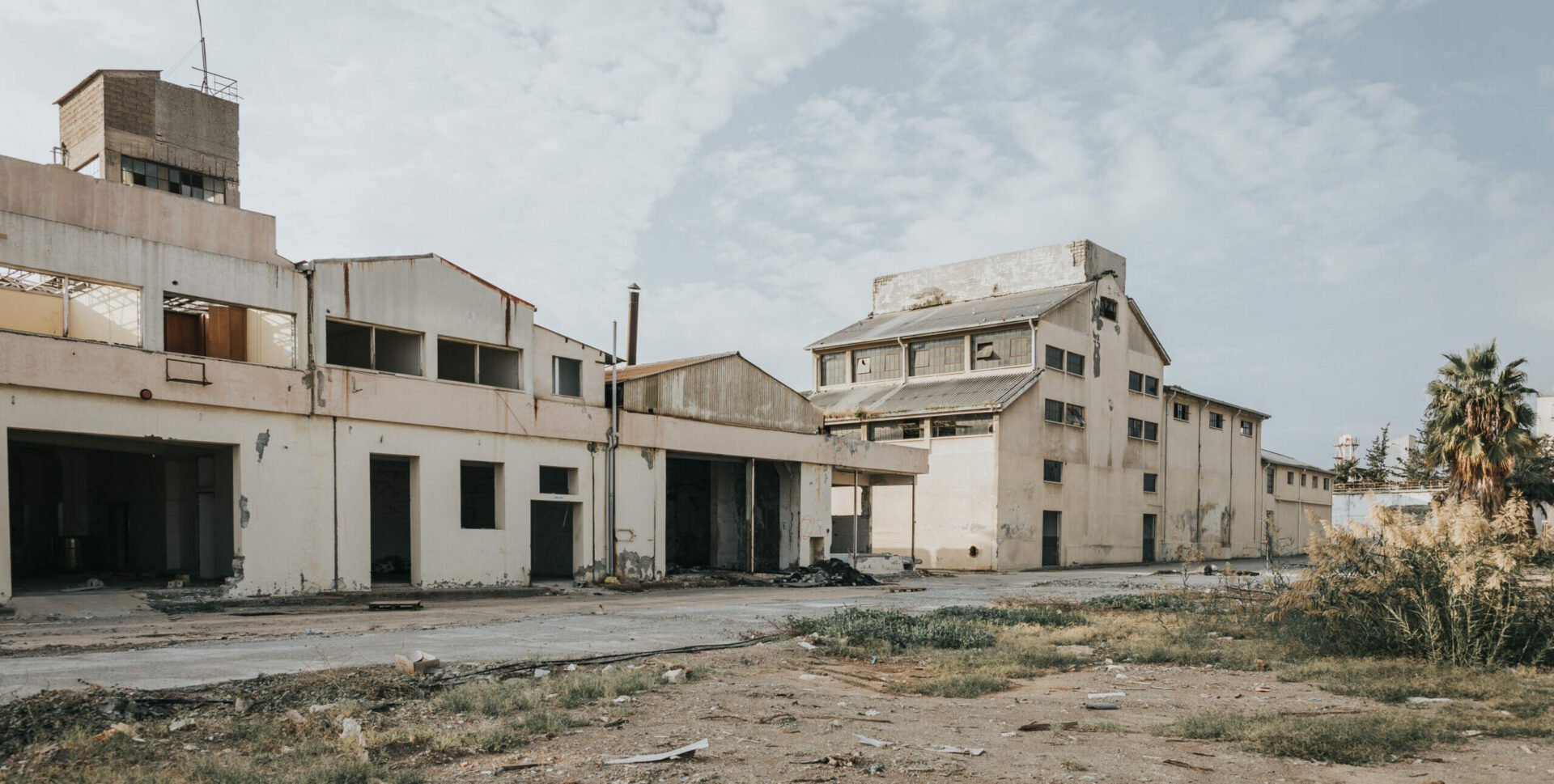
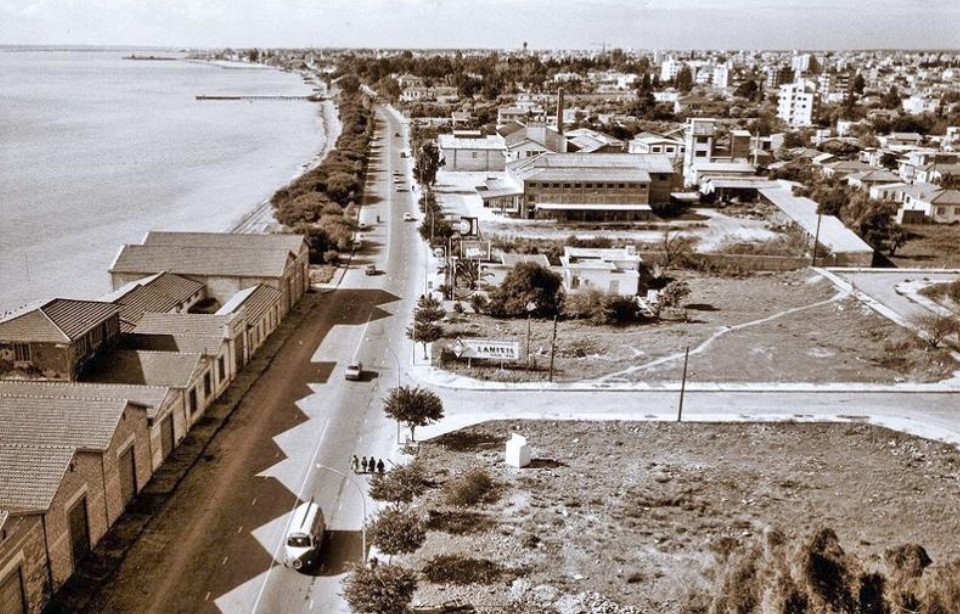
Today, many of these buildings have lost their original purpose, while some have been abandoned. At the same time, they possess significant architectural and historical value. Much of Limassol’s industrial heritage is concentrated in the coastal area between the Old Port and the New Port. For decades, this was where businesses developed that required convenient access to transport routes and the ability to move raw materials and finished products. Today, these areas are undergoing major transformation. Former industrial sites now stand alongside residential developments, offices, and commercial properties.
Which 10 Industrial Buildings in Limassol Have Protected Status?
To preserve the city’s industrial heritage, the local municipality granted protected architectural status to 10 sites. They include enterprises that played an important role in Cyprus’s economic history. It is important to note, however, that protection may apply not to an entire former factory but only to specific buildings or parts of an industrial complex. A historic site is therefore not always preserved in full: much depends on the boundaries of the protection order and the specific conditions attached to it.
Kerameio Ceramic Factory
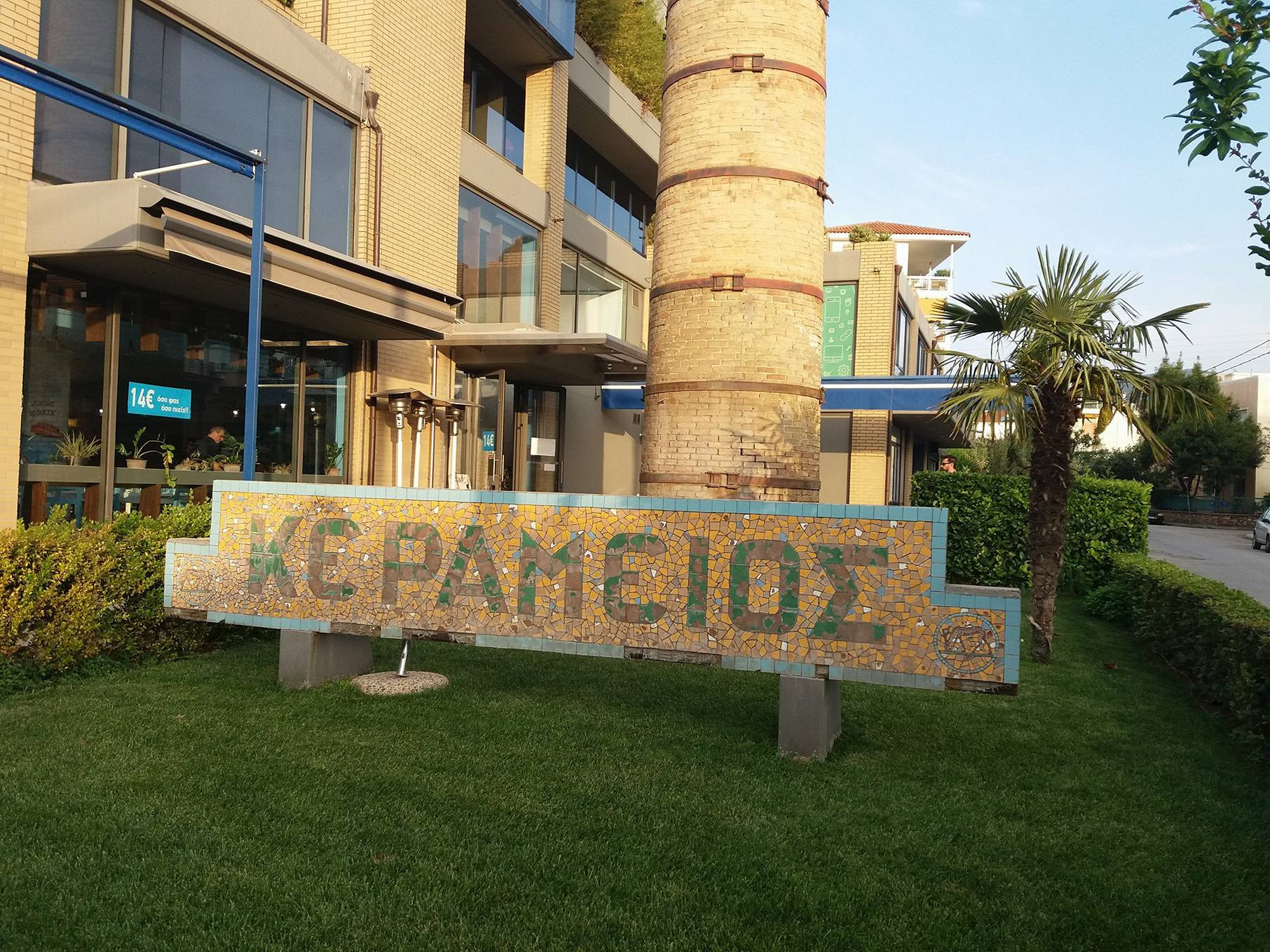
The ceramic factory known as Kerameio is one of the sites associated with the early stage of Limassol’s industrial development. The main building of the enterprise was constructed in the early 20th century. Ceramic production was highly important for the development of the construction industry. Bricks, roof tiles, and other products were used in the construction of homes, agricultural buildings, and industrial facilities. The development of such enterprises helped supply the growing city with locally produced building materials.
The surviving central building is of interest as an example of industrial architecture from its period. Such buildings were designed primarily around production needs, so their appearance and internal layout differed significantly from residential architecture. Preserving Kerameio was important not only for the history of the individual company. The building also helps illustrate what industrial Limassol looked like before the large-scale redevelopment of its coastal districts.
KEO Winery and Brewery
KEO is one of the best-known companies in Cyprus’s food and beverage industry. The company is associated with wine and beer production and occupies a prominent place in the history of local entrepreneurship. Its industrial complex in Limassol began taking shape in the first half of the 20th century. The protected buildings belong to the first phase of the factory, constructed between 1927 and 1930. These structures are particularly valuable because they preserve physical evidence of the company’s early development.
KEO began as a very small enterprise, but over the course of 75 years it grew into a major producer supplying enormous quantities of wine and alcoholic beverages, now measured not in bottles but in hectoliters!
The KEO factory is important not only because of its own history but also because of its role in the development of Limassol itself. Wineries helped develop workers’ professional skills, supported agricultural production, and contributed to the growth of trade.
LOEL Winery
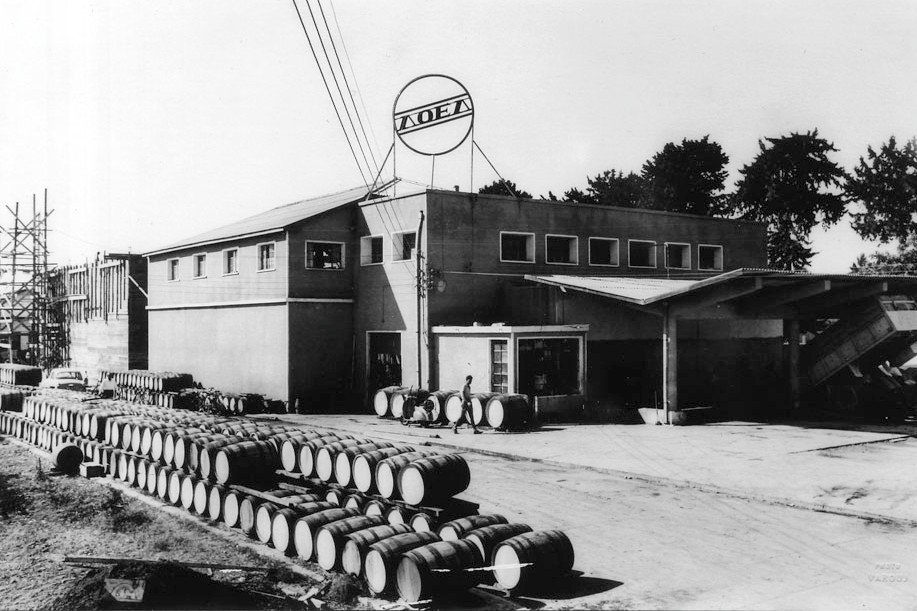
Another business closely associated with Limassol’s winemaking history is LOEL. The industrial complex has occupied its current site since 1943. LOEL expanded during a period when Cyprus’s wine industry was becoming increasingly important. Wine production brought together agriculture, raw-material processing, storage of finished products, and distribution. The factory buildings reflect the organizational requirements of winery operations. They needed spaces for receiving grapes, processing raw materials, storing wine, and carrying out other stages of production.
The industrial complexes of LOEL and other wineries became part of Limassol’s economic history. They show how closely the city’s development was connected with agriculture and with products made from locally grown grapes. Industrial buildings also differ significantly in scale and layout from ordinary urban construction, so their disappearance would make the historical environment of the city less diverse.
Founded in Limassol in 1943, the company became the island’s first public joint-stock company. Its original shareholders were local grape growers and winemakers. Today, more than eight decades later, LOEL remains one of Cyprus’s leading producers of wine and spirits and is also the flagship company of the Laiko Group, established in 2002.
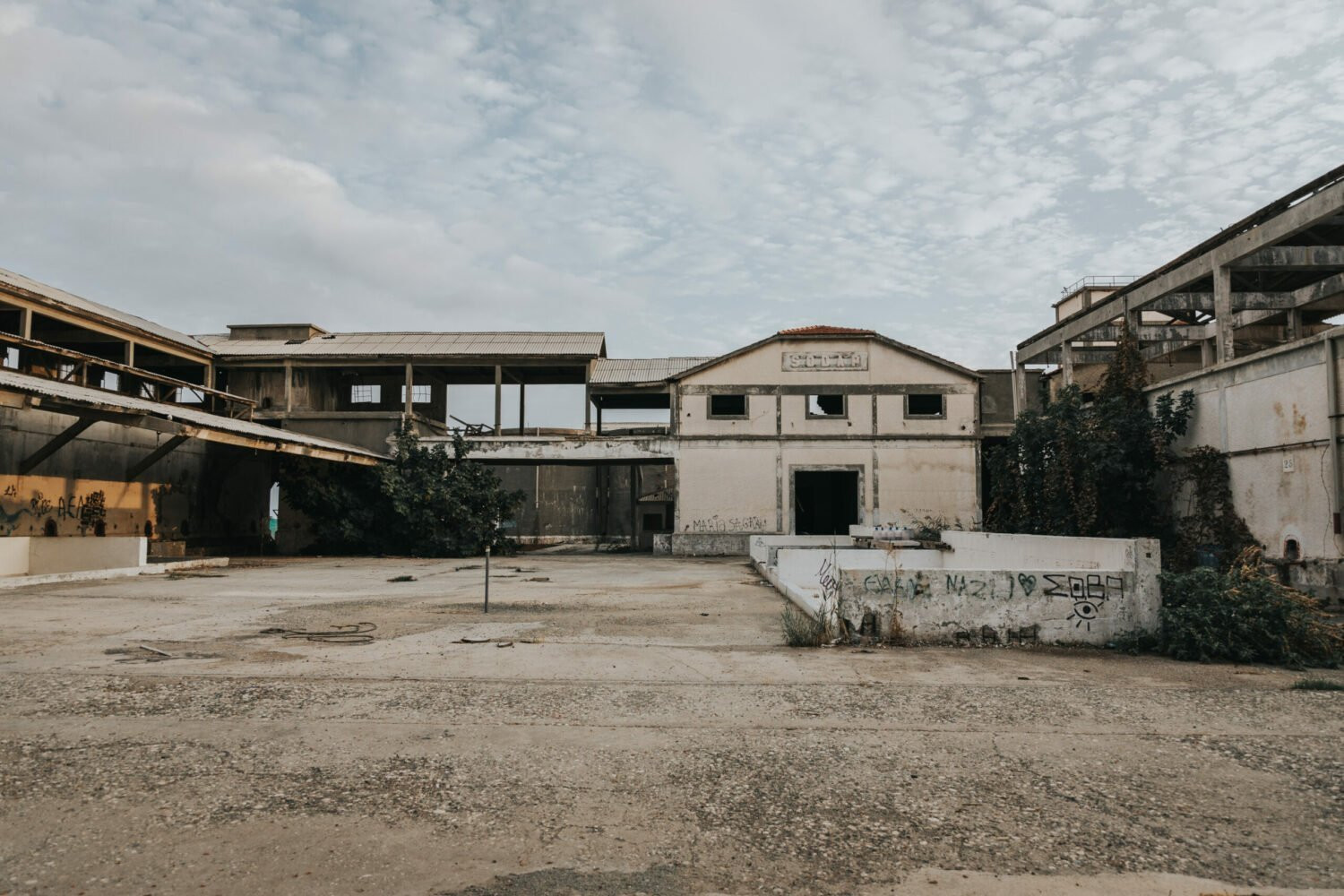
SODAP Winery
SODAP is another important representative of Cyprus’s wine industry. The facility was built in 1947 on what was then the outskirts of the city, close to the port. The location was chosen for two reasons — relatively inexpensive land and convenient access to the seaport. The winery covers an impressive area of around 30,000 m2.
The factory originally specialized in the production of zivania and raisins, but winery production areas and warehouses were gradually added to the site. In the early 2000s, all production facilities were transferred to SODAP’s new modern winery in Paphos, in the Stroumpi-Poli area, while the Limassol factory ceased operations and was put up for sale.
The architectural value of SODAP lies in the fact that its production buildings form not simply a collection of rooms, but an integrated complex designed around specific technological processes. Industrial architecture of this period reflects the transition from small-scale production to larger enterprises. Higher output required larger buildings, efficient internal organization, and more effective use of land. Preserving such sites makes it possible to study not only architectural solutions but also the economic changes that took place in Cyprus during the 20th century.
ETKO Winery
ETKO is also among the businesses closely connected with the history of winemaking in Limassol. Unlike some of the other sites, however, only a small part of the former industrial complex was placed under protection. This illustrates an important feature of industrial heritage preservation: historical value does not necessarily lie in an entire factory. Sometimes preserving individual buildings or distinctive elements is enough to retain an understanding of the original layout of the enterprise.
Cyprus’s oldest winery was founded by the Hadjipavlou family in 1844. In 1969, a huge production complex with a capacity of around 40 million liters of wine was opened in Limassol’s industrial zone, in the Tsiflikoudia area between the Old and New Ports. The site contained the largest distillation still on the island, automated bottling lines, and enormous concrete and metal storage tanks.
In the 1990s, the company changed its strategy. Mass production gave way to a focus on higher-quality premium wines. In 1992, winemaking operations were moved from Limassol to the Troodos Mountains, to the traditional wine village of Omodos. The old large-scale industrial complex in Limassol was not demolished. Instead, its raw industrial architecture — hangars, warehouses, open courtyards, and tanks — was transformed into one of Cyprus’s largest cultural and festival venues, ETKO.
Cyprus’s First Coca-Cola Factory
The list of industrial buildings considered historically significant in Limassol also includes Cyprus’s first Coca-Cola factory. This site is associated with the development of soft-drink production and the expansion of the island’s industrial sector in the second half of the 20th century.
Cyprus’s first Coca-Cola bottling plant opened on June 10, 1950. The local company Lanitis Bros Ltd became the official distributor and producer of the drink on the island. At the time of opening, the factory produced 60 bottles per minute, while Coca-Cola itself was sold for 1 cent. Demand proved so high that in 1951 the company had to urgently fly in additional bottling equipment from Greece. In 1952, the company’s headquarters and main soft-drink production were transferred to a new modern factory in Nicosia. The old Limassol factory, located at 45 Franklin Roosevelt Street between Limassol Marina and the New Port, ceased operations in the 1960s. The building stood vacant for many years, but in 2024 it was fully restored and converted into the modern multifunctional cultural and business venue Kolla Factory.
Carob Processing Cooperative
In the first half of the 20th century, Cypriot farmers formed cooperatives to centrally collect, process, and export carob. The most important surviving monument from this period is the Carob Mill in Limassol, built near the Old Port around 1900. Cooperatives brought carob pods here from across the region. Powerful mechanical crushers separated the sweet pulp from the hard seeds. The seeds were used to produce valuable locust bean gum, still widely used today as the thickener E410, while the pulp was used for syrup, livestock feed, and flour as a cocoa substitute. By the 1960s, thanks in part to the cooperative system, Cyprus ranked third in the world for carob exports.
The carob tree, also known as locust bean, was highly important to Cypriot agriculture and trade for many years. Its fruit was used in food production and other industries, while exports of carob raw materials provided income to local farms.
Today, the historic industrial building of the cooperative mill has been transformed into the popular Carob Mill Museum.
Pantelides Winery
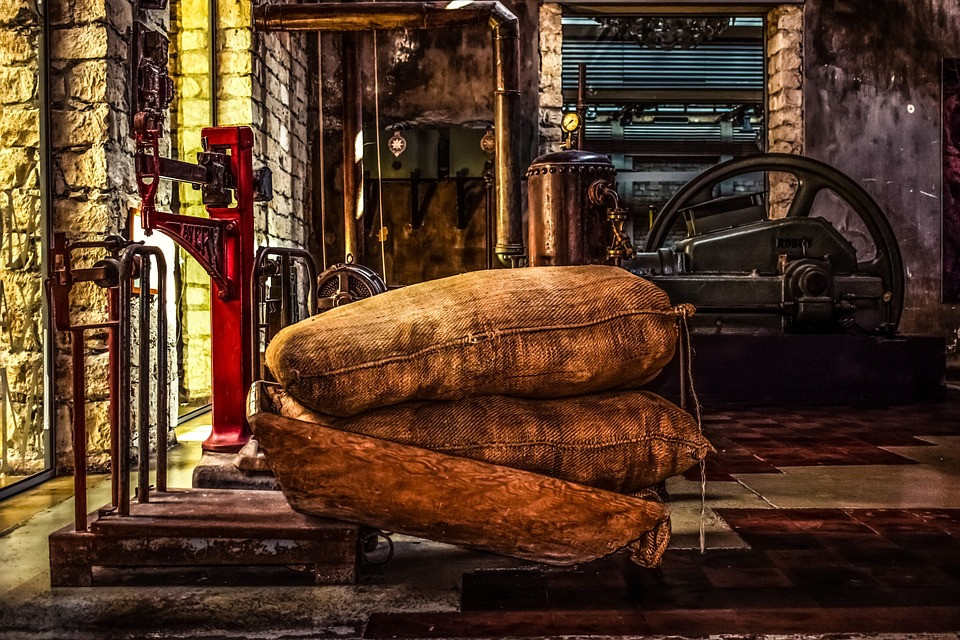
The Pantelides winery is also included among Limassol’s protected industrial sites. Its presence on the list highlights the importance of winemaking in shaping the city’s industrial character. During the 20th century, winery complexes occupied a prominent place in the local economy and linked the city with the island’s grape-growing regions. These businesses required production facilities, storage areas, and infrastructure for moving raw materials and finished products. As production expanded, this was reflected in the development of the buildings themselves and in the organization of the sites.
Old wineries are valuable in several ways. They preserve architectural features of a particular period, document the development of production technologies, and help explain how local businesses influenced employment and trade. At the same time, the historical value of such a building is not always obvious at first glance. Industrial buildings often appear less decorative than residential or public architecture because they were designed primarily for practical use. Yet their construction and internal organization may contain important evidence about the history of production.
Cyprus Grain Commission Silos
The Cyprus Grain Commission silos are another example of Limassol’s industrial heritage. Unlike the wineries, this complex is associated with grain storage and the organization of agricultural supply. Grain silos are especially important to food infrastructure because they make it possible to receive large quantities of raw materials, store them, and prepare them for further transport or distribution.
The complex is located at Limassol Port and consists of a massive concrete structure with a capacity of around 68,000 tons. It is a strategically important facility for Cyprus, receiving and storing imported grain shipments needed to support the country’s food security.
The Cyprus Grain Commission was a former state organization of the Republic of Cyprus that, from 1960 to 2021, was responsible for the import, collection, storage, and distribution of grain crops and animal feed across the island. In December 2021, the Cyprus Parliament formally dissolved the organization as the market shifted toward free competition. All of its functions, staff, and strategic assets, including the port grain silos in Limassol, were transferred to the Ministry of Agriculture. The government continues to use the storage facilities to maintain the country’s mandatory strategic grain reserves.
Municipal Slaughterhouses
The single-story stone buildings were constructed directly on the coast in 1933. After the slaughterhouses closed and operations were transferred elsewhere, the complex was acquired by the well-known Cypriot winery LOEL, which used the buildings as storage facilities.
The structures have been included in research inventories of local modernist architecture and are studied, among others, by the Cypriot Modernism community as characteristic examples of utilitarian yet expressive interwar architecture.
For many years, the surrounding area remained neglected, affected by industrial pollution and waste accumulation. Today, however, Karnagio is undergoing major gentrification. Under the city’s master plan, Aktaia Odos is being developed as a new coastal promenade and innovation corridor connecting Limassol Marina with the New Port. Historic industrial buildings, including the former slaughterhouses, are planned to be restored and integrated into the modern urban environment as cultural or public-use spaces.
What Does Protected Architectural Status Mean?
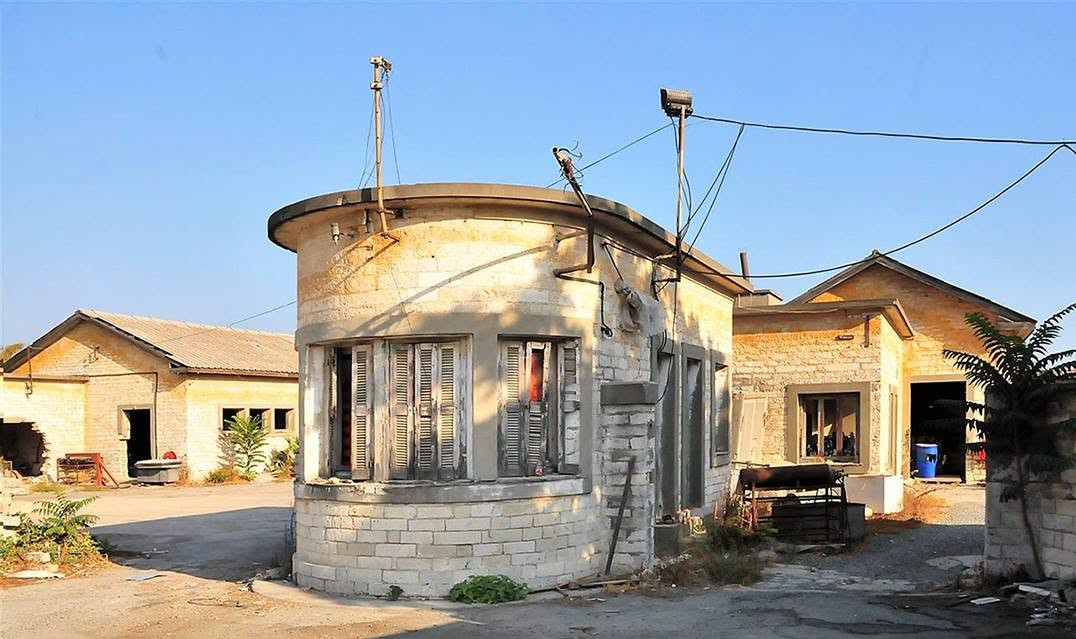
Granting a building protected status is intended to preserve its architectural, historical, and social value. Such decisions impose restrictions on alterations to historic buildings and on construction work affecting them. The purpose is to prevent the loss of important architectural elements and avoid irreversible changes that could destroy the historical value of a site. According to the description of the relevant protection order, alterations and construction work on protected buildings, groups of buildings, and areas of special architectural, historical, or social significance cannot be carried out without meeting the established requirements.
If work is carried out in violation of the protection regime, the Minister of the Interior may require the building to be restored to its previous condition. At the same time, protected status does not mean that a property cannot be adapted for modern use. With the appropriate permits, historic industrial buildings can be converted to new functions. For example, a former production building can become a cultural center, exhibition venue, or space for public events. The main requirement is that the new use must not destroy the characteristics that led to the building being recognized as historically valuable.
This issue is particularly important for industrial heritage. Factories and warehouses occupy large areas, while their original purpose may no longer be relevant. Without a suitable redevelopment project, such buildings risk remaining empty and gradually deteriorating. At the same time, uncontrolled reconstruction can lead to the loss of the historic environment. Effective preservation therefore involves not only restrictions, but also clear rules for restoration, possible new uses, and mechanisms to support property owners.
Why Limassol’s Industrial Buildings Are Under Threat
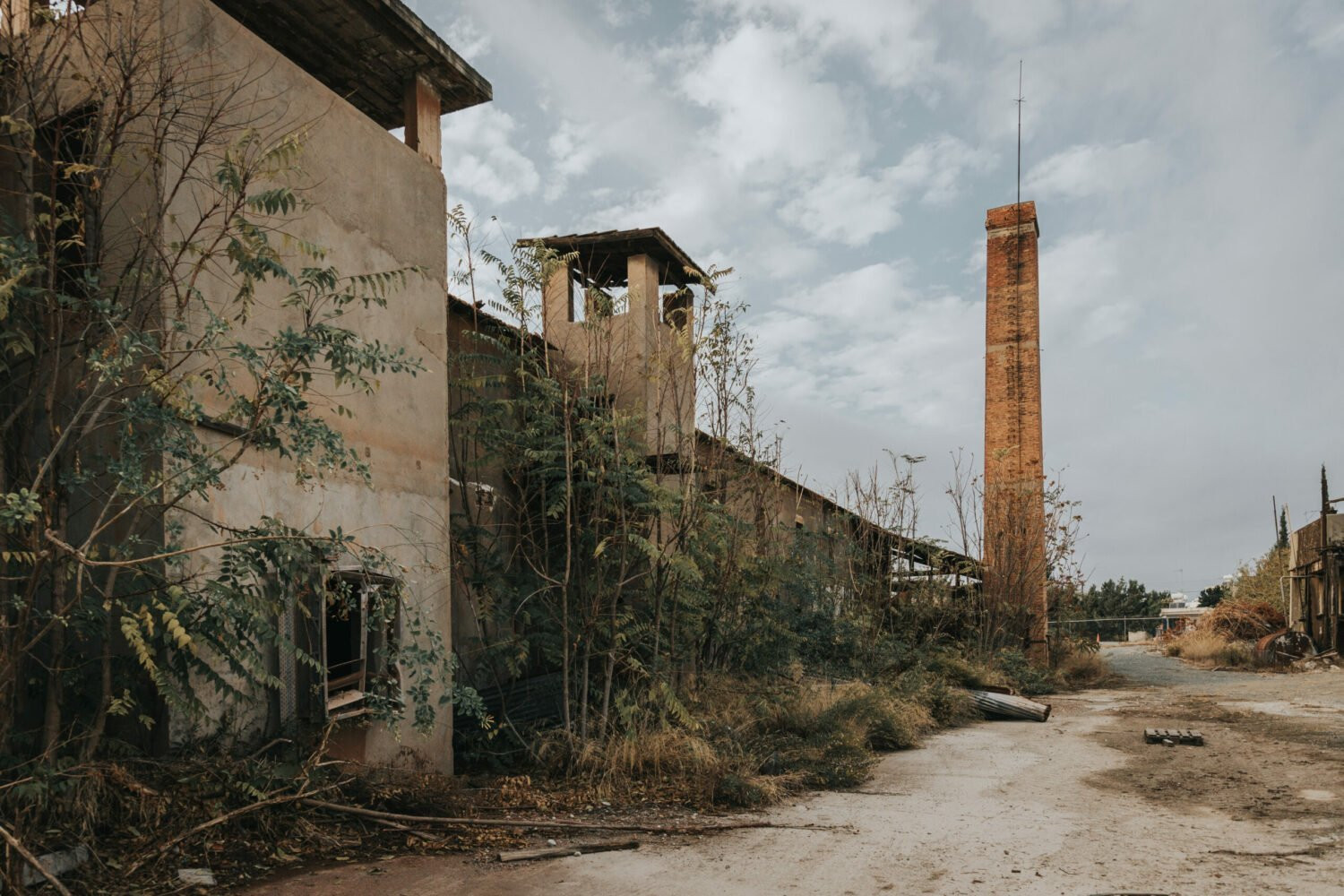
One of the main challenges facing Limassol’s industrial heritage is the transformation of its coastal districts. The areas between the two ports are becoming increasingly attractive for investment, residential development, offices, and commercial projects. As a result, old industrial complexes now stand at the center of major urban redevelopment. The land has acquired new economic value, while buildings once used for production may be seen as obstacles to new construction.
Some historic structures have already fallen into poor condition. When buildings remain unused and are not properly maintained for long periods, roofs, walls, and internal structures can deteriorate. Over time, restoration may require significantly greater investment.
Another challenge is that industrial heritage is often perceived as less valuable than traditional architectural monuments. Factory buildings may appear visually unremarkable, but their historical role is no less important for understanding how the city developed. In addition, an industrial site rarely exists in isolation from its surroundings. Its value may be connected to the original layout, the relationship between production buildings and warehouses, and transport infrastructure. If only a single facade is preserved while the rest of the complex is completely rebuilt, the historical relationship between the structures may be lost. This is why redevelopment should consider not only individual buildings, but the wider industrial landscape as well.
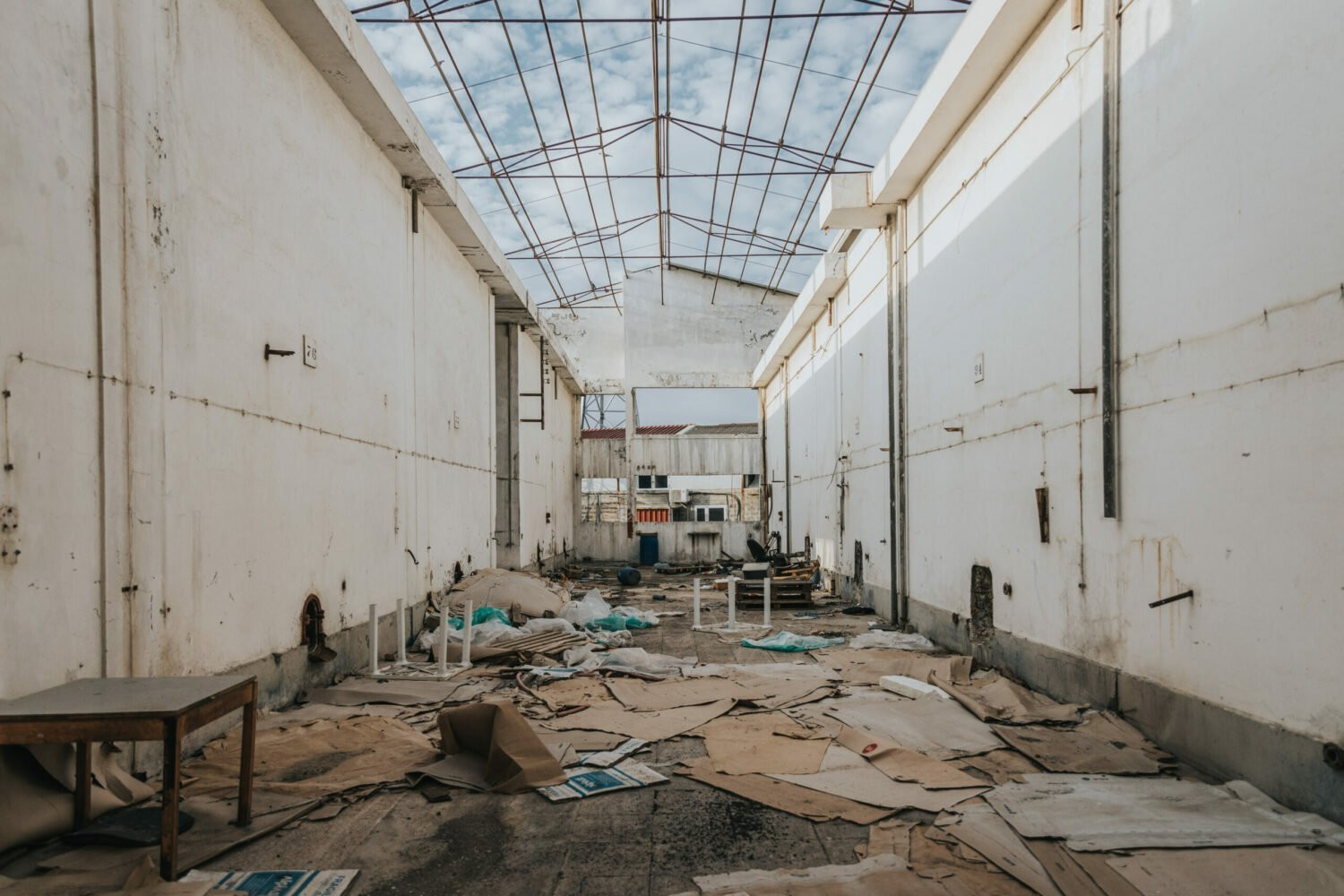
Limassol’s industrial heritage is not simply a collection of old factories and warehouses. Each building represents a particular stage in the development of Cyprus’s economy: the growth of the wine industry, agricultural processing, beverage production, grain storage, and the formation of urban infrastructure. Protecting these sites preserves physical evidence of the past and passes it on to future generations.
The main challenge is to find a balance between new development and heritage preservation. If that balance can be achieved, former factories and industrial facilities can once again become useful parts of the city — this time not only as places of production, but as spaces for culture, public life, and historical memory.
Read also:
- Rules for Residential Complexes in Cyprus — What You Need to Know
- Taxis in Cyprus: Apps, Prices, and How to Book
- Today, many of these buildings have lost their original purpose, while some have been abandoned. At the same time, they possess significant architectural and historical value. Much of Limassol’s industrial heritage is concentrated in the coastal area between the Old Port and the New Port. For decades, this was where businesses developed that required convenient access to transport routes and the ability to move raw materials and finished products. Today, these areas are undergoing major transformation. Former industrial sites now stand alongside residential developments, offices, and commercial properties.
Which 10 Industrial Buildings in Limassol Have Protected Status?
Kerameio Ceramic Factory
- The ceramic factory known as Kerameio is one of the sites associated with the early stage of Limassol’s industrial development. The main building of the enterprise was constructed in the early 20th century. Ceramic production was highly important for the development of the construction industry. Bricks, roof tiles, and other products were used in the construction of homes, agricultural buildings, and industrial facilities. The development of such enterprises helped supply the growing city with locally produced building materials.
- The surviving central building is of interest as an example of industrial architecture from its period. Such buildings were designed primarily around production needs, so their appearance and internal layout differed significantly from residential architecture. Preserving Kerameio was important not only for the history of the individual company. The building also helps illustrate what industrial Limassol looked like before the large-scale redevelopment of its coastal districts.
KEO Winery and Brewery
- KEO is one of the best-known companies in Cyprus’s food and beverage industry. The company is associated with wine and beer production and occupies a prominent place in the history of local entrepreneurship. Its industrial complex in Limassol began taking shape in the first half of the 20th century. The protected buildings belong to the first phase of the factory, constructed between 1927 and 1930. These structures are particularly valuable because they preserve physical evidence of the company’s early development.
- KEO began as a very small enterprise, but over the course of 75 years it grew into a major producer supplying enormous quantities of wine and alcoholic beverages, now measured not in bottles but in hectoliters!
- The KEO factory is important not only because of its own history but also because of its role in the development of Limassol itself. Wineries helped develop workers’ professional skills, supported agricultural production, and contributed to the growth of trade.
LOEL Winery
- Another business closely associated with Limassol’s winemaking history is LOEL. The industrial complex has occupied its current site since 1943. LOEL expanded during a period when Cyprus’s wine industry was becoming increasingly important. Wine production brought together agriculture, raw-material processing, storage of finished products, and distribution. The factory buildings reflect the organizational requirements of winery operations. They needed spaces for receiving grapes, processing raw materials, storing wine, and carrying out other stages of production.
- The industrial complexes of LOEL and other wineries became part of Limassol’s economic history. They show how closely the city’s development was connected with agriculture and with products made from locally grown grapes. Industrial buildings also differ significantly in scale and layout from ordinary urban construction, so their disappearance would make the historical environment of the city less diverse.
- Founded in Limassol in 1943, the company became the island’s first public joint-stock company. Its original shareholders were local grape growers and winemakers. Today, more than eight decades later, LOEL remains one of Cyprus’s leading producers of wine and spirits and is also the flagship company of the Laiko Group, established in 2002.
SODAP Winery
- SODAP is another important representative of Cyprus’s wine industry. The facility was built in 1947 on what was then the outskirts of the city, close to the port. The location was chosen for two reasons — relatively inexpensive land and convenient access to the seaport. The winery covers an impressive area of around 30,000 m2.
- The factory originally specialized in the production of zivania and raisins, but winery production areas and warehouses were gradually added to the site. In the early 2000s, all production facilities were transferred to SODAP’s new modern winery in Paphos, in the Stroumpi-Poli area, while the Limassol factory ceased operations and was put up for sale.
- The architectural value of SODAP lies in the fact that its production buildings form not simply a collection of rooms, but an integrated complex designed around specific technological processes. Industrial architecture of this period reflects the transition from small-scale production to larger enterprises. Higher output required larger buildings, efficient internal organization, and more effective use of land. Preserving such sites makes it possible to study not only architectural solutions but also the economic changes that took place in Cyprus during the 20th century.
ETKO Winery
- ETKO is also among the businesses closely connected with the history of winemaking in Limassol. Unlike some of the other sites, however, only a small part of the former industrial complex was placed under protection. This illustrates an important feature of industrial heritage preservation: historical value does not necessarily lie in an entire factory. Sometimes preserving individual buildings or distinctive elements is enough to retain an understanding of the original layout of the enterprise.
- Cyprus’s oldest winery was founded by the Hadjipavlou family in 1844. In 1969, a huge production complex with a capacity of around 40 million liters of wine was opened in Limassol’s industrial zone, in the Tsiflikoudia area between the Old and New Ports. The site contained the largest distillation still on the island, automated bottling lines, and enormous concrete and metal storage tanks.
- In the 1990s, the company changed its strategy. Mass production gave way to a focus on higher-quality premium wines. In 1992, winemaking operations were moved from Limassol to the Troodos Mountains, to the traditional wine village of Omodos. The old large-scale industrial complex in Limassol was not demolished. Instead, its raw industrial architecture — hangars, warehouses, open courtyards, and tanks — was transformed into one of Cyprus’s largest cultural and festival venues, ETKO.
Cyprus’s First Coca-Cola Factory
- The list of industrial buildings considered historically significant in Limassol also includes Cyprus’s first Coca-Cola factory. This site is associated with the development of soft-drink production and the expansion of the island’s industrial sector in the second half of the 20th century.
- Cyprus’s first Coca-Cola bottling plant opened on June 10, 1950. The local company Lanitis Bros Ltd became the official distributor and producer of the drink on the island. At the time of opening, the factory produced 60 bottles per minute, while Coca-Cola itself was sold for 1 cent. Demand proved so high that in 1951 the company had to urgently fly in additional bottling equipment from Greece. In 1952, the company’s headquarters and main soft-drink production were transferred to a new modern factory in Nicosia. The old Limassol factory, located at 45 Franklin Roosevelt Street between Limassol Marina and the New Port, ceased operations in the 1960s. The building stood vacant for many years, but in 2024 it was fully restored and converted into the modern multifunctional cultural and business venue Kolla Factory.
Carob Processing Cooperative
- In the first half of the 20th century, Cypriot farmers formed cooperatives to centrally collect, process, and export carob. The most important surviving monument from this period is the Carob Mill in Limassol, built near the Old Port around 1900. Cooperatives brought carob pods here from across the region. Powerful mechanical crushers separated the sweet pulp from the hard seeds. The seeds were used to produce valuable locust bean gum, still widely used today as the thickener E410, while the pulp was used for syrup, livestock feed, and flour as a cocoa substitute. By the 1960s, thanks in part to the cooperative system, Cyprus ranked third in the world for carob exports.
- The carob tree, also known as locust bean, was highly important to Cypriot agriculture and trade for many years. Its fruit was used in food production and other industries, while exports of carob raw materials provided income to local farms.
- Today, the historic industrial building of the cooperative mill has been transformed into the popular Carob Mill Museum.
Pantelides Winery
- The Pantelides winery is also included among Limassol’s protected industrial sites. Its presence on the list highlights the importance of winemaking in shaping the city’s industrial character. During the 20th century, winery complexes occupied a prominent place in the local economy and linked the city with the island’s grape-growing regions. These businesses required production facilities, storage areas, and infrastructure for moving raw materials and finished products. As production expanded, this was reflected in the development of the buildings themselves and in the organization of the sites.
- Old wineries are valuable in several ways. They preserve architectural features of a particular period, document the development of production technologies, and help explain how local businesses influenced employment and trade. At the same time, the historical value of such a building is not always obvious at first glance. Industrial buildings often appear less decorative than residential or public architecture because they were designed primarily for practical use. Yet their construction and internal organization may contain important evidence about the history of production.
Cyprus Grain Commission Silos
- The Cyprus Grain Commission silos are another example of Limassol’s industrial heritage. Unlike the wineries, this complex is associated with grain storage and the organization of agricultural supply. Grain silos are especially important to food infrastructure because they make it possible to receive large quantities of raw materials, store them, and prepare them for further transport or distribution.
- The complex is located at Limassol Port and consists of a massive concrete structure with a capacity of around 68,000 tons. It is a strategically important facility for Cyprus, receiving and storing imported grain shipments needed to support the country’s food security.
- The Cyprus Grain Commission was a former state organization of the Republic of Cyprus that, from 1960 to 2021, was responsible for the import, collection, storage, and distribution of grain crops and animal feed across the island. In December 2021, the Cyprus Parliament formally dissolved the organization as the market shifted toward free competition. All of its functions, staff, and strategic assets, including the port grain silos in Limassol, were transferred to the Ministry of Agriculture. The government continues to use the storage facilities to maintain the country’s mandatory strategic grain reserves.
Municipal Slaughterhouses
- The single-story stone buildings were constructed directly on the coast in 1933. After the slaughterhouses closed and operations were transferred elsewhere, the complex was acquired by the well-known Cypriot winery LOEL, which used the buildings as storage facilities.
- The structures have been included in research inventories of local modernist architecture and are studied, among others, by the Cypriot Modernism community as characteristic examples of utilitarian yet expressive interwar architecture.
- For many years, the surrounding area remained neglected, affected by industrial pollution and waste accumulation. Today, however, Karnagio is undergoing major gentrification. Under the city’s master plan, Aktaia Odos is being developed as a new coastal promenade and innovation corridor connecting Limassol Marina with the New Port. Historic industrial buildings, including the former slaughterhouses, are planned to be restored and integrated into the modern urban environment as cultural or public-use spaces.
What Does Protected Architectural Status Mean?
- Granting a building protected status is intended to preserve its architectural, historical, and social value. Such decisions impose restrictions on alterations to historic buildings and on construction work affecting them. The purpose is to prevent the loss of important architectural elements and avoid irreversible changes that could destroy the historical value of a site. According to the description of the relevant protection order, alterations and construction work on protected buildings, groups of buildings, and areas of special architectural, historical, or social significance cannot be carried out without meeting the established requirements.
- If work is carried out in violation of the protection regime, the Minister of the Interior may require the building to be restored to its previous condition. At the same time, protected status does not mean that a property cannot be adapted for modern use. With the appropriate permits, historic industrial buildings can be converted to new functions. For example, a former production building can become a cultural center, exhibition venue, or space for public events. The main requirement is that the new use must not destroy the characteristics that led to the building being recognized as historically valuable.
- This issue is particularly important for industrial heritage. Factories and warehouses occupy large areas, while their original purpose may no longer be relevant. Without a suitable redevelopment project, such buildings risk remaining empty and gradually deteriorating. At the same time, uncontrolled reconstruction can lead to the loss of the historic environment. Effective preservation therefore involves not only restrictions, but also clear rules for restoration, possible new uses, and mechanisms to support property owners.
Why Limassol’s Industrial Buildings Are Under Threat
- One of the main challenges facing Limassol’s industrial heritage is the transformation of its coastal districts. The areas between the two ports are becoming increasingly attractive for investment, residential development, offices, and commercial projects. As a result, old industrial complexes now stand at the center of major urban redevelopment. The land has acquired new economic value, while buildings once used for production may be seen as obstacles to new construction.
- Some historic structures have already fallen into poor condition. When buildings remain unused and are not properly maintained for long periods, roofs, walls, and internal structures can deteriorate. Over time, restoration may require significantly greater investment.
- Another challenge is that industrial heritage is often perceived as less valuable than traditional architectural monuments. Factory buildings may appear visually unremarkable, but their historical role is no less important for understanding how the city developed. In addition, an industrial site rarely exists in isolation from its surroundings. Its value may be connected to the original layout, the relationship between production buildings and warehouses, and transport infrastructure. If only a single facade is preserved while the rest of the complex is completely rebuilt, the historical relationship between the structures may be lost. This is why redevelopment should consider not only individual buildings, but the wider industrial landscape as well.
- Limassol’s industrial heritage is not simply a collection of old factories and warehouses. Each building represents a particular stage in the development of Cyprus’s economy: the growth of the wine industry, agricultural processing, beverage production, grain storage, and the formation of urban infrastructure. Protecting these sites preserves physical evidence of the past and passes it on to future generations.
- The main challenge is to find a balance between new development and heritage preservation. If that balance can be achieved, former factories and industrial facilities can once again become useful parts of the city — this time not only as places of production, but as spaces for culture, public life, and historical memory.
- Read also:
- Rules for Residential Complexes in Cyprus — What You Need to Know
- Taxis in Cyprus: Apps, Prices, and How to Book
- Buying Used Furniture in Cyprus — A Guide and Red Flags
- Curium Palace in Limassol: The Story of an Iconic Hotel Demolished for a New Project
- UV Index and Wind in Cyprus — How to Read the Weather Forecast
- Curium Palace in Limassol: The Story of an Iconic Hotel Demolished for a New Project
- UV Index and Wind in Cyprus — How to Read the Weather Forecast