Cyprus is not just sun, sea and Mediterranean cuisine, it is also a place where you can build a comfortable and fulfilling life. If you're dreaming of relocating or just thinking about a change of scenery, let's take a look at which cities in Cyprus are best for women in terms of safety, work, healthcare, education, leisure and social environment. Let's look at six key destinations: Limassol, Paphos, Larnaca, Nicosia, Ayia Napa and Protaras.
Limassol: a dynamic hub of opportunity
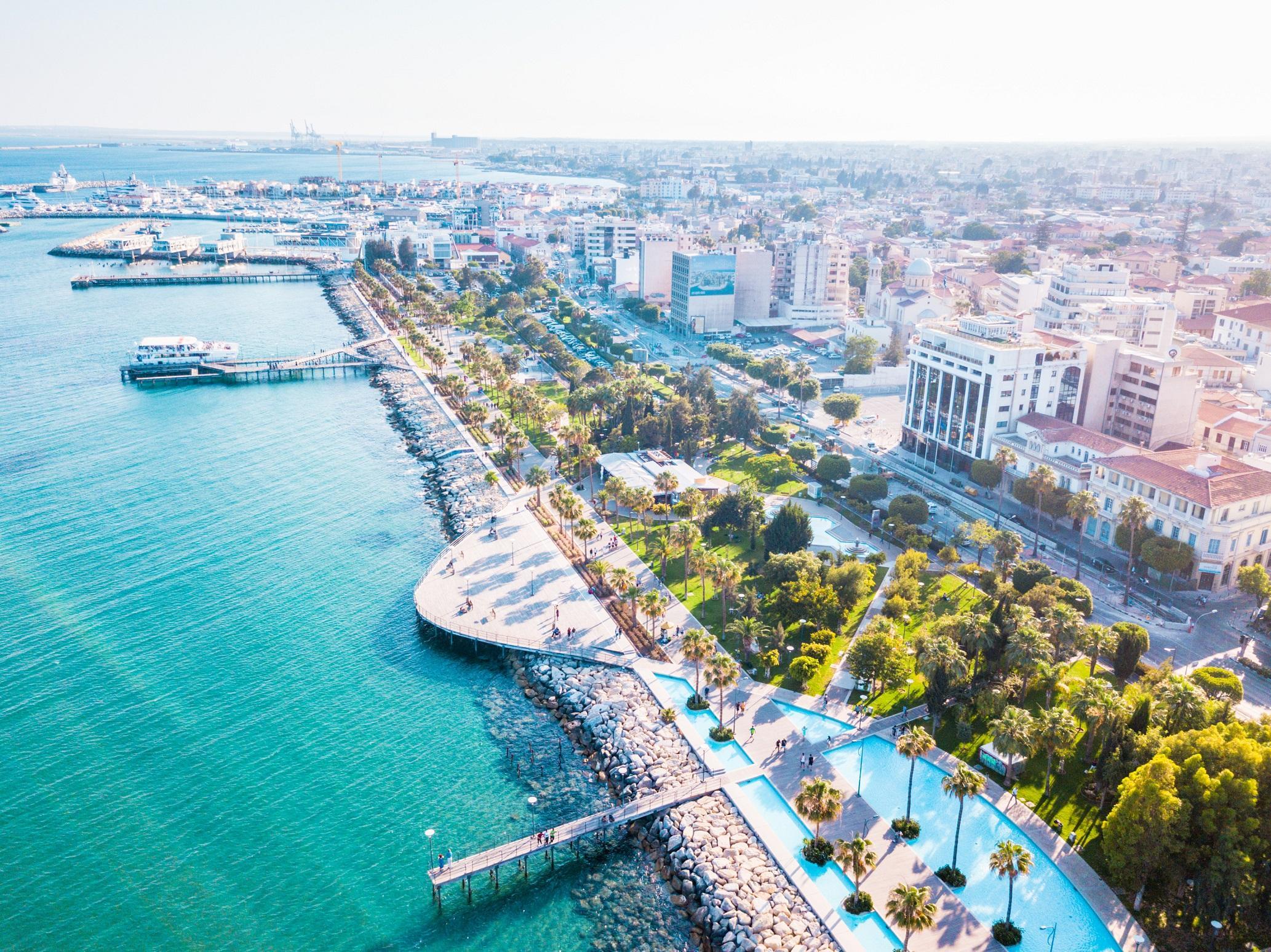
Limassol, Cyprus' second largest city, is renowned for its vibrant lifestyle and infrastructure. The city has been attracting attention in recent years due to the rapid growth of the IT sector and the influx of international companies such as fintech start-ups in 2023. A businesswoman will definitely feel at home here.
- Safety. According to Numbeo, the crime rate is low, at around 30 incidents per 1,000 inhabitants, most of which are petty thefts. Women feel comfortable walking along the Molos promenade at night, although during the tourist season it is better to keep an eye on personal belongings.
- Work. The city is a hub for IT, finance and tourism, with salaries ranging from €2,500 to €3,000 for qualified professionals. Gender equality is improving, with women often in senior positions, according to the latest World Salaries research. Excellent remote working conditions allow you to develop on a global scale.
- Healthcare. Private clinics such as the Mediterranean Hospital offer services from €50 per consultation, including gynaecology and obstetrics (from €3,000). A women's health centre has recently opened, adding to the convenience. For permanent residents, it is possible to receive medical services under GESY, the general health care system in Cyprus.
- Education. International schools such as The Heritage (from 6,000 euros per year) and English-speaking kindergartens (from 300-500 euros per month). The city is particularly popular with the Russian-speaking community as there are several accredited Russian schools. Read more about Limassol's new schools in our blog. There are several universities in the city, some of which are among the top five universities in Cyprus.
- Leisure activities. Yoga studios (10-15 euros per class), gyms (from 50 euros per month), a jogging promenade, water sports and beaches will help you stay in shape. There are parks and playgrounds at every turn, which is great for mums. Festivals such as the Wine Festival and Health & Beauty attract record numbers of visitors each year. The city is also renowned for its theatres, concert venues and nightlife.
- Cost of Living. Renting a 1-bedroom apartment in the centre will average 900-1.2 thousand euros, food and transport - from 400-500 euros per month for a family of 2-3 people. Expensive, but justified by the rhythm and opportunities of the main financial centre of the island of Aphrodite.
- Social environment. According to the European Institute for Gender Equality, gender equality is improving, the community is welcoming, especially for expatriates, with active women's interest groups.
- Transport. Buses are available (from €1.5), but a car is recommended due to extreme weather conditions in August and frequent downpours in winter.
Paphos: harmony of nature and culture
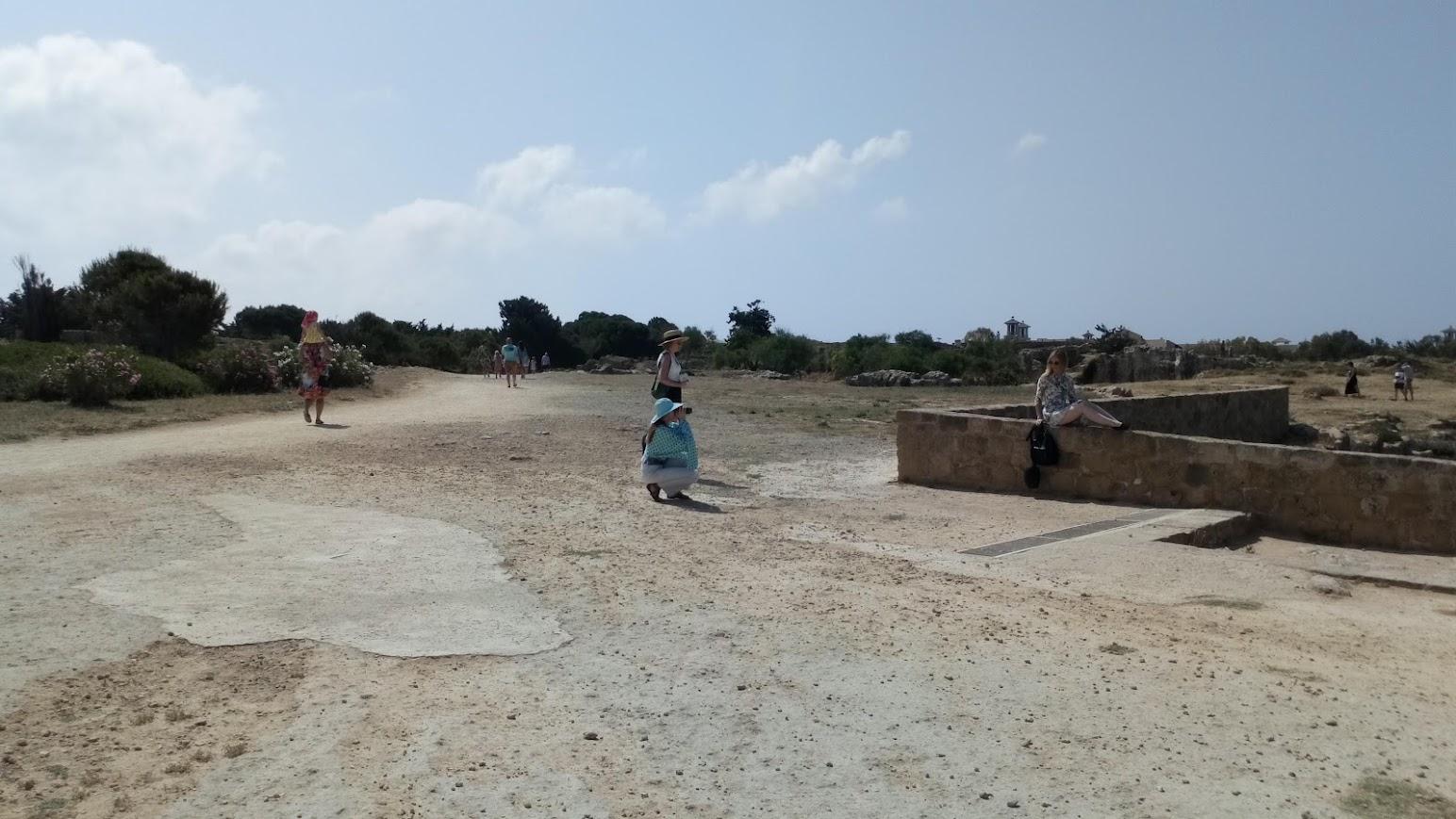
Paphos, on the west coast of the island, is renowned for its tranquillity and rich cultural heritage. The city is a UNESCO World Heritage Site, thanks to its archaeological monuments and historical sites. For women who appreciate culture and history, Paphos offers unique opportunities for self-development. The city is renowned for its atmosphere, low crime rate and remote working opportunities.
- Safety. With one of the lowest crime rates in Cyprus (around 20 incidents per 1,000 inhabitants), it is safe to take an evening stroll. Some people don't even lock the doors to their cars and homes.
- Work. The main sectors are tourism and real estate, with salaries ranging from 1500 to 2000euros. There are jobs for women in hospitality and education.
- Healthcare. Clinics such as Evangelismos Hospital offer services from 40 euros per visit, including women's health, but for complicated cases many go to Limassol.
- Education. Paphos' educational infrastructure includes several schools and kindergartens that provide quality education for children. International schools, such as the International School of Paphos (from 5 thousand per year) and kindergartens. There is less choice than in Limassol, but enough for families. There are several universities in the city.
- Leisure activities. Yoga with sea and sunset views (10 euros), spa in the famous Aphrodite Hills (from 70 euros), hiking trails in the Akamas, archaeological parks.
- Cost of living. Rent - 600-800 euros, food and transport - 350-450 euros. Cheaper than Limassol, but public transport is poor.
- Social environment. Friendly community, according to UN Women, especially for expats, with low levels of gender discrimination.
- Transport. Buses (from €1.5) but infrequent timetables, private cars preferred.
Larnaca: a balance of tradition and modernity
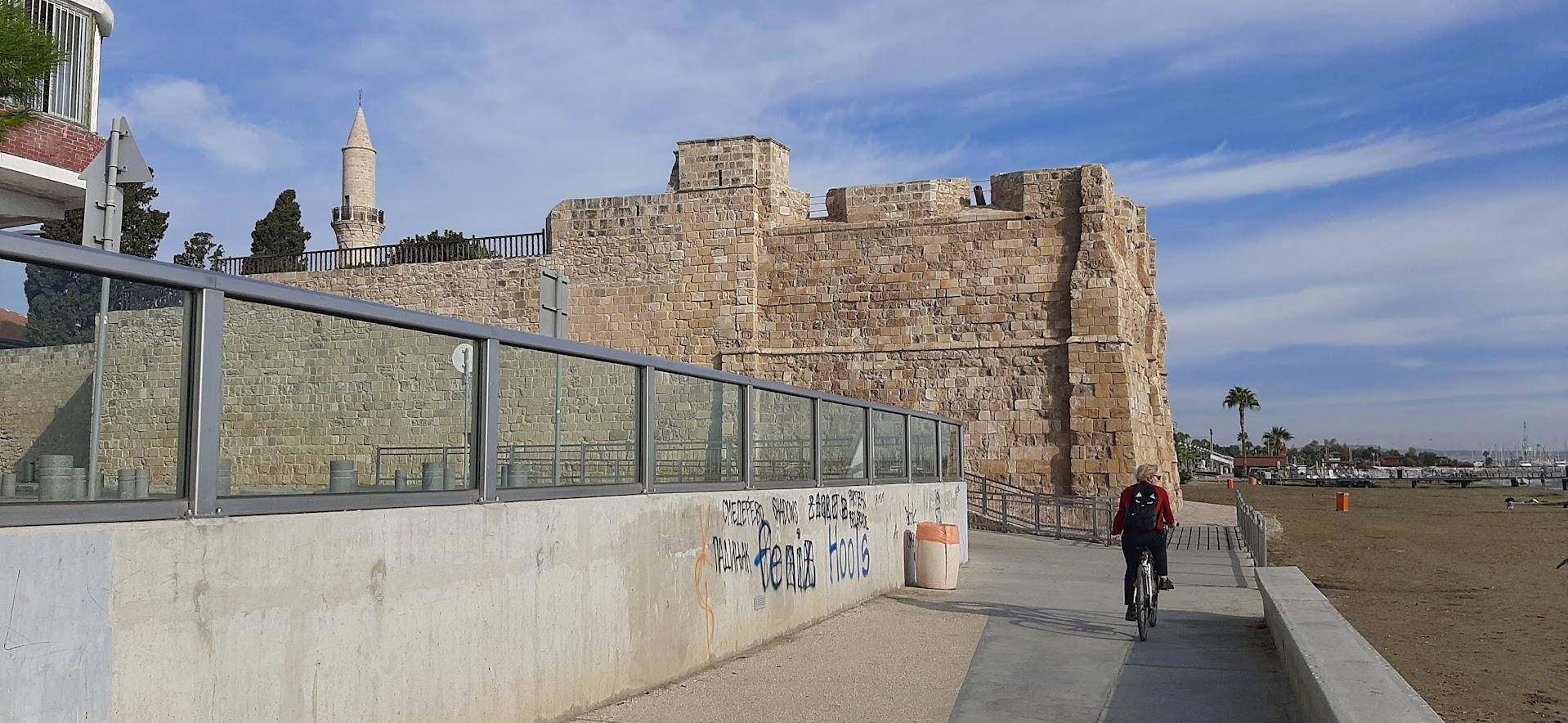
Larnaca, on the south-east coast, combines traditional Cypriot life with modern amenities. The city is famous for its international airport, which provides excellent transport links.
- Safety. Crime is low (25-30 per 1,000 inhabitants), but it is advisable not to leave things unattended in the centre at night.
- Work. Larnaca's economy is booming, offering jobs in tourism, commerce and services. According to Cyprus Jobs, hospitality jobs are available for women. For women looking for career opportunities, the city offers a variety of employment options, although it is second only to Limassol in terms of supply. Salaries are around €1,500.
- Healthcare. Private clinics, such as the St Raphael Private Hospital, charge from €50 per visit, including women's health. On the plus side, you can get a service without long queues, although this is still the case in public facilities.
- Education. Larnaca's educational facilities include both state and public schools, providing quality education for children. On the plus side, you can almost always find a place for your child. Larnaca also has some good universities.
- Leisure activities. Wide, quiet beaches and water sports, yoga (€10-12), cafes, cultural activities such as visiting the municipal museum or theatre. The city's parks and cultural centres offer a wide range of activities for families and children.
- Cost of living. Rent from 600-900 euros, food and transport from 400-500 euros. Affordable for families, especially compared to Limassol.
- Social environment. Friendly community with active women's clubs. Greek language skills are encouraged for expats. Gender equality is gradually improving, according to the European Institute for Gender Equality.
- Transport. Buses (from €1.5) run regularly to the city and surrounding areas. However, many residents have private cars.

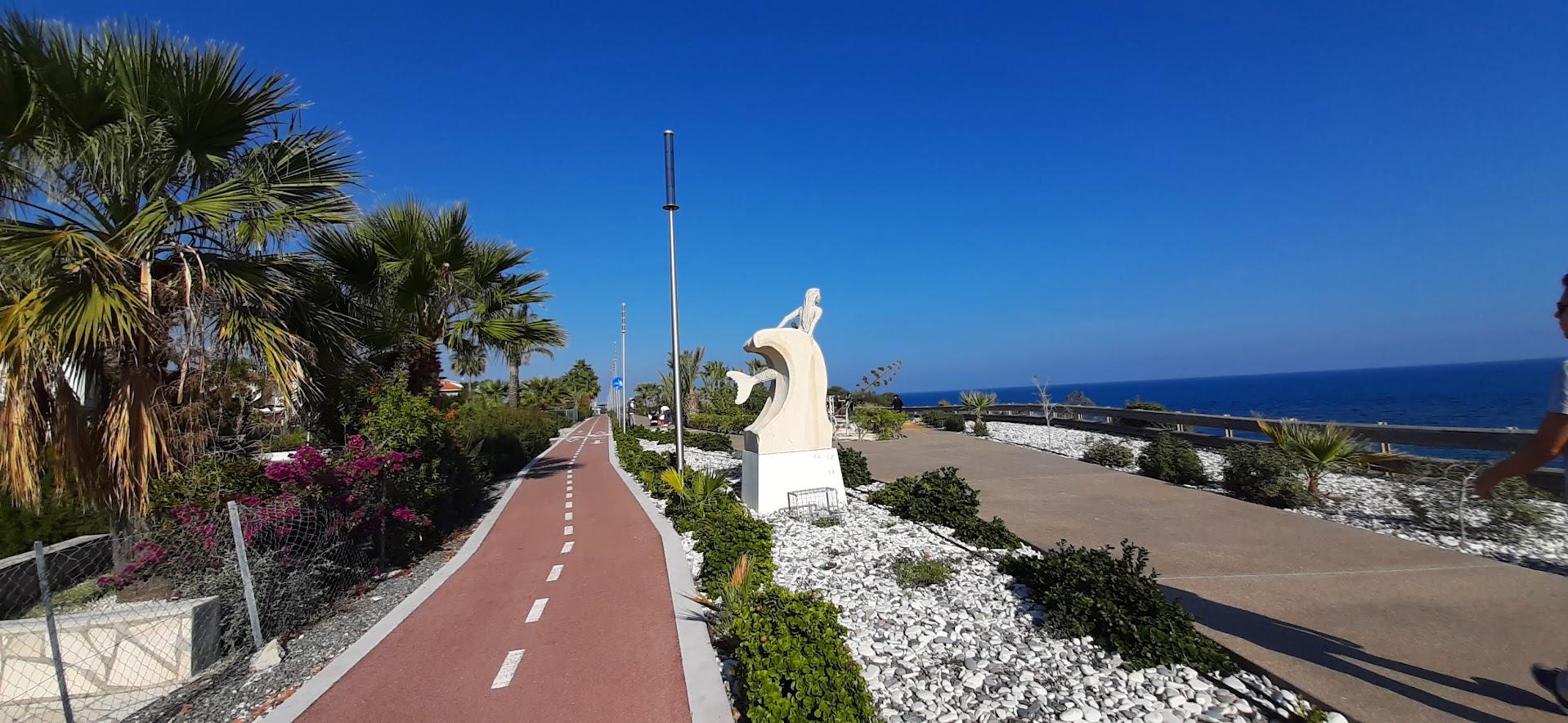
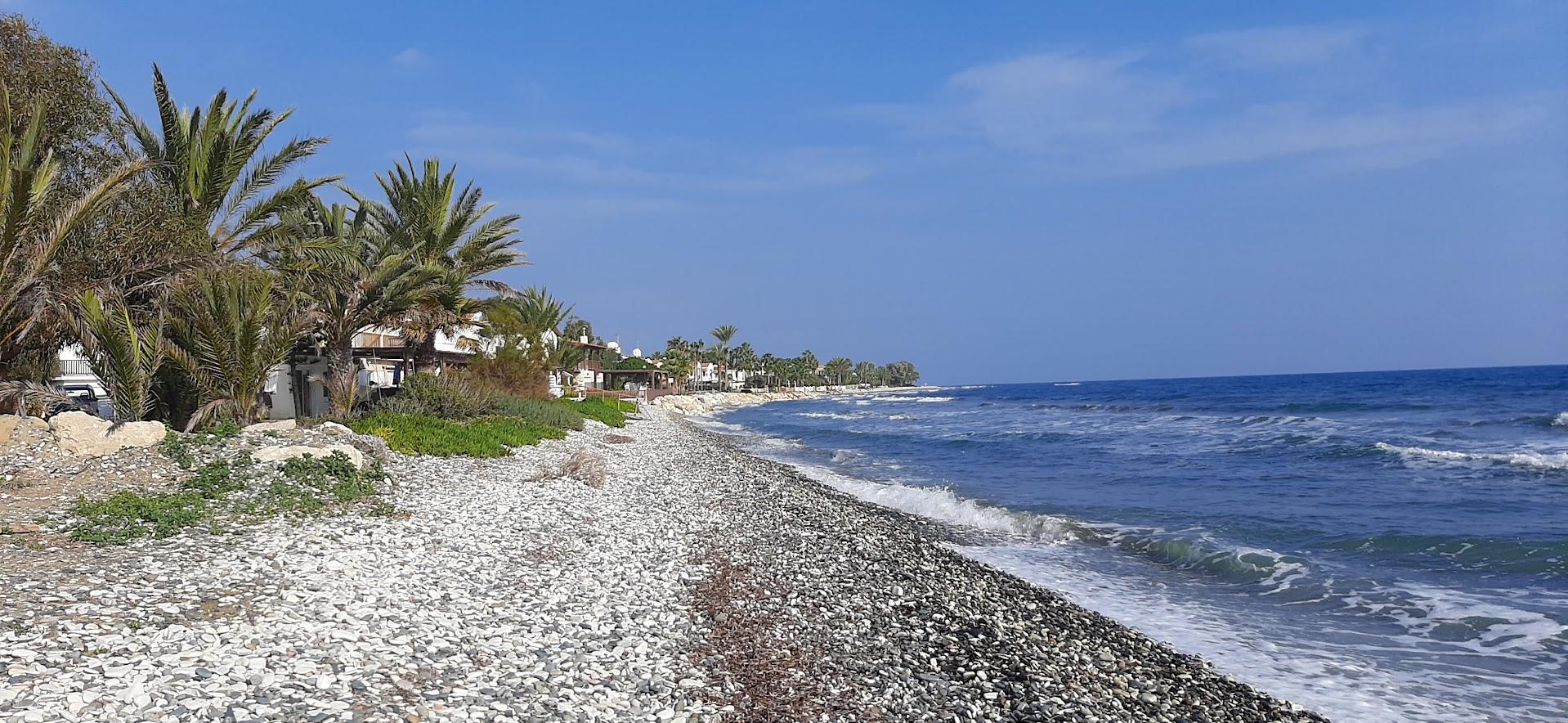
The city's beaches and promenades are ideal for morning jogs, outdoor exercise and a cup of coffee overlooking the sea.
Nicosia: the heart of the island, rich in culture
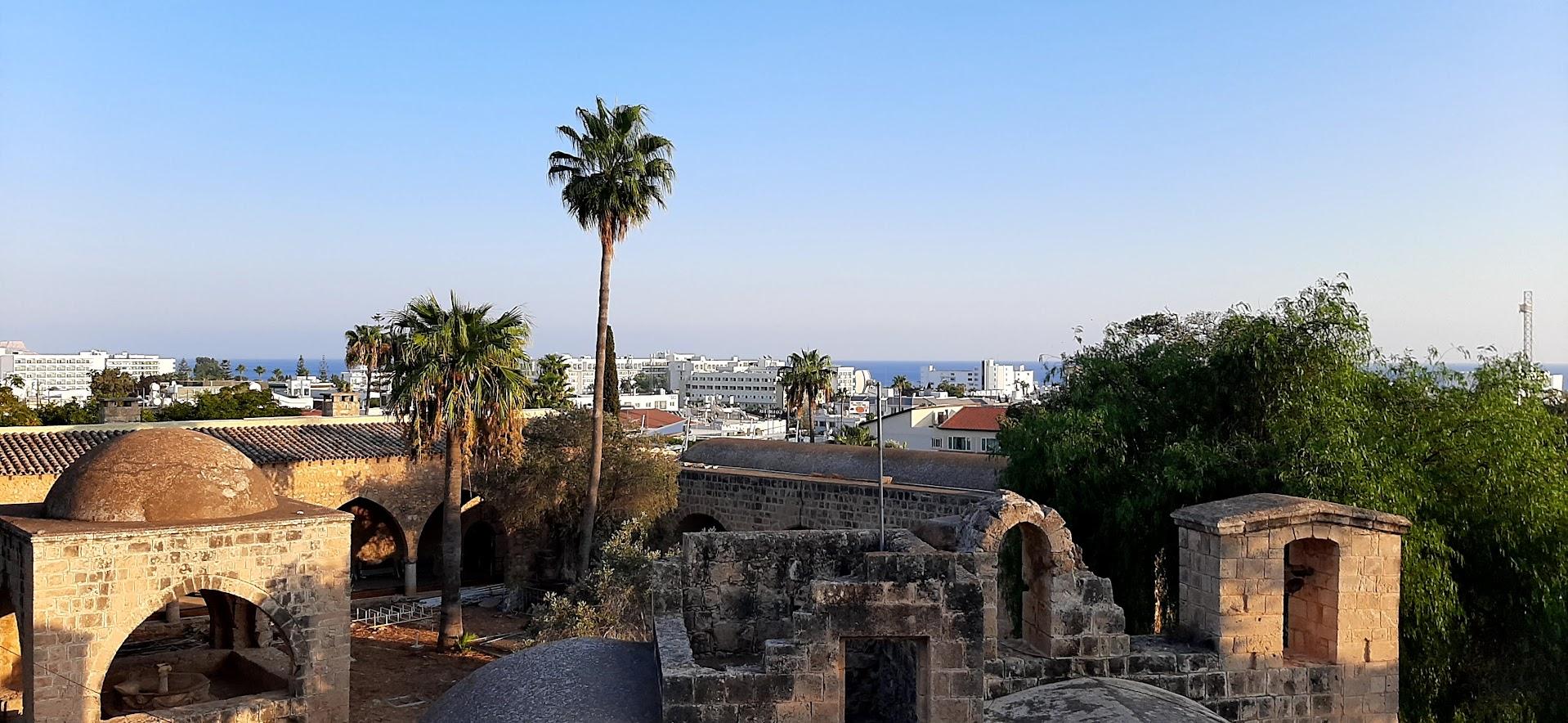
Nicosia, the capital of Cyprus, is the cultural and economic centre of the island. The city is divided into Greek and Turkish parts, giving it a unique flavour and diversity of cultures.
- Safety. Average crime rate (35 per 1,000 inhabitants), the centre is safe but it is better not to walk alone in the old town at night.
- Work. Opportunities in IT, finance, public sector, salaries from 1800 euros. Gender equality is improving, women are now actively participating in the labour market.
- Healthcare. Top clinics on the island, such as Nicosia General Hospital, consultations 60-80 euros, childbirth 3-3.5 thousand euros, including women's health.
- Education. The education system in Nicosia includes many schools and kindergartens, both public and private, giving parents a wide choice. The opportunities for adult women are also astounding. International MBA programmes at universities are an option. Nicosia is home to the largest number of prestigious educational institutions.
- Leisure activities. Fitness clubs (50 euros per month), theatres, large shopping centres such as The Mall of Cyprus, cultural events to suit all tastes.
- Cost of living. Rent - 700-1,000 euros, and it is likely to be very expensive accommodation. Food and transport - 450-600 euros. More expensive than Larnaca, but justified by the facilities.
- Social environment. Active women's communities, gender equality is encouraged, but there is a wage gap.
- Transport. Buses (from €1.5), but car is preferable. Morning and evening traffic jams are common.
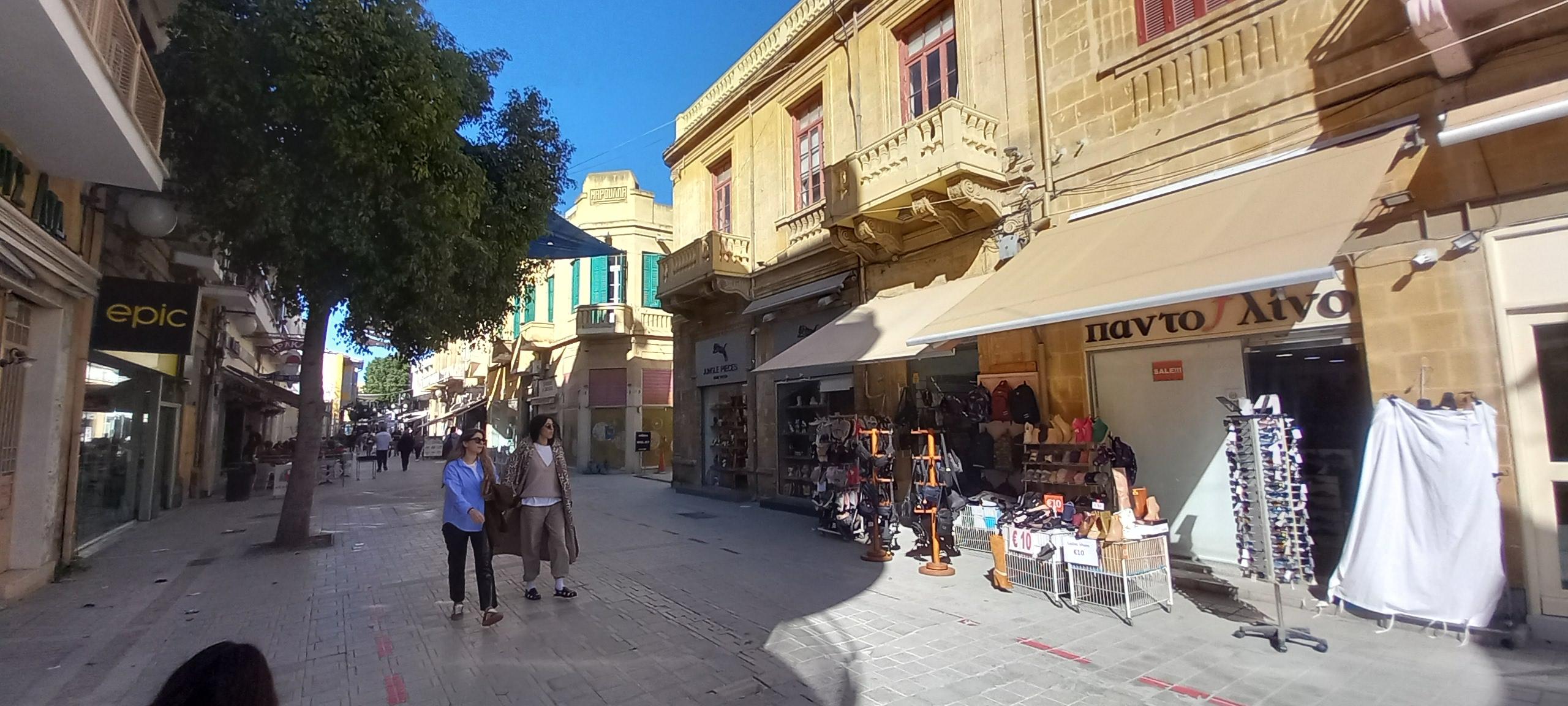
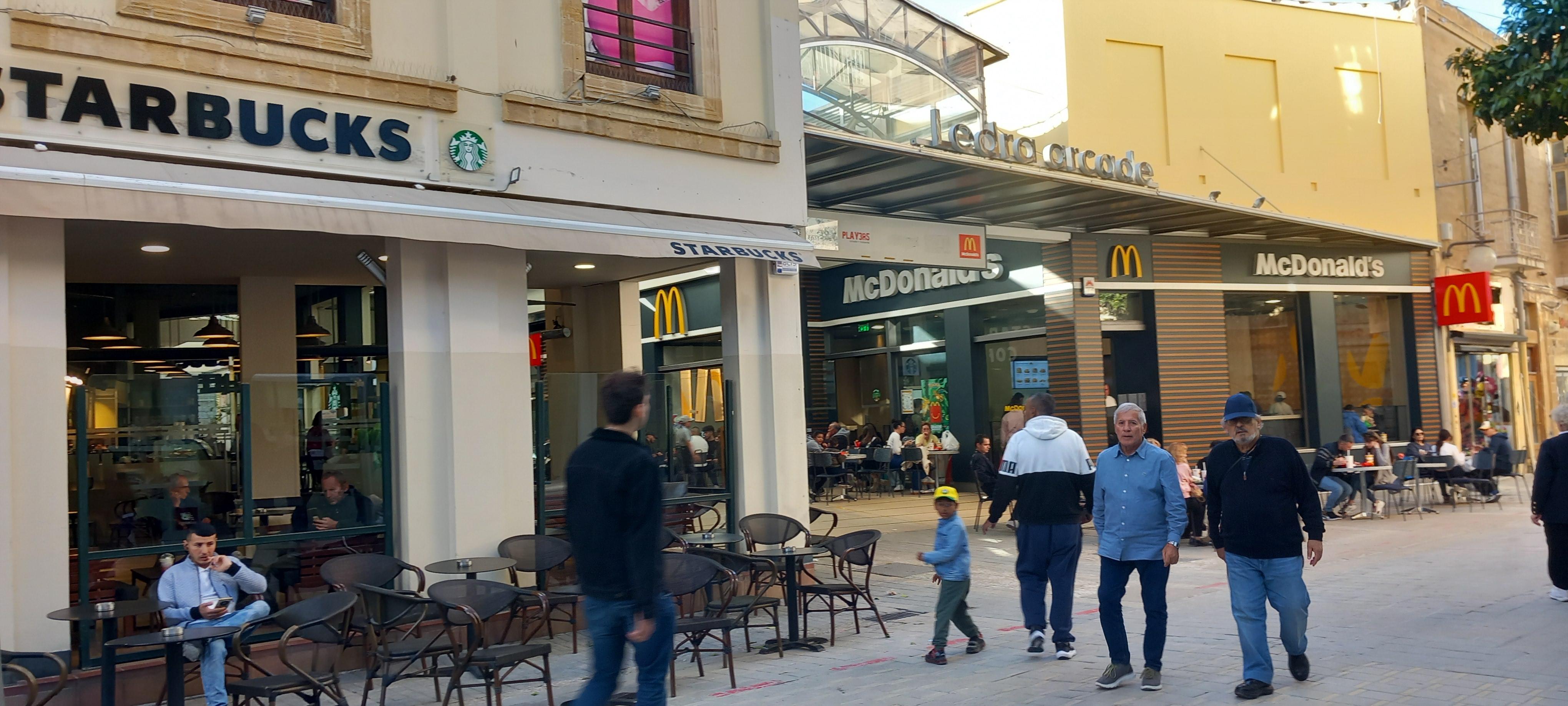
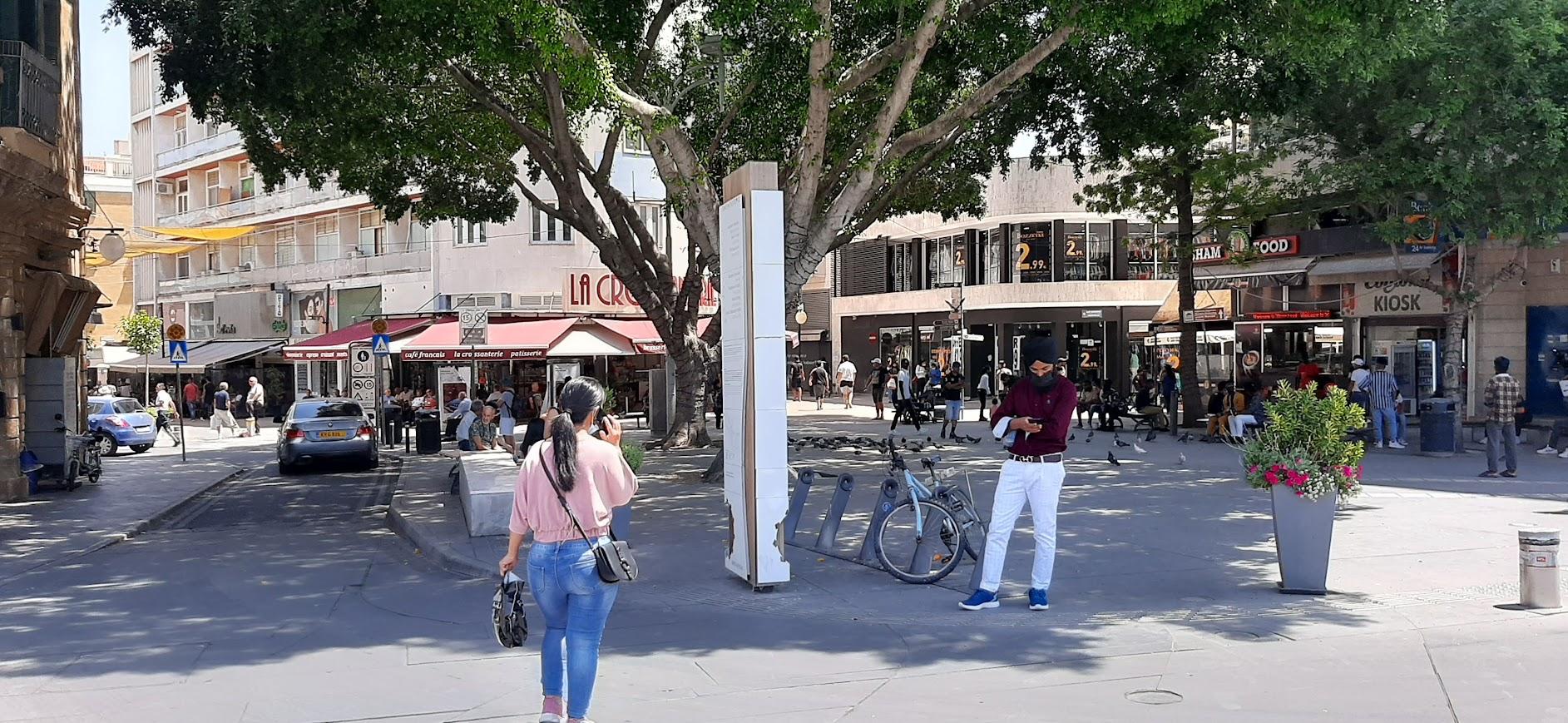
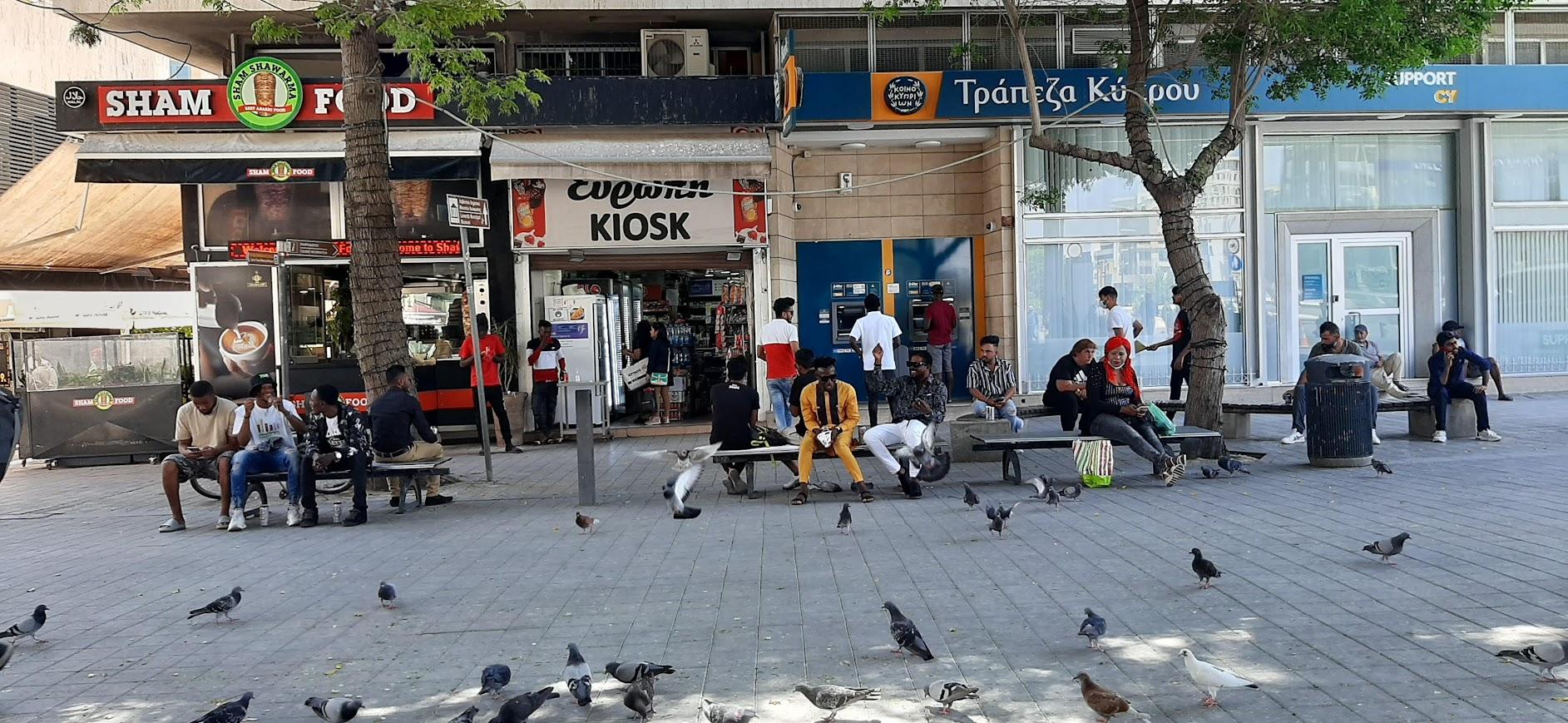
For career development, Nicosia offers many opportunities in a variety of sectors, including the public sector, education and technology. The city's universities and research centres attract professionals from all over the world.
Nicosia's education system includes many schools and kindergartens, both public and private, offering parents a wide range of choices. Cultural activities, museums and theatres contribute to the all-round development of children and adults.
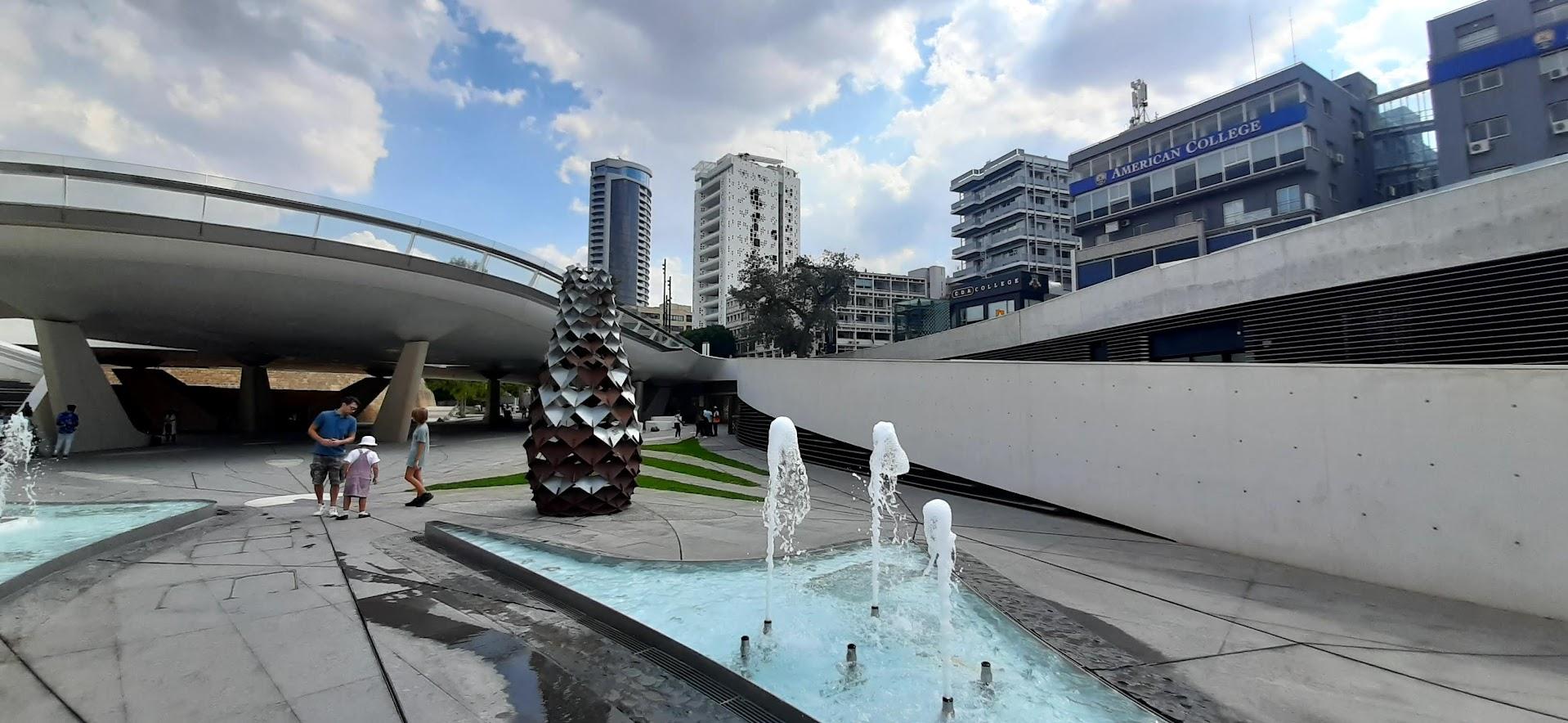
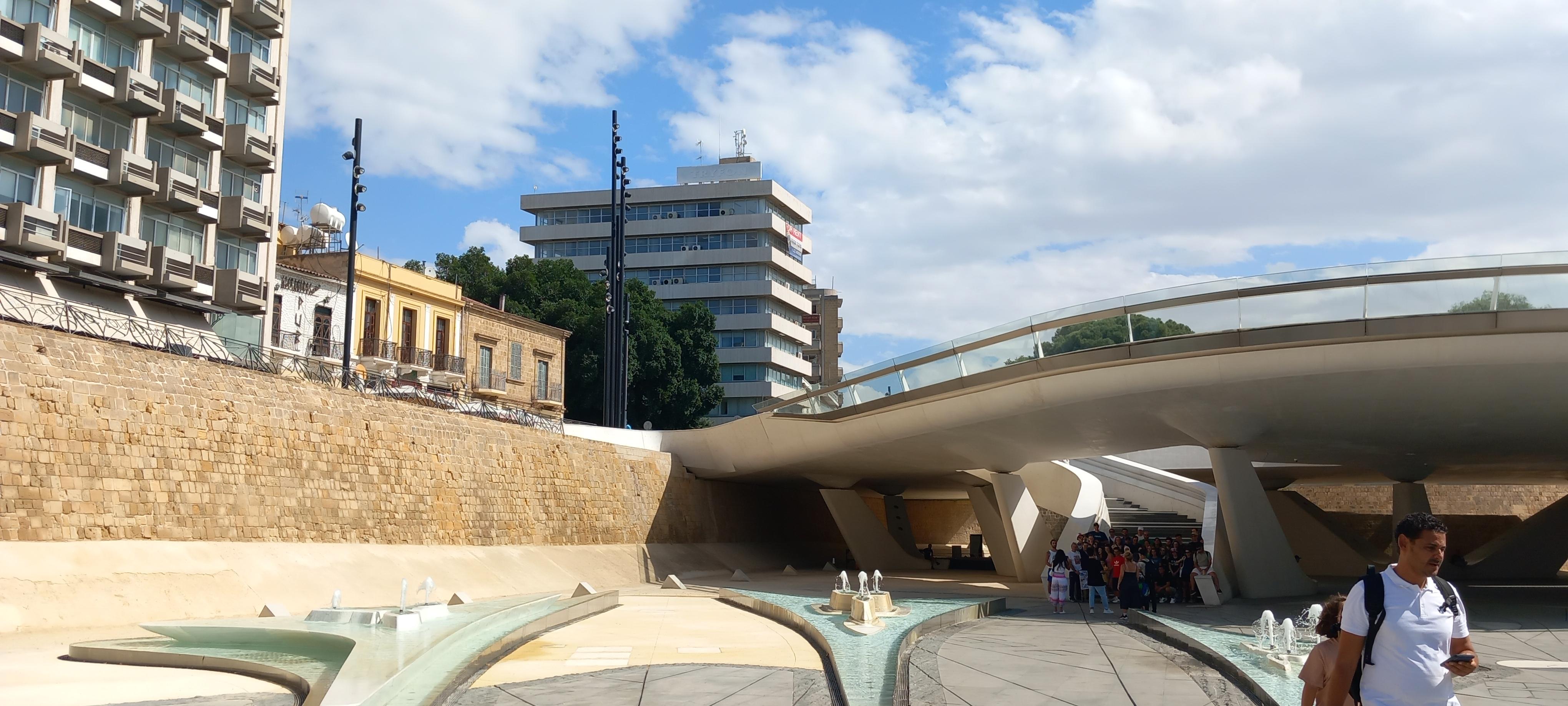
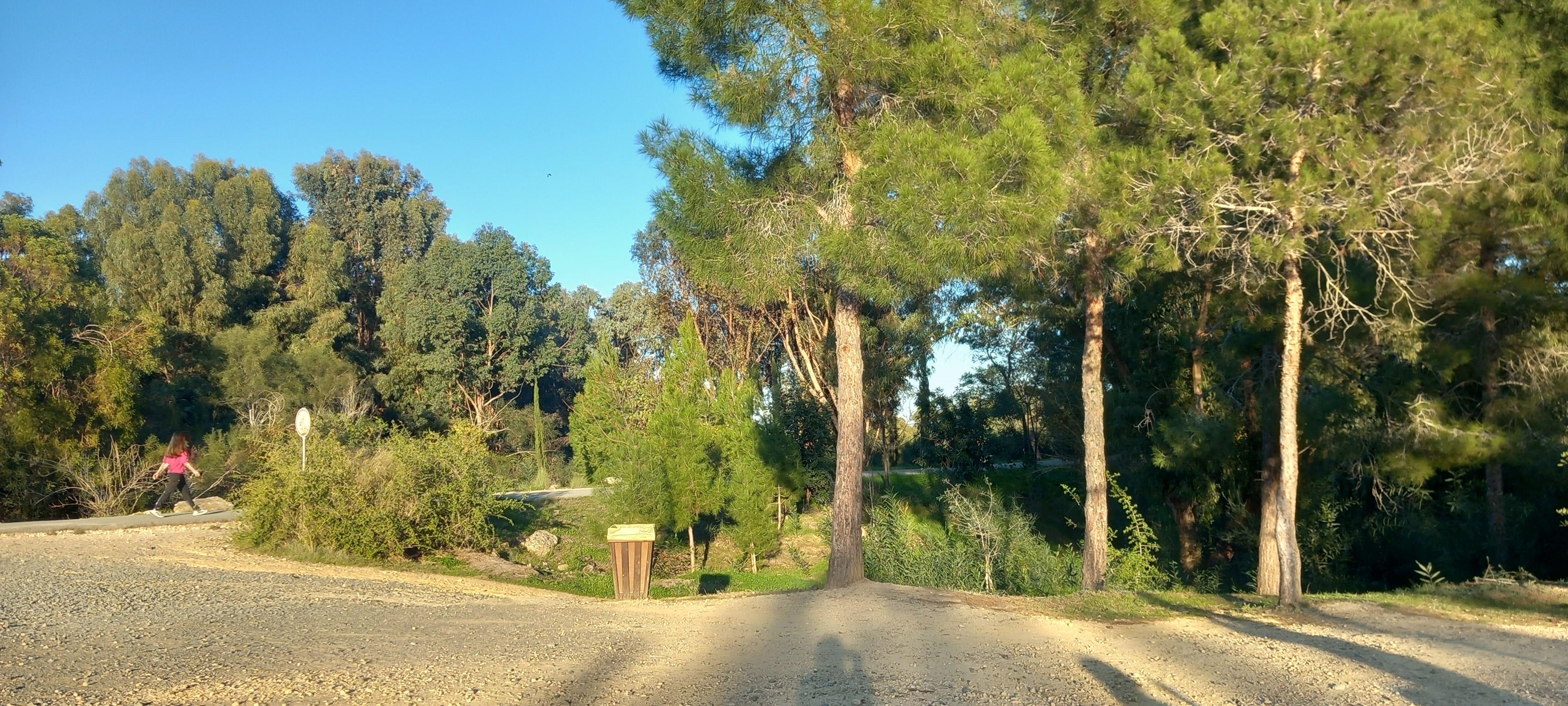
The city's parks and green spaces offer opportunities for recreation and outdoor sports.

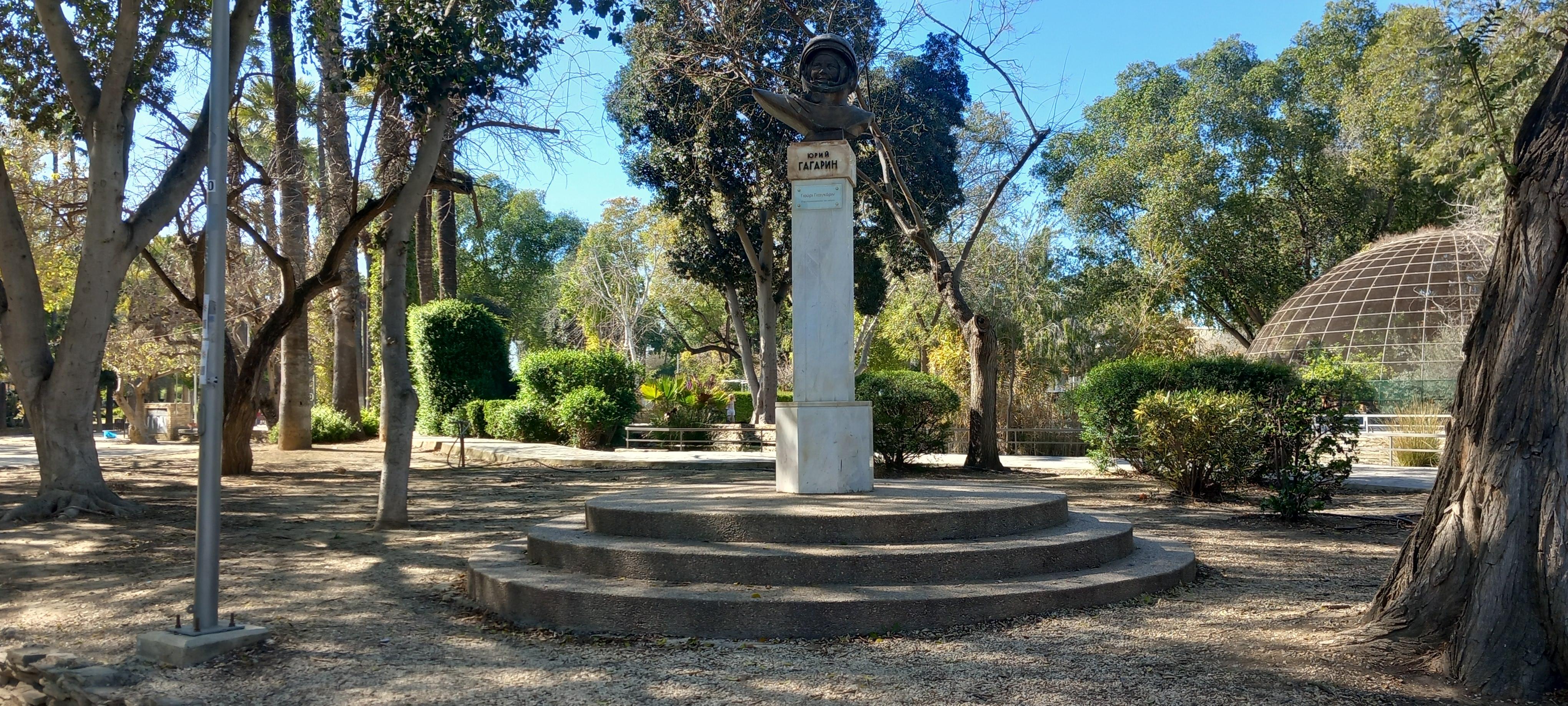
In the city's Municipal Park there is a monument to Yuri Gagarin, who visited Cyprus in 1962 as part of his world tour. But that's another story =)
Ayia Napa and Protaras: resorts for active living
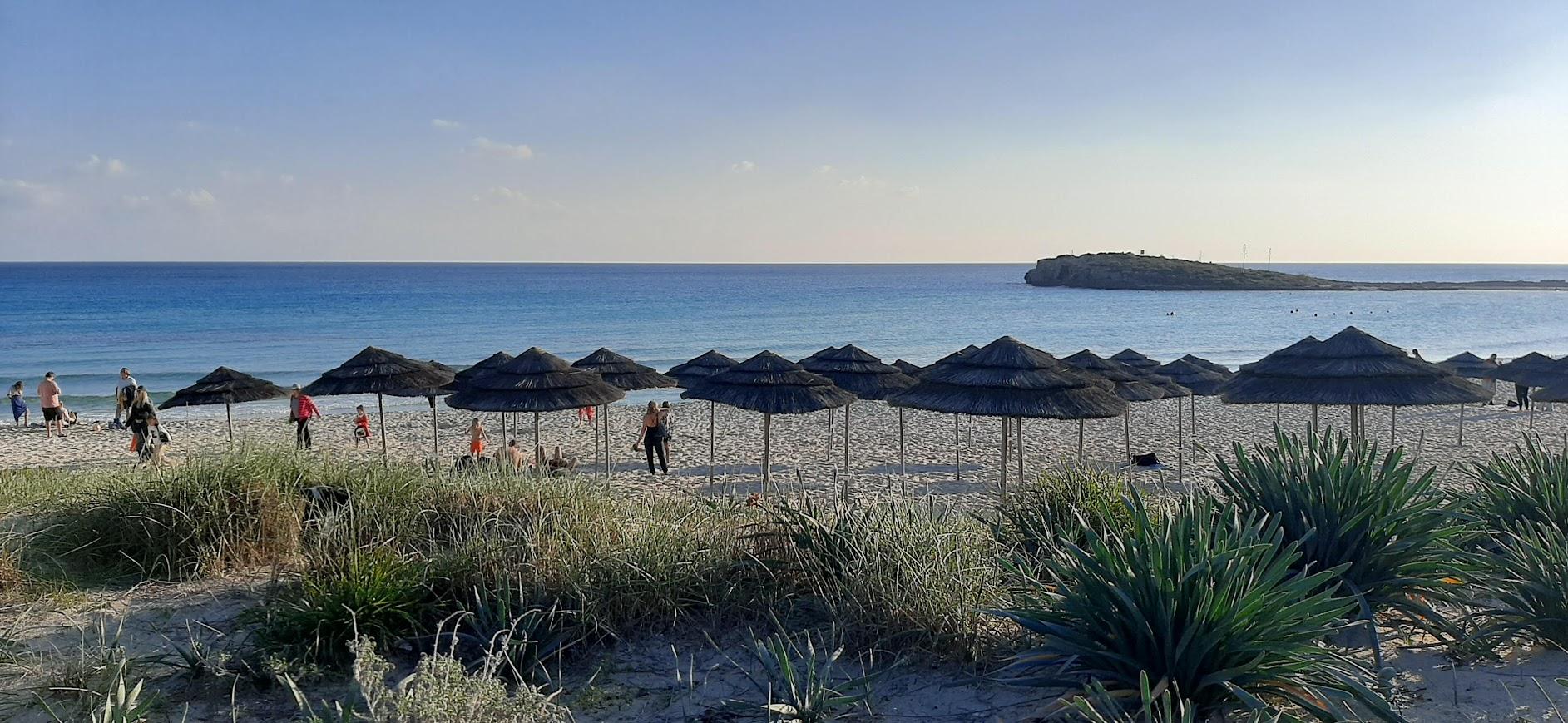
Ayia Napa and Protaras are well known for their beautiful beaches and developed tourist infrastructure. Although these towns are more tourist-oriented, they also offer comfortable conditions for permanent residence. In winter they are particularly atmospheric, beautiful and peaceful, while in summer they are very lively, especially around the touristy streets and hotels.
- Safety. The crime rate is low (25 per thousand inhabitants), but it can be noisy in the summer because of the tourists, so it is better to be careful.
- Work. Seasonal work in tourism (1.2-1.8 thousand euros), especially in bars, restaurants, for women suitable positions in the hospitality industry. And if you want to work remotely, the region is ideal.
- Healthcare. And there's a gap here. Basic clinics such as the Napa Olympic Private Hospital, services from 40 euros, for complex cases go to Larnaca or Nicosia.
- Education. Limited, as there is only one international school in the area (from 6,000 euros a year), better for families with children - Larnaca or Paphos. Many people from Protaras travel to Larnaca to study. Classes in Cyprus start at around 7.30 a.m., so it is worth soberly calculating your strength.
- Leisure. The best beaches with white sand and turquoise water, water sports, nightclubs (seasonal), amusement park and, from April, WaterWorld Ayia Napa water park will keep you entertained.
- Cost of living. In summer, rent is 900-1,200 euros, in winter - 500-700 euros, food and transport - 400-500 euros. Seasonality affects prices.
- Social environment. According to the European Institute for Gender Equality, a friendly community for tourists, but for permanent residence is limited to female communities.
- Transportation. Buses (from 1.5 euros), regular, but seasonality can affect timetables.
How to choose the perfect city?
If career and dynamism are important to you, Limassol is probably the city for you. If you are looking for tranquillity and fantastic sunsets, Paphos is for you. Larnaca is for those looking for balance. Nicosia is for the ambitious. And Ayia Napa and Protaras are for those who can't live without the azure sea. The choice is yours, because in Cyprus every person will find their spot under the sun!

Read also: