Ah, holidays! Who doesn’t love them? Especially if you live in Cyprus, where the atmosphere itself seems infused with the desire to celebrate. Here, even an ordinary day off is already a small reason for joy. Cypriots know better than anyone how to relax, so even Monday stops feeling heavy.
Let’s take a look at the calendar and see which weekends and public holidays await us in 2026 on this sunny island. And at the same time, let’s find out what usually happens on these days in Cyprus. It’s going to be interesting!
In 2026, Cyprus residents will have the opportunity to enjoy five long weekends! This is thanks to several holidays conveniently falling on weekdays and creating extended breaks:
- 6–8 March
- 10–13 April
- 1–3 May
- 5–7 June
- 25–27 December
There is a small downside, though. Two holidays fall on Saturday and Sunday — the Dormition of the Virgin Mary and Easter. Unfortunately, Cyprus does not shift public holidays if they coincide with a weekend.
But Cypriot schoolchildren will enjoy the longest breaks in 2026. In addition to the holidays listed above, they will also have days off on:
- 30 January – Knowledge Day (a church holiday honoring the Three Hierarchs)
- 11 June – Feast Day of Apostle Barnabas, the patron saint of Cyprus
- 13 June – Feast of the Ascension, as well as the celebration day of the patron saint of the town or village where the school is located.

1 January — New Year’s Day
New Year in Cyprus is a blend of familiar European traditions and unique local customs. The main figure of the holiday on the island isn’t Santa Claus, but Saint Basil, known to Cypriots as Ayios Vasilios. He also visits children and brings them gifts. So, if a child has behaved well, there’s a good chance they’ll find something nice under the Christmas tree (or under a palm tree — it depends!).
On New Year’s Eve, Cypriots don’t rush to watch TV specials while munching on Olivier salad. Instead, they make Vasilopita — a sweet pie with a coin baked inside for luck. Whoever finds the lucky coin is believed to have good fortune throughout the year.
The morning of January 1st in Cyprus is always calm, almost meditative. Cypriots drink coffee, eat sweets, and visit relatives. They simply enjoy the beginning of the new year under the warm sun. Nobody is in a hurry; everything is done slowly and with pleasure. It’s like a reset after the holiday bustle. A pretty good way to start the year, isn’t it?
6 January — Epiphany (Fota)
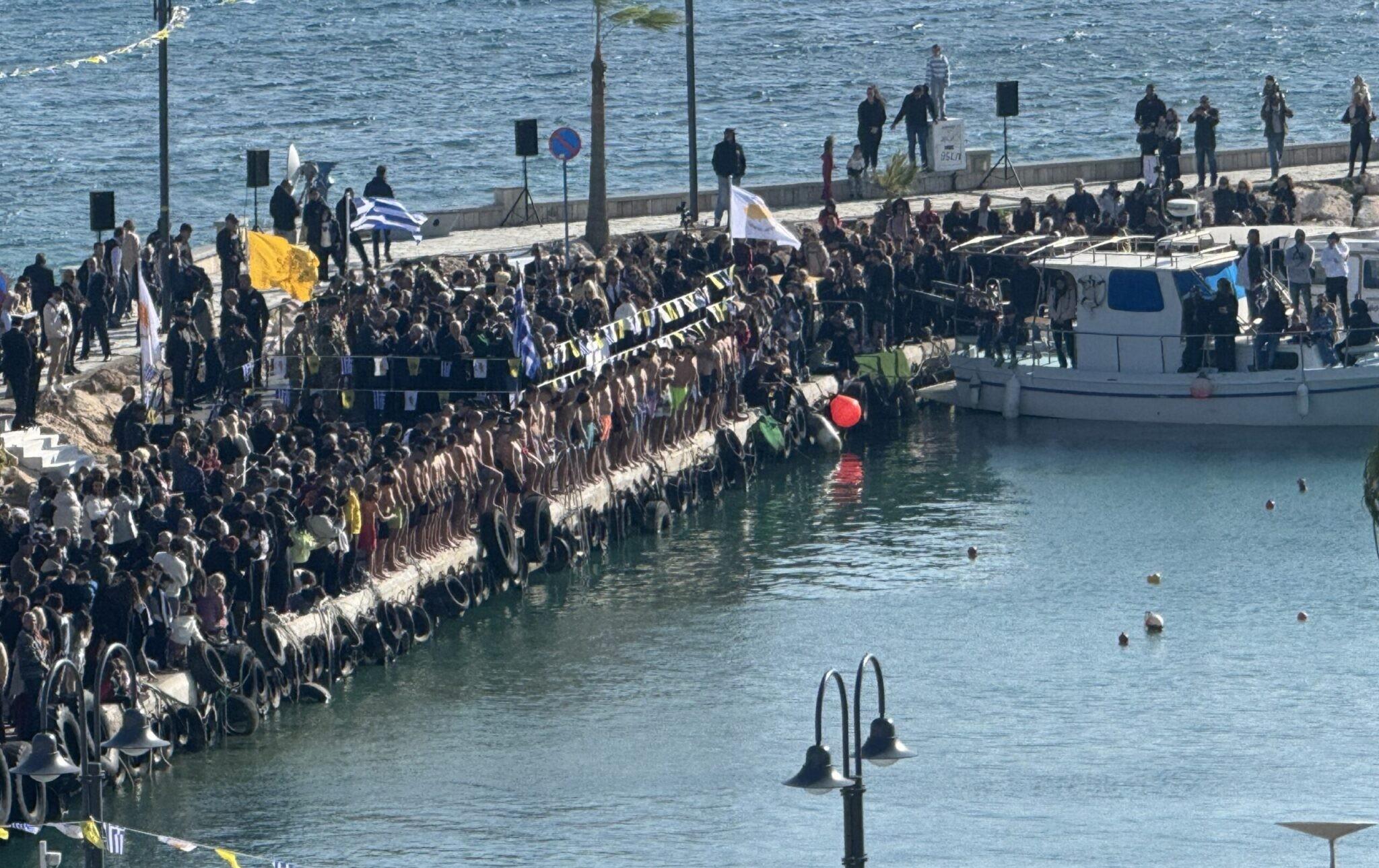
This holiday is one of the most exciting winter events in Cyprus. Traditionally, morning church services are followed by a procession to the sea. It’s a spectacular sight! When everyone gathers by the water, the priest appears. He recites a prayer and then throws a cross into the sea.
And that’s when the real action begins! The bravest young men dive into the icy water, racing to retrieve the cross first. It’s a true competition — each one wants to prove his strength and faith. The one who emerges with the cross in his hands becomes the hero of the day! It is believed that he will enjoy good fortune and blessings for the entire year. Everyone congratulates him and celebrates with him.
Around this, a festive atmosphere fills the air: hundreds of spectators watch the event, church hymns are sung along the shore, and the smells of sea salt, incense, and fragrant Cypriot coffee from nearby cafés mix in the breeze.Epiphany in Cyprus isn’t just a religious ritual — it’s a celebration of spirit, offering a sea of positive emotions and unforgettable impressions. If you’re in Cyprus in January, make sure to attend this event. You won’t regret it!
6 March — Green Monday
Cyprus is an island of contrasts! Here, the beginning of Lent intertwines in a surprising way with one of the warmest, most family-oriented holidays — Green Monday. On this day, Cypriots leave their homes en masse and head out into nature for a picnic! Some escape to the cool Troodos Mountains, where the air is filled with the scent of pine; others choose shady parks, while many go straight to the sea, setting up blankets right on the beach. Joy flows like a river, laughter echoes everywhere, and the air is filled with the mouthwatering aroma of grilled octopus and fresh fish.
And what is a picnic without food? Tables overflow with Lenten dishes that are far from boring: tahini — a thick sesame paste; olives of all kinds and sizes, from small wrinkled ones to large fleshy ones; rustic salad generously drizzled with olive oil; and, of course, freshly baked Lagana, a special bread made only for this day. Lagana is a flat sesame loaf — incredibly tasty and aromatic.
But the highlight of the celebration, the thing that makes this day truly magical, is flying kites! It’s impossible to put into words the feeling you get when you look up at the sky scattered with dozens, even hundreds of brightly colored kites soaring in the blue air. They spin, dance, and race one another, while you stand there with your head tilted back, feeling like a child again, genuinely delighted by this colorful spectacle.
Green Monday in Cyprus is a holiday of the soul, a celebration of family and spring! It’s a day when you forget all your worries and simply enjoy the moment.

25 March — Greek Independence Day
25 March is a very special date in Cyprus. And it’s not only because Greeks and Cypriots are extremely close peoples — the essence of the day itself matters. On 25 March 1821, the Greeks raised the banner of revolution against Ottoman rule. Yes, the struggle lasted a full ten years, but this date became the symbol of their aspiration for freedom. Interestingly, neither Greeks nor Cypriots celebrate the day of victory — they honor the day the journey toward it began. They have their own way of viewing such things!
It’s a day of remembrance for the heroes who gave their lives for freedom. For Cypriots, 25 March is more than just an anniversary. It is a symbol of unity with Greece, a tribute to shared history and culture. It’s a day when everyone feels part of something greater, significant, and deeply meaningful.
If you happen to be in Cyprus on 25 March, be prepared for many establishments to be closed — it’s a public holiday. But don’t be disappointed! It’s a wonderful opportunity to dive into the atmosphere of Cypriot culture, see colorful parades, attend local events, and feel the pride and patriotism that fill Cypriot hearts on this meaningful day. Just remember: this is a day for honoring tradition, expressing gratitude for hard-won freedom, and keeping faith alive.
1 April — Day of the Start of the National Liberation Struggle Against British Colonial Rule
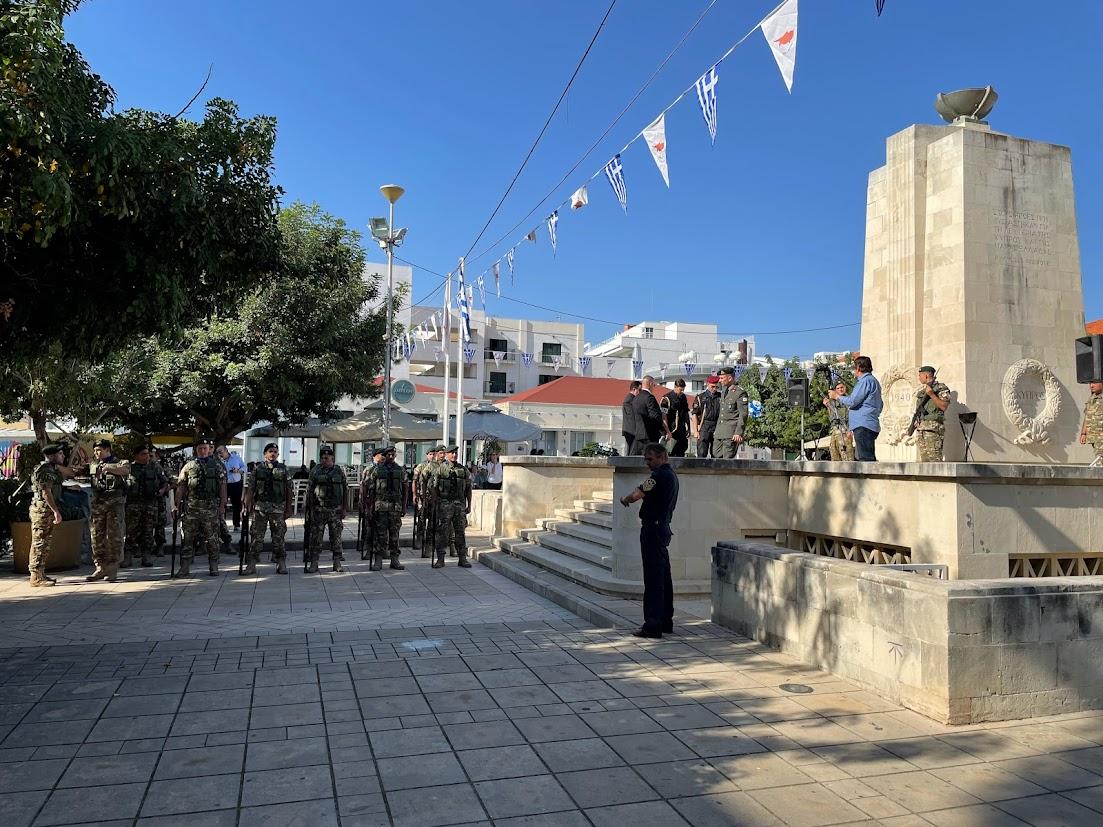
On this day, Cyprus commemorates the beginning of EOKA’s struggle for independence. On the night of April 1, 1955, the resistance fighters struck British targets for the very first time. They simultaneously attacked four important locations.
In Nicosia, Markos Drakos targeted the radio station.
In Larnaca, the fighters attacked the police station, the town hall, the courthouse, the home of the chief of police, and the home of the Turkish commissioner.
In Limassol, a bomb exploded near the police station in the Agios Ioannis area.
In Famagusta, Grigoris Afxentiou blew up a storage facility and a fuel tank.
Cyprus gained its freedom only in 1960.
Every year on April 1, people bring flowers to the graves and monuments of those who gave their lives for a free Cyprus. Schools hold ceremonial assemblies, and many towns host commemorative events. It’s a meaningful day to learn more about the island’s history.
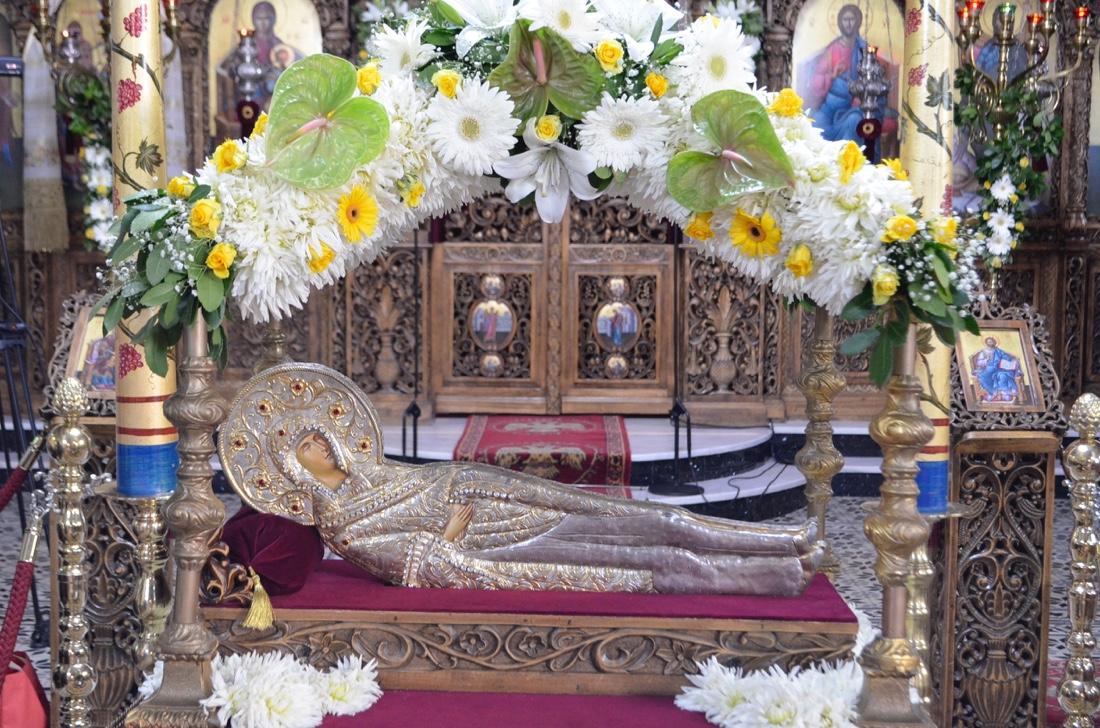
10 April — Good Friday
One of the most emotional and significant days of the Christian calendar. In the evening, processions with the Epitaphios take place through towns and villages across Cyprus. Even if you are far from religion, witnessing such a ceremony at least once in your life is something truly special. It’s hard to put into words the mesmerizing atmosphere.
In Christian tradition, Good Friday is a day of mourning. On this day, everyone remembers the death of Christ. It is the time of the strictest fasting, when people try to limit food and entertainment. In Cyprus almost no one works on this day. Everyone is preparing for Easter, the bright and joyful holiday. Families gather, prepare traditional dishes, and dye eggs. So even if you are just a tourist on the island at this time, you will feel this unique atmosphere of preparation and anticipation.
11 April — Holy Saturday
A day of waiting for the joyful celebration. Families prepare for the night service, and in the evening the main miracle begins. Churches are plunged into darkness. Complete silence — and then, suddenly, little lights appear. People reverently light their candles from the Holy Fire. This flame is a symbol of hope, faith, and renewal.
At that moment it feels as though the whole island is transformed. It seems to glow from within, illuminated by hundreds of tiny flames. It is an incredible sight that touches the soul. You literally get goosebumps.
It is a moment when faith feels almost tangible — when you feel united with others, with history, with something greater than yourself. Holy Saturday is not just the day before a holiday. It is a day filled with deep meaning and the expectation of a miracle. And that miracle truly happens every year, again and again.
12 April — Orthodox Easter (Pascha)
The biggest celebration of the year in Cyprus — grand, family-oriented, and wonderfully warm. On the night leading into Sunday, the traditional lambradjia bonfires are lit. In the morning, families gather around a large festive table, and the air is filled with the aroma of grilled meat mixed with the scent of fresh pastries. It’s impossible to resist!
Children play the traditional egg-cracking game, and laughter rings everywhere, creating an atmosphere of carefree joy. In the evening, the sky explodes with fireworks that take your breath away. The loud pops and bright flashes light up people’s faces, giving a sense of wonder.
On this day people become more open and welcoming, ready to share their happiness with everyone around. It’s a time when the boundaries between strangers and friends fade, when you feel like part of something bigger — one big, warm Cypriot family.
13 April — Easter Monday
In Cyprus, right after Easter, the celebrations continue in full force! Many cultural centres host free concerts, and villages organize festivals with traditional games.
There is also an interesting detail: the first day after Easter — Monday — is a public holiday for absolutely everyone. Everything is closed! No grocery stores, no offices… and banks don’t reopen until Tuesday.
It’s a day when Cypriots truly switch off from work and devote time to family, friends, and simply themselves. Such are the Cypriot traditions!
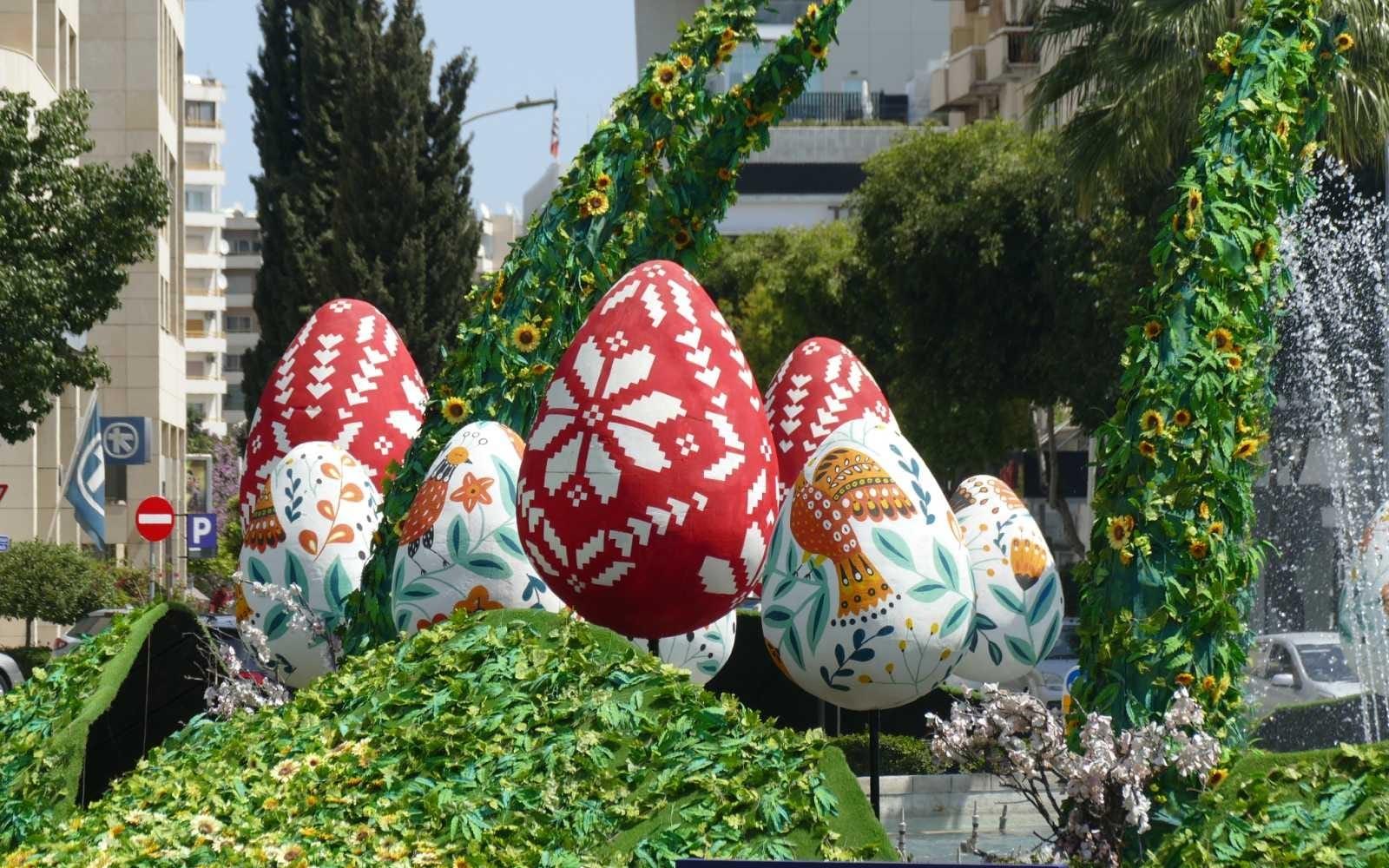
1 May — Labour Day and Spring Festival
1 May Day in Cyprus is not just a date on the calendar — it’s a genuine folk holiday, a little island of serenity amid everyday life. Around the world this day is celebrated as International Workers’ Solidarity Day, when people take to the streets with signs to speak up for their rights. But in Cyprus, things are a bit different.
On the island, May Day is above all an extra day off — an opportunity to shake off the routine of the workweek and devote time to oneself and loved ones. Some head to the mountains for a picnic, enjoying the fresh air and scenic landscapes. Others prefer to spend the day at the beach, basking under the gentle sun and listening to the sound of the waves. And some simply stay home to do something they love or spend time with family.
Interestingly, the traditional May Day parades and demonstrations do not take place in Cyprus. It seems Cypriots believe the best way to celebrate this day is simply to rest and enjoy life. But this doesn’t mean the holiday goes unnoticed. On the contrary — throughout the island, festivities, fairs, and concerts take place. In every town and village, entertainment events are organized where you can try local delicacies, listen to live music, and dance your heart out.
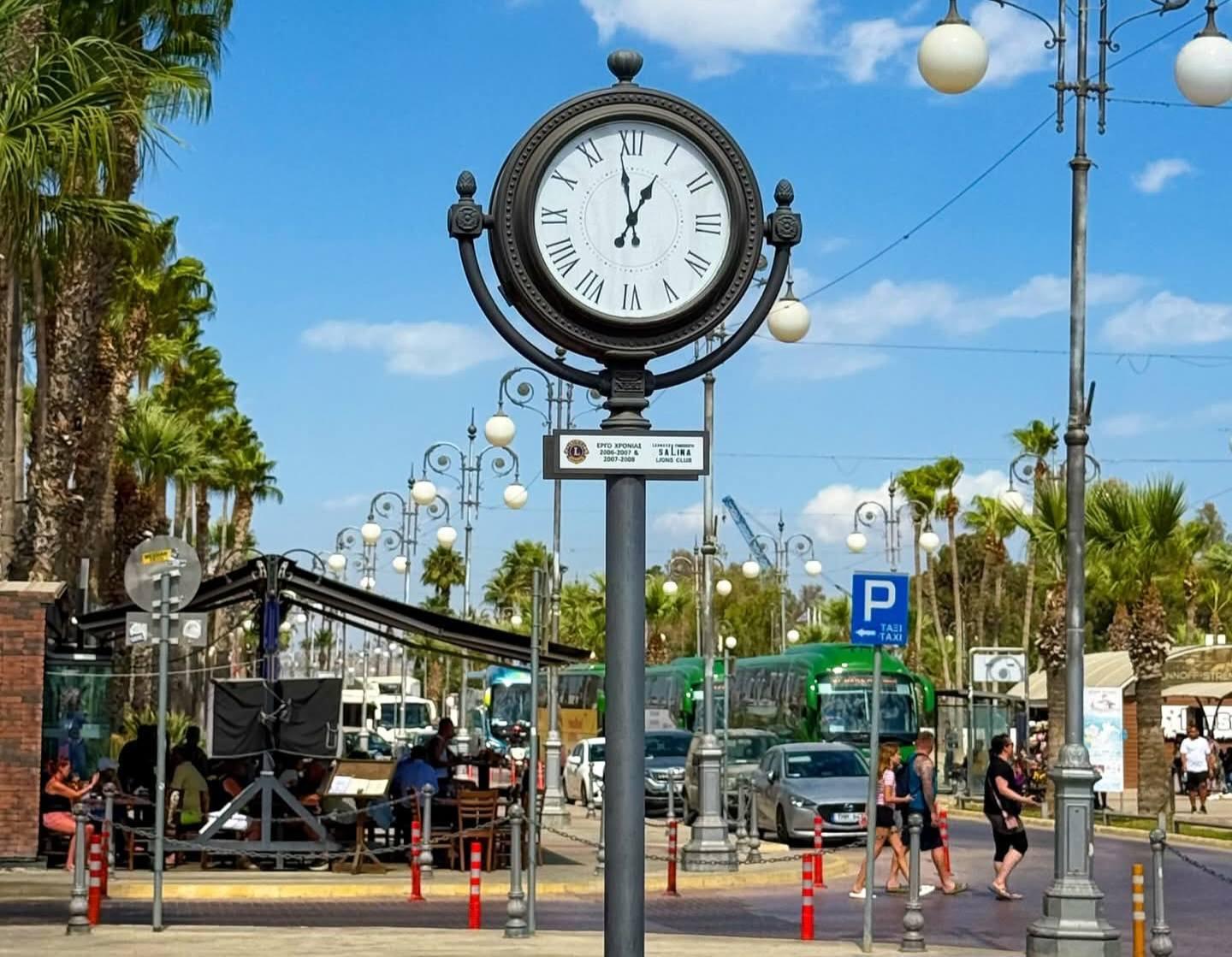
5 June — Holy Spirit Day (Kataklysmos / Festival of the Flood)
Kataklysmos is a mix of religious rituals and… water fun! The holiday has roots in the Biblical story of Noah and the Great Flood. But don’t think it’s a solemn or sad event — quite the opposite! It is a burst of colour, sound, and tradition. And the most fun part? Water games. You might get splashed with water for no reason at all — “because it’s Kataklysmos!”
Across Cyprus, from large cities to tiny villages, Kataklysmos is celebrated on a grand scale. Imagine: everywhere there are festivities where songs flow freely, feet dance on their own, and folk groups showcase their talent.
The coastal towns are especially loud and lively. They host large fairs where you can buy anything your heart desires — from local delicacies to handmade crafts. Sports lovers won’t be bored either: there are competitions in all kinds of water sports, and the highlight is the traditional regatta. There are also fun swimming competitions with well-earned prizes for the winners.
But the most exciting part begins in the evening. When the sun sets, the towns transform into sparkling fairy-tale realms. Fireworks soar into the sky, painting the night in every colour of the rainbow.

15 August — Dormition of the Virgin Mary
One of the most important religious holidays in Cyprus. The veneration of the Virgin Mary is a deep-rooted tradition in Orthodox countries, and Cyprus is no exception. That’s why this day is an official public holiday.
The morning begins with solemn church services across the island. People gather to offer prayers and honour the memory of the Virgin Mary. After the liturgy, a procession begins — a colourful parade moving through the streets of towns and villages. At the front they carry icons, followed by priests in golden vestments, and behind them crowds of believers holding lit candles.
But the celebration doesn’t end there. When the official part is over, the real festivity begins! Town squares and parks host lively gatherings with music, dancing, and of course, abundant food. The star of the table is stuffed lamb, cooked over an open fire — incredibly delicious! And naturally, local wine flows freely. People sing, dance, laugh, enjoy life, and cherish being together.
For many Cypriots, August is also vacation time. They spend it with their families — at the sea or in the mountains. But on the feast dedicated to the Virgin Mary, everyone takes part in the celebrations. It’s a day when they feel part of something greater, when unity with their culture and traditions becomes especially tangible. It’s a time to strengthen faith, express love and generosity, and create unforgettable moments that will warm the soul on long winter evenings.
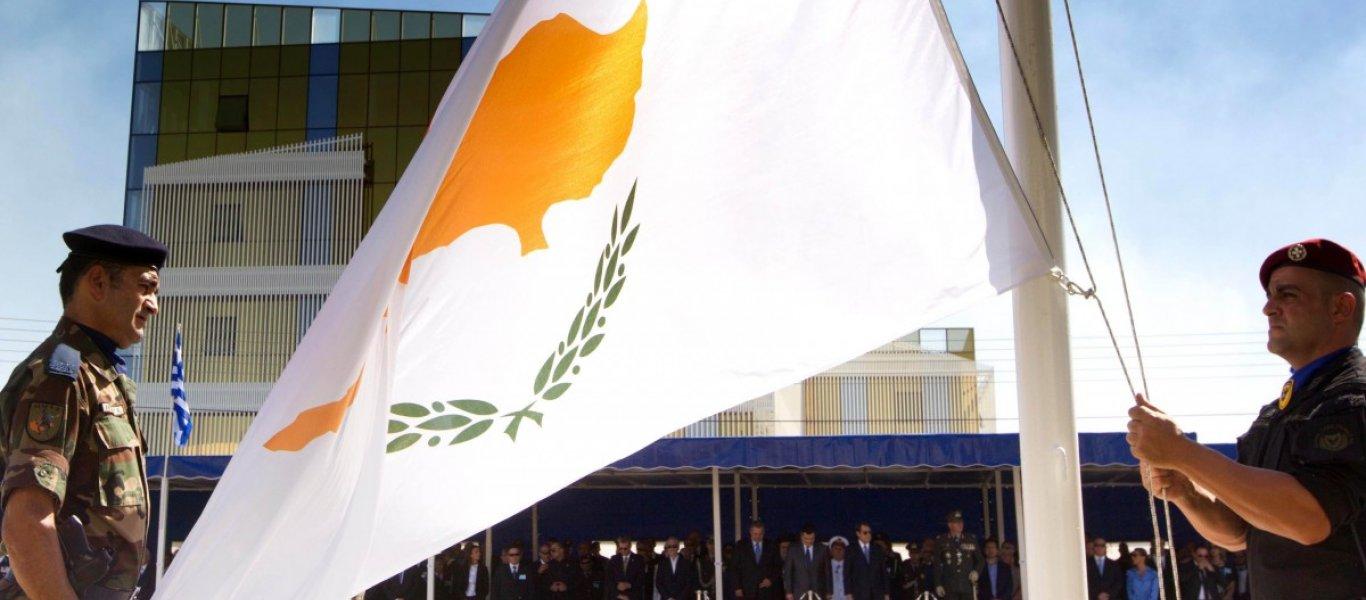
1 October — Cyprus Independence Day
The official anniversary of the island’s independence. The date itself is not historically precise — it was chosen mostly for convenience. Cypriots wanted to celebrate their most important national holiday in pleasant weather rather than during the peak of summer heat.
In reality, Cyprus became an independent state on 16 August 1960. And if you dig even deeper, the decision establishing that independence was made on 19 February 1959. History can be tricky like that.
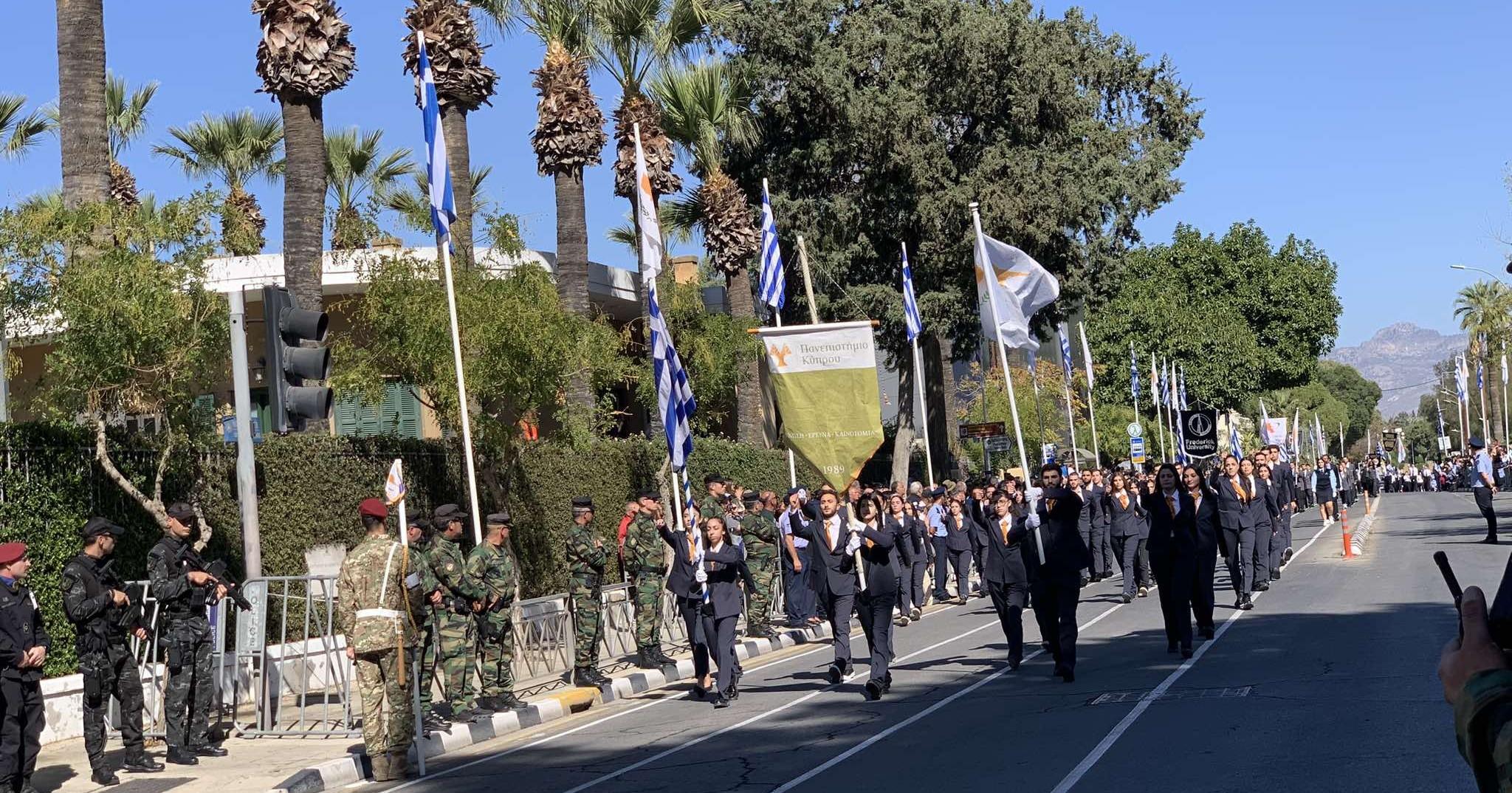
1 October is a public holiday in Cyprus. This means all government offices, banks, most private businesses, shops, and pharmacies are closed. Buses run on a holiday schedule. A military parade is usually held to mark the occasion.
So if you ever find yourself in Cyprus on 1 October, don’t forget to congratulate the locals on Independence Day — they’ll appreciate it.
28 October — “Ohi Day”
28 October 1940 — the day when the small but proud nation of Greece said a firm “no” to fascist Italy. Imagine this: Mussolini, intoxicated by his own ambitions, demands that Greek Prime Minister Ioannis Metaxas allow Italian troops free passage through Greek land and grant access to ports and airfields for Italy’s African campaigns. The demands were brazen and humiliating. And what did Metaxas do? He simply said Ohi! (No!).
This “no” thundered like a bolt from the blue. It marked the beginning of the Greco-Italian War — a war in which tiny David challenged mighty Goliath. That “no” became a symbol of the Greek spirit — unbroken, proud, and willing to fight for freedom to the very end.
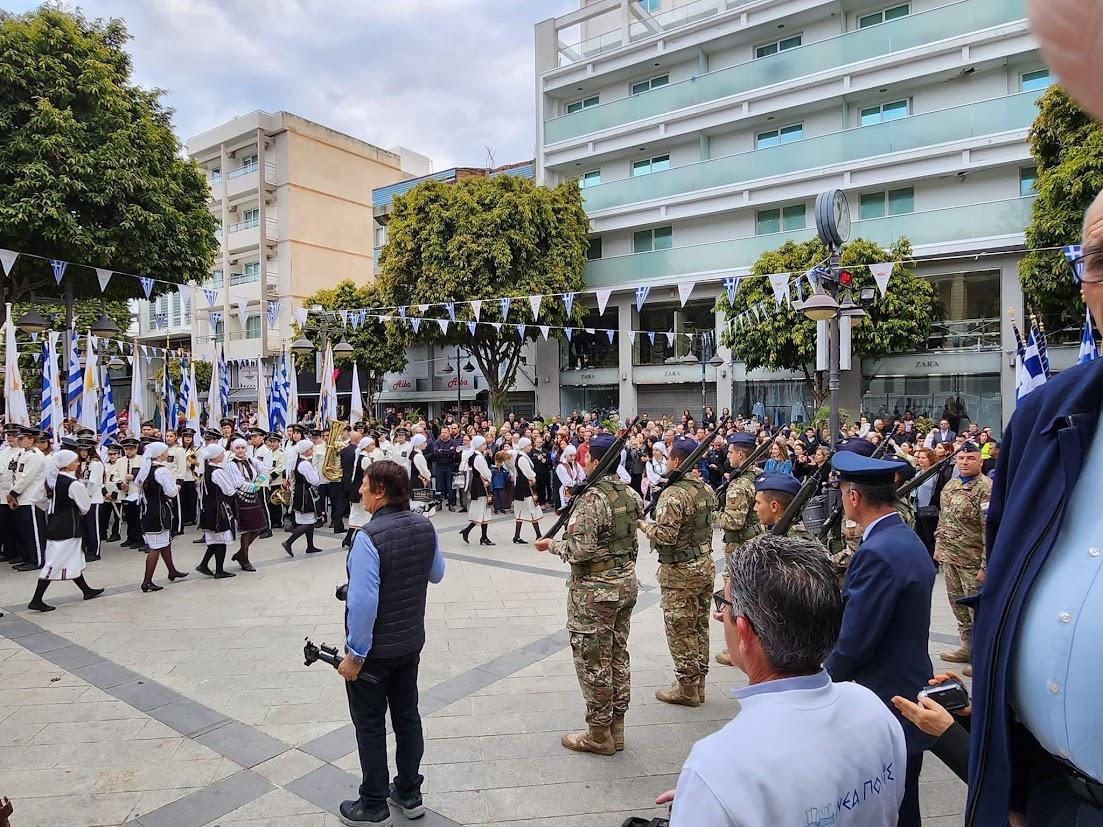
Every year on 28 October, Greeks celebrate Ohi Day — the Day of “No.” Parades and processions take place across the country. The celebration is especially lively in Cyprus, particularly in Nicosia and Limassol. Everywhere you look, Greek flags flap in the wind — bright blue and white, proudly soaring above the crowds. People fill the streets, singing songs and dancing. On this day, the atmosphere of unity and national pride is almost tangible.
Schools and universities host commemorative events, recounting the heroism of Greek soldiers and the courage of ordinary people who stood up to defend their homeland. Ohi Day is not just a holiday. It is a reminder that even the smallest nation can stand against the largest empire if it possesses willpower and belief in itself. It is a day when the Greek spirit shines its brightest, reminding the world of the value of freedom and independence.
25 December — Christmas
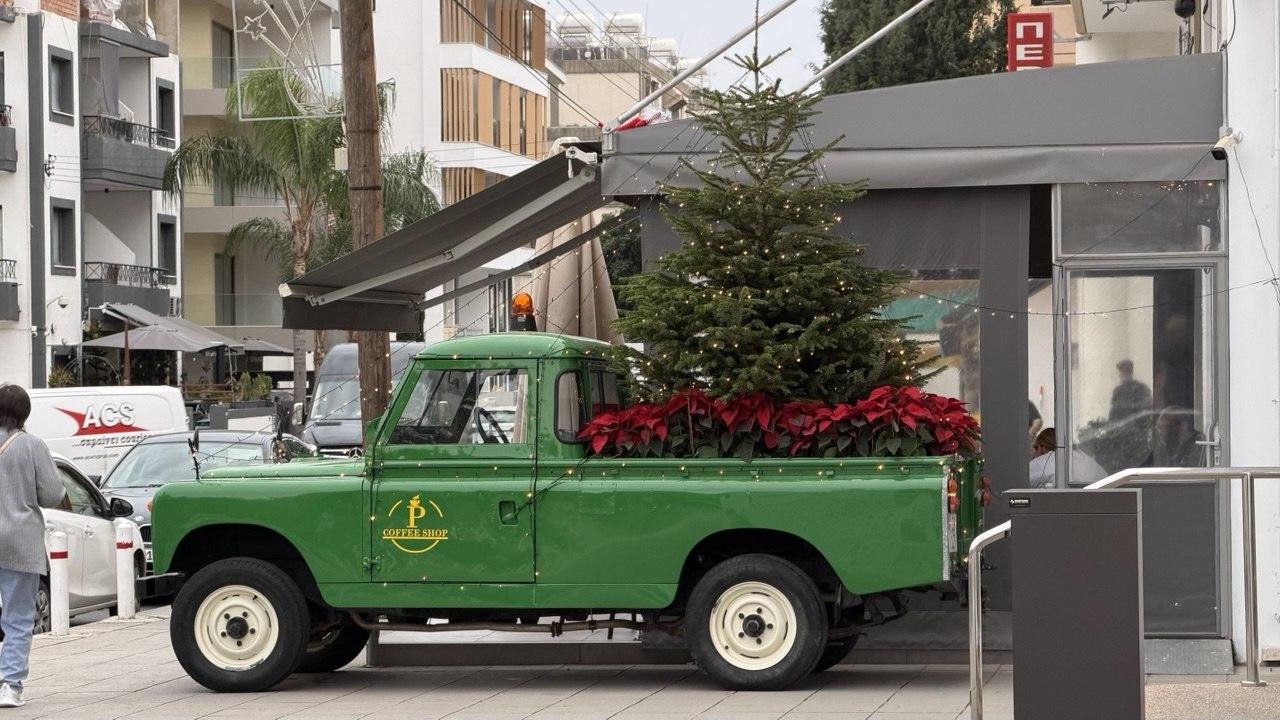
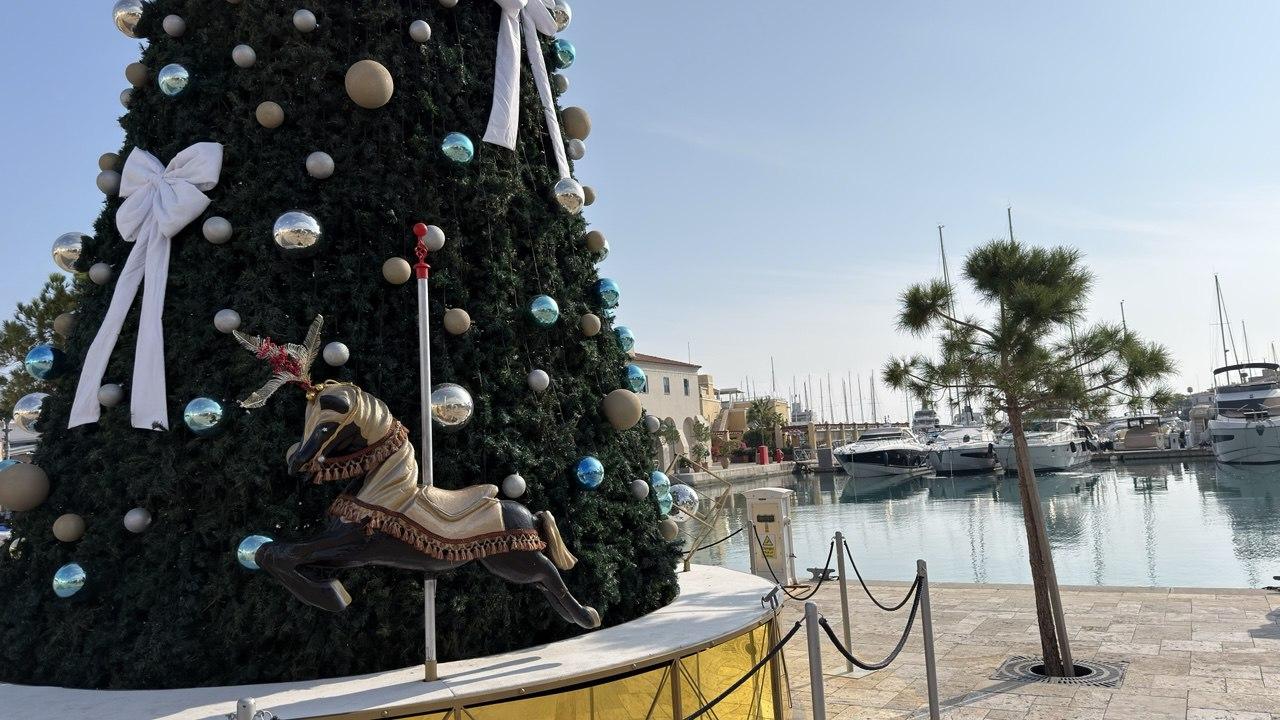
Cyprus is full of surprises — absolutely! You might expect that, since Cypriots are Orthodox, they would celebrate Christmas on the Orthodox date. But no — Christmas in Cyprus is celebrated according to the Catholic calendar, on 25 December. Just like that! And this is only the beginning of the Christmas magic.
In addition to Christmas trees, people decorate… ships! Can you imagine how beautiful they look lit up at night? On Christmas Eve, the streets come alive with joy. Children armed with musical triangles run from house to house singing carols. And trust me — nobody goes home empty-handed! Cypriots are incredibly generous, especially at Christmas.
And the food! Oh, entire poems could be written about it! Every family bakes christopsomo — a traditional Christmas bread. And then there are kourabiedes — crumbly cookies that melt in your mouth. They prepare so much of it all that you’d think it would last for a whole year! The aroma that fills the island is indescribable — the air is scented with cinnamon and roasted nuts, and the mood becomes so festive that you feel like wearing a sweater even when it’s +18°C.
So if you happen to be in Cyprus in December, get ready for a true feast and a wave of good cheer. This isn’t just Christmas — this is Cypriot Christmas!
2026 in Cyprus is a sequence of bright, atmospheric, and heartwarming days when life slows down and family, tradition, and rest come to the forefront.
Every holiday is not just a date in the calendar — it is a small story that repeats year after year, bringing people together.
Cypriot holidays constantly remind us of what truly matters: that you can always find a moment to pause, breathe in the sea air (it’s absolutely amazing here!), and simply enjoy the present. That’s what life is all about, isn’t it?
Wishing you wonderful holidays and a magical 2026!
Read also:
- Christmas and New Year in Cyprus — where to go and what to do
- A selection of festive events taking place in Cyprus over the upcoming weekend
- Winter in Cyprus — does it snow and how cold does it get?
- How to obtain a driving licence in Cyprus — a complete guide
- Where to go in Cyprus in December: list of interesting events