Located at the crossroads of ancient civilizations: Europe, Africa and the Middle East, Cyprus has absorbed a variety of culinary traditions and influences. Aromatic oriental flavours and spices blend with rustic simplicity of village ingredients.
Local desserts are not only a reflection of the island's rich food culture, they are also a window into the island's history and customs.
Today we shall delve into the fascinating world of Cypriot desserts. This guide will help you confidently navigate through a plethora of endless choices. Let's get into it!
Syrupy and fried delights
They are probably the most recognisable Cyprus sweets as their delicious scent accompanies every local feast and fair and their scrumptious goodness makes even an ordinary day a tad brighter.
Loukoumades
What they are and key flavours
Crunchy on the outside and soft and fluffy on the inside, these Cypriot doughnuts are more than just fried pieces of dough. First, they get fried to crispy perfection, then infused with a syrup that usually consists of rose water, honey and some cinnamon. Another traditional local variation is carob syrup, otherwise known in Cyprus as the «black gold». They might not have fancy toppings as their western counterparts, but this simplicity is not boring — it's actually what makes all the flavours shine.
Cultural context and pro tips
This ubiquitously Cypriot dessert is an inseparable companion of the local fairs and church feasts, known as «pangyria». These simple and delicious treats are usually associated with outdoor fun, family activities and large gatherings. To enjoy loukoumades you must have them whilst they are hot and crispy. Once they cool, loukoumades tend to get soggy. The general rule of thumb is to have them within the first 10—15 min. That's why locals usually enjoy them on the go from a paper bag or a paper plate. To best savour loukoumades, just pop one in your mouth and get the explosion of flavours of rose, cinnamon and honey.

Cypriot Baklava
What makes it unique
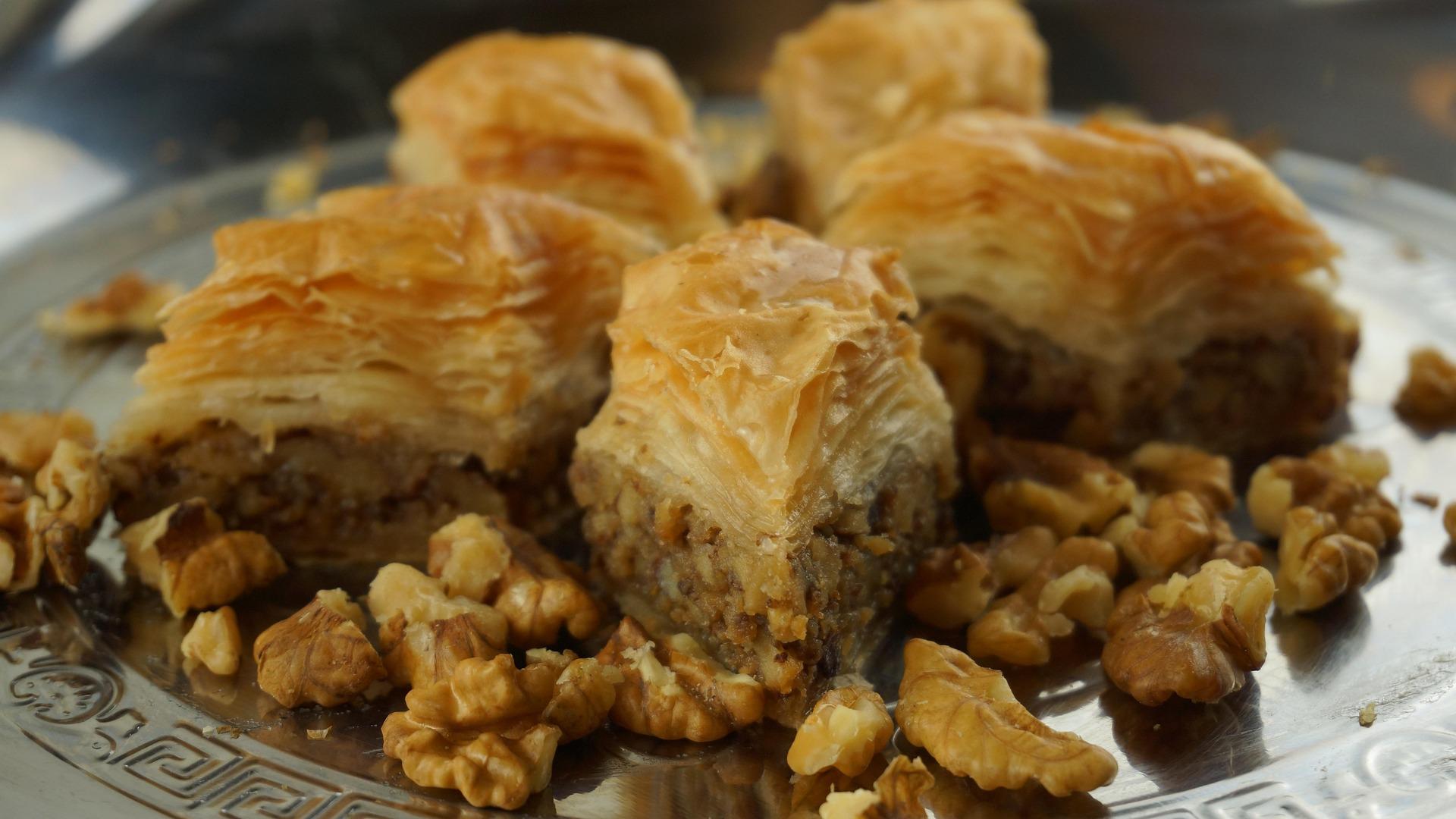
Being at the crossroads of baklava-making nations of the Middle East and Greece, Cyprus prides itself on developing its own unique Baklava recipe. Cypriot Baklava can be described as a perfect blend of textures, sweetness and flavours.
Thin pieces of filo, soaked in butter and syrup, are interlayered with chopped nuts. Compared to the Lebanese version, where the fine pistachio paste is usually used, the Cypriot recipe uses almonds, and, sometimes, walnuts, that are coarsely chopped, which helps to add a nice crunchy texture to the sweet.
As opposed to the Middle Eastern versions with many fragrant flavours and spices, a Cypriot Baklava is more restrained but balanced. It's usually flavoured with a dash of lemon, honey, cinnamon and cloves.
Serving tradition
Cut in small diamond shaped pieces, Baklava is usually served at family gatherings and to guests. It is a sign of hospitality, rather than a full-scale dessert. Offered to guests on its own right, or after a large meal, traditionally accompanied by a strong Cypriot coffee, Baklava is served at room temperature on a small plate without any additional toppings.
Daktila— ladies’s fingers
What they are and key flavours
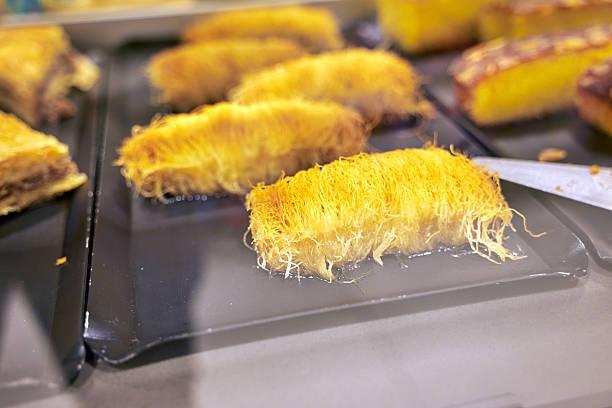
Essentially, daktila are rolls of filo pastry filled with nut paste and baked until golden brown and then soaked in syrup. Crispy on the outside and filled with chopped nuts, usually almonds, on the inside, they are characterised by nutty, buttery flavours with hints of honey and cinnamon. Not too sweet or overpowering, they are perfect as an accompaniment for the traditional Cypriot coffee.
Why they are called «ladies’ fingers»
Daktila, translated from Greek as «ladies’s fingers», got their name because of their slender shape reminiscent of a finger.
Traditionally, daktila are considered a «refined» sweet for formal occasions, such as weddings, christenings etc. Thanks to their neat shape, beautiful presentation and convenience, daktila has always been considered the perfect «finger food» for Cypriot functions or events.
Pishies — village fried pastries
What they are and key flavours
Usually made at home, pishies are deep-fried pieces of dough, sprinkled with powdered sugar or brushed with honey syrup, or just plain for a more savoury version. Pishies come in different shapes — disks, spirals or twists, depending on the inspiration of the maker.
The taste of simplicity
Their simple rustic flavour makes them a common staple for most Cypriots. Whilst they can also be found at the fairs, quite often pishies are made at home for a quick and simple desert for the family, or a last-minute treat for unexpected guests. Not too sweet or overly flavoured, pishies are an epitome of Cyprus rural life — simple ingredients and natural goodness.
Kattimerka
What they are and key flavours
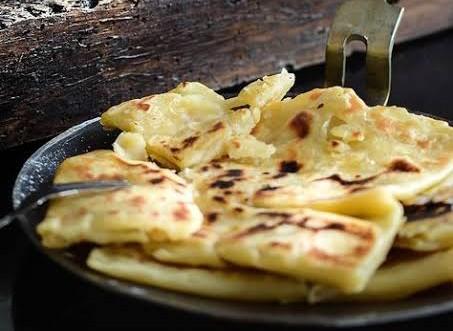
Kattimerka is yet another popular homemade Cypriot sweet. Small bite-size triangular or rectangular sheets of pastry cooked on a cast iron pan. Typically, they are cooked until brown and brushed with some syrup or honey. Crispy on the outside and delicately soft on the inside, kattimerka has light sweetness with a buttery flavour with a hint of cinnamon.
A versatile treat
This dessert’s Cypriot name, «kattimerka», can be loosely translated as a «daily sweet», perfectly describing its role in a Cypriot household. Being less «formal» compared to Baklava and daktila, kattimerka is perfect not only as an everyday treat for the family, but also as a sweet for feasts and other occasions. It's quite versatile and easy to make and the sweetness level can be adjusted according to taste.
Pastries, pies and cheese sweets
Cypriot pastries and dairy sweets are a whole universe of unique textures, forms and flavours — all blending in harmony. From surprisingly lush and decadent to unusual seasonal specialties, each of them is more than just a dessert — it's an encyclopaedia of local history and traditions.
Pourekia
What they are and key flavours
Pourekia is a crescent shaped filo pastry filled with anari cheese and cinnamon, deep fried and then sprinkled with powdered sugar. It has always been associated with local feasts and church celebrations, weddings and christenings, being especially popular during Easter. But today, it's possible to find it in many local taverns and sweet shops.
A tale of two textures
Crispy filo and powdered sugar compliment perfectly the delicate softness and gentle sweetness of anari, whilst the rose and cinnamon flavours tie it all together. As a variation, pourekia may also be filled with vanilla custard, revealing its lusciously sweet creamy centre at first bite.
Flaounes
What they are and key flavours
Flaounes are semi sweet and savoury Easter buns, made with a combination of halloumi and anari, and, sometimes with a dash of kefalotiri cheese. Typically the cheese is grated and incorporated into the dough mixture together with eggs, raisins and dried mint, which results in an unusual combination of sweet and savoury flavours. Generally, flaounes, baked in the traditional wood-fired oven, are the best as they absorb the smoky flavour and scent of the wood.
The scent of Cypriot Easter
The uniquely rich scent of flaounes, infused with sweet raisins, cheese and mint, and, sometimes mahlep, is synonymous with Cyprus Easter. In fact, making flaounes before Easter is a traditional pastime for every Cypriot household, when the whole family gathers together and participates. Even every ingredient has a symbolic meaning: eggs are symbolic of Easter and resurrection, cheese symbolises abundance and mint — springtime and a new beginning. And, for those who have been fasting, flaouna is a deliciously nutritious way to get into the festive menu.

Galatopoureko
What it is and key flavours
With its crispy filo pastry and sweet milky centre, Galatopoureko is one of the most loved Cypriot sweets. Traditionally it has been served for weddings, family gatherings and big celebrations, being especially popular during Cheesefare week before Lent.
The fillo sheets are placed on top and the bottom of a special custard cream, made out of egg, semolina, milk, vanilla and sugar. It is then baked in the oven until crispy and moistened with sweet syrup, flavoured with lemon and cinnamon.
Cypriot vs Greek version
Both countries claim galatopoureko as their own. However, compared to the Greek version with softer custard cream, the Cypriot one has a firmer milk filling, which is perfect for cutting. Also, Cypriot filo ends up much crispier and the syrup is usually less sweet compared to the Greek one. As a local twist, Cypriots add a dash of orange blossom water to the syrup for extra flavour.

Shiamishi
What it is and key flavours
Shiamishi are deep-fried rectangular fillo pockets filled with milky semolina cream and sprinkled with powdered sugar on top. Quite often they add orange blossom water or a dash of mastic resin for an authentic local flavour. Shiamishi is moderately sweet, especially when it doesn't contain too much sugar coating.
A carnival favourite
Being especially popular during «pangirya» — national fairs during big celebrations and religious feasts, shiamishi are traditionally associated with fun, laughter, music and big crowds. It's not surprising that during the famous «Apokries» carnival, just before Lent, shiamishi is the most popular treat.
Kourabiedes
What they are and key flavours
These round shortbread cookies, infused with chopped almonds and sprinkled with powdered sugar, are some of the most popular local biscuits. Sometimes, a dash of rose water can be added, but most of the time, vanilla is used for flavour and brandy for crumbly texture. Being extremely rich, buttery and sweet, kourabiedes are a perfect accompaniment to traditional Cypriot coffee, or, perhaps, a «mountain tea».
A Christmas tradition
Even though kourabiedes can be made all year round, during Christmas these local shortbread cookies really gain momentum.
Their thick powdered sugar coating is reminiscent of snow and is symbolic of purity and new beginning.
Almost every household turns making kourabiedes into the precelebratory family fun. It's quite common to make enough kourabiedes for the extended family and friends — packaged into pretty boxes they make a wonderful gift for everyone.

Unique island confections
Ancient wisdom combines with local goodness of wholesome ingredients in these simple, yet authentically Cypriot treats. You can enjoy them guilt-free anytime and get a rustic taste of true Cyprus.
Soudzoukos
What it is and key flavours
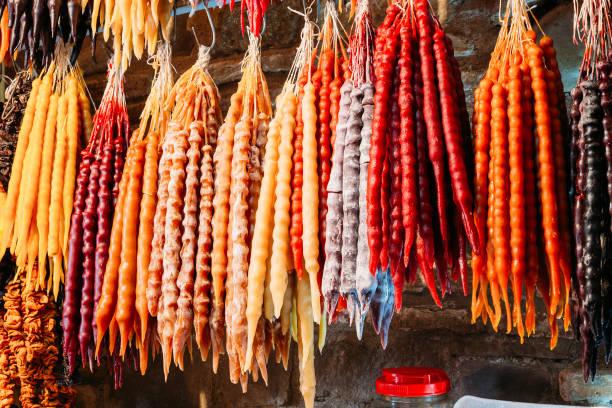
This chewy elongated sweet, made out of grape must and filled with various nuts, is very similar to the Georgian «churchkhela», however, in Cyprus it has a local twist. There are several types of Cypriot soudzoukos: plain grape, pomegranate and carob ones. All of them are made without sugar and with no artificial colours or flavours, so the natural taste and sweetness of pomegranate and carob remain intact. Sometimes, cinnamon or rose water can be added for extra flavour. The filling can also consist of different nuts, including almonds, walnuts and hazelnuts.
A taste of wine villages
If you visit some of the mountainous villages, especially along the wine route «chrasochoryo», you are likely to stumble upon these long colourful strands of soudzoukos hanging from the rope at local market stalls or shops. Traditionally, they are sold by weight and cut into shorter sections. When served, soudzoukos are cut into slices, revealing their nut filling. This moderately sweet healthy treat is best enjoyed with a coffee or tea, or even just a glass of cold water.
Pasteli
What it is and key flavours
Pasteli is a sesame bar, infused with honey syrup, citrus zest and a dash of cinnamon and vanilla. Sometimes chopped nuts are added for extra flavour and texture, especially almonds, pistachios and hazelnuts. Some modern variations include addition of dried fruits, cocoa and chia seeds.
The original energy bar
Made with just a few simple, yet wholesome ingredients, pastelli is an ancient prototype of a modern energy bar.
Moderately sweet, with no sugar or artificial flavours, this crunchy chewy treat is perfect as a quick and easy guilt-free snack or a healthy dessert.
The taste of hospitality: spoon sweets
Spoon sweets, locally known as «glyka tou koutalliou» are deep rooted in the Cypriot tradition of hospitality or «philoxenia». In the past, they were offered to guests together with a strong Cypriot coffee and a glass of cold water. It was believed that this combination will reinvigorate the visitor, especially during hot summer months. Every Cypriot housewife had a jar of «glyko tou koutaliou» at hand in case of accidental guests or visitors. This tradition is still alive today.
Essentially, spoon sweets are fruits or vegetables cooked in thick sugary syrup and preserved in jars. They are usually served on a small plate on a spoon or with a dessert fork.
A universe of flavours
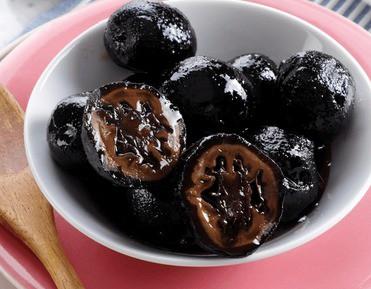
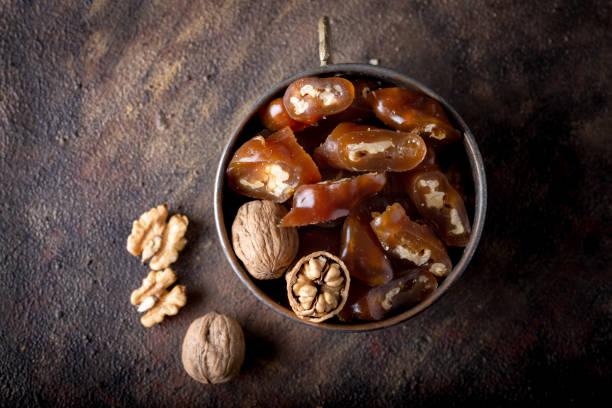
- Glyko Karidaki — Made out of young walnuts, it's one of the most authentic local spoon sweets. It has a surprisingly chewable, yet dense texture and a unique earthy flavour mixed with cinnamon and cloves.
- Glyko Karpouzi — This is a pleasantly robust spoon sweet with a mild crunch. It has a refreshingly sweet watermelon flavour with hints of lemon and rose water.
- Glyko Kitromilo — Made out of bitter orange peels, it's characterised by a zesty, bitter sweet flavour and dense chewy texture with a crunchy exterior.
- Glyko Kerasia — An alcohol-free Cypriot alternative to brandied cherries, glyko Kerasia consists of local cherries infused with hints of cinnamon, cloves and lemon. Its tart fruity flavour and moist texture are hard to resist.
Refreshing rose and mastic treats
When the summer comes, we usually don't want to eat anything heavy — all we want is to stay cool. Yet, sometimes the sugar craving hits. So, why not try the local healthy and light alternatives to ice cream? You’ll be surprised with the unusual flavour combinations and how tasty they are.
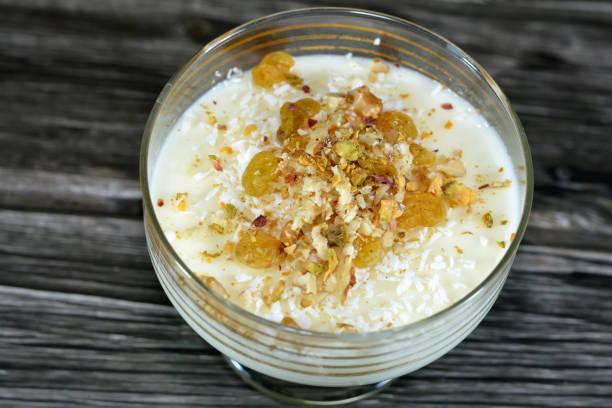
Mahalepi
What it is and key flavours
A delicate pudding, made of local maize starch «nisiniaste» and water, served with a dash of rose flavoured syrup, and, sometimes, ice for extra coolness.
Another local variation is slightly more decadent — it is a milky cornstarch pudding, infused with mastic and mahlep spices, and sometimes nuts, served with a drizzle of honey on top.
The ultimate summer cooler
Its extremely light texture, low sugar content and a refreshing rose flavour, make Mahalepi a quintessential summer treat. Served with ice, it's a perfect alternative to ice cream, helping locals to cool down during the sweltering heat of the Cypriot summer.
Anari cream with honey
What it is and key flavours
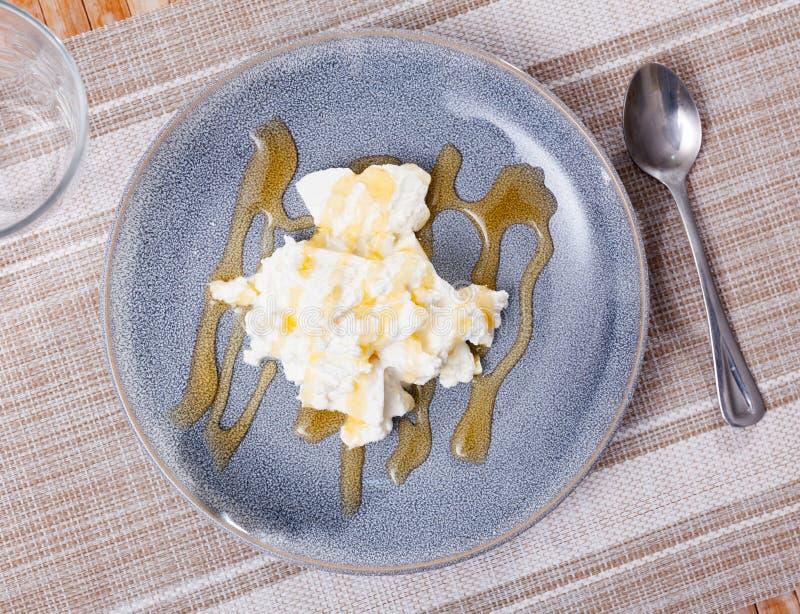
A deliciously authentic local goat cheese «anari» can be easily considered a dessert in its own right. Its soft texture is slightly similar to Philadelphia cheese or Mascarpone, but is somewhat more light and airy. Anari boasts a subtle delicately sweet flavour. In order to accentuate its original goodness, Cypriots serve fresh anari with just a sprinkle of cinnamon and a dash of honey on top.
Healthy and delicious
This protein rich dessert can be a healthy treat at any time of the day, even for breakfast. Its wholesome ingredients, delicate texture and subtle flavours are the ultimate essence of Cyprus itself, where simplicity is at the core of local life.
Where to find the best Cypriot desserts
Local bakeries (zacharoplasteio)
In Cyprus, local «zacharoplasteio» shops are more than just bakeries, they are more of a Cypriot version of a patisserie. In addition to bread, they make a wide variety of cakes and desserts, including the traditional Cypriot sweets. Almost every large village has at least one, and, in large cities there's a big choice of zacharoplasteio shops for every taste and budget. The most popular chain shops around Cyprus are Zorbas, Sigma and Elena's Bakeries. However, each city also has its own smaller boutique-style bakeries offering traditional sweets.
Traditional tavernas
If you want to get a taste of local hospitality then visiting a Cypriot taverna is a must. After a meal, it is quite common for them to serve a complimentary traditional sweet for the guests. However, if you want to sample other Cypriot desserts, you can order them from the menu.
Village festivals and fairs
Cypriots simply love festivals and throughout the year there are hundreds of various celebrations and feasts. A plethora of carnivals, street fairs and religious feasts are all accompanied by colourful market stalls, and, of course street vendors, selling all sorts of local delicacies. If you want to experience the authentic Cypriot fair vibe, just check out the calendar for events and dive into the magical atmosphere which is best absorbed whilst walking around the narrow streets and navigating the crowds with a paper bag of piping hot loukoumades or shiamishi.
City-specific recommendations
Nicosia
Finding traditional sweets in the island's capital is really easy — just venture into the Old Walled City and let atmospheric narrow streets guide you. You are bound to stumble upon one of the numerous small family-run sweet shops, most of which have been in business for more than 50 years. For the ultimate retro experience, try the iconic coffee shop and zacharoplasteio «Tria Fanaria», just opposite the Faneromeni church. Established in 1952, it sells the traditional Cypriot sweets, cookies and pies — all made according to old recipes.
Limassol
In Limassol you can combine visiting the iconic Medieval Castle with sampling the local traditional sweets. There is nothing better than to indulge in those syrupy filo pastry delights after a long but satisfying stroll around the historical centre. For a classy ambience, try Petit Paris Patisserie on Gladstonos Street. Open since 1964, it serves classic deserts as well as traditional Cypriot sweets.
Paphos
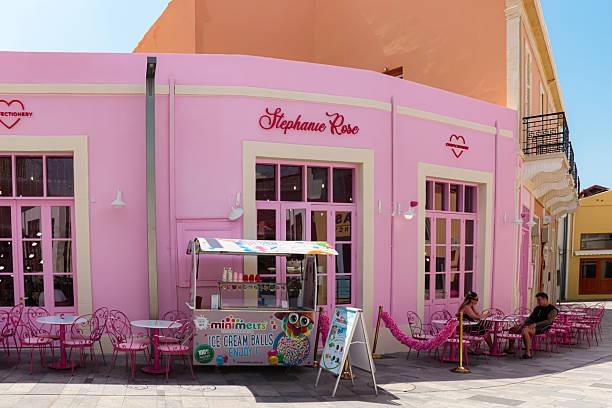
Located in the heart of the Paphos Old Town area, the Old Market offers a perfect opportunity not only to enjoy the architectural charm and historical vibe, but also, the local sweets. You can wander along numerous stalls selling fresh local produce and then discover some of the local confectionery shops and patisseries. For traditional sweets it's worth trying Stephanie Rose — a local favourite.
Enjoying sweets like a local: pairings and etiquette
Perfect pairing
Strong Cypriot coffee
Rich-flavoured and bitterly-earthy, the Cypriot coffee is probably the best accompaniment for the sweets. In fact, if you order one at a local kafeneon or a taverna, most certainly they will bring it to you together with a bite-sized Cyprus sweet. The Cyprus coffee goes extremely well with all types of Cypriot sweets: from rich and milky galatopoureko and pourekia to loukoumades, baklava, soudzoukos, and kourabiedes.
A glass of cold water
Nothing is more refreshing or invigorating on a hot summer’s day than a glass of icy cold water. It also helps to highlight the flavours of all the syrupy non-dairy sweets, as well as traditional nutty treats like pasteli and soudzouko, and of course, it goes perfectly with very sugary spoon sweets.
Commandaria wine
Known as the «oldest wine in the world», kommandaria is a dessert port-style wine. With its rich, sweet, nutty flavour, it goes best with traditional rustic village desserts, like soudzouko, pasteli and spoon sweets.
Cultural etiquette
Always accept a sweet when offered
Offering a sweet in Cyprus is more than just a common courtesy, it is the ultimate expression of «filoxenia» (the love for stranger) and hospitality, deep rooted in local culture. That's why you should never refuse an offering. Most of the time, the sweets are served together with coffee after a meal and are designed to be a pleasant accompaniment to a long and unrushed conversation. Even if you end up at a Cypriot house as an unexpected guest or a brief visitor, you're most likely to get offered a traditional coffee and a sweet. So, just accept it with grace and enjoy it!
When offered a spoon sweet take only one piece
Usually, in Cyprus guests are offered a small bite-sized sweet, rather than a full plate of dessert. There are a few good reasons for that. First of all, a sweet is a small token of the host’s love and appreciation for the guest. Secondly, quite often a sweet is an «after meal treat», designed to clear the palate and is not supposed to be big. Thirdly, sweets are often shared during large gatherings and are meant to be for everyone. And, most importantly, it's a historical tradition based on the scarcity of sugar in the past.
The same concept applies to spoon sweets — the jar is there for all the potential guests, so it's important to take only one sweet when offered out of respect for the host. Plus, due to its high sugar content, it will be enough anyway.
Frequently asked questions (FAQs)
What is the national dessert of Cyprus?
There's no one specific favourite Cypriot dessert. All the traditional Cypriot sweets are much loved amongst the locals. However, some of them can be commonly found all year round, whilst others are reserved for specific feasts and occasions.
Are Cypriot desserts very sweet?
Yes, some Cypriot desserts can be rather sweet, especially the syrupy ones or spoon sweets. However, it all depends on the amount of syrup used.
Is halloumi cheese used in desserts?
No, halloumi cheese is never used in sweets due to its high salt content and savoury flavour. It is used in making Easter flaounes, which are technically not considered a sweet, rather they are something in between.
What's the difference between Greek and Cypriot desserts?
Generally, Greek sweets tend to be more rich and indulgent with buttery flavours, as well as stronger flavourings and spices and higher sugar levels. Whilst Cypriot desserts are more rustic and subtle in terms of flavours with more crunchy textures and less syrup, reflecting authentic local tastes and ingredients.
Your sweet Cypriot adventure awaits
Cypriot desserts are truly versatile, as they offer something for everyone — from fragrant syrupy sweets to creamy richness of galatopoureko and pourekia. Or, if you're health conscious, then soudzoukos, pasteli or anari cheese could be up you alley. Even if you don't have a sweet tooth, it's easy to be tempted by a variety of options. Indulging in local sweets is truly an adventure for all the senses and a journey into the island's glorious past.
So, which one is your favourite?