The landscape of the Cyprus property market has shifted into a more mature phase as 2026 unfolds. Following several years of intense price appreciation, the focus for many property buyers has moved from speculative gains toward consistent, strategic yields. This year, the island's transition into a regional tech and financial hub is truly visible, especially as international firms continue to anchor their operations in major cities. For the modern investor, the primary challenge is no longer just finding a location, but choosing a management model that aligns with the current economic climate and personal lifestyle goals.
The emergence of the «work-from-anywhere» culture has fundamentally reshaped rental market dynamics. We see a clear divergence between the fast-paced, high-reward short term rental sector and the steady, predictable nature of a long term rental. Navigating these term rental strategies effectively requires a deep look into the micro-demographics of each district, from the busy streets of Limassol to the tourist-heavy coastlines of Paphos and Larnaca.
Executive Summary: Key Investment Takeaways
If an investor needs a quick verdict for 2026, the choice rests on two main factors: how much time they have and how much risk they can stomach. The short term rental model is still the champion for gross returns in coastal hubs. In places like Kato Paphos or Ayia Napa, a well-managed holiday let can achieve a high rental yields of 8% to 12% during the high season. However, this comes with the price of constant guest turnover and higher property management fees.
On the other hand, the long term rental offers a much quieter path. It provides a stable, year-round rental yield of 4.5% to 6.5%, proving particularly resilient in business-heavy centers like Nicosia or Limassol. New 2026 regulations have also brought a layer of transparency to the market. While the paperwork for a short term rental has become more detailed, it has also helped professionalize the industry, making it harder for low-quality listings to compete with serious investors.
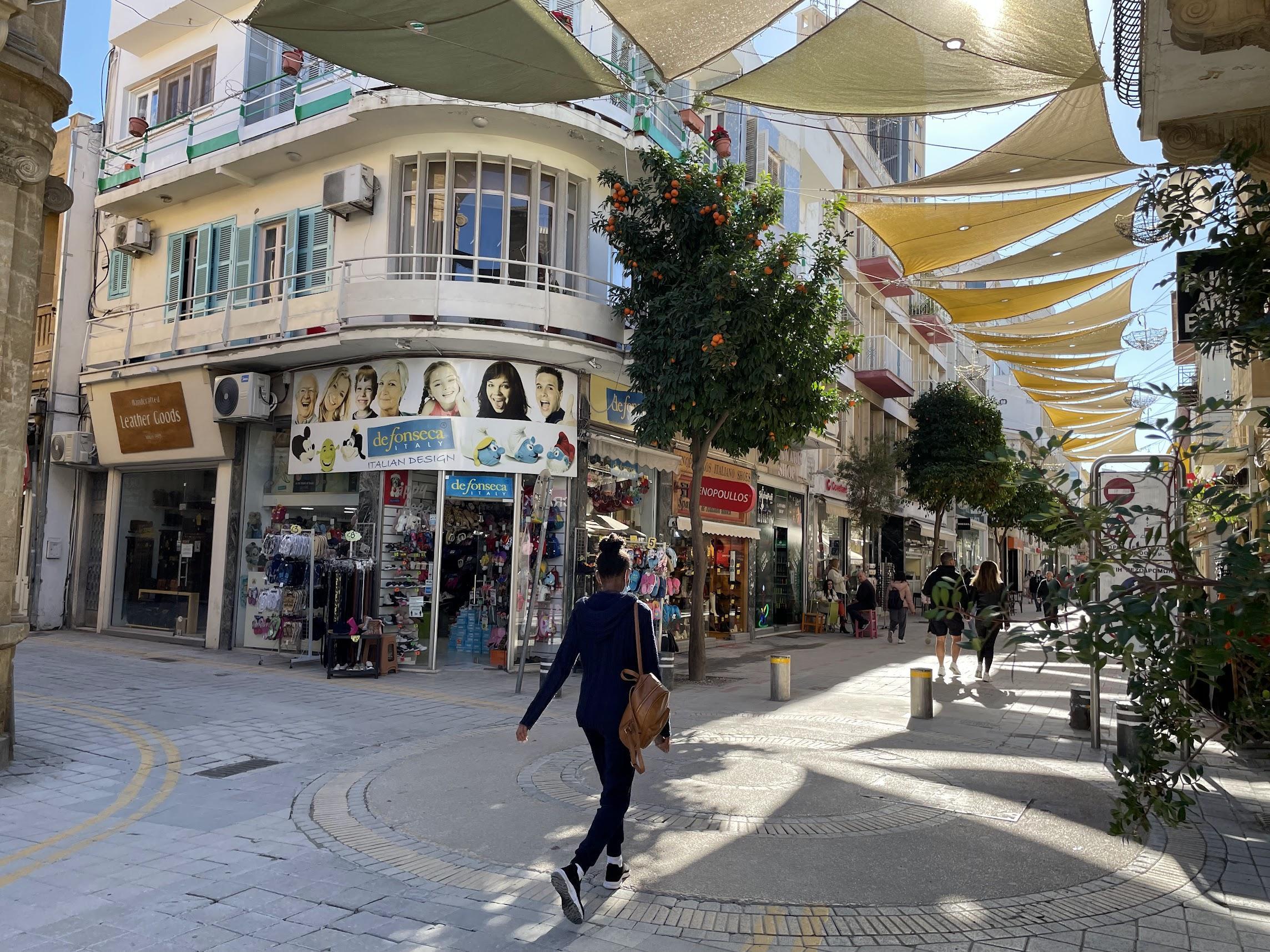
Financial Deep Dive: Cyprus Rental Returns by the Numbers
Looking at the ROI landscape through a data-driven lens reveals some interesting trends for 2026. While the gross numbers on a short term rental often look spectacular on paper,evaluating the actual term rental returns for an asset is where the real story lives.
Cyprus Rental Yield Comparison (2026 Estimates):
Metric | Short-Term Rental (STR) | Long-Term Rental (LTR) |
Gross Annual Yield | 8.5% – 11.5% | 4.8% – 6.5% |
Average Net Yield | 5.5% – 7.5% | 4.0% – 5.5% |
Typical Occupancy | 60% – 75% | 94% – 98% |
Management Costs | 18% – 25% | 5% – 10% |
Seasonal Risk | High | Low |
Based on recent insights from the Cyprus Statistical Service (CYSTAT) and local analysis for early 2026, the gap between gross and net income is wider for Cyprus short term rental properties. This is due to the «operational drag» of utilities, frequent cleaning, and higher platform commissions. For cyprus real estate investors, calculating the true net profit is essential.
Take, for example, a modern 2-bedroom apartment in Limassol’s Germasogeia district with a property price of €500,000. If run as a short term rental with a daily rental rate of €180 and 70% occupancy, the gross revenue hits roughly €46,000. After subtracting about €9,200 for management and another €4,500 for maintenance and bills, the net profit is around €30,800. This results in a net rental yield of 6.16%. In a long term rental scenario, that same apartment might rent for €2,600 a month with significantly lower expenses, landing the net yield at approximately 5.8%. For many, that small percentage difference is a fair trade for the peace of mind that comes with a stable, long-term tenant.
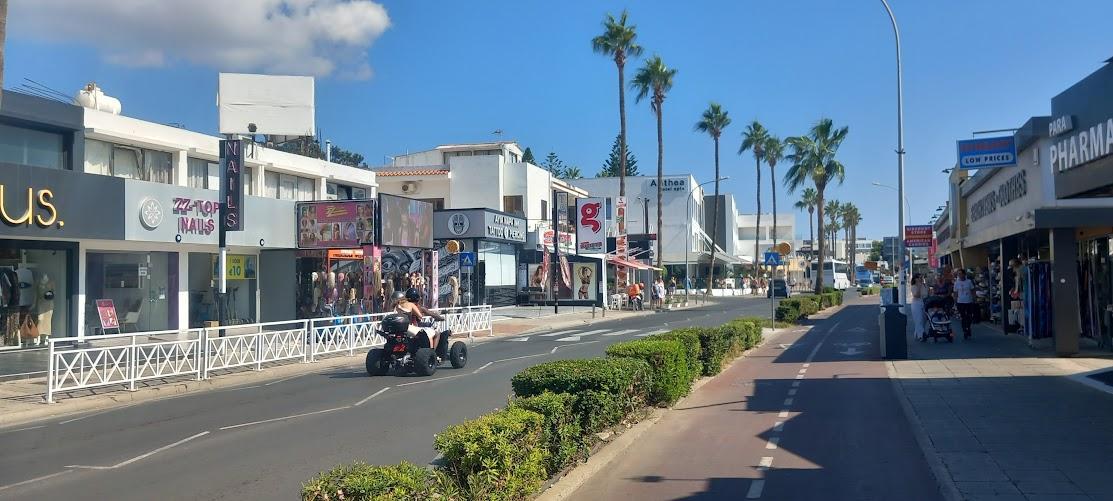
Head-to-Head Comparison: STR vs. LTR Key Differences
Deciding which of these rental properties fits your portfolio involves more than just a calculator. It is about the lifestyle of an owner versus the business of a landlord.
STR vs. LTR: Key Differences for Investors
Factor | Short-Term Rental (STR) | Long-Term Rental (LTR) |
Income Potential | High peaks, lower troughs | Flat but guaranteed |
Flexibility | High (Owner can use property) | Low (Subject to lease) |
Wear & Tear | Frequent but cosmetic | Less frequent but deeper |
Legal Status | Tourism License required | Standard term lease |
Startup Cost | High (Fully furnished) | Variable (Often unfurnished) |
The Case for Short-Term Rentals in Cyprus
The appeal of term rental properties in the vacation sector has been revitalized by new infrastructure. With the major casino resorts in Limassol now fully operational and airport traffic reaching new highs, the short stay rental market is thriving.
Advantages: High Yields and Personal Flexibility
The biggest draw for a short term rental is the ability to charge a premium during the summer. By using rental platforms effectively, a property owner can tweak rental rates on the fly, responding instantly to spikes in demand. Additionally, it allows you to block out your own holiday dates, essentially making the investment a part-time secondary home for your family.
Disadvantages: Seasonality and Management
However, the winter months can be quiet. A daily rental that is booked solid in July might sit empty in January. There is also the matter of the «Airbnb Law» — by 2026, the Ministry of Tourism is strictly enforcing registration numbers. Operating without one is no longer an option, as platforms will simply de-list properties that don’t comply.
The Case for Long-Term Rentals in Cyprus
For many institutional investors and those living abroad, the long term rental remains the foundation of a solid Сyprus real estate portfolio.
Advantages: Stability and Passive Income
The «Tech Island» movement has brought thousands of professionals to Cyprus who need high-quality residential properties for their families. This steady rental demand means that apartments in business districts stay occupied year-round. A long term rental provides a predictable monthly check, making it a much more passive way to build wealth.
Disadvantages: Lower Ceiling and Legal Complexity
The trade-off is that you won't see those massive summer profit spikes. Also, cypriot tenant laws are historically protective of the renter. Once a tenant signs a term lease, you have less flexibility to sell or reoccupy the property until the contract ends.
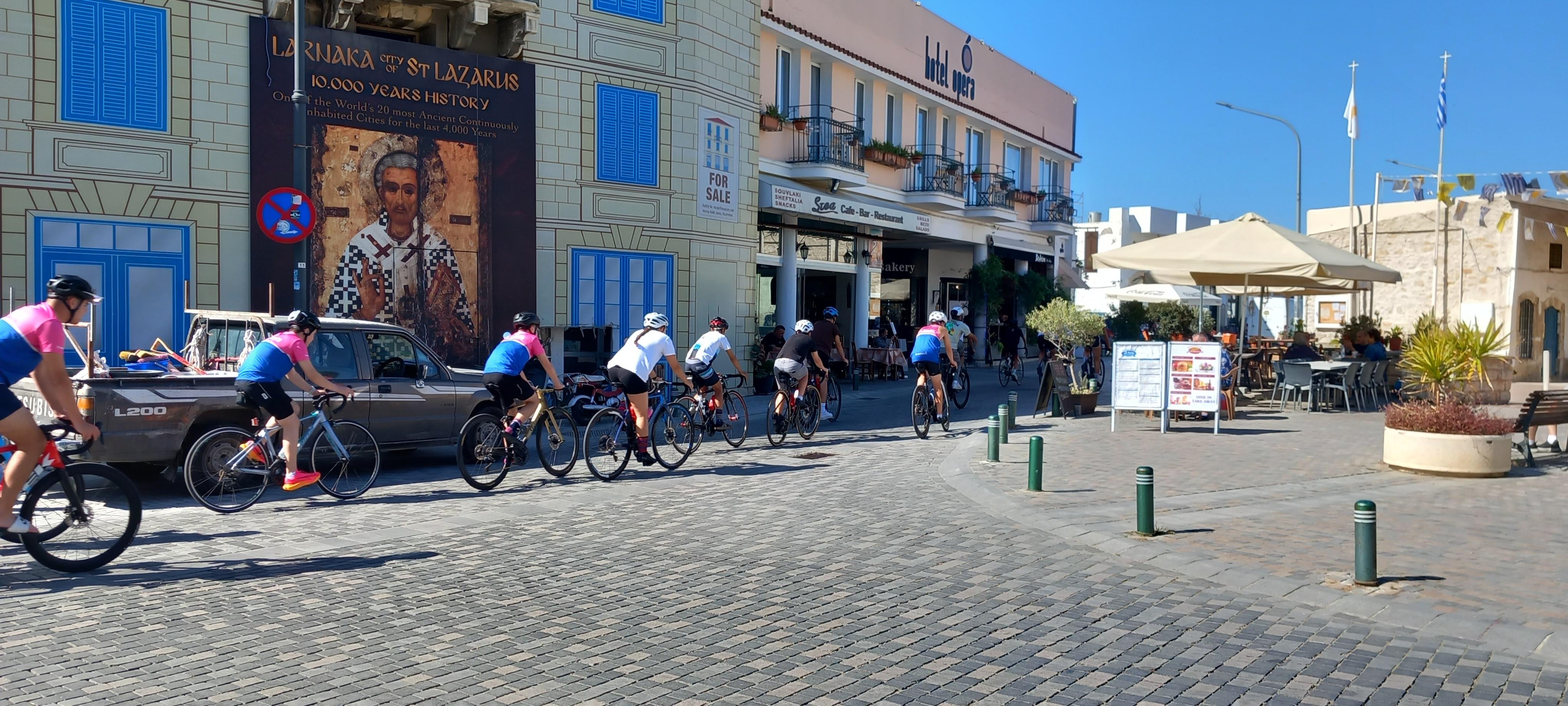
Critical Factors for the 2026 Investor
Location is the ultimate decider. Business hubs like Nicosia and Limassol are perfect for long term rental success, while coastal spots like Protaras or Kato Paphos are optimized for the short term market.
Legal shifts have also played a role. The abolition of the Stamp Duty on January 1st has simplified property acquisition, removing a layer of friction for new property buyers. While it wasn't the biggest cost, its removal shows a government effort to keep the market fluid and competitive. Furthermore, from July 2026, the new requirement for electronic payments on rents over €500 adds a level of security and transparency that the market previously lacked.
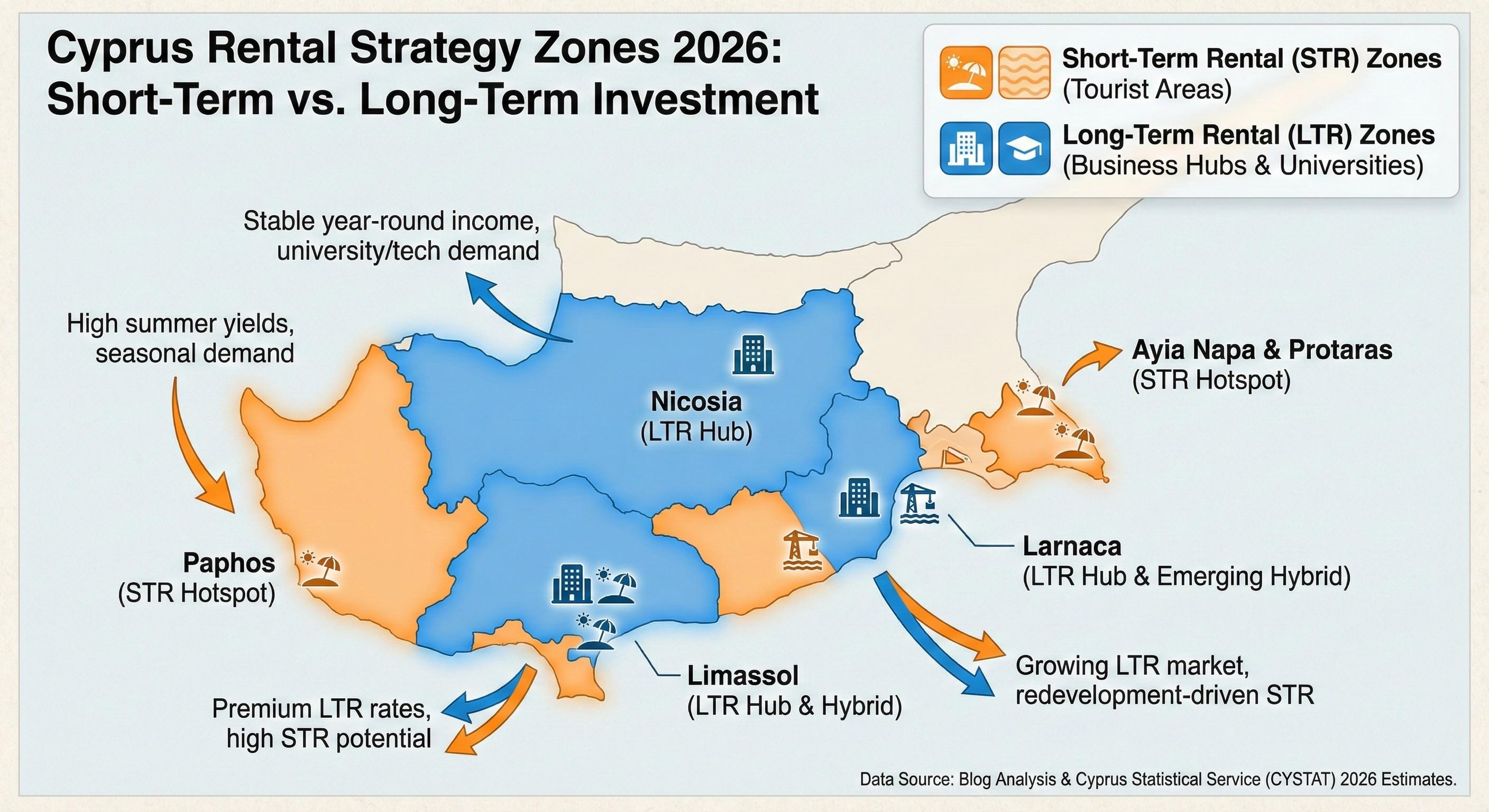
The Verdict: Selecting Your Strategy
Choosing the right path depends on your own goals. If you want to be a hands-on host and maximize every Euro of rental income from the holiday crowds, then a short term rental in a coastal zone is your best bet. The 2026 season looks set to be one of the busiest yet for tourism.
However, if you prefer a defensive investment that grows steadily with the island's economy, the long term rental in a growing urban center is the smarter play. The cyprus property market is now broad enough to accommodate various term rental options, provided the property is kept to a high standard and managed with professional care.
Frequently Asked Questions (FAQ)
What is a good rental yield in Cyprus in 2026?
A net rental yield of 5% to 6.5% is considered very healthy in the current market, depending on the city.
Are there new laws for Airbnb and short-term rentals?
Yes, all properties must have a valid registration number from the Ministry of Tourism to be listed on any major online platform.
Which city in Cyprus offers the best ROI for property?
Larnaca is currently seeing the highest growth in average rental yield due to the massive redevelopment projects near the port and marina.
How does the 2026 tax reform affect landlords?
The abolition of the Stamp Duty and the Special Defence Contribution (SDC) on rents has simplified the tax life of a landlord, though all rental income must now be reported as personal income.
What are the main risks for foreign landlords?
The biggest risks include navigating the nuances of tenant law in LTR and ensuring full licensing compliance in the STR sector to avoid heavy fines.

Read also:
- Best High-Yield Rental Areas in Cyprus. Top Locations for Strong ROI
- Cyprus Wedding Traditions: Rituals, Symbols, And Local Celebrations
- TOP-10 new developments in the free areas of Famagusta to be completed in 2026
- TOP-10 new developments in Limassol to be completed in 2026
- 15 largest projects of 2025 in Cyprus